Emotional Abuse: An Evidence-Based Guide for Patients

Emotional abuse is about patterns of behavior, not a single disagreement or isolated rude comment. Common signs include humiliation, threats, controlling behavior, gaslighting, and social isolation.
Key Takeaways
- Emotional abuse is about patterns of behavior, not a single disagreement or isolated rude comment.
- Common signs include humiliation, threats, controlling behavior, gaslighting, and social isolation.
- Its effects may include anxiety, depression, sleep problems, chronic stress, and reduced self-esteem.
- Diagnosis focuses on a careful clinical assessment of safety, symptoms, and mental health impact.
- Support may include safety planning, counseling, social services, and treatment for related mental health conditions.
- Urgent help is important if there are threats, stalking, self-harm thoughts, or concern for immediate safety.
Emotional abuse is a repeated pattern of words or behaviors used to control, frighten, isolate, or undermine another person. It can happen in intimate relationships, families, caregiving situations, and workplaces, and it can affect both emotional well-being and physical health.
What emotional abuse means
Emotional abuse is a pattern of non-physical behavior used to control, intimidate, shame, manipulate, or isolate another person. It may involve repeated criticism, humiliation, threats, monitoring, blame, silent treatment, or attempts to make the person doubt their memory or judgment. The key feature is not ordinary conflict but an ongoing pattern that harms the person’s sense of safety, autonomy, or self-worth.
Emotional abuse can occur in romantic relationships, marriages, families, between parents and children, in elder care, and sometimes in professional or caregiving settings. It can happen on its own or alongside physical, sexual, or financial abuse. Because there may be no visible injuries, it is often overlooked, minimized, or misunderstood by others.
People experiencing emotional abuse may wonder whether what they are going through “counts” as abuse. A useful way to think about it is to look at the repeated impact: fear, confusion, walking on eggshells, loss of confidence, and increasing isolation. If a relationship repeatedly leaves a person feeling controlled or unsafe, professional support can help clarify what is happening and what options are available.
Common signs and patterns
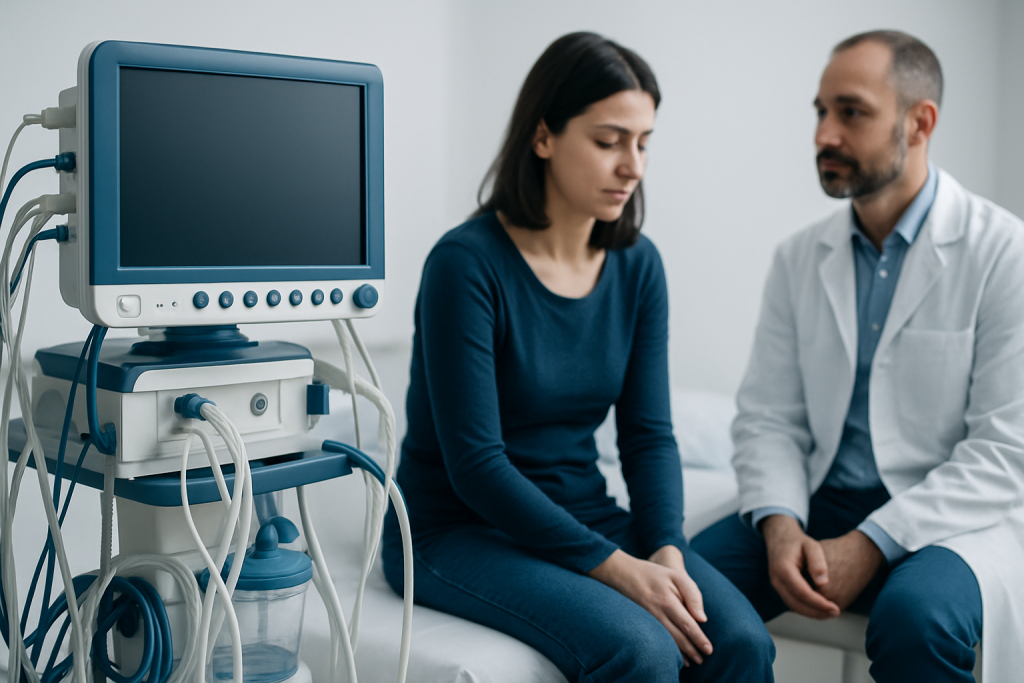
Emotional abuse can look different from one relationship to another, but certain patterns are common. The behavior is often persistent and may become more severe over time. Some abusive behaviors are obvious, while others are subtle and difficult to name at first.
Examples of emotional abuse may include insults, ridicule, yelling, humiliation in public or private, constant criticism, threats of abandonment, jealousy used as control, monitoring messages or whereabouts, limiting contact with friends or family, or blaming the other person for the abuser’s behavior. Gaslighting is another important pattern: the abusive person denies events, twists facts, or insists the other person is overreacting, which can lead to self-doubt and confusion.
- Frequent put-downs or name-calling
- Threats, intimidation, or coercion
- Controlling daily activities, finances, or communication
- Isolating the person from support networks
- Withholding affection or using silent treatment as punishment
- Making the person feel responsible for the abuse
Children and older adults may show different signs. In children, emotional abuse may involve belittling, terrorizing, rejection, or exposure to severe conflict. In older adults, it may include infantilizing language, threats related to care, or deliberate isolation. In any age group, the pattern and the emotional harm are what matter most.
How emotional abuse can affect health

Emotional abuse can affect mental and physical health, especially when it is prolonged. Many people develop chronic stress responses, including trouble sleeping, muscle tension, headaches, digestive discomfort, fatigue, and difficulty concentrating. Over time, constant stress can affect everyday functioning, work, school, and relationships.
The emotional effects often include anxiety, low mood, shame, irritability, fearfulness, reduced self-esteem, and a persistent sense of helplessness. Some people begin to question their own memory or judgment after repeated manipulation. Others may withdraw socially, lose interest in activities, or feel emotionally numb.
For some, emotional abuse contributes to recognized mental health conditions such as depression or trauma-related symptoms. When experiences are overwhelming or prolonged, a person may develop features of post-traumatic stress disorder (PTSD), even without physical injury. Substance misuse, eating changes, and worsening of existing medical conditions can also occur, which is why a whole-person clinical assessment is important.
Why it happens and who may be at risk
Emotional abuse is caused by the abusive person’s behavior and choices, not by anything the other person did or failed to do. It is often linked to a desire for control and may be reinforced by jealousy, rigid beliefs about relationships, poor emotional regulation, prior exposure to abuse, or untreated mental health or substance use problems. However, these factors do not excuse abusive behavior.
Anyone can experience emotional abuse. It affects people of all genders, ages, cultures, and social backgrounds. Risk may be higher when there are power imbalances, dependence for housing or finances, immigration-related vulnerability, caregiving dependence, social isolation, or a history of prior abuse. Technology can also be used abusively through constant checking, location tracking, harassment, or pressure for immediate replies.
It is important to distinguish emotional abuse from normal disagreements. Healthy conflict may involve tension, frustration, or occasional unkind words that are acknowledged and repaired. Emotional abuse is different because it is repetitive, controlling, and harmful, with one person using fear, shame, or manipulation to gain power over another.
How clinicians assess emotional abuse
There is no single blood test or scan that diagnoses emotional abuse. Assessment usually begins with a careful conversation about what has been happening, how often it happens, how safe the person feels, and what effects it is having on mood, sleep, daily functioning, and physical health. A clinician may ask about relationships, social support, children in the home, and whether there have been threats, stalking, or any physical or sexual violence.
Doctors, mental health professionals, and social workers may also screen for related conditions such as anxiety, depression, substance misuse, and trauma symptoms. In some situations, documentation of injuries, messages, or a timeline of events may be discussed, especially if there are legal or safeguarding concerns. The goal is not to force decisions but to understand risk and help the person access appropriate support.
If symptoms such as panic, persistent low mood, severe insomnia, unexplained pain, or concentration problems are present, the clinician may evaluate for associated health conditions. Depending on the person’s needs, care may involve psychiatric evaluation, primary care, psychological counseling, or community-based domestic violence services.
Treatment, support, and recovery
The best support plan depends on safety, symptoms, and personal circumstances. For some people, the first priority is a practical safety plan: identifying trusted contacts, securing documents, planning safe communication, and knowing where to seek urgent help. For others, the immediate need may be treatment for anxiety, insomnia, depression, or trauma symptoms that have developed as a result of the abuse.
Psychological support can help people understand abusive patterns, rebuild confidence, and reduce the effects of stress and trauma. Useful approaches may include supportive counseling, trauma-informed therapy, couples therapy only when a qualified professional judges it safe and appropriate, and treatment for coexisting conditions. In some cases, a person may benefit from psychological counseling or, if symptoms are significant, more structured mental health care.
Recovery is rarely just about “moving on.” It may involve restoring sleep, re-establishing social support, managing fear responses, and addressing practical issues such as housing, childcare, or legal concerns. Progress is often gradual, but many people improve with consistent support, validation, and a care plan tailored to their situation.
Near the end of the care journey, some patients also value coordinated follow-up across specialties. Acibadem International’s multidisciplinary specialists and JCI-accredited hospitals provide assessment and treatment for international patients when emotional abuse is affecting mental or physical health.
Self-care and ways to protect well-being
Self-care does not stop abuse, and responsibility always lies with the abusive person. Still, small supportive steps can help protect health and improve clarity. These may include keeping regular meals and sleep when possible, maintaining contact with trusted people, limiting isolation, and writing down incidents or feelings in a safe place if documentation is needed.
Many people find it helpful to learn about abusive dynamics so they can better recognize patterns such as gaslighting, coercion, and blame-shifting. Grounding techniques, breathing exercises, and gentle physical activity may reduce the body’s stress response. If digital monitoring is a concern, safer communication strategies and device privacy checks may be important.
- Tell a trusted friend, family member, clinician, or counselor what is happening
- Keep important documents and emergency contacts accessible if safe to do so
- Seek support from domestic violence or safeguarding services when relevant
- Avoid confronting the abusive person if it could increase danger
- Contact emergency services if there is immediate risk
For children, older adults, and dependent adults, safeguarding support may be essential. If a person is not sure where to start, a primary care doctor, mental health professional, or local social service can help identify the next safest step.
When to seek medical care
Medical care is appropriate when emotional abuse is affecting sleep, appetite, mood, concentration, work, school, parenting, or physical symptoms such as headaches, stomach problems, chronic pain, or panic. A healthcare professional can assess both emotional well-being and any related physical health concerns, and can help connect the person with mental health or social support services.
Urgent help is needed if there are threats of serious harm, stalking, escalating intimidation, concern for a child or vulnerable adult, suicidal thoughts, self-harm, or any signs of physical or sexual violence. In an emergency, the safest option is to contact local emergency services or a local crisis line immediately.
Even when the situation does not feel urgent, it is reasonable to seek help early. Emotional abuse often becomes clearer when discussed with a trained clinician, counselor, or social worker who can provide a neutral assessment and support informed decisions.
Frequently asked questions
Is emotional abuse the same as a normal argument?
No. Normal conflict may involve disagreement or frustration, but emotional abuse is a repeated pattern of control, humiliation, intimidation, or manipulation. The difference lies in the ongoing power imbalance and the harmful emotional impact.
Can emotional abuse happen without physical violence?
Yes. Emotional abuse can occur on its own and still have serious effects on mental and physical health. It can also occur alongside physical, sexual, or financial abuse.
What is gaslighting?
Gaslighting is a form of manipulation in which one person repeatedly denies events, twists facts, or makes another person question their memory or judgment. Over time, this can cause confusion, self-doubt, and loss of confidence.
How do I know if I should talk to a doctor?
A doctor can help when emotional abuse is causing anxiety, low mood, sleep problems, panic, chronic stress, or unexplained physical symptoms. Medical support is also important if there are safety concerns, suicidal thoughts, or signs that abuse is escalating.
Can emotional abuse cause long-term health problems?
It can. Prolonged stress may contribute to anxiety, depression, trauma-related symptoms, sleep disturbance, headaches, digestive problems, and difficulty functioning in daily life. Early support may reduce the longer-term impact.
What helps people recover from emotional abuse?
Recovery often includes safety planning, supportive relationships, counseling, and treatment for related mental health symptoms when needed. Many people benefit from trauma-informed care that helps rebuild confidence, emotional regulation, and a sense of safety.
References
- World Health Organization
- Centers for Disease Control and Prevention
- National Institute of Mental Health
- American Psychiatric Association
- UN Women
This article is for general information only and is not a substitute for professional medical advice. Please consult a qualified doctor about your individual situation.
Explore treatments in Turkey — costs, top hospitals & a free quote
JCI-accredited · board-certified surgeons · reply within 24h
Add us as a Preferred Source to see more of our trusted health content across Google Search, AI Overviews and Discover.