Endoscopy News October 2025: Preparation, Procedure and Results
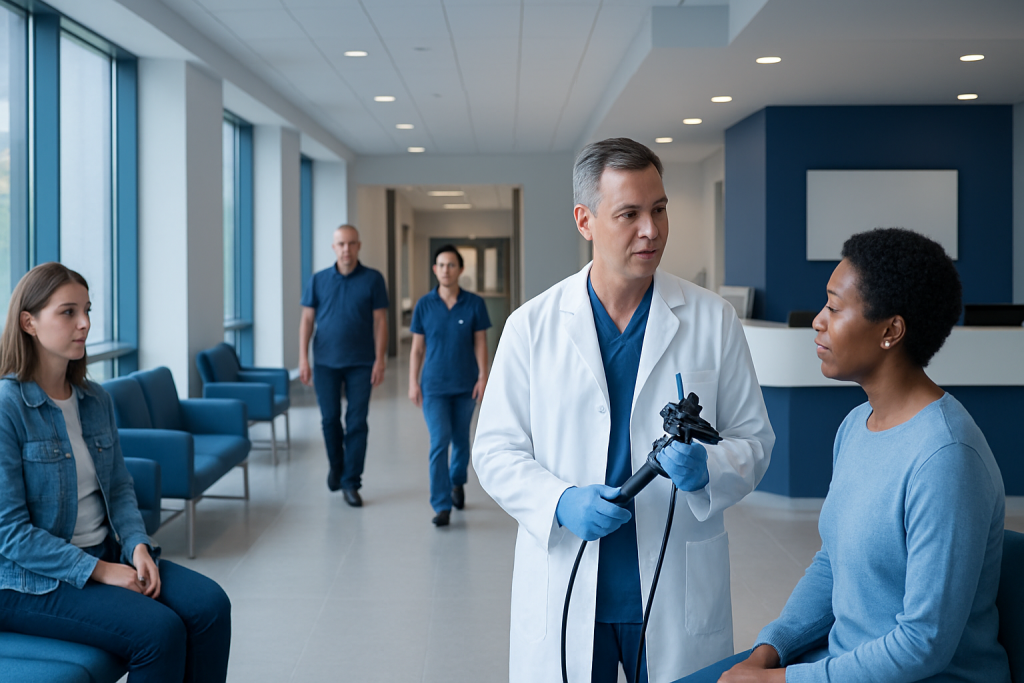
Endoscopy is a group of procedures that use a flexible camera tube to examine the digestive tract and, when needed, take biopsies or remove polyps. Most people do not need bed rest after an outpatient endoscopy, but they should rest at home after sedation and avoid driving for 24 hours.
Key Takeaways
- Endoscopy is a group of procedures that use a flexible camera tube to examine the digestive tract and, when needed, take biopsies or remove polyps.
- Most people do not need bed rest after an outpatient endoscopy, but they should rest at home after sedation and avoid driving for 24 hours.
- Visual findings may be discussed immediately after the procedure, while biopsy and laboratory results usually take longer.
- Colonoscopy preparation commonly uses split-dose bowel cleansing, with the precise schedule individualized by the clinical team.
- Preparation for upper endoscopy is usually shorter than preparation for colonoscopy, but fasting instructions must be followed exactly.
Endoscopy news October 2025 focuses on practical, patient-centered care: clear preparation instructions, appropriate sedation planning, safe recovery, and timely communication of results. The exact preparation and timing of results depend on whether a person is having an upper endoscopy, colonoscopy, or another type of gastrointestinal endoscopy.
Endoscopy News October 2025: What Patients Need to Know
Endoscopy news October 2025 highlights a continued focus on making digestive investigations safer, clearer, and more effective for patients. Endoscopy is not one single test: it describes several procedures in which a clinician uses a thin, flexible instrument with a light and camera to look inside the digestive tract. Upper endoscopy examines the esophagus, stomach, and first part of the small intestine, while colonoscopy examines the large intestine.
These procedures can help investigate symptoms such as persistent swallowing difficulty, upper abdominal discomfort, unexplained anemia, bleeding, long-lasting changes in bowel habits, or weight loss that needs assessment. They are also used for screening and surveillance, including checking for and removing colorectal polyps before they can develop into cancer.
Modern gastrointestinal endoscopy is often performed as a day procedure. Patients receive individualized instructions about food, fluids, medicines, bowel cleansing when needed, sedation, and travel home. A good-quality preparation is important because it helps the clinician see the lining of the digestive tract accurately and complete the examination safely.
How Endoscopy Works and Who May Need It
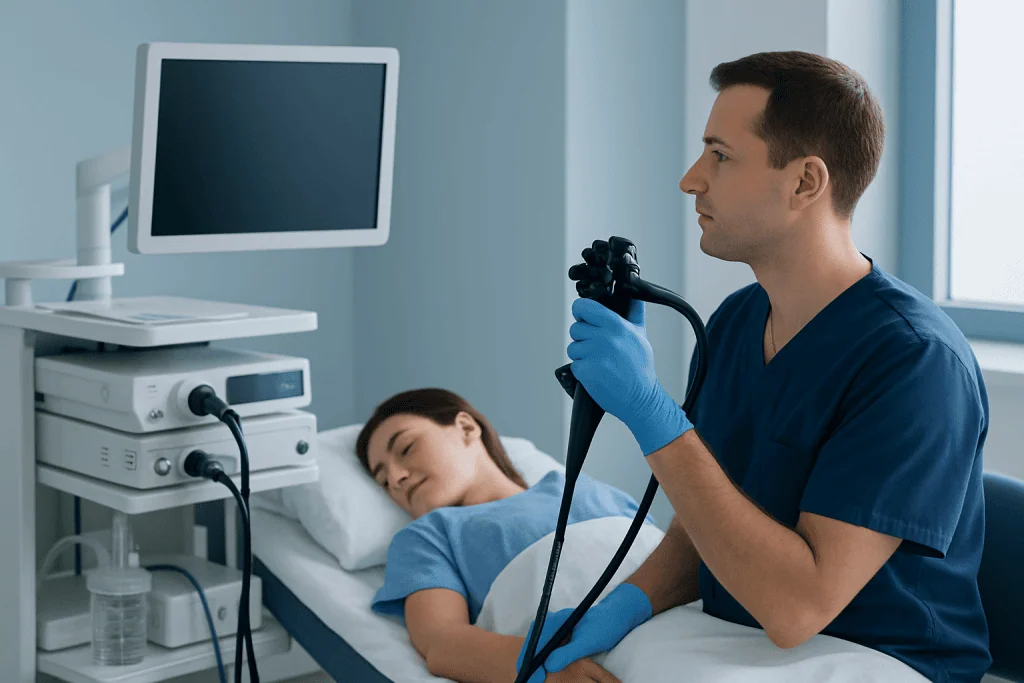
During an endoscopy, a trained gastroenterologist guides an endoscope through the mouth for upper endoscopy or through the rectum for colonoscopy. The camera sends images to a monitor, allowing close inspection of the lining of the digestive tract. Small instruments can pass through the endoscope to collect tissue samples, stop certain types of bleeding, widen narrowed areas, or remove polyps.
A clinician may recommend endoscopy after reviewing symptoms, medical history, blood tests, imaging, and a person’s age and screening history. It may be appropriate for people with persistent or unexplained digestive symptoms, a family history of colorectal cancer or polyps, inflammatory bowel disease, prior polyps, or an abnormal stool-based screening result. Endoscopy can also help assess conditions such as gastritis or other causes of upper digestive symptoms.
Not everyone needs the same procedure or the same schedule. Pregnancy, heart or lung disease, sleep apnea, kidney disease, diabetes, blood-thinning medication, allergies, and prior problems with anesthesia should all be discussed before the test. The care team will balance the likely benefit of endoscopy against any individual risks and may adjust preparation or sedation plans accordingly.
How Long Is Prep for Endoscopy?
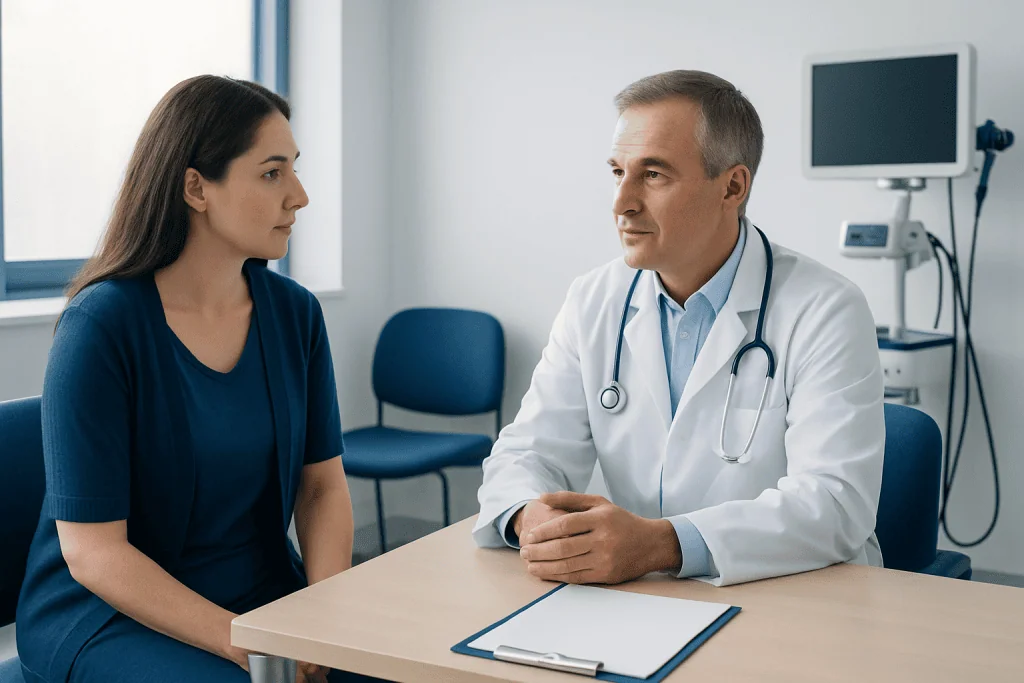
How long preparation takes depends primarily on the type of endoscopy. For an upper endoscopy, people are commonly asked to stop eating solid food for several hours beforehand so the stomach is empty. Clear-liquid instructions vary, and the endoscopy unit will explain exactly when fluids must stop. Some medicines may need to be taken with a small sip of water, while others may need adjustment.
Colonoscopy preparation usually begins earlier. Dietary changes may start one to several days before the examination, depending on the prescribed plan, and bowel-cleansing medicine is commonly taken the day before and the day of the procedure. The overall process can therefore extend across a few days, even though the active bowel-cleansing period is often concentrated within about 12 to 24 hours of the appointment.
Patients should not rely on general online schedules alone. The exact timing is affected by the appointment time, medical conditions, constipation history, kidney function, and medications such as diabetes treatments or blood thinners. Following the written instructions from the endoscopy team is one of the most effective ways to avoid an incomplete examination or the need to repeat it.
Is There a New Protocol for Colonoscopy Prep?
There is no single new colonoscopy preparation protocol that suits every person. However, split-dose bowel preparation remains a widely used, evidence-based approach. In split dosing, the prescribed cleansing solution is divided into two portions, with one portion taken before the procedure day and the other closer to the examination time according to the clinic’s instructions.
This approach is designed to improve bowel cleanliness, particularly in the right side of the colon, where residue can sometimes limit visibility. Better preparation can support a more complete examination and clearer detection of polyps or other changes. Some patients may receive tailored plans, such as an extended low-residue diet, additional measures for constipation, or modified instructions for kidney disease or diabetes.
Clear liquids are commonly allowed during part of the preparation period, but what counts as a clear liquid and the latest permitted drinking time must be confirmed with the clinical team. Patients should ask before using supplements, iron products, fiber products, or medicines that may affect the preparation. For patients seeking a tailored evaluation and procedure plan, gastrointestinal endoscopy care can include preparation guidance based on individual health needs.
What Happens During the Procedure?
On arrival, the team confirms medical history, allergies, medicines, fasting status, and consent. A nurse may check blood pressure, pulse, and oxygen levels. Many endoscopies are performed with sedation to promote comfort and relaxation, although the type of sedation varies by procedure, local practice, and individual health. Monitoring continues throughout the examination.
Upper endoscopy commonly takes around 15 to 30 minutes, although preparation and recovery time make the visit longer. Colonoscopy often takes longer, particularly if polyps are removed or further treatment is needed. During a colonoscopy, air or carbon dioxide is introduced to gently open the colon for viewing; this can cause temporary bloating or cramping afterward.
If the clinician sees an area that requires closer assessment, they may take a biopsy. A biopsy is a small tissue sample and is often painless because the digestive lining does not sense cutting in the same way as skin. Polyps may also be removed during colonoscopy, which can prevent future problems and reduce the need for an additional procedure.
The main benefits of endoscopy are direct visualization, the ability to obtain biopsies, and the possibility of treating certain findings during the same procedure. Risks are uncommon but can include medication reactions, bleeding, infection, and a tear or perforation in the digestive tract. The risk can be higher when treatment such as polyp removal is performed, and the endoscopy team explains relevant risks before consent.
How Many Days Bed Rest After Endoscopy?
Most people do not need days of bed rest after a routine outpatient endoscopy. After sedation, they are usually observed in recovery until they are awake, stable, and able to go home with a responsible adult. Resting quietly for the remainder of the day is generally advised, especially after sedative medicines.
For approximately 24 hours after sedation, patients are commonly advised not to drive, cycle in traffic, operate machinery, drink alcohol, sign important documents, or make major decisions. Mild throat irritation after upper endoscopy, or temporary gas, bloating, and mild cramps after colonoscopy, can occur and usually settle within a short time. Eating and drinking can often resume according to the discharge instructions.
Recovery may be different after a therapeutic procedure, such as removal of a large polyp or treatment of bleeding. The clinician may recommend temporary activity restrictions, dietary adjustments, or additional observation based on what was done. It is important to follow the individual discharge plan rather than comparing recovery with another person’s experience.
Do They Tell You the Results of an Endoscopy Right Away?
In many cases, the clinician can discuss the main visual findings soon after the endoscopy, once the patient is sufficiently alert after sedation. They may explain whether the lining appeared normal, whether inflammation, ulcers, polyps, bleeding, or narrowing were seen, and whether biopsies or treatments were performed. A family member or support person may also be included in the discussion when the patient agrees.
Final results are not always available right away. Biopsy samples must be examined in a laboratory by a pathologist, and this can take several days or longer depending on the test and local laboratory process. Tests for infections, inflammation, celiac disease, or other microscopic changes may also require further analysis.
Patients should ask how and when results will be communicated, who will arrange follow-up, and whether any medicine or surveillance schedule needs to change. A result that appears reassuring during the procedure can still require confirmation from pathology, while an abnormal visual finding does not by itself establish a final diagnosis.
When to Seek Medical Care
Before an endoscopy, patients should contact the endoscopy unit if they develop an acute illness, cannot complete the preparation, are unsure about medication instructions, or do not have a safe adult to accompany them home after sedation. Early communication helps the team decide whether the procedure can proceed safely or should be rescheduled.
After an endoscopy, urgent medical assessment is important for severe or worsening abdominal or chest pain, persistent vomiting, fever, fainting, shortness of breath, black stools, heavy rectal bleeding, or vomiting blood. A small amount of bleeding may occur after a biopsy or polyp removal, but patients should follow the discharge instructions and seek help promptly if bleeding is significant or persistent.
Acibadem International’s multidisciplinary specialists and JCI-accredited hospitals provide diagnostic and therapeutic endoscopy for international patients, with coordinated support when further assessment is needed. People with continuing symptoms or questions about screening can speak with a qualified gastroenterology clinician to determine the most appropriate next step.
Frequently asked questions
How many days bed rest after endoscopy?
Routine endoscopy usually does not require bed rest for days. Most people rest at home for the remainder of the procedure day, particularly if sedation was used, and can often return to usual light activities the next day. The care team may give different instructions after polyp removal or another therapeutic procedure.
Do they tell you the results of an endoscopy right away?
The doctor can often share the main visual findings shortly after the procedure. However, biopsy and laboratory results are not immediate because tissue samples need detailed examination. Patients should ask when and how final results will be provided.
Is there a new protocol for colonoscopy prep?
There is not one universal new protocol for every patient. Split-dose bowel preparation is commonly used because it can improve colon cleanliness, but the exact diet, solution, and timing are individualized. Patients should follow the instructions given by their own endoscopy unit.
How long is prep for endoscopy?
Preparation for upper endoscopy generally involves fasting for several hours before the appointment. Colonoscopy preparation is longer, often involving dietary changes and bowel cleansing beginning the day before or earlier. Exact instructions depend on the procedure time, health conditions, and prescribed preparation plan.
Can a person eat normally after an endoscopy?
Many people can resume eating after they are fully awake and able to swallow comfortably, but they should follow the discharge instructions. A light meal may feel more comfortable after sedation or after colonoscopy. Dietary advice may be different if a treatment was performed during the procedure.
Is endoscopy painful?
Endoscopy is generally designed to be tolerable, and sedation is often used to reduce discomfort and anxiety. Some people notice temporary pressure, bloating, cramping, or a sore throat afterward. The team can explain the sedation options and expected sensations before the procedure.
References
- American Society for Gastrointestinal Endoscopy
- American College of Gastroenterology
- National Institute of Diabetes and Digestive and Kidney Diseases
- National Health Service
- World Gastroenterology Organisation
This article is for general information only and is not a substitute for professional medical advice. Please consult a qualified doctor about your individual situation.
Persistent digestive symptoms? Get evaluated in Turkey
JCI-accredited · board-certified surgeons · reply within 24h
Add us as a Preferred Source to see more of our trusted health content across Google Search, AI Overviews and Discover.

More from the Health Library
Related Specialists
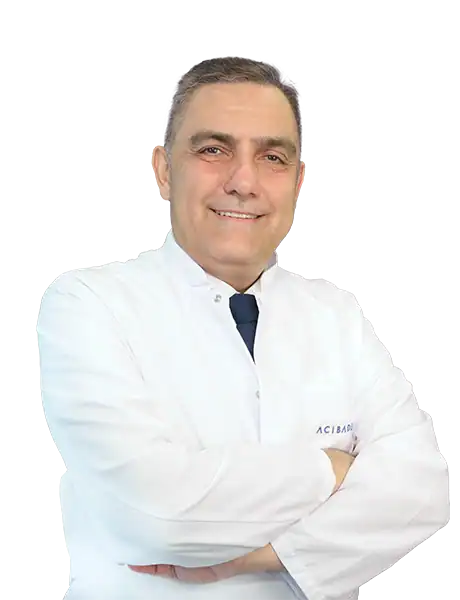
Prof. Dr. Coşkun Çeltik
Pediatrics
Fzt. Munise Nilay Güven
Physical Medicine & Rehabilitation
Assoc. Prof. Dr. Bülent Tucer
Neurosurgery
Prof. Dr. Sefa Müezzinoğlu
Orthopedic Surgery & Traumatology