Enlarged Spleen: A Complete Medical Overview
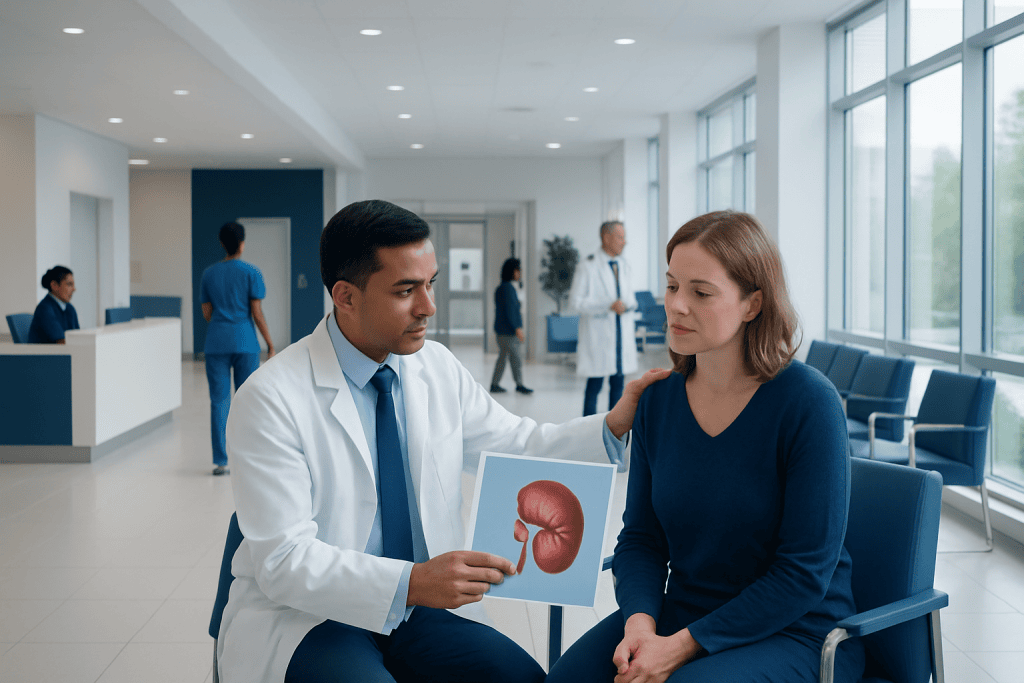
An enlarged spleen is usually a sign of an underlying condition such as infection, liver disease, or a blood disorder. Some people have no symptoms, while others notice fullness or pain in the upper left abdomen, tiredness, or feeling full quickly.
Key Takeaways
- An enlarged spleen is usually a sign of an underlying condition such as infection, liver disease, or a blood disorder.
- Some people have no symptoms, while others notice fullness or pain in the upper left abdomen, tiredness, or feeling full quickly.
- Diagnosis often includes a physical exam, blood tests, and imaging such as ultrasound or CT.
- Treatment focuses on the underlying cause and may include monitoring, medicines, or less commonly surgery.
- A significantly enlarged spleen can be more vulnerable to rupture, so contact sports and abdominal injury should be avoided until a doctor advises otherwise.
An enlarged spleen, also called splenomegaly, means the spleen has grown larger than normal, usually because of another health problem rather than a disease on its own. It may cause no symptoms at first, but proper evaluation is important to find the cause, protect the spleen, and guide treatment.
Overview: what an enlarged spleen means
An enlarged spleen means the spleen is bigger than normal. This condition is called splenomegaly. The spleen is an organ located in the upper left side of the abdomen, just under the rib cage. It helps filter the blood, remove old or damaged blood cells, and support the body’s immune response against infection.
When the spleen enlarges, it is usually reacting to another medical issue rather than becoming enlarged for no reason. Common triggers include infections, liver disease, blood-related conditions, inflammatory disorders, and some cancers. In some people, the spleen enlarges only slightly and causes no symptoms. In others, it may become large enough to cause discomfort or affect blood cell counts.
A healthy spleen is normally difficult to feel during a routine examination. If it becomes enlarged, a doctor may sometimes detect it by gently examining the abdomen. Even when symptoms are mild, the finding should not be ignored because the best care depends on identifying the underlying cause.
How the spleen works and why enlargement matters
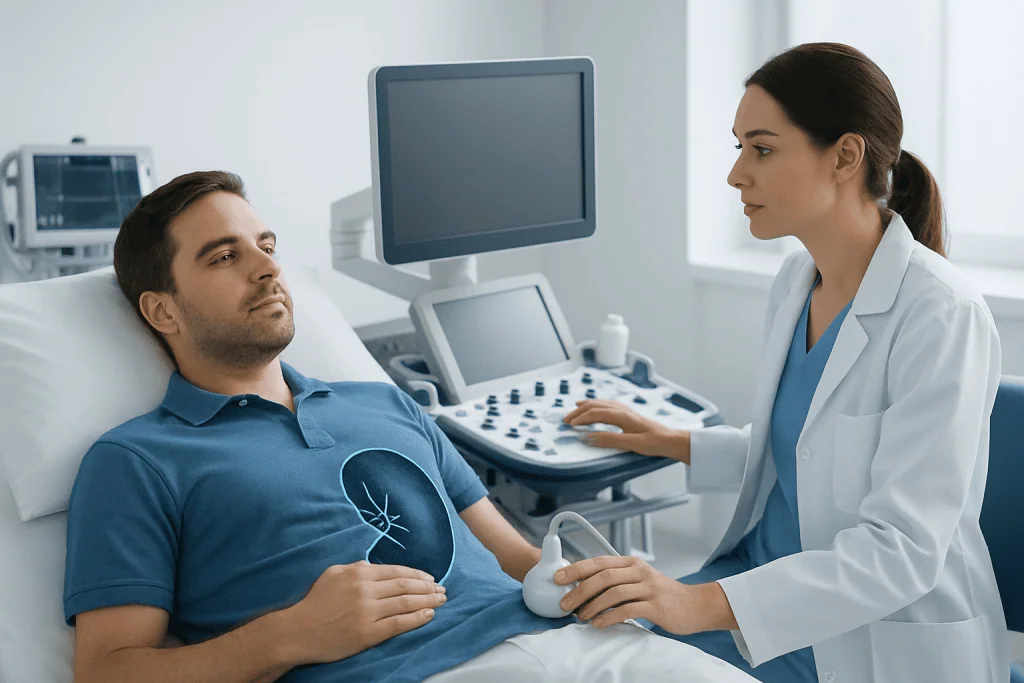
The spleen has several important jobs. It stores some blood cells, helps remove bacteria and other harmful substances from the bloodstream, and recycles worn-out red blood cells. It also plays a role in producing and housing certain immune cells. Because it is involved in both blood health and immunity, many different illnesses can affect it.
When the spleen becomes enlarged, it may start trapping and breaking down more blood cells than usual. This can lower the number of red blood cells, white blood cells, or platelets in circulation. As a result, some people develop anemia, a greater risk of infection, or easier bruising and bleeding.
Another concern is that a larger spleen is more delicate and more vulnerable to injury. A blow to the abdomen, a fall, or contact sports can increase the risk of splenic rupture, which is a medical emergency. This is one reason doctors often advise activity changes while evaluation is underway.
Symptoms of an enlarged spleen
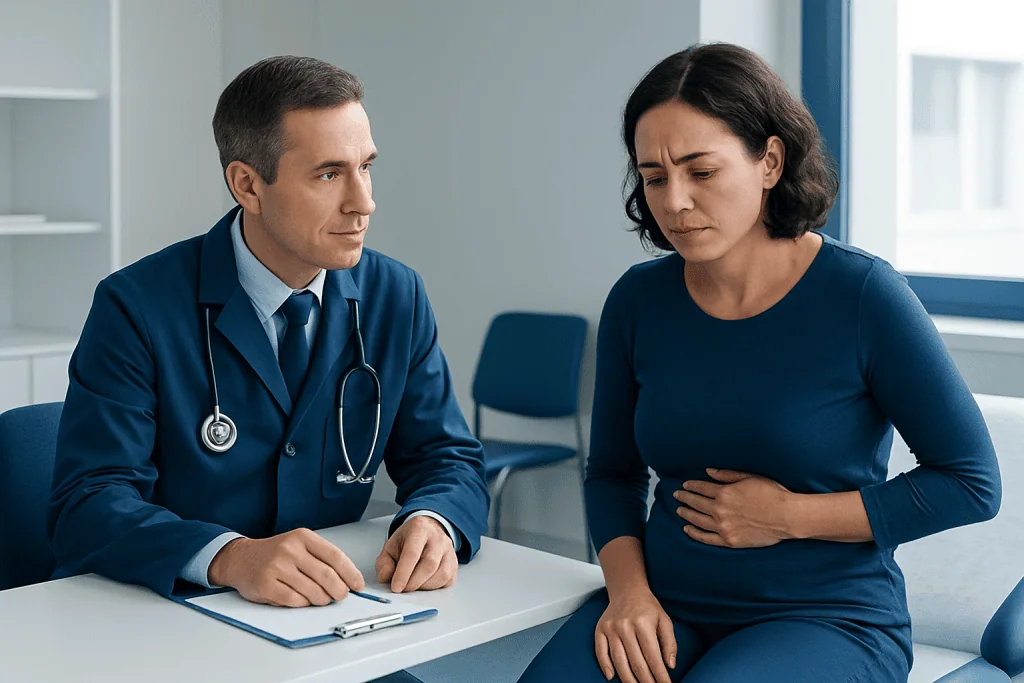
Many people with an enlarged spleen do not notice symptoms right away. When symptoms do occur, the most common are discomfort, pressure, or pain in the upper left abdomen. Sometimes that discomfort can spread toward the left shoulder. A person may also feel full after eating only a small amount because the enlarged spleen presses against the stomach.
Other symptoms often relate to the underlying illness or to changes in blood counts. These may include fatigue, weakness, frequent infections, pale skin, easy bruising, or bleeding more easily than usual. Fever, night sweats, or unintentional weight loss may suggest infection, inflammatory disease, or a blood-related condition that needs prompt assessment.
Symptoms vary depending on the cause. For example, enlargement linked to liver disease may occur alongside abdominal swelling or jaundice, while enlargement related to blood disorders may be found during testing for anemia or abnormal blood counts. Because symptoms overlap with many other conditions, medical evaluation is the safest way to clarify the cause.
- Upper left abdominal fullness or pain
- Feeling full quickly when eating
- Fatigue or weakness
- Frequent infections
- Easy bruising or bleeding
- Fever, night sweats, or weight loss in some cases
Causes and risk factors
An enlarged spleen can develop for many reasons. Infections are a common cause, including viral infections such as mononucleosis, certain bacterial infections, and parasitic illnesses in some regions. Liver conditions that increase pressure in the veins leading to the spleen can also cause it to enlarge. Chronic liver disease and cirrhosis are important examples.
Blood disorders are another major group of causes. These include conditions in which blood cells are destroyed too quickly, abnormal blood cells accumulate, or the bone marrow works improperly. Examples include some forms of hemolytic anemia, myeloproliferative disorders, lymphomas, and leukemias. In some cases, spleen enlargement is discovered during evaluation for leukemia or other blood cancers.
Inflammatory and autoimmune diseases may also lead to splenomegaly. Less commonly, the spleen enlarges because of storage diseases, blood clots in the veins that drain the spleen, or spread of cancer from another organ. Risk factors depend on the cause but may include chronic liver disease, immune system disorders, travel-related infections, or a known blood disorder such as lymphoma.
How doctors diagnose an enlarged spleen
Diagnosis begins with a medical history and physical examination. A doctor asks about abdominal discomfort, early fullness, fever, weight loss, bruising, infections, alcohol use, travel history, and any known liver or blood conditions. During the examination, the doctor may gently feel below the left rib cage to check whether the spleen can be felt.
Blood tests are usually an important next step. A complete blood count can show anemia, low platelets, or changes in white blood cells. Liver function tests, infection-related tests, and markers of inflammation may also be ordered depending on the situation. If needed, a blood smear or more specialized hematology tests can provide further clues.
Imaging helps confirm the diagnosis and estimate spleen size. Ultrasound is commonly used because it is noninvasive and does not involve radiation. CT or MRI may be recommended when doctors need a more detailed look at the spleen, liver, lymph nodes, or blood vessels. In selected cases, further evaluation may include bone marrow testing or referral for hematology care to investigate a blood-related cause.
Treatment options and ongoing care
Treatment for an enlarged spleen depends on the cause, the size of the spleen, symptoms, and whether complications are present. If the enlargement is mild and discovered incidentally, doctors may recommend monitoring while they investigate or treat the underlying problem. Follow-up exams, blood tests, and imaging may be used to track changes over time.
When an infection is responsible, treatment may involve appropriate medicines and rest. If liver disease, autoimmune disease, or a blood disorder is the cause, treatment focuses on that condition. This may include medications to control inflammation, therapy for a hematologic illness, or care from specialists in gastroenterology or blood diseases. In people with cancer-related spleen enlargement, management may include medical oncology treatment when indicated.
Surgery to remove the spleen, called splenectomy, is not the first option for most people, but it may be considered in selected situations. Examples include severe symptoms, repeated destruction of blood cells, certain injuries, or when the spleen is very large and causing major complications. If splenectomy is planned, vaccination and infection-prevention guidance are important because the spleen contributes to immune defense.
Prevention, self-care, and daily precautions
There is no single way to prevent all cases of enlarged spleen because many different illnesses can lead to it. However, managing chronic conditions, limiting alcohol if advised, keeping vaccinations up to date, and seeking care for persistent infections or unexplained symptoms may help reduce risk. People with liver disease or blood disorders benefit from regular follow-up and monitoring.
Self-care mainly centers on protecting the spleen and supporting overall health. Until a doctor says it is safe, avoiding contact sports, heavy impact activities, and situations that raise the chance of abdominal injury is sensible. Wearing a seat belt properly and taking falls seriously are also important, especially if the spleen is significantly enlarged.
Daily habits such as balanced nutrition, adequate hydration, rest, and following prescribed treatment plans can support recovery. People should not start supplements or over-the-counter medicines for spleen-related symptoms without asking a clinician, particularly if bruising, bleeding, or liver disease is present. If specialist care is needed, Acibadem International’s multidisciplinary specialists and JCI-accredited hospitals evaluate and treat enlarged spleen in international patients.
When to seek medical care
Medical attention is appropriate if there is persistent pain or fullness in the upper left abdomen, unexplained tiredness, frequent infections, unusual bruising, or feeling full after small meals. A newly detected enlarged spleen should always be assessed by a qualified doctor because the next steps depend on the cause.
Urgent care is needed if there is severe left upper abdominal pain, pain after a blow or fall, dizziness, fainting, confusion, rapid heartbeat, or pain that spreads to the left shoulder. These symptoms may suggest splenic injury or internal bleeding and should be treated as an emergency.
Anyone with fever, night sweats, unexplained weight loss, or worsening weakness should also arrange prompt medical review. Early evaluation can help identify infections, blood disorders, or liver conditions before complications develop.
Frequently asked questions
Is an enlarged spleen serious?
An enlarged spleen can be mild or more significant, depending on the cause and whether it affects blood counts or is at risk of injury. It is not a diagnosis by itself, so the main concern is identifying and treating the underlying condition.
Can an enlarged spleen go back to normal?
Yes, in many cases the spleen can return closer to normal size once the underlying cause is treated or improves. This is more likely when enlargement is related to a temporary problem such as some infections.
What does enlarged spleen pain feel like?
Pain from an enlarged spleen is often felt as pressure, fullness, or aching in the upper left abdomen under the ribs. Some people also notice discomfort in the left shoulder or feel full quickly after eating.
Can someone live normally with an enlarged spleen?
Many people continue normal daily activities, especially if symptoms are mild. However, they may need temporary precautions, such as avoiding contact sports or abdominal injury, until their doctor confirms it is safe.
Does an enlarged spleen always mean cancer?
No, cancer is only one possible cause. Infections, liver disease, autoimmune conditions, and several noncancerous blood disorders can also cause the spleen to enlarge.
How is an enlarged spleen usually found?
It may be suspected during a physical examination or discovered on imaging done for another reason. Doctors often confirm it with ultrasound or CT and use blood tests to help find the cause.
References
- National Institute of Diabetes and Digestive and Kidney Diseases
- Merck Manual Consumer Version
- Mayo Clinic
- American Society of Hematology
- National Health Service
This article is for general information only and is not a substitute for professional medical advice. Please consult a qualified doctor about your individual situation.
Explore treatments in Turkey — costs, top hospitals & a free quote
JCI-accredited · board-certified surgeons · reply within 24h
Add us as a Preferred Source to see more of our trusted health content across Google Search, AI Overviews and Discover.

More from the Health Library

Cradle Cap: A Complete Medical Overview

Warts Medicine Over the Counter: An Evidence-Based Guide for Patients

Probiotic Drinks — Explained by Medical Evidence, Not Myths

Xeloda: An Evidence-Based Guide for Patients

My Poop Is Too Big to Come Out and Hurts: What Patients Need to Know