Ependymoma Chemotherapy Success Stories: How It Works, Results and What to Expect
Chemotherapy is not routinely the main treatment for every ependymoma, but it may be considered for specific clinical situations. Treatment outcomes depend on tumor location, grade, molecular features, age, extent of surgical removal and whether the tumor has returned.
Key Takeaways
- Chemotherapy is not routinely the main treatment for every ependymoma, but it may be considered for specific clinical situations.
- Treatment outcomes depend on tumor location, grade, molecular features, age, extent of surgical removal and whether the tumor has returned.
- A successful treatment plan may involve neurosurgery, radiation oncology, medical oncology, pathology, rehabilitation and supportive-care specialists.
- Follow-up MRI scans are important because ependymoma can recur locally or, less commonly, elsewhere in the brain or spine.
- Symptoms such as new seizures, worsening headaches, weakness, balance problems or persistent vomiting need timely medical assessment.
Ependymoma chemotherapy success stories are individual and cannot reliably predict another person’s outcome. Chemotherapy can be useful in selected situations, particularly for recurrent disease or when radiotherapy needs to be delayed, while complete surgical removal and appropriately planned radiotherapy are often the main treatments.
Overview: what do ependymoma chemotherapy success stories mean?
Ependymoma chemotherapy success stories can be encouraging, but they need to be understood in context. Some people have a meaningful reduction or stabilization of tumor growth with medicines, while others benefit more from surgery and radiotherapy. The most helpful measure of success is not one person’s story, but whether treatment is appropriate for the individual tumor and supports the best possible control, function and quality of life.
Ependymoma is a tumor that develops from ependymal cells, which line fluid-filled spaces in the brain and the central canal of the spinal cord. It can occur in children and adults, with tumor location differing by age. Care is usually planned by a specialist neuro-oncology team because these tumors are uncommon and their behavior can vary.
For many newly diagnosed ependymomas, the first goal is safe maximal surgery. Radiotherapy is commonly recommended after surgery when it is suitable. Chemotherapy may have a more selective role, such as for recurrent or progressive disease, tumors that cannot be fully removed, or selected pediatric situations where clinicians aim to postpone radiation. Treatment decisions should be based on pathology review, imaging and the person’s overall health rather than on anecdotal outcomes alone.
How chemotherapy works in ependymoma
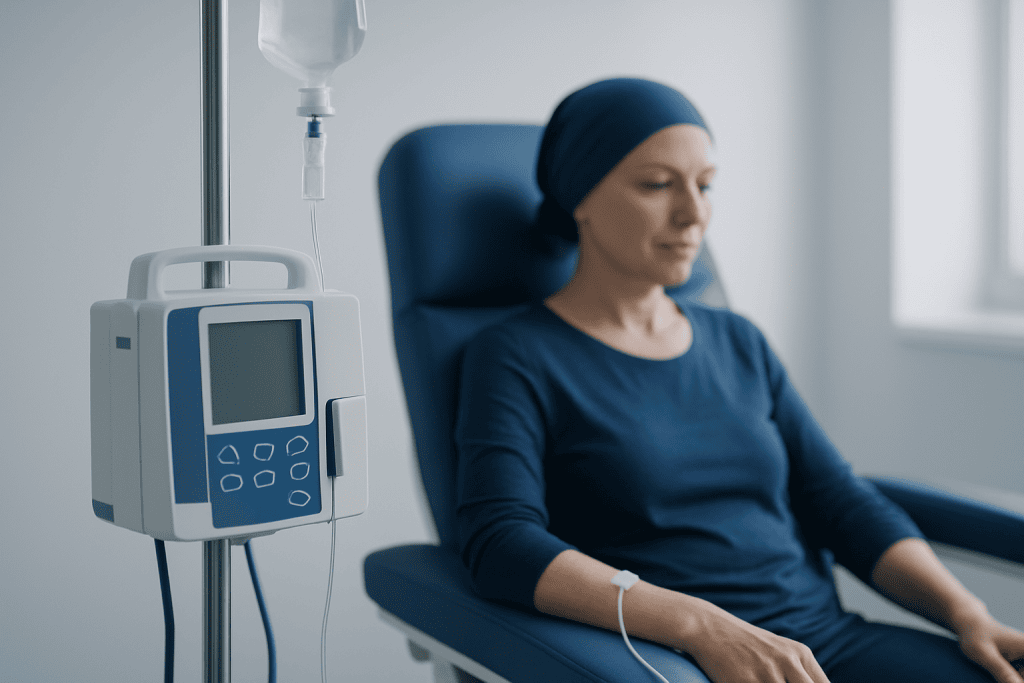
Chemotherapy uses medicines that circulate through the body to damage or slow the division of cancer cells. Different medicines work in different ways, and some can reach tumors in the central nervous system better than others. In ependymoma, chemotherapy may be given intravenously, by mouth, or occasionally through more specialized approaches in carefully selected circumstances.
Unlike some cancers, ependymoma does not consistently show a strong response to chemotherapy across all patients. This is why chemotherapy is generally not viewed as a replacement for complete surgery when surgery is feasible, or for radiotherapy when radiation is recommended and safe. However, it can sometimes shrink a tumor, slow progression, relieve tumor-related symptoms, or provide time before another local treatment is used.
Specialists may also recommend molecular testing of tumor tissue. Modern classification considers both the tumor’s appearance under the microscope and biological features that may influence expected behavior. A pathology review at an experienced center can help clarify the diagnosis and guide discussions about clinical trials or systemic treatment options.
- Potential benefit: tumor control or shrinkage in selected patients, particularly in recurrent disease.
- Common purpose: treatment when surgery or radiotherapy alone is not sufficient or cannot be used immediately.
- Important limitation: response is variable, and regular MRI monitoring is needed to assess whether treatment is helping.
Who may be a candidate for chemotherapy?

Candidacy depends on the full clinical picture. Chemotherapy may be discussed when an ependymoma has returned after prior treatment, continues to grow, has spread through cerebrospinal fluid pathways, or cannot be safely removed completely. It may also be considered when prior radiotherapy limits the ability to give further radiation, or when the treatment team believes a systemic approach may help control disease.
In children, chemotherapy can have a particular role when clinicians are trying to delay radiotherapy in very young patients because of concerns about developing brain tissue. In adults, chemotherapy is more often considered for recurrent or progressive disease, although recommendations remain individualized. Clinical trials may be appropriate for some people, especially when standard options have been used or when a tumor has specific molecular features.
Before recommending treatment, clinicians consider tumor grade, location, prior treatments, MRI findings, neurological symptoms, blood test results, kidney and liver function, fertility considerations and personal treatment goals. A second opinion from a neuro-oncology or neuro-oncologic surgery team can be valuable for an uncommon tumor such as ependymoma.
What happens during treatment and recovery?
Before chemotherapy begins, the team confirms the diagnosis and reviews MRI images of the brain and, when appropriate, the spine. Baseline blood tests, a medication review and discussion of possible side effects are usually completed. Some treatment plans require a central venous access device, while others can be given through a regular intravenous line or as oral medication.
Treatment is delivered in cycles, with planned treatment days followed by recovery periods. At each visit, clinicians assess symptoms and perform blood tests to check that the body is tolerating treatment. MRI scans are scheduled at intervals to determine whether the tumor is stable, smaller or growing. If treatment is not helping or side effects are too difficult, the team may adjust the plan.
Recovery varies widely. Tiredness may occur during treatment and can persist for days after a cycle. Blood counts can temporarily fall, which may increase infection risk or cause anemia-related fatigue. Nausea, appetite changes, constipation, diarrhea, hair thinning or hair loss, and numbness or tingling can occur with certain medicines. Supportive medications, nutrition advice and rehabilitation can help people manage many effects.
After completion of therapy, long-term follow-up remains essential. Follow-up may include neurological examinations, MRI surveillance, endocrine or cognitive assessment when relevant, and rehabilitation for speech, balance, strength or daily activities. The care plan should also address emotional wellbeing, school or work needs, and practical support for families.
Benefits, risks and realistic expectations
The possible benefit of chemotherapy is individualized. For some people, it may reduce tumor size or keep disease stable long enough to protect neurological function or allow planning for another treatment. For others, the best outcome may be symptom control and more time without further growth. A response on MRI is encouraging, but it does not eliminate the need for continued monitoring.
Risks depend on the specific medicines used and the person’s health. Common concerns include infection during periods of low white blood cells, bruising or bleeding when platelet counts are low, nausea, fatigue and organ-related effects that require monitoring. Some drugs may affect fertility, hearing, nerves, kidneys or heart function; the oncology team explains relevant risks before treatment and may arrange protective measures or specialist assessments.
People should contact their treatment team promptly for fever, chills, unusual bleeding, severe diarrhea or vomiting, inability to drink fluids, shortness of breath, sudden confusion, or new or worsening neurological symptoms. These symptoms do not always mean a serious complication, but they should be assessed without delay.
Success should be discussed using realistic terms: tumor response, length of disease control, function, symptom burden and quality of life. A multidisciplinary plan can ensure that treatment decisions reflect both medical evidence and the person’s priorities.
How long can you live with ependymoma?
Survival with ependymoma varies greatly, so no single timeframe can accurately describe an individual person. Some people live for many years after diagnosis, particularly when the tumor can be completely removed and controlled with local treatment. Others may face a more difficult course if the tumor is high grade, cannot be fully removed, returns, or has spread.
Doctors estimate outlook by considering age, tumor location, tumor grade, molecular classification, extent of surgery, response to radiotherapy, and whether the disease has recurred. It is reasonable to ask the specialist team to explain what these factors mean in the specific case rather than relying on general survival figures from mixed patient groups.
Ongoing MRI follow-up is important even after successful initial treatment. Early identification of recurrence can allow the care team to discuss options such as further surgery, carefully planned radiotherapy, chemotherapy or a clinical trial.
Is ependymoma a rare cancer?
Yes. Ependymoma is a rare tumor of the central nervous system. It occurs in both children and adults, but it represents only a small proportion of brain and spinal cord tumors overall. Because it is uncommon, specialist review can be particularly helpful for confirming pathology and planning treatment.
In children, ependymoma often develops in the brain, especially in the posterior fossa near the cerebellum. In adults, it may arise in the spinal cord, though brain tumors can also occur. The location influences symptoms, surgical planning and the potential effects of treatment.
Rare does not mean untreatable. It means that care is best coordinated by clinicians with experience in brain and spinal cord tumors, ideally with access to expert pathology, neuroradiology, neurosurgery, radiation oncology and medical oncology.
How fast do ependymoma tumors typically grow?
Ependymoma growth rate is variable. Some tumors grow relatively slowly and cause symptoms gradually, while others—especially higher-grade or recurrent tumors—may behave more aggressively. Tumor grade alone does not fully predict the pace of growth, which is why serial MRI scans and clinical examinations are important.
Symptoms may develop from pressure on nearby brain or spinal cord structures rather than from a specific growth rate. Depending on location, signs can include headache, nausea, balance difficulties, weakness, changes in sensation, bladder or bowel changes, seizures, or vision and hearing concerns. Symptoms can overlap with many other conditions, but persistent or progressive neurological symptoms deserve medical evaluation.
Comparing MRI scans over time is the most reliable way for the care team to assess growth. If imaging suggests progression, the team may recommend further surgery, radiation, systemic treatment or close observation, depending on prior treatment and the person’s condition.
What is the prognosis for ependymoma grade 3 in adults?
Grade 3 ependymoma in adults is generally considered more aggressive than lower-grade disease, but prognosis remains highly individual. Outcomes can be influenced by whether surgeons can remove all visible tumor safely, the tumor’s location, molecular features, use of radiotherapy, and whether the tumor has already returned or spread. Grade is important, but it is only one part of the overall assessment.
Adults with grade 3 disease usually need close follow-up with periodic MRI scans after treatment. If a tumor recurs, further treatment may still be possible, including repeat surgery, re-irradiation in selected cases, chemotherapy or enrollment in a clinical study. Discussing the pathology report in detail with a neuro-oncology team can help clarify the expected course and available choices.
Acibadem International’s multidisciplinary specialists at JCI-accredited hospitals diagnose and treat brain and spinal cord tumors for international patients, with treatment planning informed by pathology, imaging and individual clinical needs.
When to seek medical care
Anyone with a known ependymoma should contact their medical team for new or worsening headaches, seizures, repeated vomiting, increasing drowsiness, changes in balance, weakness, numbness, vision changes, new bladder or bowel difficulties, or a noticeable decline in daily functioning. These symptoms can have several causes, but prompt assessment is important in people with a current or previous central nervous system tumor.
Emergency care is needed for a first seizure, loss of consciousness, sudden severe headache, sudden weakness, severe confusion, difficulty speaking, or persistent vomiting with dehydration. People receiving chemotherapy should also seek urgent advice for fever or signs of infection, because low white blood cell counts can make infections more serious.
Regular follow-up should not be skipped even when a person feels well. Surveillance imaging and specialist review provide the safest way to detect changes early and to support long-term physical, emotional and cognitive recovery.
Frequently asked questions
Can chemotherapy cure ependymoma?
Chemotherapy alone does not reliably cure most ependymomas. Its role is usually selective, such as helping control recurrent or progressive disease, delaying radiotherapy in some young children, or treating disease when other local treatments are limited. Surgery and radiotherapy are often central components of treatment.
Is chemotherapy always needed after ependymoma surgery?
No. Whether chemotherapy is recommended after surgery depends on the person’s age, tumor location, grade, molecular findings, extent of removal and planned radiotherapy. The care team reviews these factors together before making a recommendation.
What is the most important predictor of ependymoma outcome?
The ability to remove as much tumor as safely possible is an important factor, but it is not the only one. Tumor location, grade, molecular classification, response to radiotherapy and recurrence status also influence outcome. A specialist team can explain how these factors apply to an individual case.
Can ependymoma come back after treatment?
Yes, ependymoma can recur, including after an apparently successful initial treatment. Recurrence may be local or, less commonly, occur elsewhere along the brain and spinal cord pathways. Scheduled MRI follow-up is important for detecting changes early.
What side effects can occur with ependymoma chemotherapy?
Side effects depend on the medicines used but may include fatigue, nausea, appetite changes, low blood counts, infection risk, hair changes and numbness or tingling. The oncology team monitors blood tests and symptoms throughout treatment and can provide supportive care to reduce many side effects.
Should adults with ependymoma consider a clinical trial?
A clinical trial may be worth discussing, especially for recurrent or progressive ependymoma or when standard treatment options are limited. Trials may study new medicines, combinations or treatment strategies. Eligibility varies, so the treating neuro-oncology team can advise whether a suitable study is available.
References
- National Cancer Institute
- World Health Organization Classification of Tumours
- National Comprehensive Cancer Network
- American Cancer Society
- European Association of Neuro-Oncology
This article is for general information only and is not a substitute for professional medical advice. Please consult a qualified doctor about your individual situation.
Chemotherapy in Turkey — costs, top hospitals & a free quote
JCI-accredited · board-certified surgeons · reply within 24h
Add us as a Preferred Source to see more of our trusted health content across Google Search, AI Overviews and Discover.

Medical Oncology Department
Medical treatment of cancer with chemotherapy, immunotherapy and targeted therapies under a multidisciplinary tumor board.
60 specialists in this unit