Epidemiologist — Explained by Medical Evidence, Not Myths

An epidemiologist studies patterns, causes, and prevention of disease in populations rather than treating one patient at a time. Their work supports outbreak detection, risk-factor research, screening programs, vaccination policy, and health system planning.
Key Takeaways
- An epidemiologist studies patterns, causes, and prevention of disease in populations rather than treating one patient at a time.
- Their work supports outbreak detection, risk-factor research, screening programs, vaccination policy, and health system planning.
- Epidemiologists use data, study design, and biostatistics to separate evidence from myths and misinformation.
- They work in hospitals, public health agencies, universities, laboratories, and international health organizations.
- People usually do not see an epidemiologist directly for routine care, but their findings influence everyday medical decisions.
- Medical care should be sought for symptoms or exposure concerns; epidemiologists inform prevention, while clinicians diagnose and treat.
An epidemiologist is a health professional who studies how diseases and health conditions affect groups of people and how they can be prevented or controlled. Their work combines medical evidence, statistics, and population health to guide safer communities, better policies, and more informed clinical care.
Overview: what an epidemiologist is
An epidemiologist is a health professional who studies how diseases, injuries, and other health conditions affect populations. In simple terms, this specialist looks for patterns: who is getting sick, where cases are happening, when they occur, and why they may be occurring. The goal is practical and evidence-based—to help prevent illness, improve safety, and guide healthcare decisions using reliable data rather than assumptions.
Unlike a doctor who usually diagnoses and treats an individual patient, an epidemiologist works at the group level. This may involve tracking infection trends, studying links between lifestyle and disease, evaluating screening programs, or investigating why a community has higher rates of a condition. Their work helps shape vaccination strategies, hospital infection control, food safety measures, environmental protections, and many other parts of modern healthcare.
Epidemiology is sometimes called the foundation of public health because it connects medical science with real-world populations. Epidemiologists may study infectious diseases such as influenza and COVID-19, but they also work on chronic conditions like heart disease, cancer, diabetes, birth outcomes, occupational exposures, mental health trends, and injury prevention.
What an epidemiologist does in daily practice
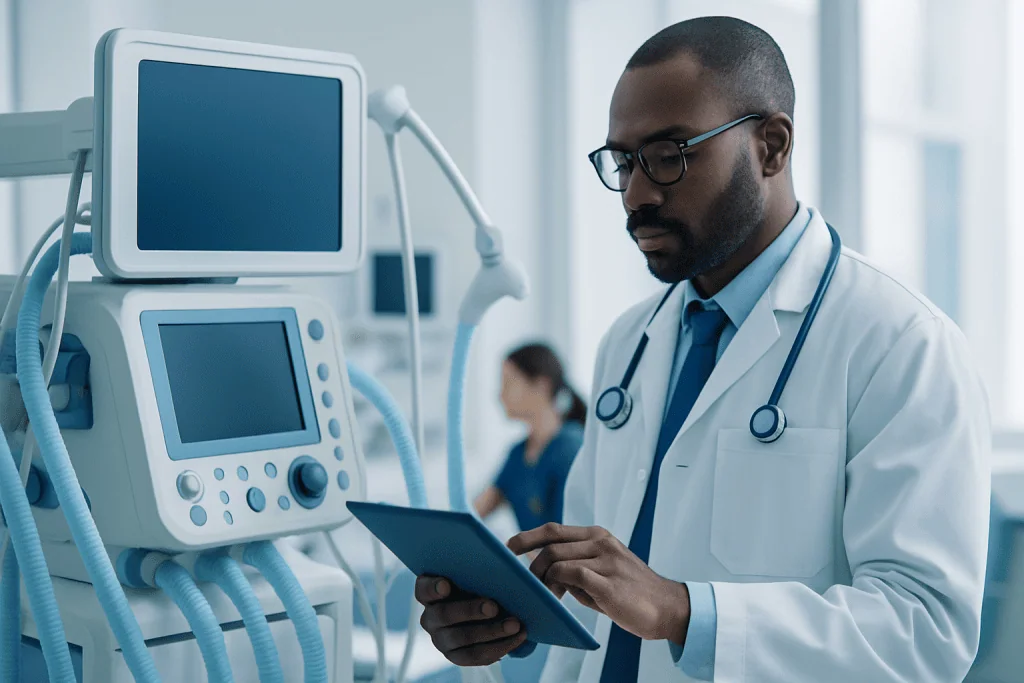
The work of an epidemiologist is broader than outbreak headlines suggest. A central task is surveillance, which means collecting and analyzing health data over time. By reviewing laboratory reports, hospital records, death certificates, screening results, and population surveys, epidemiologists can identify unusual trends early and monitor whether prevention programs are working.
Another major role is research. Epidemiologists design studies to test questions such as whether a risk factor increases disease, whether a vaccine reduces infection, or whether a treatment improves outcomes in real-world settings. They use methods that help reduce bias and improve accuracy, allowing health systems to make better decisions.
They also translate findings into action. For example, an epidemiologist may advise hospital teams on infection prevention, support screening pathways for cancer, or evaluate how to reduce complications in high-risk groups. In healthcare settings, this can complement services such as check-up and screening and diagnostic imaging by helping determine which tests, populations, or intervals are most appropriate from a public health perspective.
- Tracking disease rates and health trends
- Investigating outbreaks or clusters of illness
- Studying causes and risk factors
- Evaluating vaccines, screening, and prevention programs
- Advising hospitals, governments, and communities
- Communicating evidence clearly to professionals and the public
How epidemiologists use evidence, not myths

A common misunderstanding is that epidemiologists make decisions based on isolated cases or social media claims. In reality, epidemiology relies on structured methods. Specialists compare groups, measure outcomes, account for chance, and look for confounding factors that could distort results. This process helps separate a true association from coincidence.
For example, if a community reports more respiratory symptoms after a local event, an epidemiologist would not assume a cause immediately. They would define the problem carefully, confirm diagnoses, compare exposed and unexposed groups, review timing, and assess alternative explanations. This methodical approach is essential in both infectious disease events and noninfectious health concerns.
Epidemiologists also examine the quality of evidence. Large, well-designed studies usually carry more weight than anecdotal reports. Findings are interpreted in context, including population differences, limits of data collection, and whether results can be repeated in other settings. This disciplined approach is one reason epidemiology is central to evidence-based medicine.
Training, skills, and where they work
Most epidemiologists have advanced training in public health, epidemiology, medicine, statistics, or a related life science. Many complete a Master of Public Health, a doctoral degree, or medical specialty training with research experience. Depending on the role, they may focus on infectious diseases, chronic disease, environmental health, occupational medicine, maternal and child health, or hospital epidemiology.
The profession combines scientific and practical skills. Epidemiologists need strong abilities in data analysis, study design, critical appraisal of evidence, and communication. They often work with clinicians, microbiologists, biostatisticians, policymakers, and laboratory teams. In hospital settings, they may collaborate closely with infection prevention experts and specialists in infectious diseases treatment.
Workplaces vary widely. Some epidemiologists are based in local or national public health agencies, where they monitor community health and lead outbreak responses. Others work in universities, cancer registries, pharmaceutical research, nongovernmental organizations, or international health bodies. In hospitals, they may focus on healthcare-associated infections, antimicrobial stewardship, and patient safety systems.
Why epidemiologists matter to everyday patients
Many people never meet an epidemiologist directly, yet their work influences everyday healthcare. Recommendations for vaccines, screening tests, travel precautions, food handling, and infection control are often built on epidemiologic evidence. When a hospital adjusts hand hygiene policies, when a health authority recommends a screening age range, or when safer environmental standards are introduced, epidemiologists are often part of the reason.
Their work is also important for fairness in healthcare. By studying populations, epidemiologists can identify groups facing higher risks because of age, underlying illness, occupation, living conditions, or unequal access to care. This can help health systems target prevention earlier and reduce avoidable harm.
In modern medicine, epidemiology also supports precision in resource use. Evidence can help avoid unnecessary testing while promoting timely evaluation for those who are more likely to benefit. This population-based perspective works alongside clinical care, not in place of it. When symptoms require direct assessment, patients may still need examinations, laboratory tests, or health checkup services arranged by their doctor.
Limits of epidemiology and common misconceptions
Epidemiology is powerful, but it does not answer every question instantly. During emerging outbreaks or new health concerns, early information may be incomplete. Recommendations can change as better evidence becomes available. This is not a sign that the science has failed; it reflects the normal process of updating conclusions when data improve.
Another misconception is that epidemiologists predict the future with certainty. They do not. Instead, they estimate risk and model possible outcomes based on current evidence and assumptions. These models are tools for planning, not guarantees. Their accuracy depends on data quality, population behavior, and how conditions change over time.
It is also important to understand that epidemiologists usually do not replace frontline clinicians. They help explain trends in groups, while doctors and other healthcare professionals diagnose and treat the individual. When a person has persistent symptoms, new concerning changes, or known exposure to illness, direct medical evaluation is still the right next step.
When to seek medical care
An epidemiologist studies disease patterns, but they are generally not the professional a patient sees first for diagnosis or treatment. Medical care should be sought when symptoms are severe, persistent, worsening, or unusual for the person. Examples include trouble breathing, chest pain, high fever, dehydration, confusion, sudden weakness, or signs of a serious infection.
People should also contact a qualified clinician if they have been exposed to a contagious disease, recently traveled to an area with an active outbreak, or belong to a higher-risk group such as older adults, pregnant people, young children, or those with weakened immune systems. A doctor can assess symptoms, recommend testing if needed, and advise on treatment or isolation measures.
Near the end of the care pathway, public health evidence still plays a role. Hospitals and health systems use epidemiologic methods to improve safety, reduce infection spread, and refine screening and prevention pathways. Acibadem International’s multidisciplinary specialists and JCI-accredited hospitals diagnose and treat a wide range of conditions for international patients, while applying evidence-based standards in prevention, diagnostics, and clinical care.
Frequently asked questions
What is the difference between an epidemiologist and a doctor?
A doctor usually focuses on diagnosing and treating an individual patient. An epidemiologist studies patterns of disease in groups of people to understand causes, risks, and prevention. Their work supports healthcare decisions at the population level.
Do epidemiologists only work on infectious diseases?
No. Although they are well known for outbreak investigations, epidemiologists also study chronic diseases, cancer, heart disease, diabetes, injuries, environmental exposures, and many other health issues. Epidemiology is used across much of medicine and public health.
Can a patient make an appointment with an epidemiologist?
Usually, patients do not see an epidemiologist for routine diagnosis or treatment. Most direct care is provided by primary care doctors or specialists. However, epidemiologists may work behind the scenes in hospitals, research centers, and health authorities to improve patient safety and prevention.
How do epidemiologists know if something really causes disease?
They use carefully designed studies, statistical analysis, and comparison between groups to evaluate whether an exposure is linked to an outcome. They also consider alternative explanations such as bias, chance, and confounding. Strong conclusions usually require more than one study and consistent evidence.
Why do public health recommendations sometimes change?
Recommendations may change when new, better-quality evidence becomes available. This is a normal part of science and helps ensure advice stays accurate and relevant. Updating guidance does not mean earlier efforts were pointless; it means knowledge has improved.
What skills are important for an epidemiologist?
Important skills include data analysis, critical thinking, study design, understanding of statistics, and clear communication. Epidemiologists also need to work well with clinicians, laboratories, and public health teams. Their role often involves translating complex evidence into practical recommendations.
This article is for general information only and is not a substitute for professional medical advice. Please consult a qualified doctor about your individual situation.
Explore treatments in Turkey — costs, top hospitals & a free quote
JCI-accredited · board-certified surgeons · reply within 24h
Add us as a Preferred Source to see more of our trusted health content across Google Search, AI Overviews and Discover.

More from the Health Library
Estimated Average Glucose: An Evidence-Based Guide for Patients

Anxiety Management — Explained by Medical Evidence, Not Myths
Blood Drawn: What Patients Need to Know

Substitute for Vanilla Abstract: What Patients Need to Know

Snacking — Explained by Medical Evidence, Not Myths