Epidermolysis Bullosa: An Evidence-Based Guide for Patients
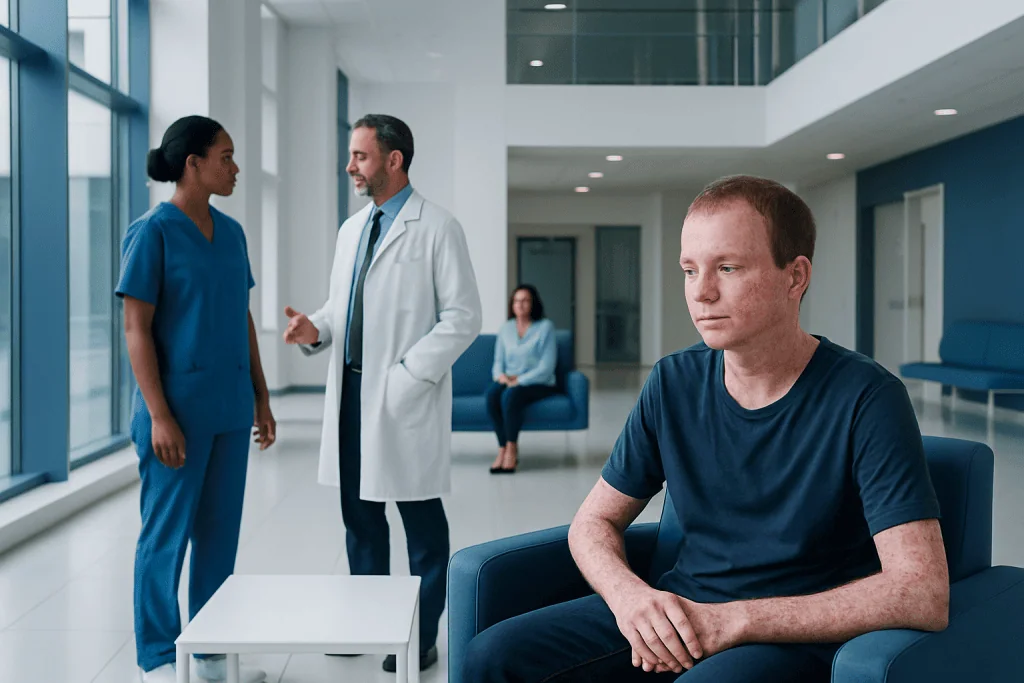
Epidermolysis bullosa causes skin blistering and wounds from minor rubbing, pressure, or trauma. Most forms are inherited and result from changes in proteins that help hold the skin together.
Key Takeaways
- Epidermolysis bullosa causes skin blistering and wounds from minor rubbing, pressure, or trauma.
- Most forms are inherited and result from changes in proteins that help hold the skin together.
- Care usually focuses on preventing injury, treating wounds, controlling pain, and supporting nutrition.
- Some people need a team that may include dermatology, pediatrics, nutrition, gastroenterology, dentistry, and surgery specialists.
- Prompt medical review is important for signs of infection, dehydration, feeding difficulty, or trouble swallowing.
Epidermolysis bullosa is a group of rare disorders that make the skin and sometimes the mouth, esophagus, or other tissues unusually fragile. With the right diagnosis, wound care, pain control, nutrition support, and protection from friction, many people can manage symptoms and reduce complications.
Overview: what epidermolysis bullosa means
Epidermolysis bullosa is a group of uncommon conditions in which the skin is extremely fragile and blisters easily. In many people, blisters appear after gentle rubbing, pressure from clothing or shoes, heat, or minor bumps that might not affect other people at all. Depending on the type, the condition can also affect the mouth, throat, esophagus, eyes, nails, scalp, and other body surfaces.
The condition is usually inherited, meaning it is linked to gene changes passed through families, although some rare forms are acquired later in life. These gene changes affect proteins that normally anchor layers of the skin together. When those proteins do not work properly, the skin can separate more easily, leading to blisters, raw areas, and slow-healing wounds.
Epidermolysis bullosa is not one single disease. It includes several main types, such as simplex, junctional, dystrophic, and Kindler syndrome, with severity ranging from mild localized blistering to more widespread disease. Because symptoms can vary a great deal from person to person, careful diagnosis and individualized care are important.
How it affects the body and everyday life
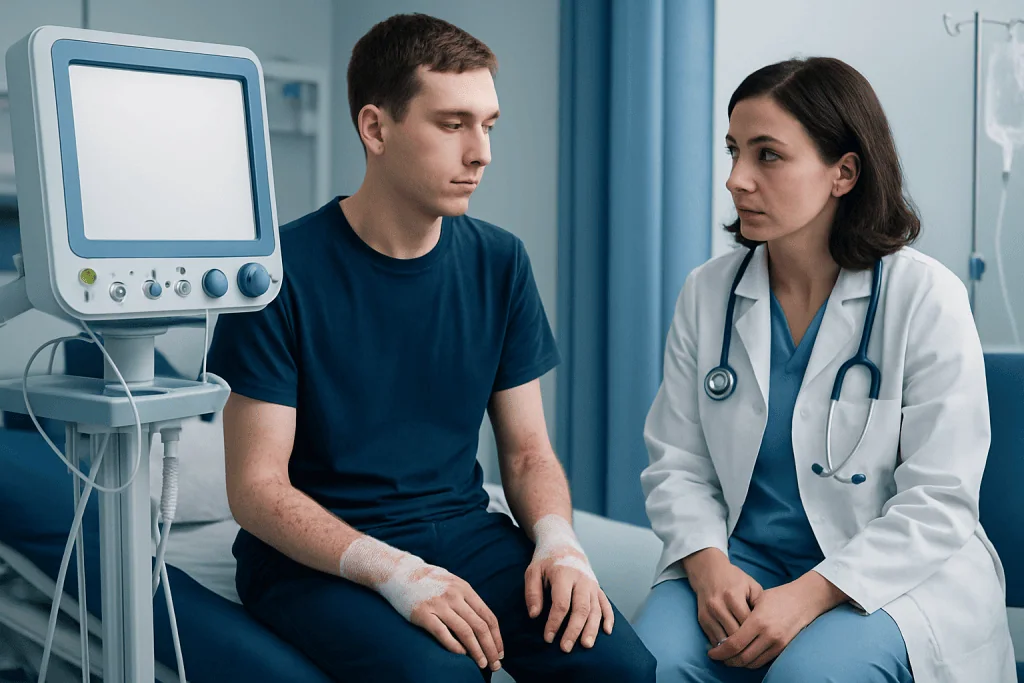
Although the most visible signs involve the skin, epidermolysis bullosa can affect much more than the skin surface. Repeated blistering may cause pain, scarring, thickened skin, nail changes, and limits on walking or using the hands. In some forms, internal lining tissues can also blister, especially in the mouth and digestive tract.
Children and adults with epidermolysis bullosa may need daily dressing changes, careful bathing routines, and practical steps to reduce friction at home, school, or work. Warm weather, sweating, tight clothing, and prolonged movement can all make symptoms worse. These routines can be time-consuming, but they are a key part of preserving skin integrity and comfort.
Long-term disease may influence sleep, mobility, appetite, growth, and emotional well-being. Families often need support with feeding, pain management, and adapting the home environment. A coordinated plan can help reduce disruption and improve quality of life over time.
Symptoms and possible complications

The most common symptom of epidermolysis bullosa is blistering of the skin after minor trauma or friction. Some people develop blisters mainly on the hands and feet, while others have more widespread involvement. The skin may look red, raw, or fragile, and wounds may reopen repeatedly in the same areas.
Symptoms can differ by subtype and severity. In addition to skin blistering, people may experience:
- Pain or tenderness of the skin
- Open sores that heal slowly
- Scarring or milia, which are tiny white cyst-like bumps
- Nail loss, thickened nails, or no nail growth
- Hair thinning or patchy hair loss on scarred areas
- Blisters inside the mouth
- Difficulty swallowing if the esophagus is affected
- Dental problems, especially if oral tissues are fragile
- Eye irritation or corneal injury in some cases
Complications depend on the type of epidermolysis bullosa and how extensive it is. They can include skin infection, dehydration, anemia, poor growth in children, constipation, joint tightening from scarring, and nutritional deficiency. In more severe forms, repeated scarring may narrow the esophagus and make eating difficult, and long-standing wounds may need close monitoring by specialists.
Causes, inheritance, and risk factors
Most epidermolysis bullosa is caused by inherited changes in genes responsible for proteins that provide strength and attachment within the skin. Different genes are involved in different types of epidermolysis bullosa. For example, the affected protein may normally help bind the outer skin layer to deeper tissues or support structural stability inside skin cells.
Inheritance patterns vary. Some forms are autosomal dominant, which means a child can develop the condition if one parent carries the altered gene. Other forms are autosomal recessive, which means both parents may carry a gene change without having symptoms themselves. Family history can increase the likelihood, but a person may still be the first in the family to receive a diagnosis because of a new genetic change.
There is also a separate condition called epidermolysis bullosa acquisita, which is not inherited and is linked to an autoimmune process. Risk factors for day-to-day blistering in any form include friction, pressure, heat, sweating, rough seams, adhesive trauma, and poorly fitting footwear. Understanding these triggers is an important part of prevention and self-care.
How doctors diagnose epidermolysis bullosa
Doctors often suspect epidermolysis bullosa from the pattern of blistering, the age at which symptoms begin, and any family history. A skin examination can show whether blisters occur in high-friction areas, whether wounds scar, and whether nails, teeth, or mucous membranes are affected. Because several conditions can cause blistering, diagnosis usually needs more than a visual exam alone.
Tests may include a skin biopsy to study where the skin layers separate and which structural proteins are missing or reduced. Specialized laboratory techniques help classify the specific subtype. Genetic testing can confirm the diagnosis, identify the exact gene involved, and support family counseling or future pregnancy planning if desired.
Doctors may also assess for complications, especially in moderate to severe disease. This may involve blood tests for anemia or nutrition, growth checks in children, and evaluation for swallowing problems, eye symptoms, or infection. When symptoms suggest digestive involvement, tests related to gastroenterology assessment and care may help guide treatment.
Treatment options and multidisciplinary care
There is no single cure that fits every form of epidermolysis bullosa, so treatment focuses on protecting the skin, supporting healing, relieving pain, and preventing complications. Gentle wound care is central. This usually includes non-stick dressings, careful drainage of large blisters when advised by a clinician, infection prevention, and avoiding adhesives or materials that damage the skin further.
Medicines may be used to manage pain, itching, inflammation, or infection when these problems arise. Nutrition support is also very important, especially for children or for anyone with mouth sores or swallowing difficulty. Soft, high-calorie foods, hydration strategies, and treatment of constipation may be part of care. If swallowing becomes difficult because of narrowing or scarring, endoscopy may be used for assessment and, in selected cases, treatment.
Some patients need support from several specialties, such as dermatology, pediatrics, nutrition, dentistry, ophthalmology, rehabilitation, or surgery. Hand deformities, severe scarring, or chronic wounds may require specialist procedures. Skin blistering may overlap with or need distinction from other skin diseases and, in some patients, separate digestive issues such as gastrointestinal diseases can affect feeding and comfort. Near the end of the care pathway, international patients may also seek evaluation at centers such as Acibadem International, where multidisciplinary specialists in JCI-accredited hospitals diagnose and treat complex conditions including epidermolysis bullosa.
Prevention and self-care strategies
Because epidermolysis bullosa skin is easily injured, prevention centers on reducing friction, pressure, and heat. Clothing is usually more comfortable when it is soft, loose, and free of rough seams. Shoes should fit well and avoid rubbing. In infants and young children, careful handling, padded surfaces, and gentle lifting techniques can lower the risk of new blisters.
Daily skin care often includes short, gentle bathing; emollients if recommended; and regular dressing changes using products selected by the clinical team. Families are usually taught how to recognize early signs of infection, how to protect the skin during movement, and when a blister or wound needs review. Keeping nails trimmed and the environment cool may also help reduce scratching and trauma.
Good nutrition supports wound healing. Some people benefit from dietitian guidance, especially when eating is painful or calorie needs are high because the body is constantly repairing skin. Emotional support matters too. Chronic visible skin disease can affect confidence, school participation, relationships, and family stress, so psychological support and patient organizations can be valuable parts of long-term care.
When to seek medical care
Medical care should be sought promptly if a person with epidermolysis bullosa develops spreading redness, warmth, pus, fever, worsening pain, or a bad smell from wounds, as these can suggest infection. Urgent review is also important if there are signs of dehydration, such as reduced urine, unusual sleepiness, or poor oral intake, especially in babies and young children.
A doctor should also assess difficulty swallowing, choking, weight loss, constipation that does not improve, worsening eye pain, or a sudden increase in blistering. New hand tightening, mobility problems, or wounds that do not heal as expected deserve specialist attention. Regular follow-up helps detect complications early and allows treatment plans to be adjusted as needs change.
Anyone who thinks they or their child may have epidermolysis bullosa should consult a qualified doctor rather than trying to self-diagnose. Early referral to clinicians familiar with fragile skin disorders can improve wound care education, symptom control, and long-term planning.
Frequently asked questions
Is epidermolysis bullosa contagious?
No. Epidermolysis bullosa is not contagious and cannot be passed from person to person through touch, air, or shared objects. Most forms are inherited, and a rare acquired form is related to the immune system rather than infection.
Can epidermolysis bullosa be cured?
At present, treatment usually focuses on symptom control, wound care, and prevention of complications rather than a universal cure. Research into newer therapies is ongoing, but management still depends on the type and severity of the condition.
Do all people with epidermolysis bullosa have severe disease?
No. Severity varies widely. Some people have mild blistering limited mainly to the hands and feet, while others have more extensive skin and internal tissue involvement that needs complex long-term care.
How is epidermolysis bullosa inherited?
Inheritance depends on the subtype. Some forms are dominant, meaning one altered gene from one parent can cause disease, while others are recessive and require altered genes from both parents. Genetic counseling can help families understand individual risk.
What kind of doctor treats epidermolysis bullosa?
Dermatologists often lead care, but many patients also need a broader team. Depending on symptoms, this may include pediatricians, gastroenterologists, dietitians, dentists, ophthalmologists, pain specialists, surgeons, and rehabilitation professionals.
Can adults be diagnosed with epidermolysis bullosa?
Yes. Although many inherited forms appear in infancy or childhood, milder cases may be recognized later. In addition, epidermolysis bullosa acquisita can develop in adulthood and is diagnosed differently from inherited forms.
References
- National Institute of Arthritis and Musculoskeletal and Skin Diseases
- National Organization for Rare Disorders
- American Academy of Dermatology
- National Institutes of Health
- DermNet
This article is for general information only and is not a substitute for professional medical advice. Please consult a qualified doctor about your individual situation.
Explore treatments in Turkey — costs, top hospitals & a free quote
JCI-accredited · board-certified surgeons · reply within 24h
Add us as a Preferred Source to see more of our trusted health content across Google Search, AI Overviews and Discover.

More from the Health Library

Less age: Symptoms, Causes, and Treatment — Complete Patient Guide

And Niacinamide: What Patients Need to Know

Borborygmi: What Patients Need to Know

Testicles: A Complete Medical Overview

Chancroid: What Patients Need to Know