Epstein Barr Treatment: How It Works, Results and What to Expect

There is no routine curative antiviral treatment for uncomplicated EBV infection; care usually focuses on symptoms and recovery. Fatigue can persist after sore throat and fever improve, so a gradual return to normal activity is important.
Key Takeaways
- There is no routine curative antiviral treatment for uncomplicated EBV infection; care usually focuses on symptoms and recovery.
- Fatigue can persist after sore throat and fever improve, so a gradual return to normal activity is important.
- People with an enlarged spleen should avoid contact sports and activities with a risk of abdominal injury until cleared by a clinician.
- EBV remains dormant in the body after infection, but most people do not develop recurrent illness from it.
- Urgent assessment is needed for breathing or swallowing difficulty, severe abdominal pain, dehydration, confusion or jaundice.
Epstein Barr treatment is mainly supportive: rest, hydration, nutrition and appropriate relief of fever or pain while the immune system controls the infection. Most Epstein-Barr virus (EBV) infections improve without a specific antiviral medicine, although medical review is important for severe symptoms, complications or prolonged illness.
Epstein Barr treatment: how it works
Epstein Barr treatment supports the body while the immune system controls the virus. For most people, EBV causes either no symptoms or a self-limited illness called infectious mononucleosis, often known as mono. There is no standard medicine that eliminates EBV from the body, and antibiotics do not treat viral infections.
Care commonly includes adequate sleep, fluids, regular nourishing meals and medicines recommended by a clinician to reduce fever, throat pain or body aches. A healthcare professional can advise which options are suitable based on age, medical history and other medicines. Aspirin should not be given to children or teenagers with viral illnesses unless specifically directed by a doctor because of the risk of Reye syndrome.
Antiviral medicines are not routinely used for uncomplicated mono because they have not been shown to meaningfully shorten the usual illness. Corticosteroids may be considered in selected serious situations, such as substantial airway swelling or certain blood-related complications, but they are not a routine treatment for ordinary sore throat and fatigue.
EBV can occasionally be linked with more complex conditions, particularly in people with reduced immune function. In these circumstances, treatment is tailored to the specific complication and may involve infectious disease, hematology, liver, ear, nose and throat, or other specialists.
Who may need medical assessment or specialist care?
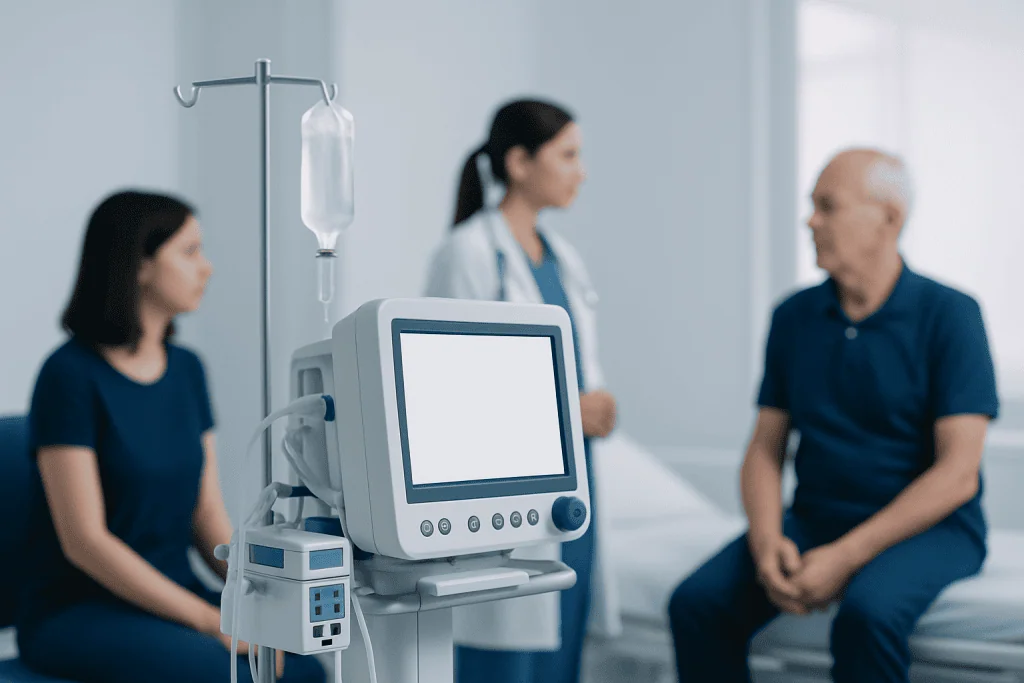
Anyone with a severe sore throat, swollen neck glands, fever and marked tiredness may benefit from assessment, especially if symptoms do not begin to improve or interfere with drinking, eating or daily functioning. A clinician can help distinguish EBV from conditions with similar symptoms, including strep throat, influenza, COVID-19, cytomegalovirus and acute HIV infection.
People who are pregnant, immunocompromised, taking immune-suppressing medicines, living with significant liver disease, or experiencing repeated or unusual symptoms should seek individualized medical advice. Children and older adults may also present differently from teenagers and young adults, in whom mono is more common.
Specialist input may be appropriate if blood counts are significantly abnormal, liver inflammation is pronounced, the spleen is enlarged, symptoms last longer than expected, or there is concern for a rare EBV-associated complication. Assessment is directed by the person’s symptoms and examination rather than by a positive EBV antibody result alone.
What happens during diagnosis and treatment planning?

There is no procedure that removes EBV. Instead, the clinical process begins with a medical history and physical examination. A clinician may look for throat inflammation, enlarged lymph nodes, rash, liver or spleen enlargement, and signs of dehydration or breathing difficulty.
Blood testing may include a complete blood count, liver function tests and tests for EBV antibodies. A rapid heterophile antibody test, sometimes called a monospot test, can be useful in some patients but may be negative early in the illness or less reliable in young children. More specific EBV antibody testing can help clarify whether infection is recent, past or unlikely.
If strep throat is possible, a throat swab may be performed because bacterial strep infection requires different treatment. Imaging is not usually needed for uncomplicated mono. It may be used when a clinician suspects a complication, such as a spleen injury, significant abdominal symptoms or another diagnosis.
Once the diagnosis is considered likely, the care plan focuses on symptom control, hydration, activity guidance and follow-up. The clinician may advise avoiding alcohol while liver tests are abnormal or while there are symptoms of hepatitis, and may review all medicines or supplements that could affect the liver.
Recovery timeline, benefits and possible risks
Fever and severe throat symptoms often settle over days to a few weeks, but tiredness can continue longer. Recovery varies considerably: some people feel well within several weeks, while others need a more gradual return to work, school, exercise and social commitments. Pacing activity rather than pushing through severe fatigue can help make recovery more manageable.
The main benefit of supportive Epstein Barr treatment is comfort, hydration and early recognition of complications while the infection resolves naturally. Rest and symptom relief do not eradicate dormant EBV, but they help the person recover safely from the active illness.
One important precaution concerns the spleen. EBV-related mono can enlarge this organ, making it more vulnerable to injury. Contact sports, heavy lifting and activities that could involve a blow to the abdomen should be avoided until a clinician confirms that returning is appropriate. The timing is individualized because symptoms alone cannot reliably show whether the spleen has returned to normal.
Possible risks are generally related to the illness or to unsuitable treatments rather than to supportive care itself. Dehydration, inadequate nutrition, unnecessary antibiotics, overexertion and an early return to contact sport can complicate recovery. A rash can occur if certain antibiotics, including amoxicillin or ampicillin, are taken during EBV infection; this does not automatically mean a person has a permanent penicillin allergy, but it should be discussed with a clinician.
What triggers Epstein-Barr flare-ups?
After the initial infection, EBV remains inactive, or latent, in certain cells in the body. The term “flare-up” is commonly used online, but recurrent symptoms such as fatigue, sore throat or swollen glands do not always mean EBV has reactivated. These symptoms are common and can have many other causes, including poor sleep, stress, anemia, thyroid disease, other infections or mental health concerns.
EBV can intermittently reactivate and shed in saliva without causing symptoms, particularly when immune regulation changes. Significant immune suppression, such as after transplantation or during particular medical treatments, can increase the importance of EBV monitoring and require specialist guidance. Everyday stress or exercise is not proven to cause a clinically meaningful EBV relapse in otherwise healthy people.
If someone develops persistent or repeated symptoms, a doctor can assess for alternative explanations rather than assuming EBV is responsible. Testing is interpreted carefully because antibodies may remain detectable for life after a previous EBV infection and do not, by themselves, prove that current symptoms are due to active disease.
What does an Epstein-Barr flare up feel like?
When people describe an EBV flare-up, they may report tiredness, a sore throat, low-grade fever, swollen neck glands, muscle aches or reduced concentration. However, these symptoms are non-specific and may occur with many conditions. In most healthy people, a true symptomatic recurrence of mono-like illness is uncommon.
New symptoms should be evaluated in their own context. For example, prolonged fatigue can be related to sleep disorders, iron deficiency, thyroid conditions, depression, post-viral symptoms or medication effects. A clinician may recommend targeted examination and blood tests rather than repeated EBV testing alone.
Symptoms that are severe, progressive or accompanied by weight loss, persistent high fever, night sweats, significant abdominal pain or unusual bruising should not be self-attributed to EBV. They warrant timely medical evaluation to identify the cause and provide appropriate care.
How long is a person contagious with EBV?
EBV spreads mainly through saliva, which is why it is sometimes called the “kissing disease.” It can also spread through shared drinks, utensils, toothbrushes or objects that have saliva on them. People are often most likely to spread the virus during the acute illness, but EBV may remain present in saliva for months afterward.
Because the virus can reactivate and be shed intermittently even after recovery, it is not possible to define one exact contagious period for every person. Practical precautions include avoiding kissing and not sharing cups, food utensils, toothbrushes or lip products while ill and for a period afterward, particularly around people who are vulnerable to infection.
Hand hygiene and cleaning visibly soiled shared items are sensible measures. Routine exclusion from work or school is not usually required once a person feels able to return and fever has resolved, but individual advice may differ depending on symptoms, occupation and local guidance.
What is the life expectancy of someone with Epstein-Barr virus?
For the vast majority of people, having Epstein-Barr virus does not shorten life expectancy. EBV infection is extremely common, and many people are infected in childhood or adolescence without knowing it. Most recover fully from the acute illness and live normally with the virus remaining dormant in the body.
Rarely, EBV can contribute to serious complications or be associated with certain cancers and lymphoproliferative disorders, particularly in people with substantial immune suppression or specific pre-existing risks. These uncommon situations are distinct from typical mono and require specialist assessment and treatment.
A positive EBV antibody test should therefore be understood in context. It often simply indicates a past infection, not an ongoing health threat. A doctor can explain what a test result means alongside the person’s symptoms, health history and other results.
When to seek medical care
Medical advice is recommended for a severe or persistent sore throat, high fever, pronounced fatigue, enlarged glands, rash, or symptoms that do not begin to improve. Evaluation is also advisable before resuming contact sports or strenuous activity if mono is suspected or confirmed.
Urgent medical care is needed for trouble breathing, inability to swallow saliva, severe dehydration, fainting, confusion, yellowing of the skin or eyes, or sudden severe pain in the upper left abdomen or left shoulder. These can indicate a complication that needs prompt assessment.
Acibadem International’s multidisciplinary specialists and JCI-accredited hospitals can assess EBV-related symptoms and complications for international patients. Individualized care should always be guided by a qualified clinician, particularly when symptoms are prolonged, severe or occurring in the setting of immune suppression.
Frequently asked questions
Is there a cure for Epstein-Barr virus?
There is no treatment that removes EBV from the body once infection has occurred. Most care focuses on relieving symptoms and allowing the immune system to control the active infection. The virus then usually remains dormant without causing further illness.
Do antibiotics treat Epstein-Barr virus?
No. Antibiotics work against bacteria, not viruses such as EBV. They may be used only if a separate bacterial infection, such as strep throat, is confirmed or strongly suspected by a clinician.
How long does fatigue last after mono?
Fatigue often improves gradually over several weeks, but some people feel tired for longer. Recovery is individual, and returning to activity step by step is usually more appropriate than trying to resume full exercise immediately. Persistent or worsening fatigue should be reviewed by a doctor.
Can EBV come back after recovery?
EBV remains latent in the body and can reactivate intermittently, often without symptoms. A repeat mono-like illness is uncommon in otherwise healthy people. Recurrent fatigue or sore throat may have another cause and deserves a medical assessment rather than assumptions about EBV.
Can someone exercise with Epstein-Barr virus?
Gentle activity may be reasonable once a person feels better, but strenuous exercise should be resumed gradually. Contact sports, heavy lifting and activities with a risk of abdominal impact should be avoided until a clinician advises that the spleen is no longer at risk.
Can EBV cause long-term complications?
Most people recover without long-term complications. Rare complications can involve the spleen, liver, blood cells or nervous system, and risks can be higher in people with weakened immune systems. New or severe symptoms should be evaluated promptly.
References
- Centers for Disease Control and Prevention
- National Health Service
- Merck Manual Consumer Version
- Mayo Clinic
- American Academy of Pediatrics
This article is for general information only and is not a substitute for professional medical advice. Please consult a qualified doctor about your individual situation.
Explore treatments in Turkey — costs, top hospitals & a free quote
JCI-accredited · board-certified surgeons · reply within 24h
Add us as a Preferred Source to see more of our trusted health content across Google Search, AI Overviews and Discover.