Esophageal Ablation: Procedure, Recovery and Results

Esophageal ablation is most often used for Barrett’s esophagus with dysplasia, a precancerous cell change. The procedure is performed through an endoscope and may use heat, freezing, or other targeted energy.
Key Takeaways
- Esophageal ablation is most often used for Barrett’s esophagus with dysplasia, a precancerous cell change.
- The procedure is performed through an endoscope and may use heat, freezing, or other targeted energy.
- Most people go home the same day and can usually resume light activities within 24 hours.
- Temporary chest discomfort, sore throat, and swallowing difficulty can occur during healing.
- Ablation can be highly effective, but ongoing acid control and surveillance endoscopy are still needed.
Esophageal ablation is an endoscopic treatment that destroys abnormal lining cells in the esophagus, most commonly cells related to Barrett’s esophagus. It is usually performed to reduce the chance that precancerous changes progress, with follow-up endoscopy remaining an important part of care.
Overview: What is esophageal ablation?
Esophageal ablation is a minimally invasive procedure that destroys selected abnormal cells in the inner lining of the esophagus, the tube that carries food from the mouth to the stomach. It is most commonly used when a person has Barrett’s esophagus with dysplasia, meaning precancerous changes have been found in the cells. By treating these changes before cancer develops, ablation can help lower future risk.
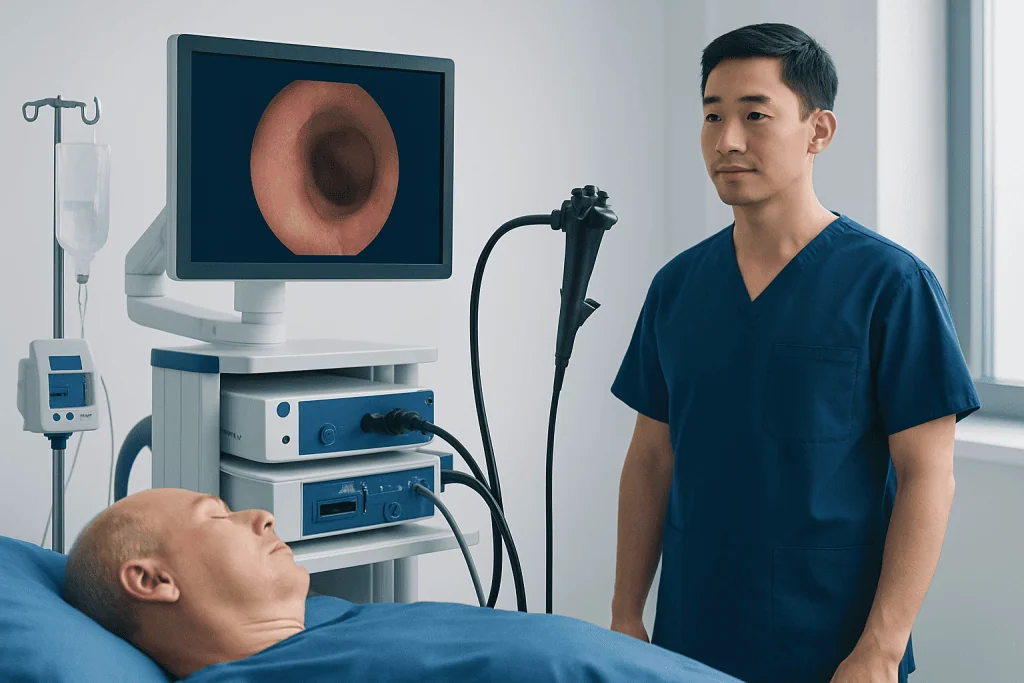
The esophageal ablation procedure is performed during an upper endoscopy. A gastroenterologist passes a thin, flexible camera through the mouth while the person is sedated, identifies the treatment area, and applies controlled energy or extreme cold to the abnormal tissue. The treated lining then sheds and is replaced as the esophagus heals.
Radiofrequency ablation is a commonly used technique, but doctors may also use cryotherapy or argon plasma coagulation in selected situations. The best approach depends on the location and extent of abnormal cells, previous treatments, anatomy, and the person’s overall health. Ablation is not the same as surgery; it does not usually require an incision.
Who may be a candidate for esophageal ablation?
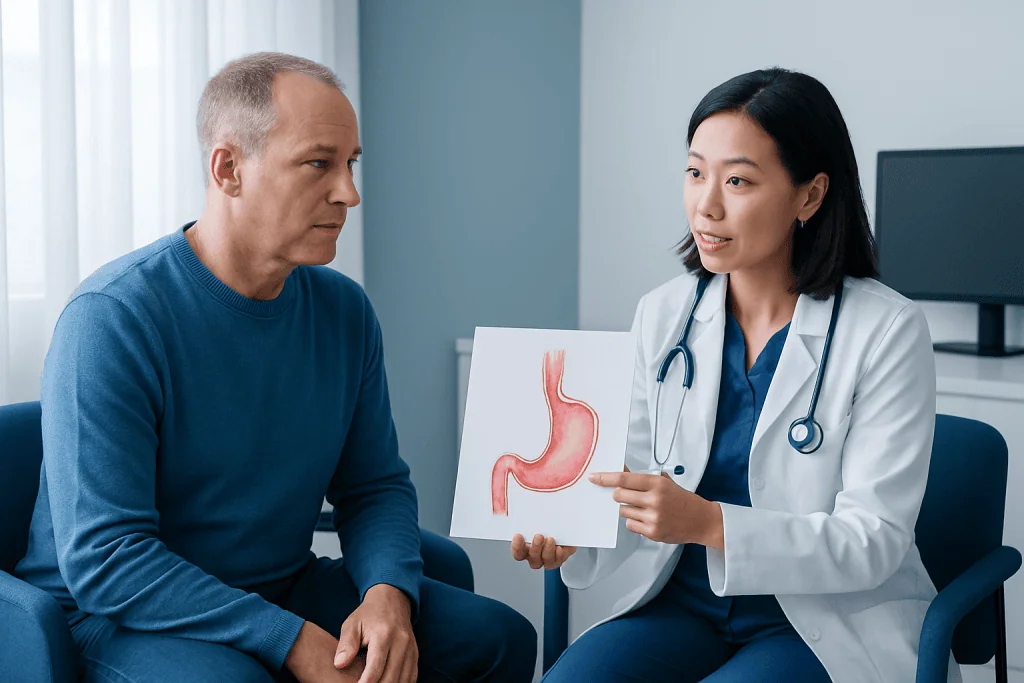
Doctors generally consider esophageal ablation for people with Barrett’s esophagus and confirmed dysplasia. Dysplasia may be low grade or high grade, and pathology results are often reviewed by an experienced gastrointestinal pathologist before treatment decisions are made. High-grade dysplasia or very early cancer may also require removal of visible abnormal areas before ablation is used on remaining Barrett’s tissue.
Barrett’s esophagus develops when long-term acid reflux changes the cells at the lower end of the esophagus. Many people with Barrett’s esophagus do not need ablation, particularly if biopsies show no dysplasia. Instead, their clinician may recommend acid-suppressing medication, reflux management, and periodic monitoring with endoscopy.
Before recommending treatment, the care team considers biopsy findings, the length of the Barrett’s segment, whether there are raised or nodular areas, bleeding risk, swallowing problems, and medical conditions that affect sedation. A careful evaluation may include repeat endoscopy, targeted biopsies, and review of related reflux symptoms. Barrett’s esophagus should be assessed and monitored by a qualified gastroenterology team.
How does the esophageal ablation procedure work?
On the day of treatment, the person is usually asked not to eat or drink for a period beforehand, following instructions from the clinical team. A review of medicines is important, especially blood thinners, diabetes medicines, and drugs that affect the stomach or esophagus. Sedation or anesthesia is provided so that the procedure is comfortable and the person does not need to remain fully awake.
The doctor first performs endoscopy to inspect the esophagus closely. If needed, a visible area can be sampled or removed using endoscopic techniques before the flat Barrett’s lining is treated. During radiofrequency ablation, a balloon or small device delivers carefully controlled heat to the targeted lining. Cryotherapy applies very cold gas or liquid to freeze abnormal cells. The technique is chosen to achieve treatment while protecting deeper tissue.
Many treatments are completed within an hour, although preparation and recovery from sedation add time to the visit. More than one session is often needed because the treated area must heal before the next assessment. Endoscopic therapy may be combined with treatment for reflux, such as proton pump inhibitor medication, to protect the healing esophageal lining.
For people needing individualized endoscopic management, esophageal ablation treatment may include planning for tissue removal, ablation, reflux control, and follow-up surveillance as appropriate.
Benefits, risks and expected results
The main potential benefit of esophageal ablation is removal of dysplastic Barrett’s tissue, which can reduce the likelihood of progression to esophageal adenocarcinoma. In many appropriately selected patients, follow-up biopsies show that dysplasia has been eliminated and the normal squamous lining has returned. The procedure is intended to prevent disease progression, rather than to treat ordinary heartburn alone.
It is important to interpret an esophageal ablation success rate in context. Results depend on the grade and extent of dysplasia, whether visible lesions were completely treated, control of acid reflux, the technique used, and whether all recommended sessions and surveillance visits are completed. Even after successful treatment, Barrett’s tissue or dysplasia can recur, so regular endoscopy remains necessary.
Most side effects are temporary and include sore throat, chest discomfort, pain when swallowing, nausea, or a feeling that food moves slowly through the chest. Less common risks include bleeding, narrowing of the esophagus called a stricture, a tear or perforation, infection, and complications related to sedation. A stricture can often be treated with endoscopic dilation if it occurs.
Patients should discuss their individual expected benefits and risks with the treating specialist. In some cases, treatment choices may include endoscopic removal of a lesion, ablation, surgery, or surveillance, depending on the diagnosis and stage of disease.
Recovery timeline and care after treatment
Esophageal ablation recovery is usually managed at home after a short observation period. Because sedative medicines can affect judgment and coordination, a responsible adult should take the patient home and stay available for the first night. Driving, alcohol, signing important documents, and strenuous activity should be avoided until the effects of sedation have fully passed, usually by the next day.
For the first few days, the clinician may recommend a liquid or soft-food diet, then gradual return to regular foods as swallowing becomes comfortable. Very hot drinks, alcohol, spicy foods, rough foods, and foods that are difficult to swallow may be discouraged during early healing. The care team may prescribe or recommend acid-reducing medication and medicines for pain, nausea, or coating the esophagus.
Esophageal after ablation care should follow the specific discharge plan, as recommendations vary by technique and the amount of tissue treated. Taking reflux medication as directed is particularly important because stomach acid can irritate the healing surface. Follow-up endoscopy is scheduled to assess healing, repeat treatment if needed, and collect biopsies for surveillance.
Acibadem International’s multidisciplinary specialists and JCI-accredited hospitals provide assessment and endoscopic treatment planning for international patients who need care for Barrett’s esophagus and related esophageal conditions.
How long does it take for the esophagus to heal after ablation?
Initial healing of the treated surface usually takes several weeks, although the exact esophageal ablation recovery time varies with the treatment method, size of the area treated, reflux control, and individual health. Swallowing discomfort is often most noticeable in the first several days and typically improves gradually. The esophageal lining may continue to remodel beyond the period when symptoms have settled.
A follow-up endoscopy is commonly arranged weeks to months later, depending on the treatment plan. This allows the doctor to see whether the tissue has healed, identify any narrowing, and determine whether additional ablation is needed. Several treatment sessions may be required before all targeted Barrett’s tissue is removed.
During recovery, people should contact their clinical team if swallowing becomes progressively more difficult rather than improving. They should also follow dietary and medication instructions carefully, since controlling reflux supports healing and long-term treatment success.
How long is bed rest after an ablation?
Bed rest is generally not required after esophageal ablation. Most patients rest at home for the remainder of the procedure day because of sedation and temporary discomfort, then return to gentle daily activity the following day if they feel well. A short walk and normal movement are usually acceptable unless the clinician gives different instructions.
Heavy lifting, vigorous exercise, and demanding work may need to wait for a day or longer, particularly if chest discomfort, fatigue, or swallowing pain is present. The most important restriction on the day of treatment is avoiding driving or operating machinery after sedation. People with physically demanding jobs should ask their treating team when it is appropriate to return.
Recovery plans can differ for those who have had additional procedures, such as endoscopic removal of a lesion, or who have other health conditions. Individual discharge instructions should always take priority over general guidance.
How painful is esophageal ablation? When to seek medical care
During esophageal ablation, sedation or anesthesia is used, so the person should not feel the treatment itself. Afterward, it is common to have mild to moderate chest discomfort, a sore throat, heartburn-like burning, or pain when swallowing for several days. The care team can advise on appropriate medicines and foods to make this period more manageable.
Medical care should be sought urgently for severe or worsening chest pain, trouble breathing, fever, vomiting blood, black stools, fainting, inability to swallow liquids, or signs of dehydration. These symptoms are uncommon, but they may indicate a complication that requires prompt evaluation. New or persistent difficulty swallowing after recovery should also be reported to the treating doctor.
People should arrange routine medical review for ongoing reflux symptoms, unexplained weight loss, persistent vomiting, food sticking in the chest, or difficulty swallowing. These symptoms do not necessarily mean a serious condition, but they deserve assessment, especially in someone with known Barrett’s esophagus.
Frequently asked questions
How successful is esophageal ablation?
Esophageal ablation is highly effective at eliminating dysplasia and Barrett’s lining in many appropriately selected patients, particularly when treatment is completed as planned. However, results vary by the type and extent of abnormal tissue and by control of acid reflux. Continued endoscopic surveillance is needed because abnormal cells can return.
Is esophageal ablation used for acid reflux?
Ablation does not treat reflux by itself. It treats abnormal esophageal lining, most often Barrett’s esophagus with dysplasia, that may develop after years of reflux. Reflux is usually managed at the same time with medication, lifestyle measures, and sometimes other interventions.
Will I need more than one esophageal ablation session?
Many people need more than one session, especially when a larger area of Barrett’s tissue is present. The doctor allows time for healing between treatments and reassesses the lining with endoscopy. The number of sessions depends on the individual findings and response to treatment.
Can I eat normally after esophageal ablation?
Most people begin with liquids or soft foods and advance their diet gradually according to their discharge instructions. This helps avoid irritation while swallowing is uncomfortable and the treated lining heals. Regular foods can often be resumed once swallowing is comfortable, but timing varies between patients.
What follow-up is needed after a successful ablation?
Follow-up endoscopy with biopsies is needed even when the abnormal tissue appears to be gone. These visits check for recurrent Barrett’s tissue, dysplasia, or treatment-related narrowing. The interval is based on the original diagnosis and the treating doctor’s recommendations.
Can Barrett’s esophagus return after ablation?
Yes, Barrett’s esophagus or dysplasia can recur after apparently successful treatment. Ongoing reflux, individual risk factors, and the original extent of disease may influence recurrence. Taking prescribed reflux medication and attending surveillance appointments are important parts of long-term care.
References
- American College of Gastroenterology
- American Society for Gastrointestinal Endoscopy
- National Institute of Diabetes and Digestive and Kidney Diseases
- National Cancer Institute
This article is for general information only and is not a substitute for professional medical advice. Please consult a qualified doctor about your individual situation.
Persistent digestive symptoms? Get evaluated in Turkey
JCI-accredited · board-certified surgeons · reply within 24h
Add us as a Preferred Source to see more of our trusted health content across Google Search, AI Overviews and Discover.