Esophagectomy Recovery Stories: An Evidence-Based Patient Guide

An esophagectomy removes part or all of the esophagus and reconstructs the food pathway, usually using the stomach. Recovery typically involves an initial hospital stay followed by weeks to months of nutrition, activity and symptom management at home.
Key Takeaways
- An esophagectomy removes part or all of the esophagus and reconstructs the food pathway, usually using the stomach.
- Recovery typically involves an initial hospital stay followed by weeks to months of nutrition, activity and symptom management at home.
- Pain and fatigue usually improve steadily, but swallowing, appetite and bowel habits may take longer to settle.
- After esophageal cancer surgery, outlook depends mainly on cancer stage, tumor biology, treatment response and overall health.
- New fever, worsening breathlessness, chest pain, persistent vomiting or inability to keep fluids down requires prompt medical advice.
Esophagectomy recovery stories commonly reflect a gradual process rather than a single milestone: hospital healing, relearning eating habits, rebuilding strength and attending regular follow-up. Individual recovery differs according to the reason for surgery, the operation performed, overall health and whether cancer treatments are also needed.
Esophagectomy Recovery Stories: What Recovery Is Really Like
Esophagectomy recovery stories can be helpful when they show the real pattern of healing: recovery is usually gradual, with good days and more difficult days. Many people first focus on pain relief, breathing exercises and walking in hospital. After discharge, attention often shifts to small frequent meals, hydration, sleep, energy levels and adapting to a changed digestive system.
An esophagectomy is major surgery most often used to treat cancer of the esophagus, and sometimes selected noncancerous conditions. It removes a diseased portion of the esophagus, the muscular tube that carries food from the mouth to the stomach. The surgical team then creates a new route for food, most commonly by reshaping and moving the stomach upward to connect with the remaining esophagus.
Personal stories should be interpreted carefully. They can offer practical perspectives and emotional reassurance, but they cannot predict an individual outcome. The surgical approach, cancer stage when relevant, nutritional status, lung and heart health, and the need for chemotherapy or radiotherapy all influence the recovery experience.
How Esophagectomy Works and Who May Be a Candidate
During an esophagectomy, the surgeon removes part or all of the esophagus and nearby lymph nodes when cancer is being treated. In many procedures, the stomach is formed into a narrow tube and brought into the chest or neck to reconnect to the remaining esophagus. Less commonly, a segment of intestine may be used for reconstruction.
Operations may be performed through open incisions, minimally invasive keyhole techniques, or robot-assisted techniques. The appropriate method depends on the location and extent of disease, previous treatments, anatomy and the experience of the surgical team. A minimally invasive approach may reduce incision-related discomfort for some people, but it remains a complex operation with important risks.
Candidacy is assessed by a multidisciplinary team. This evaluation commonly includes imaging, endoscopy and biopsy results, heart and lung testing, nutritional assessment, and review of a person’s ability to tolerate surgery. For esophageal cancer, surgery may be used alone in carefully selected early disease or combined with chemotherapy, radiotherapy, immunotherapy or other treatments depending on the clinical situation.
People being evaluated for surgery may also benefit from information about esophageal cancer and the role of esophageal cancer treatment within an individualized care plan.
What Happens Before, During and After the Procedure

Preparation often begins several weeks before surgery. The care team may recommend stopping smoking, optimizing blood sugar or heart and lung conditions, improving protein and calorie intake, and building activity within safe limits. This preparation, sometimes called prehabilitation, aims to support recovery and reduce preventable complications.
On the day of surgery, general anesthesia is used. The operation may take several hours, depending on its approach and the reconstruction required. The team removes the affected tissue, reconnects the digestive tract and places drains or tubes when needed. A feeding tube may be placed temporarily so that nutrition can be given while the new connection heals.
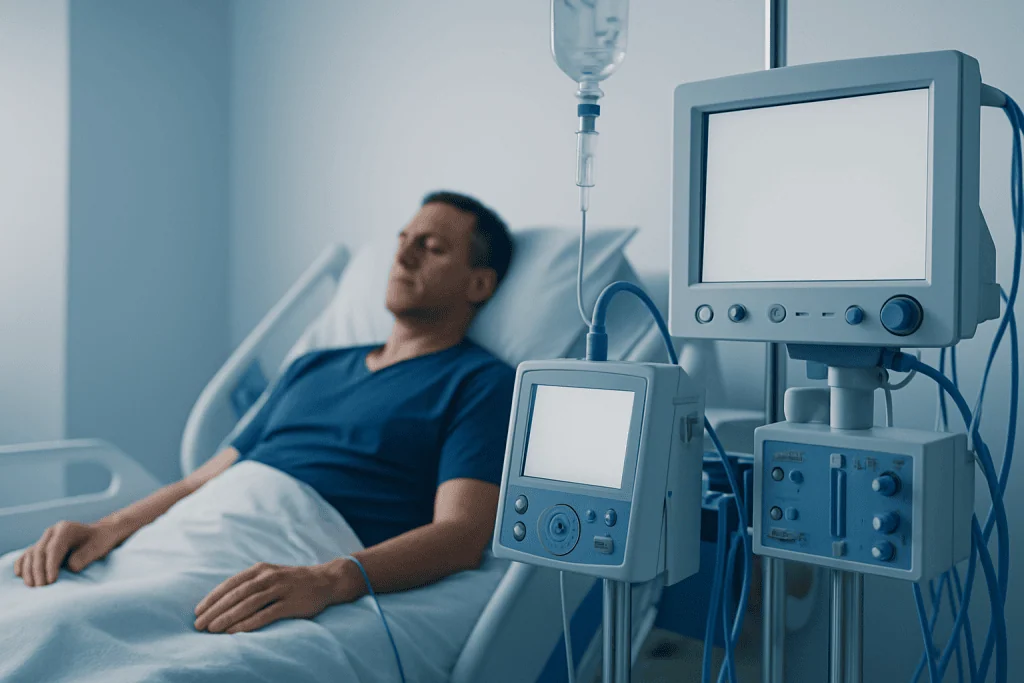
After surgery, close monitoring is provided in a high-dependency or intensive-care setting when appropriate. Care typically includes pain management, breathing exercises, early assisted movement, prevention of blood clots and careful fluid balance. Before regular drinking and eating resume, the team assesses healing and swallowing safety according to the hospital’s protocol.
Esophagectomy is commonly part of a broader care pathway. Related services may include chemotherapy, nutritional counseling, pulmonary rehabilitation and supportive care for symptoms or emotional wellbeing.
Recovery Timeline: From Hospital Healing to Daily Life
During the first days after esophagectomy, the priorities are protecting the surgical connection, managing pain, supporting breathing and gradually increasing movement. Patients are encouraged to use breathing devices or perform guided respiratory exercises, cough as instructed and sit or walk with help. These measures help lower the risk of chest complications and build confidence with activity.
Hospital recovery varies, particularly if complications occur or additional support is needed. Nutrition may initially be provided through a feeding tube or intravenously. Once the surgical team confirms that it is safe, fluids and foods are introduced in stages. Dietitians often recommend small meals, eating slowly, chewing carefully and separating fluids from meals if fullness or reflux is troublesome.
At home, tiredness is common and may last for several weeks or longer. Short, regular walks and gradual increases in activity are usually more manageable than trying to return quickly to previous routines. Heavy lifting, driving and work duties should only resume when cleared by the surgical team, as the timeline differs between individuals.
Over subsequent months, many people become more confident with eating and activity. Some long-term adjustments can remain, such as smaller meal portions, sleeping with the upper body raised to reduce reflux, and planning meals around work or travel. Regular follow-up is particularly important after cancer surgery, both to monitor recovery and to plan surveillance.
How Long Does Pain Last After an Esophagectomy?
Pain is usually most noticeable in the first days and weeks after an esophagectomy. It should gradually improve as incisions and internal tissues heal, although soreness, tightness, numbness around scars and fatigue can continue for several months. Open surgery may involve more chest or abdominal incision discomfort than minimally invasive surgery, but pain experiences vary widely.
Hospitals use a tailored pain-control plan that may include regional anesthesia techniques, non-opioid medicines and, when necessary, short-term stronger pain medicines. Good pain control is important because it helps a person breathe deeply, cough effectively, sleep and move safely. Medication changes should be managed by the care team rather than stopped abruptly without advice.
Persistent pain does not always mean that something is wrong, but worsening pain, sudden severe chest or abdominal pain, pain with fever, or pain accompanied by breathlessness should be assessed urgently. A clinician can also help with longer-lasting nerve-type pain, scar discomfort or pain that limits rehabilitation.
Can You Live a Normal Life After an Esophagectomy?
Many people return to meaningful, active lives after an esophagectomy, including work, travel, exercise and family activities. However, “normal” may involve new routines. The stomach is often smaller and positioned differently after reconstruction, so larger meals may feel uncomfortable and eating patterns frequently need to change.
Common long-term issues include early fullness, reflux, swallowing discomfort, unintentional weight loss, loose stools or dumping syndrome. Dumping syndrome can occur when food moves quickly into the intestine, causing symptoms such as cramping, sweating, dizziness or diarrhea after eating. Dietitians can provide individualized strategies, including smaller meals, adequate protein, slower eating and changes to food texture or timing.
Emotional recovery also matters. Concern about recurrence, altered body image, disrupted sleep and uncertainty around food are understandable after major surgery. Support from family, counseling, cancer support services and rehabilitation professionals can be valuable. Reporting symptoms early allows the team to investigate treatable issues such as narrowing at the surgical connection, reflux or nutritional deficiencies.
Benefits, Risks and the Most Common Cause of Death After Esophagectomy
For appropriately selected patients, esophagectomy may remove cancer that can be treated with curative intent, relieve obstruction caused by disease, or address a serious esophageal condition when other treatments are unsuitable. The potential benefit must always be balanced against the demands of major surgery and the person’s individual risks.
Recognized complications include leakage from the new surgical connection, bleeding, infection, pneumonia and other lung complications, abnormal heart rhythm, blood clots, narrowing of the connection, reflux, delayed stomach emptying and nutritional problems. The team works to reduce these risks through careful preoperative assessment, specialized anesthesia, postoperative monitoring, early movement and nutrition support.
When death occurs after esophagectomy, serious complications involving the lungs and infection are among the leading causes. Pneumonia and respiratory failure are particularly important because surgery affects the chest and can make deep breathing and clearing secretions harder early in recovery. A leak at the surgical connection can also lead to severe infection and requires rapid specialist treatment.
Individual risk cannot be estimated from general information alone. Age, frailty, pre-existing heart or lung disease, nutritional status, cancer treatment history and the extent of surgery all matter. A surgeon can explain the expected benefits and risks in the context of a person’s own test results and treatment goals.
What Is the Average Life Expectancy for Patients Who Have Had Esophageal Cancer Surgery?
There is no single average life expectancy that applies to everyone after esophageal cancer surgery. Outcomes depend most strongly on the cancer stage at diagnosis, whether all visible cancer can be removed, lymph node involvement, tumor type, response to treatment before surgery and a person’s general health. Surgery is often offered because it may provide the best chance of long-term control or cure in selected patients.
Follow-up appointments usually include discussion of symptoms, nutritional recovery and planned surveillance. The exact schedule varies according to cancer type, stage and treatment pathway. New or persistent swallowing difficulty, weight loss, pain, breathing symptoms or changes in overall health should be reported rather than waiting for the next routine visit.
It is reasonable to ask the oncology and surgical team about prognosis in clear terms, including the aim of treatment and what factors are most relevant in an individual case. They can interpret pathology results and imaging findings more accurately than general survival estimates found online.
At Acibadem International, multidisciplinary specialists in JCI-accredited hospitals assess esophageal conditions and coordinate surgery, oncology, nutrition and rehabilitation care for international patients.
When to Seek Medical Care
Contact the surgical team promptly after esophagectomy if there is increasing pain, fever, chills, redness or discharge from a wound, persistent nausea or vomiting, trouble swallowing, inability to take in fluids, worsening reflux, new diarrhea that does not settle, or unexpected weight loss. These symptoms may have treatable causes and are best assessed early.
Seek urgent medical care for severe or sudden chest pain, severe abdominal pain, new or worsening shortness of breath, coughing up blood, fainting, confusion, blue lips, black stools, or signs of dehydration such as very little urine and marked dizziness. Emergency symptoms should not be managed through routine online advice.
Regular contact with surgeons, oncologists, dietitians and primary care clinicians supports safe recovery. Keeping a brief record of food intake, weight, bowel changes, symptoms and activity can help the care team identify patterns and offer practical adjustments.
Frequently asked questions
How long does pain last after an esophagectomy?
Pain is often strongest during the first days to weeks and should gradually improve as healing progresses. Tenderness, tightness or altered sensation near scars can last longer, sometimes for months. Worsening pain or pain with fever, breathlessness or vomiting needs prompt medical assessment.
What is the average life expectancy for patients who have had esophageal cancer surgery?
There is no reliable single life-expectancy figure for everyone who has had surgery. Prognosis depends on the cancer stage, lymph node findings, tumor characteristics, response to treatment and overall health. The treating oncology and surgical teams can provide the most meaningful estimate after reviewing the individual pathology and imaging results.
Can you live a normal life after an esophagectomy?
Many people return to active and fulfilling daily lives after recovery, although they commonly need lasting adjustments to meals, reflux prevention and energy management. Smaller, more frequent meals and careful attention to nutrition are often helpful. Ongoing symptoms should be discussed with the care team because many can be treated or improved.
What is the most common cause of death after esophagectomy?
Serious respiratory complications, including pneumonia and respiratory failure, are among the most common causes of death after esophagectomy. Severe infection, including infection related to a leak at the surgical connection, is also a major concern. Specialized perioperative care, breathing exercises, early movement and close monitoring are important risk-reduction measures.
How long does it take to eat normally after an esophagectomy?
Eating is usually reintroduced in stages after the surgical team confirms that swallowing is safe. Most people need weeks to months to establish a comfortable new eating pattern, and some long-term changes are common. A dietitian can help manage early fullness, reflux, weight loss and dumping symptoms.
What should a person avoid after esophagectomy?
The care team may advise avoiding large meals, lying flat soon after eating, alcohol during early recovery, smoking and strenuous lifting until cleared. Foods that trigger reflux, fullness or dumping symptoms may also need to be limited. Recommendations should be individualized because recovery and nutritional needs differ.
References
- National Cancer Institute
- American Cancer Society
- Society of Thoracic Surgeons
- European Society for Medical Oncology
- National Health Service
This article is for general information only and is not a substitute for professional medical advice. Please consult a qualified doctor about your individual situation.
Oncology care in Turkey — second opinion and treatment plan
JCI-accredited · board-certified surgeons · reply within 24h
Add us as a Preferred Source to see more of our trusted health content across Google Search, AI Overviews and Discover.
Check your numbers in seconds
BMI, calories, due date, blood pressure and 30+ more clinical calculators — free, instant, doctor-reviewed ranges.