Essential Oils for Hair Growth: A Complete Medical Overview

Essential oils may support scalp health, but evidence for major hair regrowth is limited and varies by oil. Hair loss can result from genetics, hormones, stress, nutrition, illness, scalp inflammation, or medications.
Key Takeaways
- Essential oils may support scalp health, but evidence for major hair regrowth is limited and varies by oil.
- Hair loss can result from genetics, hormones, stress, nutrition, illness, scalp inflammation, or medications.
- Essential oils should always be diluted before scalp use because undiluted oils can irritate the skin.
- Persistent, sudden, patchy, or scarring hair loss should be assessed by a doctor rather than self-treated.
- Medical treatment depends on the cause and may include scalp care, lifestyle measures, and dermatologist-guided therapies.
Essential oils for hair growth may help support scalp comfort, reduce breakage, and improve the feel of the hair and scalp, but they are not a cure for all types of hair loss. The best approach is to understand the cause of shedding or thinning first, then use oils carefully as part of a broader hair and scalp care plan.
Overview: Do Essential Oils Help Hair Growth?
Essential oils for hair growth may offer mild support for scalp health, especially when hair thinning is linked to irritation, dryness, or hair breakage rather than permanent follicle damage. Some oils have been studied for their anti-inflammatory, antimicrobial, or circulation-supporting effects, but current evidence does not show that essential oils reliably reverse every type of hair loss.
In practical terms, essential oils are best viewed as supportive care rather than primary treatment. They may be used alongside gentle hair care, correction of nutritional deficiencies, treatment of scalp disease, and doctor-guided management of conditions such as alopecia or hormone-related thinning.
Because hair loss has many causes, the first step is not choosing an oil but identifying why the hair is shedding. A person with traction from tight hairstyles, for example, needs different care from someone with autoimmune patchy loss, postpartum shedding, thyroid disease, or scalp infection.
How Hair Growth Works and Why Hair Loss Happens
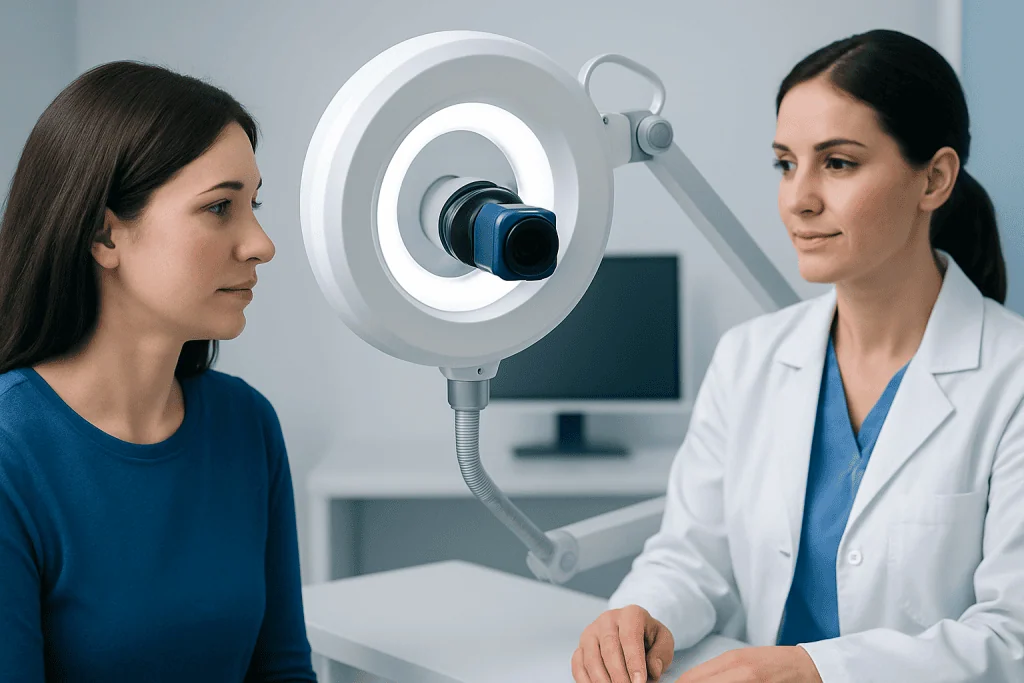
Hair grows from follicles that cycle through phases of active growth, transition, rest, and shedding. It is normal to lose some hairs daily as part of this cycle. Problems arise when more follicles shift into shedding, when inflammation damages the scalp, or when follicles become miniaturized over time.
Common causes of hair thinning include genetic pattern hair loss, recent physical or emotional stress, iron deficiency, thyroid disorders, childbirth, rapid weight loss, chronic illness, certain medications, and inflammatory scalp conditions. Breakage from heat styling, bleaching, and tight hairstyles can also make the hair appear thinner even if the follicles are still present.
This distinction matters because essential oils may help with scalp comfort and the hair shaft, but they cannot correct every medical cause. For example, a person with severe iron deficiency, fungal scalp disease, or scarring alopecia needs diagnosis and targeted treatment, not oils alone.
When hair loss is unexplained or persistent, evaluation may include review of health history, scalp examination, and sometimes tests to look for underlying contributors. Understanding the cause helps avoid delays in effective care.
Which Essential Oils Are Commonly Used

Several essential oils are commonly discussed for hair growth, though the quality of evidence differs. Rosemary oil has attracted the most attention in public discussion because it may support scalp circulation and has been studied in pattern hair loss. Peppermint oil is often used for its cooling sensation, while tea tree oil is more commonly included in scalp-care routines aimed at dandruff or excess oil rather than direct regrowth.
Lavender, cedarwood, thyme, and chamomile are also used in some blended products. Their proposed benefits include calming irritation, reducing scalp discomfort, and helping create a healthier scalp environment. However, patient-friendly guidance should remain realistic: feeling soothing on the scalp is not the same as proven hair regrowth.
Essential oils should never be applied directly to the scalp without dilution. They are highly concentrated plant extracts and can trigger redness, burning, itching, or allergic contact dermatitis. A carrier oil such as jojoba, coconut, or sweet almond oil is usually needed to dilute them before use, and a patch test on a small area of skin is a sensible safety step.
- Rosemary oil: often discussed for pattern thinning
- Tea tree oil: more often used for dandruff-prone scalps
- Peppermint oil: commonly used for scalp sensation and freshness
- Lavender or cedarwood: sometimes included in blended scalp oils
What the Medical Evidence Shows
The evidence for essential oils in hair growth is still limited. A few small studies suggest that some oils, especially rosemary oil, may have a supportive role in certain forms of thinning. However, studies are generally smaller and less standardized than those used to establish mainstream medical treatments.
That means essential oils should not be presented as a proven replacement for evidence-based therapies. People with progressive pattern hair loss, inflamed scalp disorders, or rapid shedding may need a structured treatment plan, which can include medical evaluation, topical therapy, blood tests, or other dermatologist-guided care. In some cases, evaluation for hair loss is more useful than trying multiple home remedies.
Another limitation is product variability. Essential oil quality, concentration, storage, and formulation differ widely between brands. A person may also react to fragrance components or preservatives in blended products, making tolerance as important as theory.
Overall, the most balanced medical view is that essential oils may complement scalp care for selected people, but they should not delay diagnosis when hair loss is significant, scarring, patchy, painful, or associated with other symptoms such as fatigue, weight change, or menstrual irregularity.
How to Use Essential Oils Safely for the Scalp
Safety matters because the scalp is sensitive and repeated irritation can worsen shedding in some people. Essential oils should be diluted in a carrier oil or used in a formulated scalp product that is intended for skin application. Applying concentrated drops directly to the scalp can cause burning, flaking, or dermatitis.
It is generally wise to test a small amount on the inner arm or behind the ear before applying any new product to the scalp. If redness, itching, swelling, or burning develops, the product should be stopped and the area washed gently. People with eczema, psoriasis, sensitive skin, or a history of fragrance allergy should be especially cautious.
Frequency should remain moderate rather than excessive. More is not necessarily better, and vigorous massage or layering many products can irritate the scalp and increase breakage. Gentle cleansing, avoiding harsh heat, and reducing traction from hairstyles can be as important as any oil.
Some people may also consider dermatologist-led options such as hair transplant treatment when hair loss is established and follicles are no longer recovering. This is not an alternative to diagnosis, but one of several possible long-term management strategies depending on the cause and pattern of loss.
Medical Treatment Options Beyond Essential Oils
Treatment for hair loss depends on the diagnosis. For pattern hair loss, clinicians may recommend topical or oral therapies, depending on the individual’s health profile and preferences. For shedding related to stress, illness, childbirth, or nutritional deficiency, treatment focuses on correcting the trigger and supporting regrowth over time.
If scalp inflammation, dandruff, psoriasis, or fungal infection is contributing, targeted treatment of the scalp is often more important than cosmetic products. When thinning is linked to hormones or endocrine conditions, assessment and treatment of the underlying problem may improve outcomes. In selected cases, procedures may also be discussed.
Some patients may benefit from specialist evaluation in dermatology care or supportive endocrinology assessment when symptoms suggest a hormonal or metabolic contributor. Where hair loss has become permanent in certain areas, options can include camouflage strategies, medical therapy, or procedural approaches.
Near the end of the care pathway, some people explore reconstructive solutions after proper assessment. Acibadem International’s multidisciplinary specialists in JCI-accredited hospitals diagnose and treat hair and scalp concerns for international patients when more advanced evaluation or treatment is needed.
Self-care and Lifestyle Measures That Support Hair Health
Healthy hair care begins with reducing avoidable damage. This includes limiting tight hairstyles, minimizing repeated bleaching or high-heat styling, and using shampoos and conditioners suited to the scalp type. Hair that is less damaged may look fuller even before new growth occurs.
General health also plays an important role. Adequate protein intake, sufficient iron and other nutrients, sleep quality, and stress management all affect the hair cycle. If a person suspects a deficiency or has symptoms such as fatigue, heavy menstrual bleeding, or sudden diffuse shedding, medical evaluation is more reliable than supplements taken at random.
Consistency is important because hair changes slowly. Even when the trigger is corrected, visible improvement often takes time because follicles need to cycle back into active growth. Supportive measures work best when expectations are realistic and the scalp is not being repeatedly irritated by frequent product changes.
- Choose gentle scalp and hair products
- Avoid traction from tight braids, buns, or extensions
- Reduce heat and chemical damage where possible
- Maintain balanced nutrition and discuss suspected deficiencies with a doctor
- Seek evaluation if shedding is sudden, heavy, or persistent
When to Seek Medical Care
Medical advice is important when hair loss is sudden, patchy, painful, associated with redness or scaling, or accompanied by symptoms such as fatigue, weight changes, acne, menstrual changes, or increased facial hair. These patterns can point to an underlying condition that needs diagnosis and treatment.
A doctor should also assess hair loss that leaves shiny scar-like areas, affects the eyebrows or eyelashes, or continues for months despite gentle care. Children, pregnant individuals, and people with significant medical conditions should be especially careful with self-treatment and seek professional guidance before using concentrated scalp products.
Essential oils can be part of a self-care routine, but they should not delay evaluation when there are warning signs. Early assessment can help protect the follicles, identify reversible causes, and guide the most suitable treatment plan.
Frequently asked questions
Which essential oil is most commonly used for hair growth?
Rosemary oil is the essential oil most often discussed for hair growth support. It has some limited clinical research behind it, but it should still be seen as a supportive option rather than a guaranteed treatment.
Can essential oils regrow hair in bald areas?
Not always. Essential oils are unlikely to restore hair where follicles are permanently damaged or absent, and they do not treat every cause of baldness. Bald patches, scarring, or long-standing thinning should be assessed by a doctor.
How long does it take to see results from essential oils for hair growth?
Hair changes usually take time because follicles grow in cycles. If an essential oil is helping at all, visible improvement may take several months, and some people may notice no meaningful regrowth.
Are essential oils safe for everyone?
No. Essential oils can irritate the scalp or cause allergic reactions, especially when used undiluted or too often. People with sensitive skin, eczema, psoriasis, pregnancy-related concerns, or a history of fragrance allergy should ask a healthcare professional before use.
Should essential oils be used instead of medical hair loss treatment?
No, especially if hair loss is persistent, worsening, or medically unexplained. Essential oils may complement scalp care, but they should not replace diagnosis or evidence-based treatment for conditions such as pattern hair loss, autoimmune alopecia, or scalp disease.
What are signs that hair loss needs medical evaluation?
It is wise to seek care for sudden shedding, patchy bald spots, scalp pain, redness, scaling, or signs of scarring. Medical review is also important when hair loss is linked with fatigue, weight changes, menstrual irregularity, or other general health symptoms.
This article is for general information only and is not a substitute for professional medical advice. Please consult a qualified doctor about your individual situation.
Hair transplant in Turkey — costs, graft counts & a free assessment
JCI-accredited · board-certified surgeons · reply within 24h
Add us as a Preferred Source to see more of our trusted health content across Google Search, AI Overviews and Discover.

More from the Health Library

Stress Fracture: What Patients Need to Know

Apagender: An Evidence-Based Guide for Patients

Tanner Stages — Explained by Medical Evidence, Not Myths

Minoxidil: A Complete Medical Overview

Sodium Phosphate: What Patients Need to Know