Ewing Sarcoma Treatment: How It Works, Results and What to Expect
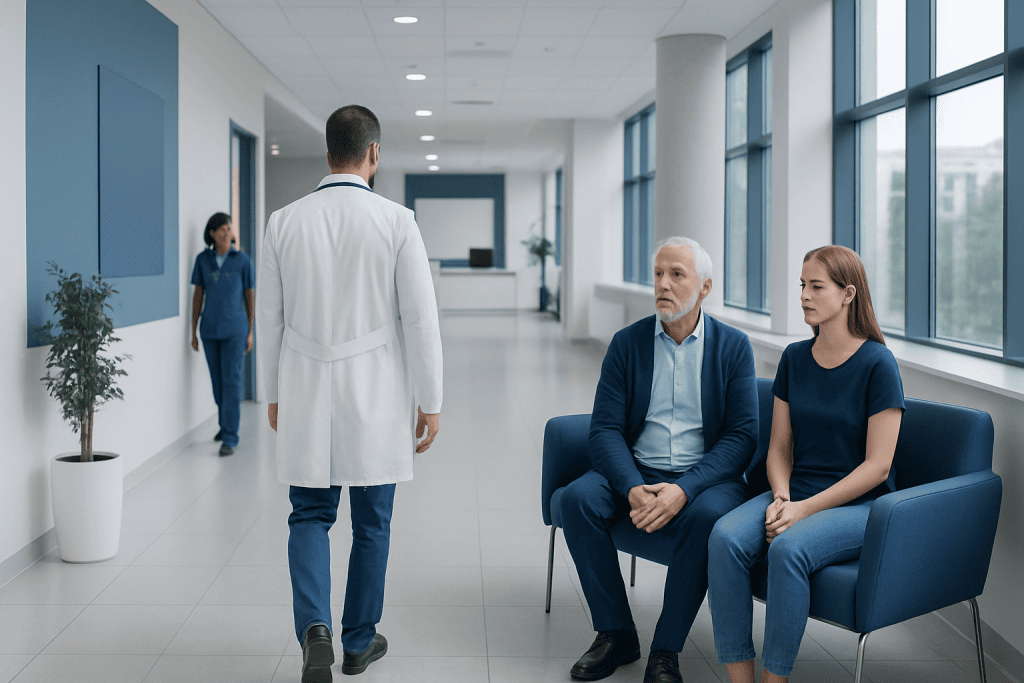
Chemotherapy is a central part of Ewing sarcoma treatment because microscopic cancer cells may be present beyond the visible tumor. Surgery, radiation therapy, or a combination may be used to control the original tumor site.
Key Takeaways
- Chemotherapy is a central part of Ewing sarcoma treatment because microscopic cancer cells may be present beyond the visible tumor.
- Surgery, radiation therapy, or a combination may be used to control the original tumor site.
- Treatment commonly begins with chemotherapy, followed by local treatment and additional chemotherapy.
- Ewing sarcoma can be aggressive, but outcomes vary substantially according to whether the cancer has spread and how well it responds to treatment.
- Long-term follow-up is important for monitoring recurrence, physical recovery, growth and fertility concerns, and late effects of therapy.
Ewing sarcoma treatment usually combines systemic chemotherapy with local treatment, such as surgery, radiation therapy, or both. Care is planned by a specialist team and tailored to the tumor’s location, spread, response to treatment, and the person’s overall health.
Overview: How Ewing Sarcoma Treatment Works
Ewing sarcoma treatment is a carefully coordinated approach that usually combines chemotherapy with surgery, radiation therapy, or both. Chemotherapy treats cancer cells throughout the body, including cells that may be too small to appear on scans. Surgery and radiation are local treatments that aim to remove or destroy the tumor at its original site.
Ewing sarcoma is an uncommon cancer that most often begins in bone but can also start in soft tissue. It occurs more often in children, adolescents, and young adults, although it can affect people of other ages. Because it may grow and spread relatively quickly, assessment and treatment at a specialist sarcoma center are important.
A multidisciplinary team commonly includes pediatric or medical oncologists, orthopedic oncologic surgeons, radiation oncologists, radiologists, pathologists, rehabilitation specialists, nurses, and supportive-care professionals. The team reviews imaging, biopsy findings, tumor location, and staging results to create an individualized plan.
At Acibadem International, multidisciplinary specialists in JCI-accredited hospitals assess and treat Ewing sarcoma for international patients, coordinating systemic therapy, local tumor control, rehabilitation, and follow-up care.
Who May Be a Candidate for Treatment?
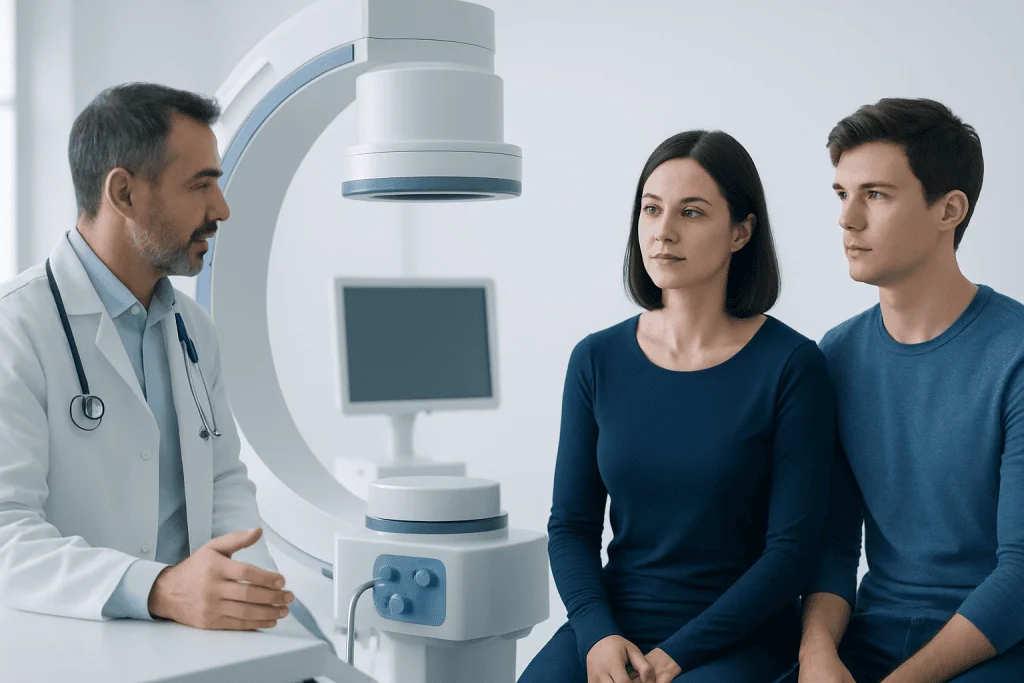
Nearly everyone diagnosed with Ewing sarcoma needs active treatment, but the exact combination differs from person to person. Planning is based on whether the cancer is localized or metastatic, where the tumor started, its size, whether it involves nearby nerves or blood vessels, and whether surgery can preserve function safely.
Before treatment begins, the team confirms the diagnosis with a biopsy reviewed by an experienced pathologist. Ewing sarcoma has characteristic molecular changes, and specialized testing can help distinguish it from other small round cell tumors. Staging may include magnetic resonance imaging (MRI) of the tumor area, chest imaging, PET/CT or bone scanning, and bone marrow testing in selected situations.
A person’s age, heart, kidney, liver, and bone marrow function also influence treatment planning. Fertility preservation may be discussed before chemotherapy or radiation, particularly when treatment could affect reproductive organs or hormone-producing tissues. For related information about tumor evaluation and cancer planning, patients may find bone cancer information helpful.
Even when a tumor has spread, treatment can still be considered. The aim may include controlling disease, treating known metastatic sites, reducing symptoms, and seeking the longest possible remission while maintaining quality of life.
The Treatment Pathway: Step by Step
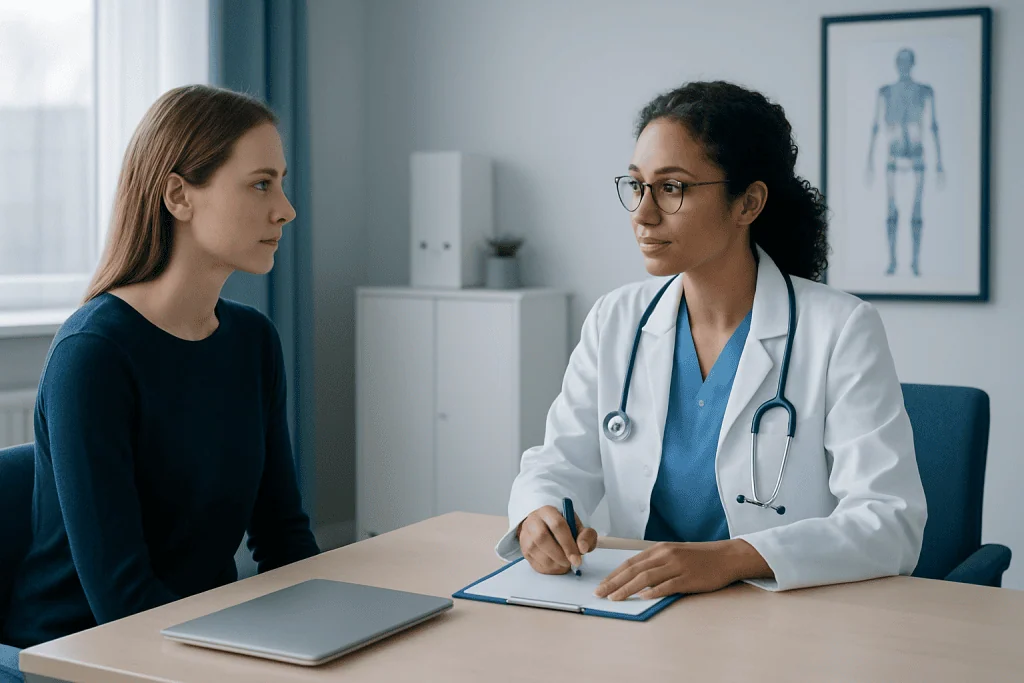
1. Diagnosis and staging. The process begins with a biopsy and imaging to identify the tumor’s extent. It is important that biopsy planning is coordinated with the surgical team, because the biopsy pathway may need to be removed during later surgery. The care team also performs baseline blood tests and assessments before chemotherapy.
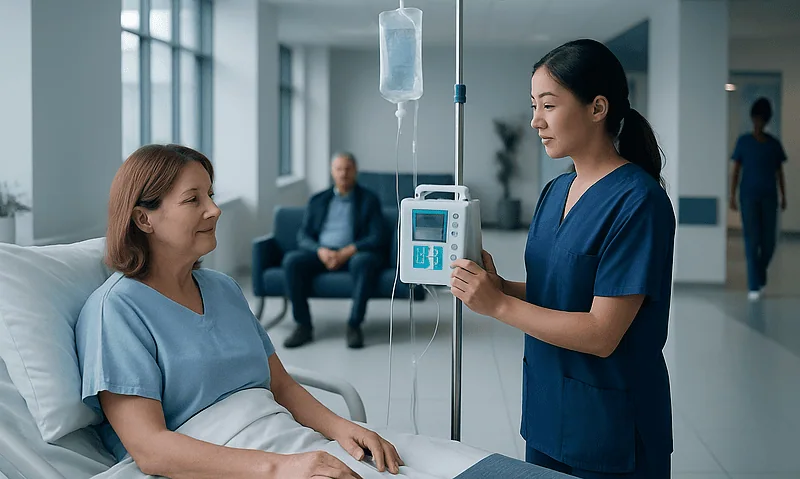
2. Initial chemotherapy. Most treatment plans start with several cycles of combination chemotherapy. This is sometimes called neoadjuvant or induction chemotherapy. It can shrink the primary tumor, begin treating unseen cancer cells elsewhere in the body, and show how the tumor responds to systemic treatment.
3. Local control. After initial chemotherapy, the team reassesses the tumor using imaging. If it can be removed with acceptable effects on function, bone tumor surgery may be recommended. Reconstruction may involve metal implants, bone grafts, or other techniques, depending on the tumor location. Radiation therapy may be used when surgery would cause excessive functional loss, when margins after surgery are close or positive, or when a tumor cannot be completely removed.
4. Further chemotherapy and follow-up. Additional chemotherapy usually follows local treatment to complete the planned course. Follow-up visits include physical examinations, imaging, rehabilitation review, and attention to emotional well-being, school or work needs, and possible treatment effects. The entire pathway often takes many months, although timing varies with the treatment protocol and individual recovery.
Benefits, Risks and Recovery Timeline
The main benefit of combined treatment is that it addresses both the visible tumor and the possibility of microscopic disease elsewhere. Surgery can provide direct removal of the tumor and information about treatment response in the removed tissue. Radiation can be valuable when surgery is not possible or would be highly disabling, and it can improve local tumor control in selected circumstances.
Chemotherapy can cause temporary side effects such as fatigue, nausea, mouth sores, hair loss, low blood cell counts, infection risk, and changes in appetite. Some medicines may also affect the heart, kidneys, nerves, hearing, or fertility. Clinicians monitor closely with examinations and blood tests, and supportive treatments may help reduce or manage side effects.
Recovery after surgery depends greatly on the site and extent of the operation. A limb-sparing procedure may require hospitalization followed by weeks to months of wound healing, physical therapy, and gradual return to daily activities. Reconstruction can require longer rehabilitation. Radiation therapy is usually delivered over several weeks and may cause tiredness and skin irritation in the treated area; later effects can include stiffness, changes in bone growth in children, or effects on nearby organs.
Long-term monitoring matters because recurrence can occur and because some therapy effects may emerge later. Survivorship care may include heart monitoring, bone and joint assessment, fertility counseling, psychosocial support, and rehabilitation. Patients should discuss any new symptom or concern with their oncology team rather than assuming it is an expected part of recovery.
How Fast Does Ewing Sarcoma Progress?
Ewing sarcoma is generally considered an aggressive cancer, meaning it can grow and spread over a relatively short period if untreated. However, the rate is not identical for every tumor. Some people notice symptoms over weeks or months, while others have symptoms that initially resemble a sports injury, growing pains, or an ordinary infection.
Common warning signs include persistent bone or soft-tissue pain, swelling, a growing lump, tenderness, reduced movement near a joint, limping, unexplained fever, fatigue, or weight loss. Pain that is worsening, repeatedly wakes someone from sleep, or does not improve as expected deserves medical assessment.
Because early symptoms can be non-specific, prompt imaging and specialist referral are important when a concerning bone or soft-tissue lesion is suspected. Once diagnosed, treatment should be coordinated without unnecessary delays, while still allowing time for accurate staging and careful multidisciplinary planning.
Can You Live a Long Life With Ewing Sarcoma?
Many people with Ewing sarcoma can live for many years after treatment, particularly when the disease is localized at diagnosis and responds well to therapy. Long-term outlook is influenced by several factors, including tumor location and size, whether there is spread at diagnosis, response to initial chemotherapy, success of local control, and the person’s overall health.
Survival figures describe groups of people and cannot predict an individual outcome. They also may not reflect the newest treatment approaches, specialist care, or a person’s particular tumor biology. The treating oncology team is best placed to explain what the known findings mean for an individual case.
Living well after treatment can involve more than cancer surveillance. Some survivors need ongoing support for mobility, pain, prosthetic or reconstructive needs, school or employment reintegration, fertility questions, and emotional health. Regular survivorship care helps identify these needs early and supports a gradual return to valued activities.
What Is the Survival Rate for Patients With Metastatic Ewing Sarcoma?
Metastatic Ewing sarcoma means the cancer has spread from its original location to distant parts of the body, commonly the lungs, bones, bone marrow, or a combination of these sites. It is more difficult to treat than localized Ewing sarcoma, and outcomes are less favorable overall. Published results vary by study population, treatment era, sites of spread, and response to treatment.
In broad terms, long-term survival for people with metastatic disease is often reported in the range of about 20% to 30%, though some individuals do better and others face more resistant disease. Prognosis tends to be more favorable when spread is limited, especially when it is confined to the lungs, than when multiple bones or bone marrow are involved. These figures are population estimates, not a personal prediction.
Treatment generally includes intensive chemotherapy plus treatment directed at the primary tumor and, where appropriate, metastatic sites. Clinical trials may be considered at specialist centers, particularly for relapsed or refractory disease. Patients and families can ask the oncology team which outcome information most closely fits the individual diagnosis and treatment response.
Is Ewing Sarcoma a Bad Cancer? When to Seek Medical Care
Ewing sarcoma is a serious cancer because it can spread and requires intensive, specialist treatment. At the same time, it is treatable, and many people achieve remission. Describing any cancer as simply “bad” can hide important differences between individual cases; the stage, location, response to treatment, and access to experienced multidisciplinary care all matter.
Medical care should be sought promptly for persistent or increasing bone pain, unexplained swelling or a lump, pain at night, difficulty using a limb, an unexplained limp, or symptoms that do not improve as expected after an injury. A child, teenager, or adult with these symptoms does not necessarily have cancer, but timely assessment can identify the cause and guide appropriate care.
Anyone already receiving treatment should contact their care team urgently for fever, chills, shortness of breath, uncontrolled vomiting, severe new pain, unusual bleeding or bruising, confusion, or signs of infection. During chemotherapy, low white blood cell counts can make infections more serious, so the team will provide clear instructions about when and how to seek urgent help.
There is no proven way to prevent Ewing sarcoma, and it is not caused by something a person or parent did. The most practical form of self-care is keeping scheduled appointments, following infection-prevention and nutrition advice from the oncology team, staying as active as safely possible, and asking for support with pain, fatigue, mood, and practical concerns.
Frequently asked questions
What is the main treatment for Ewing sarcoma?
Combination chemotherapy is the central treatment because Ewing sarcoma can have microscopic spread beyond the primary tumor. Surgery, radiation therapy, or both are then used to control the original tumor site. The exact plan is individualized by a specialist sarcoma team.
Does every person with Ewing sarcoma need surgery?
No. Surgery is often preferred when the tumor can be removed safely while preserving reasonable function, but it is not appropriate in every case. Radiation therapy may be used instead of surgery or in addition to it, depending on tumor location and surgical margins.
How long does Ewing sarcoma treatment take?
Treatment commonly lasts several months and may extend longer when surgery, reconstruction, radiation, complications, or rehabilitation are needed. Chemotherapy is delivered in planned cycles, with local treatment usually occurring after an initial period of chemotherapy. The oncology team can provide a more specific timeline for the individual plan.
Can Ewing sarcoma come back after treatment?
Yes, Ewing sarcoma can recur, which is why structured follow-up is important after treatment ends. Follow-up usually includes visits, imaging, and assessment for late treatment effects. New or persistent symptoms should be discussed with the care team promptly.
What happens if Ewing sarcoma has spread to the lungs?
Cancer spread to the lungs is metastatic disease, but active treatment is still usually recommended. Care generally includes combination chemotherapy, treatment of the primary tumor, and sometimes treatment directed to lung lesions. The outlook varies with the number and pattern of lung lesions and how the cancer responds to therapy.
Is radiation therapy always needed for Ewing sarcoma?
Radiation therapy is not always needed. It may be recommended when surgery cannot fully remove the tumor, when an operation would lead to major loss of function, or when pathology suggests a higher risk of local recurrence. The team weighs potential benefits against possible short- and long-term effects.
References
- National Cancer Institute
- American Cancer Society
- European Society for Paediatric Oncology
- National Comprehensive Cancer Network
- World Health Organization
This article is for general information only and is not a substitute for professional medical advice. Please consult a qualified doctor about your individual situation.
Oncology care in Turkey — second opinion and treatment plan
JCI-accredited · board-certified surgeons · reply within 24h
Add us as a Preferred Source to see more of our trusted health content across Google Search, AI Overviews and Discover.