

Excessive Daytime Sleepiness: Causes Beyond Sleep Apnea

Excessive daytime sleepiness can happen even when a person believes they are sleeping enough. Sleep apnea is only one possible cause; medicines, shift work, mood disorders, and neurologic conditions may also contribute.
Key Takeaways
- Excessive daytime sleepiness can happen even when a person believes they are sleeping enough.
- Sleep apnea is only one possible cause; medicines, shift work, mood disorders, and neurologic conditions may also contribute.
- Doctors diagnose the cause by reviewing sleep habits, medical history, medications, and sometimes sleep studies.
- Treatment depends on the underlying reason and may include lifestyle changes, medication adjustments, or targeted sleep-disorder care.
- Persistent sleepiness, sudden sleep attacks, or drowsy driving are important reasons to seek medical advice.
Excessive daytime sleepiness is more than simply feeling tired after a late night. It can be a sign of disrupted sleep, medication effects, medical illness, or a neurologic sleep disorder, and it deserves careful evaluation when it persists.
Overview
Excessive daytime sleepiness means a person feels unusually sleepy during the day, struggles to stay awake, or falls asleep at times when they want or need to be alert. It is different from ordinary fatigue. Fatigue often feels like low energy or lack of motivation, while sleepiness is a true tendency to doze off. Some people notice heavy eyelids, trouble concentrating, memory lapses, or drifting off while reading, watching television, working, or riding in a car.
Although obstructive sleep apnea is a well-known cause, it is far from the only one. Many people with daytime sleepiness have other explanations, such as not getting enough sleep, inconsistent schedules, medications, depression, circadian rhythm problems, restless legs syndrome, or central disorders of hypersomnolence such as narcolepsy. In some cases, more than one factor is involved at the same time.
Because sleepiness can affect mood, work, learning, and safety, it is worth discussing with a doctor if it is frequent or disruptive. A careful assessment can often identify a treatable cause. Early evaluation is especially important if sleepiness affects driving, operating machinery, school performance, or the ability to function in daily life.
Symptoms and How It May Feel
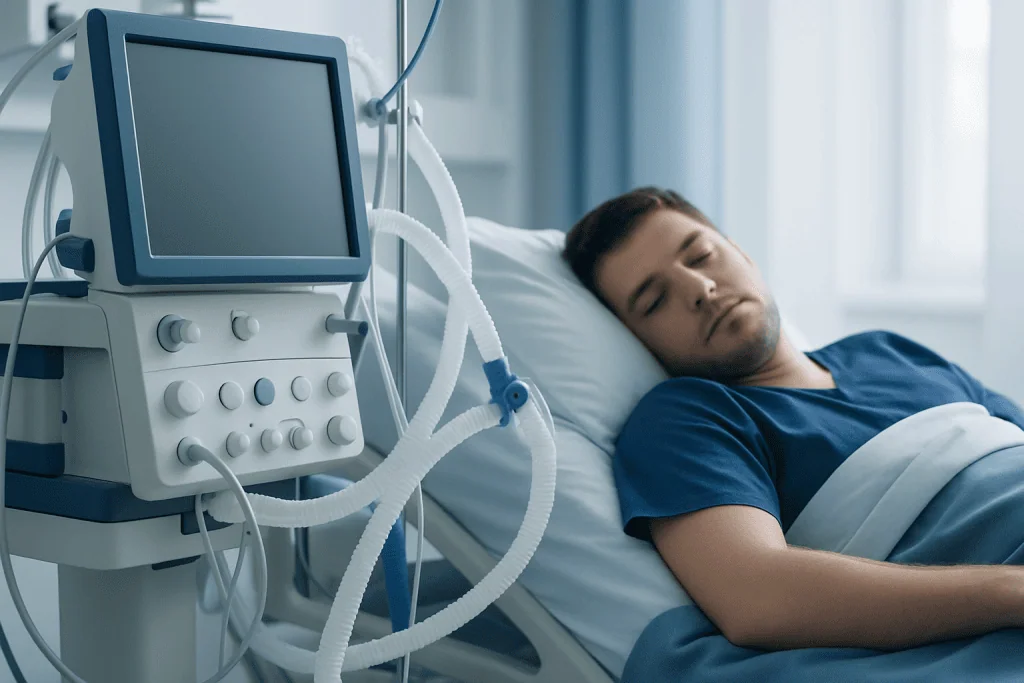
The main symptom is an ongoing tendency to feel sleepy in the daytime, even after what seems like a full night of sleep. A person may need frequent naps, feel refreshed only briefly after resting, or have trouble staying awake during meetings, classes, quiet activities, or long drives. Some describe a “foggy” feeling rather than obvious drowsiness.
Daytime sleepiness may also come with other clues that help point to the cause. Snoring, witnessed pauses in breathing, and waking with a dry mouth may suggest sleep-disordered breathing. A strong urge to move the legs at night may suggest restless legs syndrome. Vivid dreams at sleep onset, sudden muscle weakness triggered by emotions, or sleep paralysis can occur with narcolepsy. Morning headaches, irritability, low mood, and poor concentration are also common in many sleep disorders.
Symptoms can vary by age and lifestyle. Children may not always appear sleepy in an obvious way; they may seem inattentive, hyperactive, or moody instead. Older adults may notice reduced alertness along with fragmented sleep. Shift workers often feel sleepy at biologically difficult times, such as overnight or early morning hours, even if they spend enough time in bed.
- Unplanned naps or dozing off
- Difficulty concentrating or remembering
- Low productivity or school performance
- Irritability or mood changes
- Drowsy driving or near-miss accidents
Causes Beyond Sleep Apnea

One of the most common reasons for excessive daytime sleepiness is simply not getting enough sleep on a regular basis. Busy schedules, caregiving, late-night screen use, travel, and social habits can all reduce sleep time. Poor sleep quality also matters. Frequent awakenings from pain, coughing, reflux, an uncomfortable sleep environment, or a partner’s movements may leave a person unrefreshed.
Many medical and mental health conditions can contribute. Depression and anxiety can disturb sleep patterns and lower daytime alertness. Neurologic conditions, thyroid disorders, anemia, chronic kidney or liver disease, and some infections may also lead to sleepiness. Sleep-related movement disorders and circadian rhythm disorders are other important possibilities. For example, a person whose internal body clock is misaligned with work or school demands may feel persistently sleepy even without another illness.
Medications and substances are another major cause. Sedating antihistamines, some antidepressants, anti-anxiety medications, pain medicines, anti-seizure drugs, and alcohol can all increase sleepiness. Stimulant withdrawal and cannabis use may also play a role. Doctors usually review all prescriptions, over-the-counter products, and supplements when evaluating symptoms.
When common causes do not explain the problem, doctors may consider central disorders of hypersomnolence. These include narcolepsy, idiopathic hypersomnia, and related conditions. These are neurologic sleep disorders in which the brain’s regulation of wakefulness is affected, leading to persistent daytime sleepiness despite adequate opportunity for sleep.
Risk Factors and Possible Complications
Several factors make excessive daytime sleepiness more likely. Irregular sleep schedules, rotating shift work, jet lag, chronic stress, and long work hours can all interfere with healthy sleep. Obesity, chronic pain, pregnancy, menopause, and aging can also affect sleep quality and daytime alertness. Family history may matter in some neurologic sleep disorders.
The impact of untreated daytime sleepiness can extend beyond feeling tired. Sleepiness may impair reaction time, judgment, memory, and emotional regulation. This can raise the risk of traffic accidents, work-related injuries, and mistakes at school or on the job. Relationships may also be affected if a person becomes less engaged, more irritable, or too tired to participate in normal activities.
Persistent sleepiness may also signal an underlying condition that needs treatment. For instance, untreated mood disorders, endocrine problems, or chronic sleep fragmentation can affect overall health. That is why ongoing symptoms should not be dismissed as laziness or lack of willpower. In most cases, there is a real medical or behavioral reason that can be addressed with the right support.
How Doctors Diagnose the Cause
Diagnosis starts with a detailed conversation about symptoms, sleep habits, work schedule, and overall health. A doctor may ask when the sleepiness began, whether naps help, how many hours of sleep the person usually gets, and whether there are symptoms such as snoring, leg discomfort, dream-enactment behaviors, cataplexy, or mood changes. A review of medications, alcohol use, caffeine intake, and any recent changes in routine is essential.
Sleep diaries and questionnaires can be helpful. Keeping a record of bedtimes, wake times, naps, and alertness patterns over one to two weeks may reveal insufficient sleep or circadian rhythm problems. Sometimes actigraphy, a wrist-worn device that tracks movement and sleep patterns, is used to gather more objective information over time.
If a sleep disorder is suspected, the doctor may recommend formal sleep testing. An overnight sleep study can assess breathing disturbances, leg movements, and sleep architecture. If narcolepsy or idiopathic hypersomnia is a concern, a daytime nap test called a multiple sleep latency test may follow the overnight study. Blood tests or other evaluations may also be ordered to look for anemia, thyroid disease, metabolic problems, or other medical causes.
Some people benefit from assessment by a neurologic sleep specialist, especially if symptoms are severe, unexplained, or suggest a central hypersomnia disorder. In experienced centers, evaluation can distinguish among conditions that may seem similar but require different treatment approaches.
Treatment Options
Treatment depends on the underlying cause. If the main issue is insufficient sleep, the first step is creating a realistic schedule that allows enough sleep consistently. If a medication is contributing, a doctor may adjust the timing, lower the dose, or suggest an alternative. Treating associated conditions such as depression, chronic pain, thyroid disorders, or restless legs syndrome can significantly improve daytime alertness.
When a specific sleep disorder is identified, targeted treatment is often effective. Circadian rhythm disorders may improve with schedule changes, timed light exposure, and carefully guided sleep planning. Restless legs syndrome and periodic limb movement disorder may require treatment of iron deficiency or other specific measures. People with neurologic hypersomnia disorders may need wake-promoting medications and long-term follow-up.
If symptoms point to sleep apnea, treatment of breathing-related sleep disruption can reduce daytime drowsiness. Depending on the person’s needs, this may include lifestyle measures, oral appliances, or CPAP therapy. In selected cases of upper-airway obstruction, sleep apnea surgery may be considered after specialist evaluation.
For central disorders such as narcolepsy or idiopathic hypersomnia, management often includes a combination of regular sleep routines, planned naps for some patients, and medications prescribed by a specialist. The goal is not only to reduce sleepiness but also to improve safety, concentration, and quality of life. Near the end of the care pathway, some patients may choose evaluation at centers such as Acibadem International, where multidisciplinary specialists in JCI-accredited hospitals diagnose and treat sleep-related neurologic conditions for international patients.
Prevention and Self-care
Healthy sleep habits can prevent or reduce many cases of daytime sleepiness. A regular sleep-wake schedule is one of the most effective steps. Going to bed and waking up at roughly the same time every day helps the body clock stay steady. A dark, quiet, comfortable sleep environment and a calming pre-sleep routine can also improve sleep quality.
Daily choices matter as well. Limiting alcohol close to bedtime, avoiding heavy meals late at night, and being cautious with sedating over-the-counter medicines can help. Caffeine may temporarily improve alertness, but using it too late in the day can disturb nighttime sleep and worsen the cycle. Regular physical activity often supports better sleep, although intense exercise right before bed may not suit everyone.
For people who work shifts, strategic planning is important. This may include protecting sleep time after a night shift, using light exposure thoughtfully, and avoiding drowsy driving. Short naps can help some individuals, but frequent long naps may sometimes make nighttime sleep more fragmented. A doctor or sleep specialist can give more personalized advice based on the likely cause.
- Aim for sufficient sleep every night
- Keep a regular bedtime and wake time
- Review medicines that may cause drowsiness with a doctor
- Limit alcohol and late caffeine
- Do not drive if struggling to stay awake
When to See a Doctor
It is a good idea to seek medical advice if daytime sleepiness lasts for more than a few weeks, interferes with work or daily activities, or happens despite getting what should be enough sleep. Medical review is also important if there are warning signs such as loud snoring, witnessed breathing pauses, sudden sleep attacks, weakness triggered by laughter or emotion, unusual nighttime behaviors, or restless uncomfortable legs in the evening.
Urgent attention is needed if sleepiness creates safety risks. Falling asleep while driving, having near-miss accidents, or being unable to stay awake during important tasks should never be ignored. Until the cause is clear and symptoms are under better control, the person should avoid driving or operating dangerous machinery when sleepy.
A timely assessment can bring reassurance as well as treatment. Many causes of excessive daytime sleepiness are manageable once identified. The key is not to assume that persistent sleepiness is normal or something that must simply be endured.
Frequently asked questions
What is the difference between fatigue and excessive daytime sleepiness?
Fatigue usually means low energy, weakness, or mental exhaustion. Excessive daytime sleepiness means a real tendency to fall asleep or struggle to stay awake during the day. Some people experience both, but they are not the same and may have different causes.
Can excessive daytime sleepiness happen even if a person sleeps for eight hours?
Yes. Sleepiness can still occur if sleep quality is poor, sleep is fragmented, the body clock is misaligned, or a medical or neurologic condition is present. Some people also overestimate how much restorative sleep they are actually getting.
Is excessive daytime sleepiness always caused by sleep apnea?
No. Sleep apnea is common, but many other causes exist, including insufficient sleep, shift work, medications, depression, restless legs syndrome, circadian rhythm disorders, narcolepsy, and idiopathic hypersomnia. Proper evaluation helps identify the true reason.
How do doctors test for unexplained daytime sleepiness?
Doctors usually begin with a medical history, sleep history, medication review, and sometimes a sleep diary or actigraphy. If needed, they may arrange an overnight sleep study and, in certain cases, a daytime nap test to look for narcolepsy or related disorders. Blood tests may also be used to check for medical contributors.
When is daytime sleepiness considered dangerous?
It becomes especially concerning when a person dozes off while driving, working, studying, or caring for others. Near-miss accidents, sudden sleep episodes, or inability to stay awake during routine activities are important warning signs. These symptoms should prompt prompt medical advice and caution with driving.
Can lifestyle changes help reduce excessive daytime sleepiness?
Yes, especially when poor sleep habits or schedule disruption are part of the problem. Consistent sleep timing, enough time in bed, limiting alcohol and sedating medicines, and managing shift-work sleep can make a meaningful difference. However, ongoing symptoms still deserve medical review because lifestyle factors are not the only cause.
References
- American Academy of Sleep Medicine
- National Institute of Neurological Disorders and Stroke
- National Heart, Lung, and Blood Institute
- Centers for Disease Control and Prevention
- Mayo Clinic
This article is for general information only and is not a substitute for professional medical advice. Please consult a qualified doctor about your individual situation.
Sleep Apnea in Turkey — costs, top hospitals & a free quote
JCI-accredited · board-certified surgeons · reply within 24h
Add us as a Preferred Source to see more of our trusted health content across Google Search, AI Overviews and Discover.

Otorhinolaryngology (ENT)
Care for ear, nose, throat and head-and-neck conditions, including hearing and balance disorders.
126 specialists in this unit




