Excessive Daytime Sleepiness: When It May Be More Than Poor Sleep
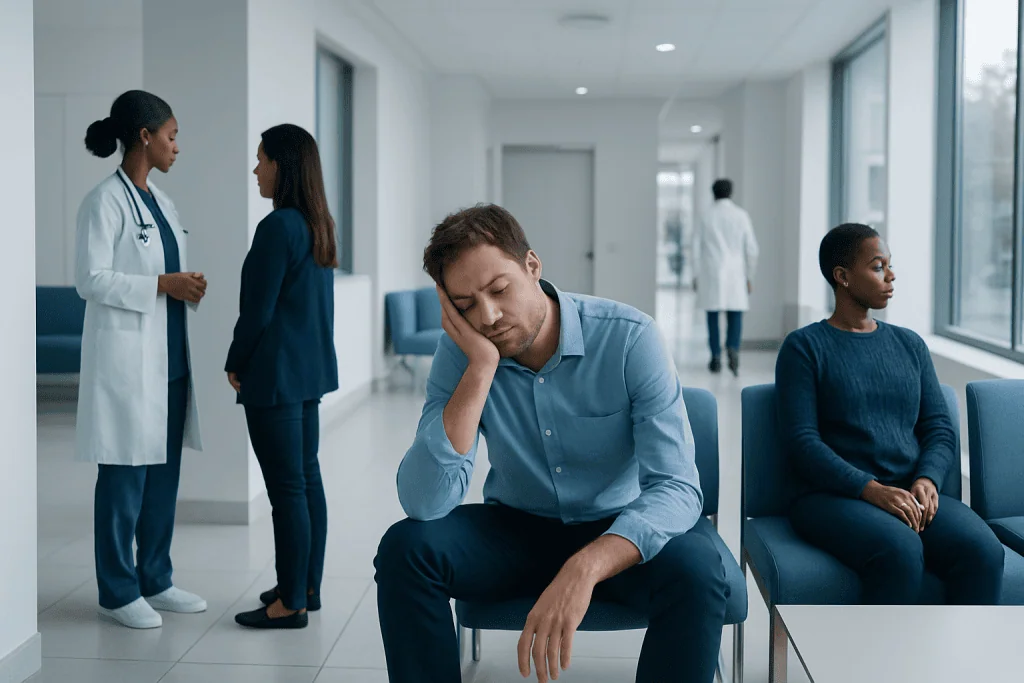
Excessive daytime sleepiness is more than occasional tiredness after a late night. Common causes include poor sleep habits, obstructive sleep apnea, shift work, medications, and certain medical or mental health conditions.
Key Takeaways
- Excessive daytime sleepiness is more than occasional tiredness after a late night.
- Common causes include poor sleep habits, obstructive sleep apnea, shift work, medications, and certain medical or mental health conditions.
- Warning signs include falling asleep unintentionally, drowsy driving, loud snoring, witnessed pauses in breathing, and symptoms lasting for weeks.
- Diagnosis often involves a sleep history, physical exam, and sometimes sleep testing.
- Treatment depends on the cause and may include lifestyle changes, adjusting medicines, or treating an underlying sleep disorder.
Excessive daytime sleepiness means feeling unusually sleepy during the day even when a person is expected to be awake and alert. While it can result from not getting enough sleep, it may also point to an underlying sleep disorder, medication effect, or health condition that deserves medical attention.
Overview
Excessive daytime sleepiness describes a strong tendency to fall asleep or struggle to stay alert during the day. It is different from simply feeling tired, low in energy, or mentally drained. A person with daytime sleepiness may doze off while reading, watching television, sitting in meetings, or even during conversations.
This symptom is common and can happen for many reasons. In some cases, it is linked to lifestyle factors such as too little sleep, irregular schedules, alcohol use, or shift work. In other cases, it may be related to a sleep disorder, a medication side effect, or a medical condition that affects sleep quality or alertness.
Because sleepiness can affect work, school, mood, memory, and safety, it should not be ignored when it becomes frequent or severe. Ongoing sleepiness may increase the risk of accidents, especially while driving or operating machinery. A healthcare professional can help identify whether the problem is temporary or a sign of something that needs treatment.
Symptoms and Warning Signs
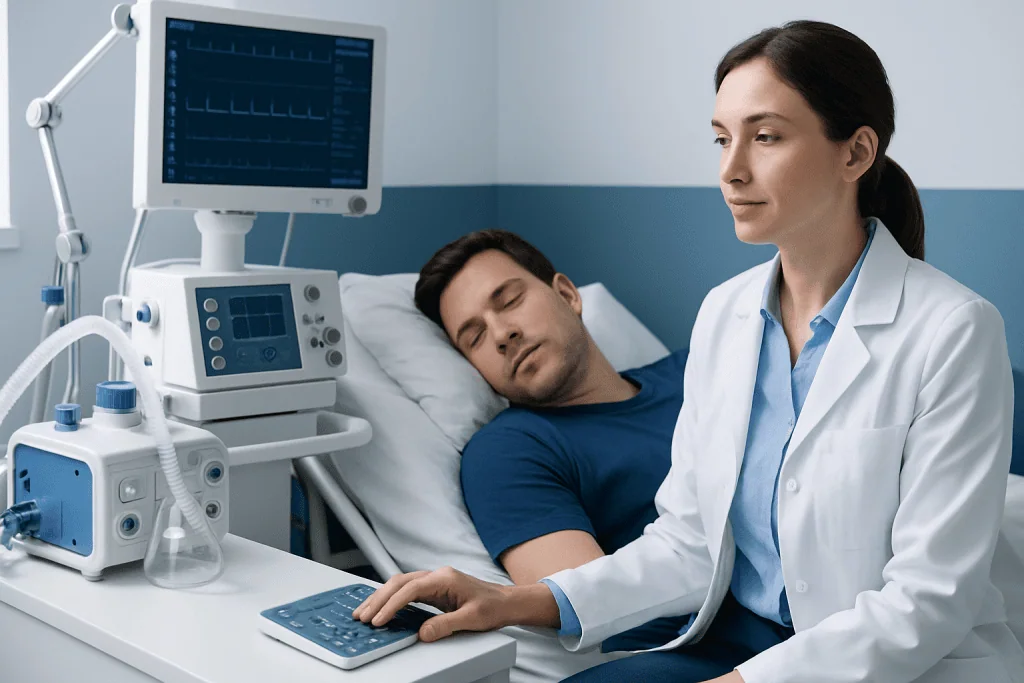
The main symptom is an unusual level of sleepiness during normal waking hours. Some people describe it as heavy eyelids, irresistible naps, trouble focusing, or feeling as though they are fighting sleep through the day. Others notice they are less productive, more forgetful, or more irritable than usual.
Symptoms often vary in intensity. Some people feel sleepy mainly in quiet situations, such as during travel or reading. Others may fall asleep unexpectedly in active settings, which is more concerning. Excessive daytime sleepiness can also come with headaches in the morning, poor concentration, slower reaction time, or waking unrefreshed despite spending enough time in bed.
Certain signs suggest that poor sleep quality may be involved rather than just too little sleep. These can include loud snoring, gasping or choking during sleep, restless sleep, frequent awakenings, dry mouth on waking, or a bed partner noticing pauses in breathing. In some people, daytime sleepiness occurs alongside symptoms of sleep apnea or other disorders that disrupt normal sleep.
- Dozing off unintentionally during the day
- Difficulty staying awake while driving
- Needing frequent naps that do not feel refreshing
- Trouble concentrating, remembering, or making decisions
- Mood changes such as irritability or low motivation
Common Causes and Risk Factors
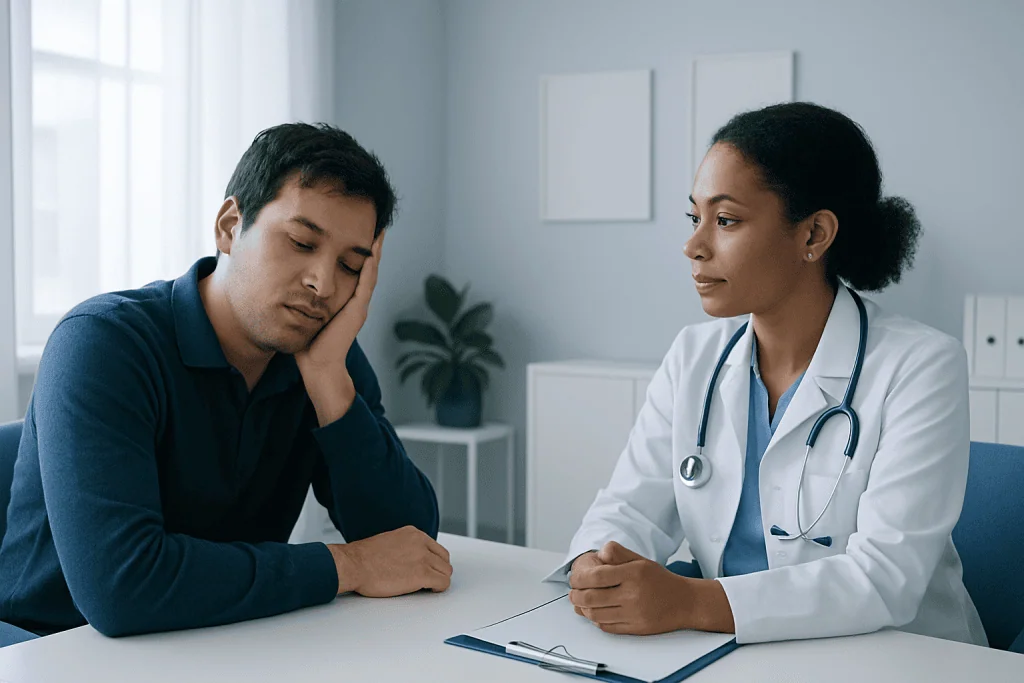
The most common cause is sleep deprivation, meaning a person regularly gets less sleep than the body needs. Modern schedules, stress, screen use late at night, and inconsistent bedtimes can all contribute. Even if someone believes they are sleeping enough, poor-quality sleep can still leave them very sleepy the next day.
Sleep disorders are another important cause. Obstructive sleep apnea can repeatedly interrupt breathing during sleep and prevent deep, restorative rest. Other possibilities include insomnia, restless legs syndrome, circadian rhythm disorders, narcolepsy, and problems related to shift work or jet lag. These conditions may reduce sleep quality, alter sleep timing, or directly affect the brain systems that regulate wakefulness.
Medications and substances can also play a role. Antihistamines, some pain medicines, certain antidepressants, anti-anxiety drugs, alcohol, and recreational substances may cause drowsiness. Medical conditions such as depression, anxiety, thyroid disorders, anemia, chronic pain, neurological disease, and some infections may also contribute. Risk factors include obesity, older age, irregular work hours, and a family history of sleep disorders.
How Doctors Evaluate Excessive Daytime Sleepiness
Evaluation begins with a careful discussion of sleep habits, symptoms, daily routine, and overall health. A doctor may ask about bedtime, wake time, naps, snoring, breathing pauses, medication use, caffeine intake, mood, and whether the person ever feels sleepy while driving. This history often provides important clues about the cause.
A physical examination may focus on the airway, heart, lungs, nervous system, and body weight. In some cases, blood tests are used to look for medical causes such as anemia, thyroid problems, or metabolic issues. If a sleep disorder is suspected, the doctor may recommend keeping a sleep diary or wearing a device that tracks sleep-wake patterns over time.
When needed, specialized sleep testing can help confirm the diagnosis. An overnight sleep study may be used to assess breathing, oxygen levels, heart rhythm, movement, and sleep stages. For some patients, home-based testing may be appropriate, especially when sleep apnea treatment is being considered after evaluation. Additional daytime testing may be used when disorders such as narcolepsy are suspected.
Treatment Options
Treatment depends on the underlying cause. If insufficient sleep is the main issue, improving sleep habits and allowing enough time for sleep may be enough to reduce daytime symptoms. If medicines are contributing, a doctor may review whether an adjustment or alternative is possible. People should not stop prescription medicines on their own without medical guidance.
When a sleep disorder is identified, treating that condition is often the most effective way to improve daytime alertness. For obstructive sleep apnea, treatment may include lifestyle measures, devices that keep the airway open, or other individualized approaches. In selected situations, procedures such as septoplasty or tonsillectomy and adenoidectomy may be relevant if structural airway problems are contributing, although these are not appropriate for everyone.
Some people benefit from behavioral strategies, such as scheduling regular sleep hours, managing shift-work exposure, or using timed light exposure. In specific diagnosed disorders, doctors may recommend targeted medicines to improve wakefulness or address symptoms. The best plan is personalized, because the same symptom can have very different causes from one person to another.
Prevention and Self-care
Many cases of daytime sleepiness improve with practical sleep-supporting habits. A consistent sleep schedule helps regulate the body clock, while a quiet, dark, and cool bedroom can support better rest. Limiting screens before bed, avoiding large meals late at night, and reducing alcohol can also improve sleep quality.
Caffeine may provide temporary alertness, but it should not be used to mask ongoing excessive sleepiness. Taking caffeine too late in the day can worsen nighttime sleep and create a cycle of poor rest and daytime drowsiness. Short naps can help some people, but long or late naps may make nighttime sleep more difficult.
Safety is especially important. A person who feels at risk of falling asleep while driving should avoid driving until they have rested or sought medical advice. If loud snoring, witnessed pauses in breathing, or persistent nonrestorative sleep are present, a medical evaluation is wise rather than relying only on home remedies.
For people with chronic or unexplained symptoms, a specialist in sleep medicine may be helpful. In complex cases, treatment may involve coordinated care across disciplines, such as neurology evaluation alongside sleep-focused assessment, particularly when symptoms suggest a neurological sleep disorder.
When to See a Doctor
A doctor should be consulted if daytime sleepiness lasts for several weeks, interferes with work or daily activities, or leads to unintended naps. Medical advice is also important if a person feels sleepy while driving, has frequent morning headaches, or wakes feeling unrefreshed despite adequate time in bed.
Prompt evaluation is especially important when sleepiness occurs with loud snoring, choking or gasping at night, pauses in breathing, sudden loss of muscle tone, or unusual nighttime behaviors. These symptoms can suggest an underlying sleep disorder that may benefit from diagnosis and treatment. Emotional symptoms such as depression or anxiety also deserve attention, as they can both affect and be affected by sleep.
If specialist care is needed, Acibadem International’s multidisciplinary specialists and JCI-accredited hospitals evaluate and treat sleep-related conditions for international patients. The key message is reassuring: persistent excessive daytime sleepiness is common, and once the cause is identified, many people can achieve safer days and more restorative nights.
Frequently asked questions
Is excessive daytime sleepiness the same as fatigue?
No. Excessive daytime sleepiness means a person has a strong tendency to fall asleep during the day, while fatigue is more often described as low energy or exhaustion without necessarily dozing off. Some people experience both at the same time, but they are not exactly the same symptom.
Can excessive daytime sleepiness happen even if someone sleeps for 8 hours?
Yes. A person may spend enough time in bed but still have poor-quality sleep because of snoring, breathing interruptions, frequent awakenings, restless legs, or other sleep disorders. Medical conditions, medications, and mental health concerns can also cause significant daytime sleepiness despite an apparently adequate sleep duration.
What is the most common medical cause of excessive daytime sleepiness?
One of the most common medical causes is obstructive sleep apnea, especially in people who snore loudly or feel unrefreshed on waking. However, the exact cause varies widely, and not everyone with daytime sleepiness has sleep apnea. Proper evaluation is important before assuming the reason.
When is daytime sleepiness an emergency?
It may require urgent attention if a person is falling asleep while driving, operating machinery, or in other unsafe situations. It should also be assessed quickly if it comes with breathing problems during sleep, fainting, sudden weakness, confusion, or other concerning neurological symptoms.
How do doctors test for sleep-related causes?
Doctors usually start with a detailed history, review of sleep habits, and examination. If needed, they may recommend a sleep diary, blood tests, a home sleep test, or an overnight sleep study in a sleep laboratory. Some patients also need daytime sleep testing depending on the suspected diagnosis.
Can lifestyle changes really help excessive daytime sleepiness?
Yes, especially when poor sleep habits, irregular schedules, or insufficient sleep are contributing factors. Keeping a consistent sleep schedule, reducing alcohol, limiting late caffeine, and improving sleep conditions can make a meaningful difference. If symptoms continue despite these efforts, medical review is still important.
References
- American Academy of Sleep Medicine
- National Heart, Lung, and Blood Institute
- National Institute of Neurological Disorders and Stroke
- Centers for Disease Control and Prevention
- Mayo Clinic
This article is for general information only and is not a substitute for professional medical advice. Please consult a qualified doctor about your individual situation.
Explore treatments in Turkey — costs, top hospitals & a free quote
JCI-accredited · board-certified surgeons · reply within 24h
Add us as a Preferred Source to see more of our trusted health content across Google Search, AI Overviews and Discover.