Excessive Sleepiness: Causes and When to Get Help

Excessive sleepiness can impair concentration, memory, mood, work performance and driving safety. Common causes include insufficient sleep, obstructive sleep apnea, shift work, medication effects and mood disorders.
Key Takeaways
- Excessive sleepiness can impair concentration, memory, mood, work performance and driving safety.
- Common causes include insufficient sleep, obstructive sleep apnea, shift work, medication effects and mood disorders.
- A clinical assessment may include a sleep history, medication review, physical examination and, when needed, sleep testing.
- Treatment depends on the cause and may combine sleep-habit changes with treatment of an underlying condition.
- Urgent assessment is important if sleepiness causes near-misses or accidents while driving or operating machinery.
Excessive sleepiness is more than occasionally feeling tired: it is a repeated tendency to fall asleep or struggle to stay alert during the day, even when a person believes they have slept enough. It can result from insufficient or disrupted sleep, medical conditions, medicines, or specific sleep disorders, and it is worth discussing with a healthcare professional when it affects safety or daily life.
What is excessive sleepiness?
Excessive sleepiness, often called excessive daytime sleepiness, is an ongoing inability to remain awake and alert during the day when alertness would normally be expected. A person may doze off while reading, watching television, sitting in meetings, talking, eating, or as a passenger in a vehicle. Unlike ordinary tiredness after a short night, this problem may continue despite what seems like an adequate amount of sleep.
Sleepiness and fatigue are related but not identical. Sleepiness means a tendency to fall asleep. Fatigue is a feeling of low energy, exhaustion or reduced motivation that does not always lead to sleep. Some people experience both, so describing the symptoms clearly can help a clinician identify the likely cause.
Persistent daytime drowsiness is common and treatable in many cases. However, it should not be dismissed as a personality trait or simply accepted as part of a busy routine, particularly when it interferes with work, school, relationships or safe driving.
How excessive sleepiness may affect daily life
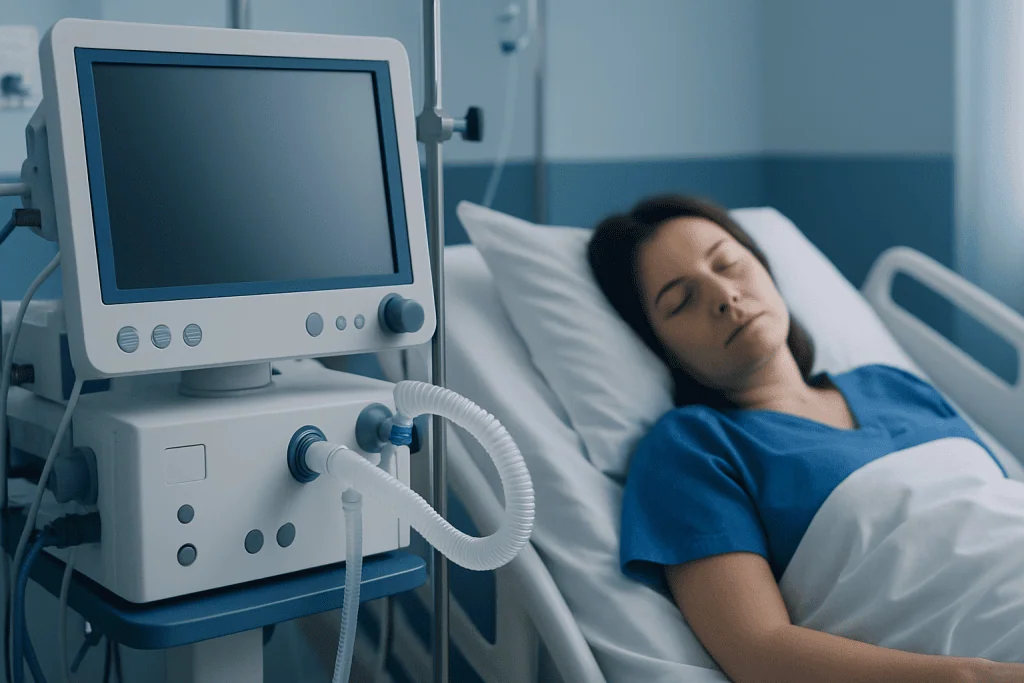
The effects can be subtle at first. A person may rely heavily on caffeine, repeatedly use a snooze alarm, take unplanned naps, or find that concentration fades during quiet activities. They may feel temporarily refreshed after a nap but become sleepy again soon afterward.
As sleepiness becomes more significant, it may affect attention, reaction time, decision-making and memory. This can make everyday tasks harder and can increase the risk of errors at work or school. Driving is of particular concern because drowsiness can slow responses and cause brief, unintended episodes of sleep known as microsleeps.
Family members may notice clues that the affected person does not recognize, such as loud snoring, pauses in breathing, restless sleep, frequent nighttime awakenings or falling asleep unusually quickly when inactive. Keeping track of these patterns can be useful before a medical appointment.
- Unplanned naps or dozing in daytime situations
- Difficulty waking in the morning or feeling unrefreshed after sleep
- Reduced concentration, irritability or memory lapses
- Sleepiness while driving, working or using machinery
- Dependence on stimulants to remain awake
Common causes and contributing factors

The most frequent explanation is not getting enough sleep. Adults have differing sleep needs, but consistently shortened sleep, irregular schedules, long work hours, caregiving responsibilities and late-night screen use can all lead to accumulated sleep debt. Shift work, jet lag and frequent changes in sleeping hours can disrupt the body’s internal clock even when total time in bed seems sufficient.
Sleep that is interrupted or poor in quality can also produce marked daytime sleepiness. Obstructive sleep apnea is an important example: repeated narrowing or blockage of the upper airway during sleep can fragment sleep and reduce oxygen levels. Snoring, witnessed breathing pauses, gasping during sleep, morning headaches and high blood pressure can be associated features, although not everyone has all of them.
Some medicines can cause drowsiness, including certain allergy medicines, sedatives, pain medicines, medicines used for anxiety or depression, and some drugs for seizures or blood pressure. Alcohol and other substances may also disrupt sleep or worsen alertness the next day. People should not stop prescribed medicine without speaking to the clinician who prescribed it.
Other possible contributors include depression, anxiety, chronic pain, thyroid disorders, anemia and neurological conditions. Less commonly, central disorders of hypersomnolence, such as narcolepsy or idiopathic hypersomnia, affect the brain mechanisms that regulate wakefulness. Narcolepsy may also involve sudden loss of muscle tone triggered by emotion, sleep paralysis or vivid dream-like experiences when falling asleep or waking.
How doctors assess excessive sleepiness
Assessment starts with a detailed discussion about sleep and daytime functioning. A clinician may ask when symptoms began, how many hours the person sleeps on workdays and days off, whether naps are planned or irresistible, and whether there is snoring, breathing interruption, leg discomfort, nightmares or unusual behaviors during sleep.
A review of medical history, mental health, alcohol or substance use, and all prescription and non-prescription medicines is also important. A physical examination may look for factors associated with disrupted breathing during sleep or other health conditions. Blood tests may be considered when symptoms suggest an underlying medical cause, such as anemia or thyroid disease.
A sleep diary, usually kept for one to two weeks, can help show patterns in sleep timing, naps, caffeine use and symptoms. A wearable activity monitor may sometimes be used to estimate rest-activity patterns. When a sleep disorder is suspected, an overnight sleep study may be recommended to assess breathing, movement and sleep stages. In selected cases, daytime testing measures how quickly a person falls asleep and whether they enter dream sleep unusually early.
These assessments help distinguish insufficient sleep from a sleep disorder or medical condition. Accurate diagnosis matters because treatment should address the cause rather than only trying to mask daytime drowsiness.
Treatment options and practical self-care
Management is tailored to the cause. When insufficient or irregular sleep is the main factor, establishing a consistent sleep-wake routine and allowing enough time for sleep may significantly improve alertness. Adults can also benefit from a calm wind-down period, a dark and comfortable bedroom, and limiting alcohol close to bedtime.
For sleep apnea and other sleep-related breathing disorders, treatment may include weight management when appropriate, positional measures, an oral device, or positive airway pressure therapy. A specialist can advise whether a formal sleep study is appropriate and explain the available options after results are reviewed.
If medicines are contributing to drowsiness, a clinician may be able to adjust the timing, dose or choice of treatment. Medical and mental health conditions should be managed with the relevant healthcare professional. Specific wakefulness-promoting medicines may be considered for certain diagnosed sleep disorders, but they are not suitable for everyone and do not replace adequate sleep or treatment of an underlying cause.
Until symptoms improve, safety planning is essential. A person should avoid driving or hazardous tasks when sleepy, arrange alternative transportation if needed, and take a break before fatigue becomes severe. Caffeine may provide short-term alertness for some people, but it can interfere with nighttime sleep if used late in the day and should not be used to push through dangerous drowsiness.
When to seek medical care
Medical advice is appropriate when excessive sleepiness lasts for several weeks, happens despite adequate opportunity for sleep, or affects work, study, mood, relationships or everyday activities. An appointment is also advisable if there is loud habitual snoring, witnessed pauses in breathing, gasping during sleep, morning headaches, or a strong need for frequent daytime naps.
A prompt assessment is important if a person falls asleep while driving, has near-misses or accidents related to drowsiness, or struggles to stay awake while operating equipment. They should stop driving or using machinery when sleepy and seek practical support for safe transport.
Urgent medical evaluation may be needed if sleepiness occurs with new confusion, weakness, speech difficulty, severe headache, chest pain, shortness of breath, or after a possible poisoning or overdose. These symptoms may point to a condition requiring immediate care rather than a routine sleep assessment.
Acibadem International’s multidisciplinary specialists and JCI-accredited hospitals can assess sleep-related symptoms and related medical conditions for international patients, using an individualized diagnostic approach.
Preparing for an appointment
Bringing clear information to an appointment can make evaluation more efficient. A person may note bedtime and wake time, how often they wake overnight, nap timing and length, work schedules, caffeine and alcohol use, and days when symptoms are particularly severe. A sleep diary does not need to be perfect to be useful.
It can also help to bring a list of all medicines, supplements and over-the-counter products. If a partner, family member or housemate has noticed snoring, breathing pauses, unusual movements or behaviors during sleep, their observations may add valuable detail.
People can ask what causes are most likely, whether testing is needed, and what steps are safe while awaiting assessment. In many cases, identifying and treating the reason for poor alertness can improve both daytime functioning and long-term health.
Frequently asked questions
Is excessive sleepiness the same as being tired?
Not exactly. Excessive sleepiness is a tendency to fall asleep or an inability to stay awake, while fatigue is a sense of low energy or exhaustion. A person may have one symptom or both, and the distinction can help guide evaluation.
How many hours of sleep should an adult get?
Most adults need about seven to nine hours of sleep per night, although individual needs vary. Regularly getting less sleep than needed can cause daytime drowsiness, even if the person has become used to the schedule.
Can sleep apnea cause excessive sleepiness even after a full night in bed?
Yes. Sleep apnea can repeatedly interrupt sleep without the person fully remembering the awakenings. As a result, time spent in bed may be long while restorative sleep is reduced.
Can medications make a person excessively sleepy?
Yes. Some prescription medicines, over-the-counter allergy products, sleep aids, pain medicines and other substances can reduce alertness. A person should review symptoms with a clinician or pharmacist rather than stopping prescribed medicine independently.
When is daytime sleepiness dangerous?
It is dangerous when it affects driving, operating machinery, working at heights, supervising children or performing any task that requires sustained attention. Someone who feels sleepy in these situations should stop the activity, seek a safe alternative and arrange medical assessment.
Will naps solve excessive sleepiness?
A brief planned nap may improve alertness temporarily for some people, but it does not address the underlying cause. Long or late naps can also make it harder to sleep at night, so persistent symptoms should be evaluated rather than managed only with naps.
This article is for general information only and is not a substitute for professional medical advice. Please consult a qualified doctor about your individual situation.
Explore treatments in Turkey — costs, top hospitals & a free quote
JCI-accredited · board-certified surgeons · reply within 24h
Add us as a Preferred Source to see more of our trusted health content across Google Search, AI Overviews and Discover.
Check your numbers in seconds
BMI, calories, due date, blood pressure and 30+ more clinical calculators — free, instant, doctor-reviewed ranges.

More from the Health Library

Alcoholic Beverages Low in Carbs: An Evidence-Based Guide for Patients

Meal Plan for Weight Loss: A Complete Medical Overview

Amenorrhea — Explained by Medical Evidence, Not Myths

Inconclusive — Explained by Medical Evidence, Not Myths

Sunburned Lips: An Evidence-Based Guide for Patients