Exercises for Knee Replacement Pdf: Procedure, Recovery and Results
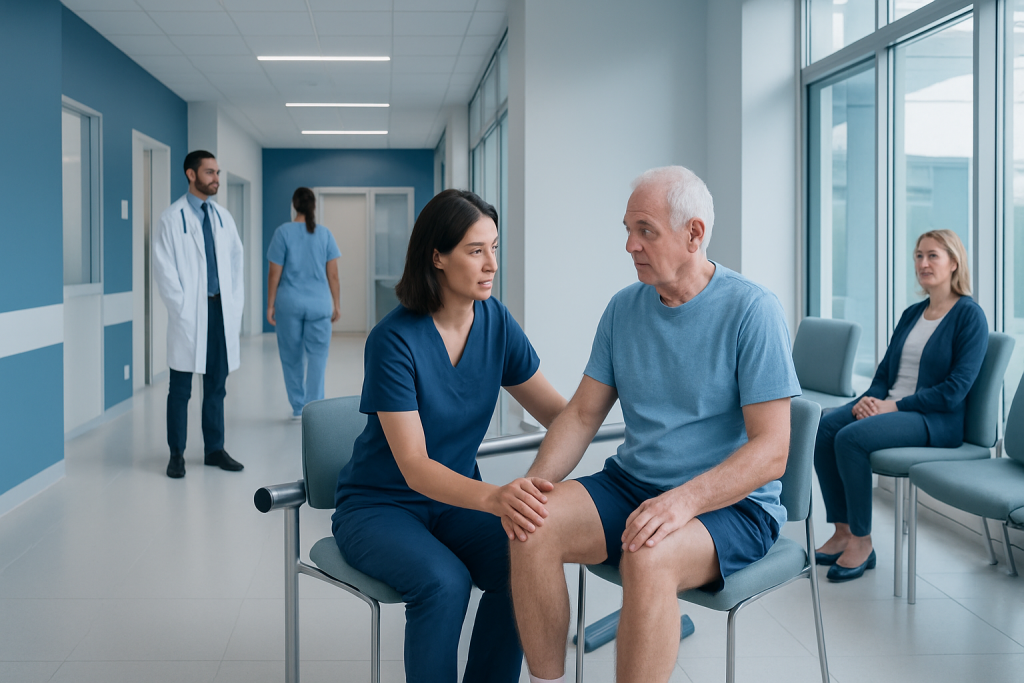
Rehabilitation usually begins soon after knee replacement, with exercises adjusted to pain, swelling, balance, and healing progress. Straightening the knee, restoring bending, activating the thigh muscles, and walking safely are early rehabilitation priorities.
Key Takeaways
- Rehabilitation usually begins soon after knee replacement, with exercises adjusted to pain, swelling, balance, and healing progress.
- Straightening the knee, restoring bending, activating the thigh muscles, and walking safely are early rehabilitation priorities.
- Recovery speed varies with age, overall health, the condition of the knee before surgery, and participation in physiotherapy.
- Increasing redness, wound drainage, fever, sudden calf pain, chest pain, or shortness of breath require prompt medical assessment.
- A downloadable exercise plan can be useful, but it should not replace individualized advice from a surgeon or physiotherapist.
Exercises for knee replacement PDF resources can help patients understand common rehabilitation movements, but the safest program is one tailored by the surgical and physiotherapy team. Early movement, gradual strengthening, swelling control, and regular follow-up all support recovery after knee replacement surgery.
Overview: Exercises for Knee Replacement PDF and Rehabilitation
An exercises for knee replacement PDF usually outlines movements used after total or partial knee replacement to restore knee motion, muscle control, walking ability, and confidence in everyday activities. It can be a helpful reminder between physiotherapy appointments, but the exercises, pace, and precautions should always follow the individual plan provided by the surgeon and physiotherapist.
Knee replacement surgery removes damaged joint surfaces and replaces them with artificial components designed to reduce pain and improve function. Rehabilitation is not separate from the procedure: carefully paced movement is an essential part of regaining the best possible use of the new joint.
Many people have knee replacement because of advanced osteoarthritis, although inflammatory arthritis, injury-related arthritis, or some knee deformities may also lead to surgery. For background on the most common underlying condition, see osteoarthritis.
How Knee Replacement Works and Who May Benefit
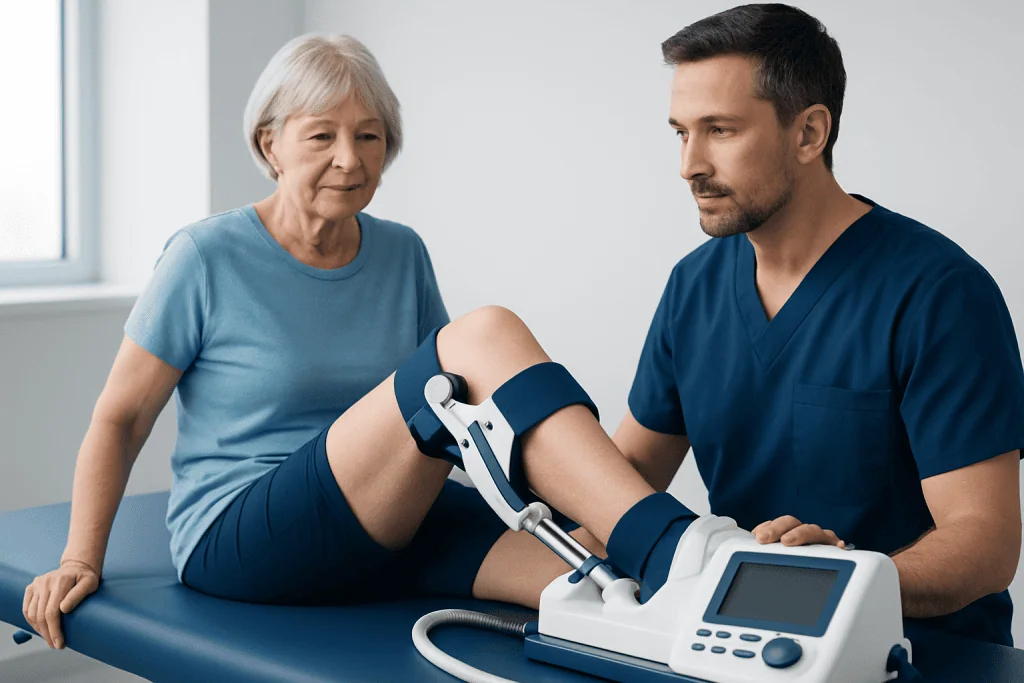
During knee replacement, an orthopedic surgeon reshapes the worn portions of the thighbone, shinbone, and sometimes the kneecap. Metal and durable plastic components are then positioned to create smooth joint surfaces. A total knee replacement treats all major parts of the joint, while a partial knee replacement may be appropriate when damage is limited to one area.
People may be considered for surgery when knee pain and stiffness substantially limit sleep, walking, work, or daily tasks despite non-surgical care. This care may include exercise therapy, weight management when appropriate, walking aids, medicines, injections, or other approaches. X-rays and the person’s symptoms, function, health status, and goals all help guide the decision.
Age alone does not determine candidacy. The care team considers heart and lung health, diabetes management, medication use, bone quality, infection risk, previous knee operations, support at home, and the ability to participate in recovery. The choice to proceed should follow a detailed discussion of expected benefits, limitations, and possible complications.
What Happens During the Procedure
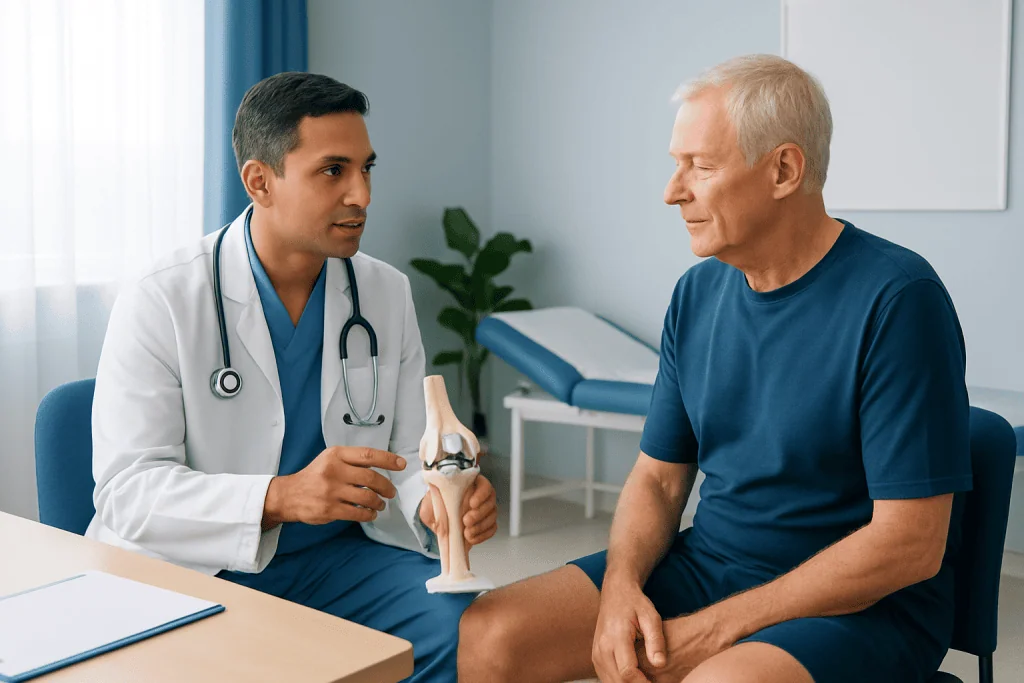
Before surgery, patients commonly have a medical assessment, blood tests, imaging, medication review, and education about preparing the home and arranging support. An anesthesiologist discusses anesthesia options, which may include general anesthesia, regional anesthesia, or a combination depending on the person’s circumstances and local practice.
In the operating room, the surgeon makes an incision at the front of the knee, prepares the damaged bone and cartilage surfaces, and secures the replacement components. The surgical team checks the joint’s alignment, stability, and movement before closing the wound. The procedure length varies according to the type of replacement and individual surgical needs.
Walking and simple exercises often begin on the day of surgery or the next day when medically appropriate. A physiotherapist teaches safe transfers, use of a walker or crutches if needed, stair practice, and an initial home program. Patients seeking information about the operation itself can explore knee replacement surgery.
Early Exercises and the Most Important Movement After Surgery
What is the most important exercise after knee replacement surgery? There is no single exercise that is best for every patient, but early knee-straightening work is often especially important. Restoring full extension, meaning the ability to fully straighten the knee, supports efficient standing and walking and can help reduce the risk of a persistent bent-knee posture.
Common early exercises include ankle pumps to encourage circulation, quadriceps sets to activate the thigh muscles, heel slides to gradually improve knee bending, and supported knee-straightening exercises. Short, frequent walking sessions are also commonly prescribed. A physiotherapist may modify or delay movements based on wound healing, pain control, balance, range of motion, or other medical conditions.
A printed or digital program should be used as a guide rather than a target to push through pain. Mild soreness or temporary stiffness can occur, particularly after exercise, but sharp pain, marked swelling, new instability, or a significant loss of motion should be discussed with the rehabilitation team. Good technique and regular practice matter more than doing many repetitions at once.
- Use prescribed walking aids until the care team confirms that they are no longer needed.
- Balance activity with elevation, cold therapy if recommended, rest, and medication as prescribed.
- Avoid kneeling, twisting, high-impact activity, or unapproved exercises until cleared by the surgeon or physiotherapist.
Recovery Timeline, Knee Bend Goals, and Age
Recovery after knee replacement follows a general pattern, but it is not identical for every person. In the first days and weeks, priorities include wound care, safe walking, swelling management, gradually improving straightening and bending, and rebuilding thigh strength. Many people transition from a walker to a cane and then to independent walking as strength, control, and safety improve.
How far should my knee bend 6 weeks after knee replacement? Many rehabilitation programs aim for approximately 90 degrees of bend by several weeks after surgery and often work toward around 110 degrees or more over time. However, there is no universal six-week number: pre-surgery motion, swelling, surgical details, scar tissue formation, and individual healing all influence progress. The surgeon or physiotherapist should interpret range-of-motion goals in context.
How long does it take a 70 year old to recover from knee surgery? A healthy 70-year-old may make meaningful gains in walking and daily activity during the first 6 to 12 weeks, while strength, endurance, and comfort can continue improving for 6 to 12 months or longer. Some older adults recover more quickly and others need more time, particularly if they have other health conditions, reduced balance, limited support, or substantial weakness before surgery.
Follow-up appointments allow the team to assess the incision, pain level, mobility, knee movement, and the need for changes to rehabilitation. Recovery should be judged by steady functional progress rather than comparison with another patient’s timeline.
Benefits, Risks, and What Helps Recovery
What helps speed up knee replacement recovery? Recovery is best supported by following the personalized physiotherapy plan, taking prescribed medicines correctly, protecting the incision, attending follow-up visits, eating a balanced diet with adequate protein, staying hydrated, and avoiding tobacco. Consistent short sessions of approved movement are generally safer and more effective than overexertion followed by prolonged rest.
Potential benefits of knee replacement include less pain, improved stability, better walking tolerance, and greater ability to take part in daily activities. The degree of improvement differs between individuals, and a replaced knee may not feel exactly like a natural knee. Some stiffness, numbness around the scar, or discomfort with kneeling can persist.
As with any major operation, complications are possible. These include infection, blood clots, bleeding, wound problems, nerve or blood vessel injury, stiffness, persistent pain, fracture, joint instability, and implant loosening or wear over time. Preventive measures may include early mobility, compression, blood-clot prevention medicines when indicated, and careful wound care. The care team explains the risks most relevant to the individual.
For patients needing coordinated orthopedic assessment, surgical care, and rehabilitation, Acibadem International’s multidisciplinary specialists and JCI-accredited hospitals provide diagnosis and treatment for international patients. Rehabilitation plans may include physical therapy and rehabilitation to support safe functional recovery.
When to Seek Medical Care
Patients should contact their surgical team promptly if pain, redness, warmth, swelling, or drainage around the incision is worsening rather than improving. Fever, chills, a wound that opens, or new difficulty bearing weight also deserve timely medical advice. It is important not to wait for a scheduled appointment if there is concern about infection or another complication.
Urgent medical care is needed for sudden chest pain, shortness of breath, coughing blood, fainting, or symptoms of a possible blood clot such as new one-sided calf swelling, pain, warmth, or tenderness. These symptoms may have causes unrelated to surgery, but they require immediate assessment.
Patients should also ask their physiotherapist or surgeon about a plateau or setback in knee movement, severe pain during exercise, repeated falls, or concerns about using walking aids. Early guidance can help adjust the recovery plan safely and address problems before they become more limiting.
Frequently asked questions
Can an exercises for knee replacement PDF replace physiotherapy?
No. A PDF can reinforce instructions and help patients remember approved exercises, but it cannot assess movement quality, wound healing, balance, pain, or changing needs. Physiotherapy provides individualized progression and is particularly important when recovery is slower than expected.
How often should exercises be done after knee replacement?
The recommended frequency depends on the phase of recovery and the specific exercise. Many early programs use short sessions spread through the day, but patients should follow the schedule set by their physiotherapist and surgeon. Doing more than advised can increase pain and swelling without improving recovery.
Is swelling normal after knee replacement surgery?
Some swelling is common for weeks and may fluctuate as activity increases. Elevation, approved cold therapy, ankle movements, and pacing activity can help when recommended by the care team. Worsening swelling with calf pain, increasing redness, fever, or shortness of breath requires prompt medical assessment.
When can someone walk without a walker or cane after knee replacement?
The timing varies, but many patients reduce walking aids over the first several weeks as strength, balance, and walking control improve. The decision should be based on safe walking rather than a fixed date. Stopping an aid too early may increase the risk of limping or falling.
Should exercise hurt after knee replacement?
Mild stretching discomfort, muscle fatigue, and temporary soreness can be expected during rehabilitation. Severe, sharp, or escalating pain is not a signal to push harder. Patients should stop the movement and seek advice if pain is severe, associated with a new injury, or accompanied by significant swelling or instability.
Can a knee replacement bend normally?
Many people regain enough knee bend for walking, sitting, stairs, and daily self-care, but the final range differs among individuals. Preoperative motion, swelling, scar tissue, surgical factors, and rehabilitation all affect bending. The clinical team can provide realistic movement goals for each patient.
References
- American Academy of Orthopaedic Surgeons
- National Institute for Health and Care Excellence
- Arthritis Foundation
- Centers for Disease Control and Prevention
- World Health Organization
This article is for general information only and is not a substitute for professional medical advice. Please consult a qualified doctor about your individual situation.
Joint and spine care in Turkey — expert assessment & treatment
JCI-accredited · board-certified surgeons · reply within 24h
Add us as a Preferred Source to see more of our trusted health content across Google Search, AI Overviews and Discover.