Eyebrow Transplant: Procedure, Recovery, and Long-Term Results
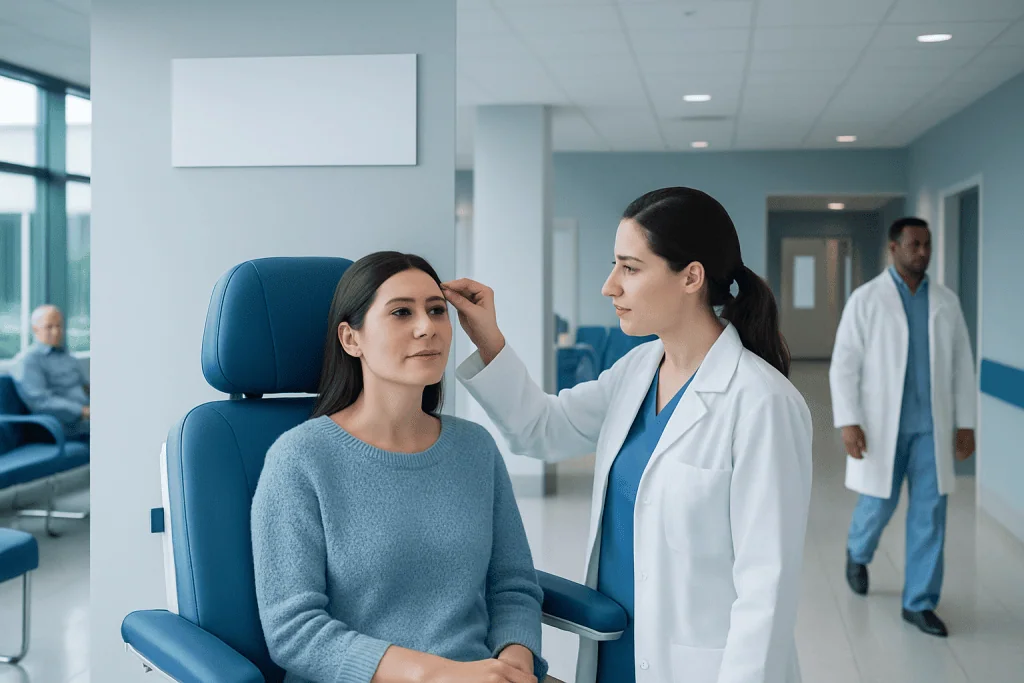
An eyebrow transplant uses a person’s own hair follicles to rebuild or reshape the eyebrows. The procedure requires careful design to match facial proportions, brow direction, and hair angle.
Key Takeaways
- An eyebrow transplant uses a person’s own hair follicles to rebuild or reshape the eyebrows.
- The procedure requires careful design to match facial proportions, brow direction, and hair angle.
- Recovery usually involves mild redness, swelling, crusting, and temporary shedding before new growth begins.
- Final results develop gradually over several months and may need routine trimming and grooming.
- Not everyone is an ideal candidate; underlying skin, hormonal, or autoimmune causes of hair loss should be assessed first.
An eyebrow transplant is a procedure that restores thin or missing eyebrow hair by moving hair follicles, usually from the scalp, into the brow area. Most people can expect a gradual recovery, temporary shedding of transplanted hairs, and long-term results that often require regular trimming because the new hairs keep some scalp-hair characteristics.
Overview: What an Eyebrow Transplant Does
An eyebrow transplant is a hair restoration procedure used to improve eyebrow density, shape, or symmetry. It usually involves taking healthy hair follicles from a donor area, most often the scalp, and placing them into the eyebrow region one by one. The goal is to create a natural-looking brow pattern that fits the person’s facial features.
This procedure may be considered by people who have naturally sparse brows, hair loss from overplucking, scarring, aging, or loss related to certain medical conditions. It can also help after trauma or previous cosmetic procedures that left the brows thin or uneven. Before treatment, the cause of eyebrow loss should be reviewed, because some conditions may continue to affect hair growth if they are not managed.
Unlike makeup, microblading, or temporary cosmetic solutions, an eyebrow transplant uses living hair follicles. Once the transplanted follicles heal and begin growing, they can provide long-lasting improvement. However, because donor hairs often come from the scalp, they may grow longer and faster than natural eyebrow hairs, so regular maintenance is usually needed.
Who May Benefit and What Results to Expect
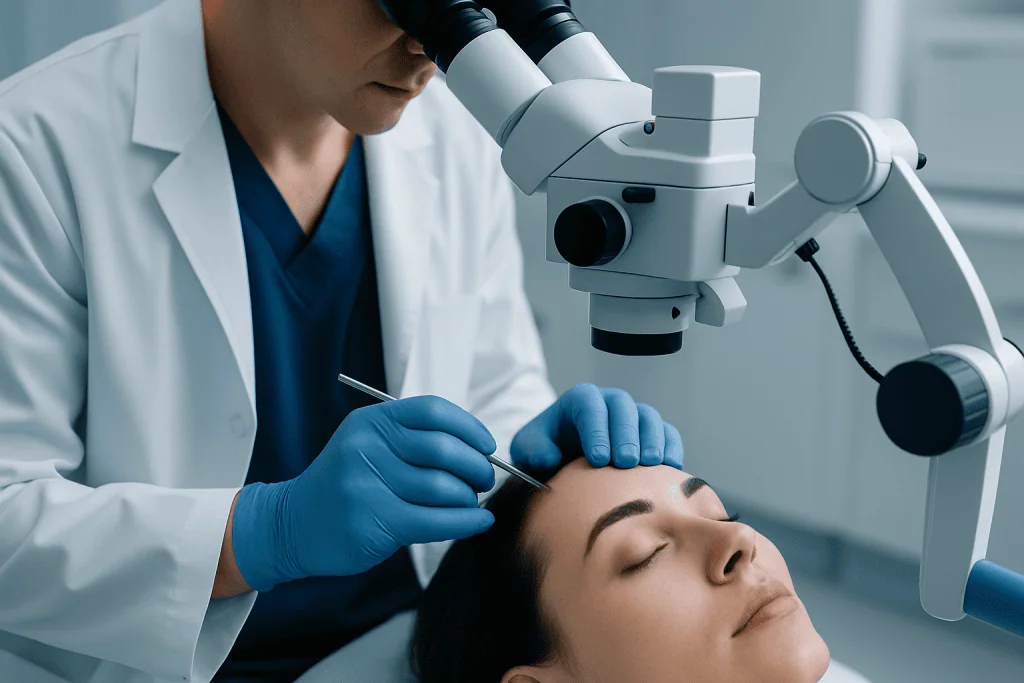
People may consider an eyebrow transplant for several reasons. Common examples include brows thinned by repeated plucking or waxing, eyebrow loss after burns or scars, and reduced brow fullness with age. Some people also seek treatment for naturally light or patchy brows when they want a fuller appearance that still looks natural.
Results depend on several factors, including donor hair quality, the condition of the eyebrow skin, the skill of graft placement, and whether an underlying condition is active. Good candidates generally have enough healthy donor hair and stable skin in the eyebrow area. If there is ongoing inflammation, active skin disease, or uncontrolled hair loss from a medical cause, treatment may need to be delayed until that issue is addressed.
It is also important to have realistic expectations. A transplanted eyebrow can improve fullness and shape, but it may not look exactly like the brows a person had earlier in life. Because of the unique growth pattern of eyebrow hair, successful outcomes rely heavily on precise angle, direction, and spacing. People exploring broader hair restoration plans may also review hair transplant treatment and related topics such as hair loss, Norwood scale, or hair transplant recovery timeline when discussing expectations with a specialist.
How the Procedure Is Performed

Eyebrow transplantation is usually performed as a planned outpatient procedure under local anesthesia. The process begins with detailed design. The surgeon maps the desired brow outline, arch, and density while considering face shape, existing brow hairs, and personal preferences. This design stage is especially important because even small changes in brow position can affect facial expression.
Hair follicles are then collected from a donor area, commonly from behind or above the ear where the hair may be finer. Depending on the technique, follicles may be removed individually or prepared as very small grafts. Each graft is typically placed into tiny recipient sites in the brow using careful control of depth, angle, and direction so the hair lies as flat and naturally as possible.
Usually, single-hair grafts are preferred for the most natural eyebrow appearance. The surgeon may place hairs in different directions in the inner, middle, and outer brow to imitate normal anatomy. In some cases, people considering additional facial hair restoration may also discuss beard transplant or cosmetic options such as FUE hair transplant if donor harvesting methods are part of a wider plan.
The procedure time varies depending on how many grafts are needed and whether one or both eyebrows are treated. After placement, the area is cleaned and the patient receives instructions on washing, sleeping position, and activity restrictions for the first days of healing.
Recovery and Early Healing
Recovery after an eyebrow transplant is usually manageable, but the first days require gentle care. Mild redness, swelling, sensitivity, and small crusts around the grafts are common. The donor area on the scalp may also feel tender for a short time. These effects usually improve gradually as the skin heals.
During early recovery, patients are often advised not to rub, scratch, or apply unapproved products to the eyebrows. Washing instructions are important because the grafts need time to settle. It is also usually recommended to avoid strenuous exercise, swimming, heavy sweating, and direct sun exposure for a period advised by the treating team.
One part of recovery that surprises some people is shedding. The transplanted eyebrow hairs often fall out after the initial healing phase. This is expected and does not mean the grafts have failed. The follicles remain under the skin and later begin a new growth cycle. People reading about broader recovery stages may also find hair transplant graft counts helpful when learning how procedure planning and density influence expectations.
Follow-up visits allow the doctor to check healing, answer questions, and look for signs of irritation or infection. Most people can return to many normal daily activities quickly, but the cosmetic appearance during the first week or two may be affected by crusting or mild swelling.
Long-Term Results and Ongoing Maintenance
Eyebrow transplant results develop gradually. New growth usually begins after a resting period, and the brows continue to improve over the following months. Final appearance is not immediate, so patience is important. As density fills in, the brows can be shaped and groomed more easily.
Long-term results can be durable because the transplanted follicles are living follicles that continue to grow. However, the hairs often keep some characteristics of the donor scalp hair. This means they may grow longer, require regular trimming, and sometimes need styling products or brushing so they lie in the desired direction.
In some cases, a second session may be discussed if a person wants more density or if fine-tuning is needed after the first transplant has fully matured. Long-term satisfaction is usually highest when the original design was realistic and when underlying causes of hair loss were stable before surgery. A careful, natural-looking brow shape is often more important than maximum density alone.
Risks, Limits, and Who May Not Be an Ideal Candidate
Like any procedure, an eyebrow transplant has possible risks and limitations. These may include temporary swelling, bruising, itching, ingrown hairs, uneven growth, or less-than-expected density. Infection and scarring are uncommon but possible. Sometimes the direction of growth may not perfectly match natural brow hair, which is why technique and planning matter so much.
Not everyone is an ideal candidate. People with active autoimmune disease affecting the hair, untreated thyroid problems, ongoing inflammatory skin conditions, or unstable forms of alopecia may need medical evaluation before surgery. If eyebrow loss is due to a condition that is still active, transplanted follicles may not perform as expected. Assessment by a dermatologist or hair restoration specialist can help identify these issues.
Scarring in the brow area does not automatically prevent treatment, but heavily scarred skin may have a reduced blood supply, which can affect graft survival. In these situations, the doctor may discuss whether surgery is suitable, whether another technique is better, or whether medical treatment should come first.
- Best candidates usually have stable eyebrow loss and enough healthy donor hair.
- Medical causes of eyebrow thinning should be reviewed before surgery.
- Natural results depend on careful design, not only on the number of grafts.
Self-Care, Preparation, and When to Seek Medical Care
Preparation starts with a consultation that reviews medical history, medications, prior cosmetic treatments, and the pattern of eyebrow loss. Patients should tell their doctor about skin conditions, autoimmune disease, and any habits such as plucking or threading. Photos may be used to help plan shape and to compare progress over time.
After the procedure, self-care focuses on protecting the grafts and following cleaning instructions. It is sensible to avoid pressure on the brows, use only approved products, and attend scheduled follow-up visits. Long-term care may include trimming, brushing, and occasional shaping because transplanted hairs can grow differently from native brow hairs.
Medical advice should be sought if there is increasing pain, spreading redness, pus, fever, significant bleeding, or swelling that worsens instead of improves. A doctor should also be consulted if the skin around the brows becomes very itchy, develops a rash, or if there are concerns about poor healing. If eyebrow loss is sudden, patchy, or associated with scalp hair loss, skin changes, or other symptoms, evaluation is important because the cause may be medical rather than cosmetic.
For people seeking specialist assessment, Acibadem International’s multidisciplinary teams in JCI-accredited hospitals evaluate hair and eyebrow restoration needs for international patients and help determine whether transplant treatment or medical management is the better next step.
Frequently asked questions
Is an eyebrow transplant permanent?
An eyebrow transplant is generally considered long lasting because it uses living hair follicles taken from the person’s own body. However, the final outcome can be affected by healing, grooming, and whether there is an ongoing medical condition causing hair loss.
How long does eyebrow transplant recovery take?
Early healing usually takes days to a couple of weeks, with redness, crusting, and mild swelling improving during that time. Full cosmetic results take much longer because transplanted hairs often shed first and then regrow gradually over several months.
Do transplanted eyebrow hairs fall out?
Yes, temporary shedding after the procedure is common and expected. The visible hair may fall out during the early phase, but the follicles usually remain in place and can start producing new hair later.
Will transplanted eyebrow hair need trimming?
Often, yes. Because donor hair usually comes from the scalp, it may grow longer and faster than natural eyebrow hair, so regular trimming and grooming are commonly needed.
Who is not a good candidate for an eyebrow transplant?
People with active skin inflammation, unstable autoimmune hair loss, untreated hormonal or thyroid problems, or certain scarring conditions may not be ideal candidates until those issues are evaluated. A doctor can help determine whether medical treatment should come before surgery.
Is the procedure painful?
The procedure is usually done with local anesthesia, so discomfort during treatment is generally limited. Mild soreness or tenderness in the donor area and brow area can occur afterward, but this is usually temporary.
References
- American Academy of Dermatology
- British Association of Dermatologists
- International Society of Hair Restoration Surgery
- Mayo Clinic
- National Health Service
This article is for general information only and is not a substitute for professional medical advice. Please consult a qualified doctor about your individual situation.
Eyebrow Transplant in Turkey — costs, top hospitals & a free quote
JCI-accredited · board-certified surgeons · reply within 24h
Add us as a Preferred Source to see more of our trusted health content across Google Search, AI Overviews and Discover.

Hair Transplant
Modern FUE and DHI hair restoration with natural, lasting results.
More from the Health Library

Related Specialists
Prof. Dr. Kerem Bilsel
Orthopedic Surgery & Traumatology
Assoc. Prof. Dr. Betül Mazlum
Pediatric & Adolescent Psychiatry
Dr. Alper Sonkaya
Medical Oncology
Assoc. Prof. Dr. Işil Yıldız
Gastrointestinal Oncology Unit Clinical Service