Eyelid Blackening — Explained by Medical Evidence, Not Myths

Eyelid blackening can result from bruising, inflammation, rubbing, allergies, eczema, or natural pigmentation changes. The thin skin of the eyelids makes color changes more noticeable than on many other parts of the body.
Key Takeaways
- Eyelid blackening can result from bruising, inflammation, rubbing, allergies, eczema, or natural pigmentation changes.
- The thin skin of the eyelids makes color changes more noticeable than on many other parts of the body.
- Sudden blackening after trauma, pain, swelling, vision changes, or fever should be checked by a doctor promptly.
- Treatment depends on the cause and may include skin care changes, allergy control, treatment of eczema, or evaluation for injury or infection.
- Persistent or unexplained eyelid discoloration deserves professional assessment rather than self-diagnosis.
Eyelid blackening is a descriptive term for darkening of the eyelid skin, and it is not a diagnosis by itself. In many people it relates to bruising, irritation, allergies, pigmentation changes, or skin conditions, but some cases need medical assessment to rule out infection, injury, or other underlying problems.
Overview: what eyelid blackening usually means
Eyelid blackening usually means the eyelid skin has become darker than normal, either suddenly or gradually. In medical practice, this appearance may reflect bruising, increased pigment, visible blood vessels under very thin skin, inflammation from rubbing or dermatitis, or less commonly a deeper medical problem. Because the eyelids are delicate and richly supplied with blood vessels, even minor irritation or swelling can produce striking color changes.
The term itself is broad, so the most helpful question is not simply “why are the eyelids dark?” but “what pattern is present?” Doctors look at whether the change is one-sided or both-sided, painful or painless, new or long-standing, and associated with swelling, itching, a rash, trauma, or vision symptoms. This approach helps separate common benign causes from problems that need prompt treatment.
Many online explanations focus only on fatigue or “toxins,” but medical evidence shows the causes are more varied. Lack of sleep can make dark circles or blood vessels more noticeable, yet true eyelid blackening often involves skin inflammation, injury, allergic disease, pigment change, or structural factors around the eyes. A careful history and exam are usually more useful than myths or home theories.
How eyelid blackening can look and feel
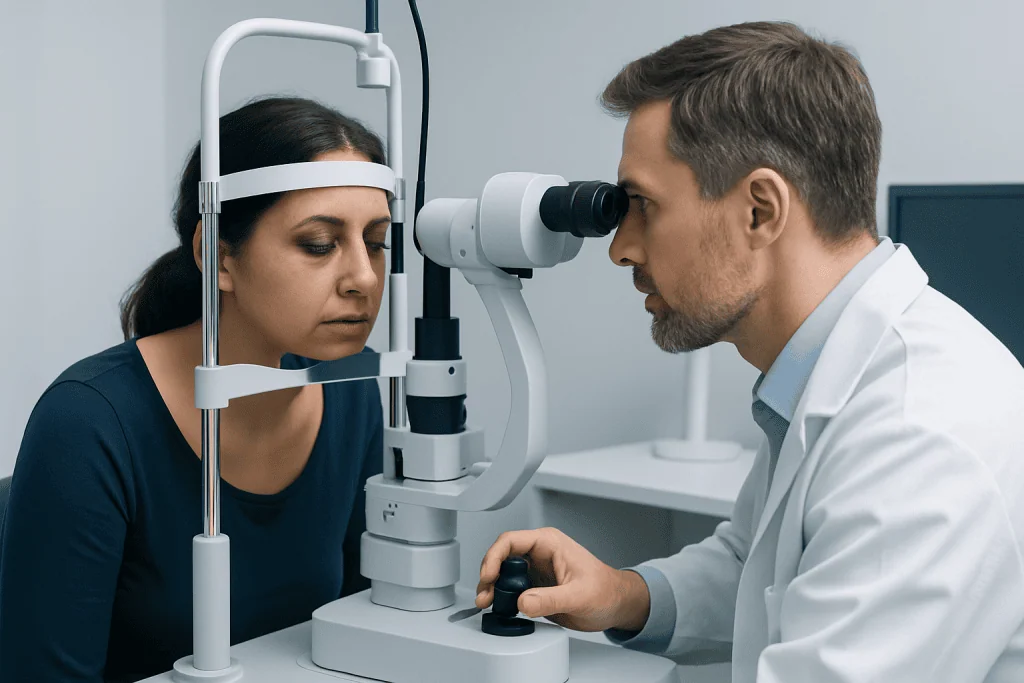
Eyelid blackening may appear as brown, gray, purple, blue, or almost black discoloration. The exact shade offers clues: purple or blue often suggests bruising or visible pooled blood under the skin, while brown or gray may point more toward pigmentation, eczema-related darkening, or chronic rubbing. Some people notice the upper lids are most affected, while others see changes around both upper and lower eyelids.
Associated symptoms can be very important. Itching may suggest allergy or eczema. Tenderness, swelling, or warmth may indicate inflammation, trauma, or infection. Dryness, scaling, or burning often fits with eyelid dermatitis, while painless gradual darkening may reflect post-inflammatory pigmentation or natural skin tone variation.
Doctors also consider whether the skin itself has changed texture. Thickened skin can occur when eyelids are rubbed repeatedly. Small bumps, redness, or oily scale may suggest eczema, contact dermatitis, or related skin conditions. If the darkening is accompanied by bulging, double vision, or trouble moving the eye, urgent evaluation is needed because the cause may involve structures deeper than the eyelid skin.
Common causes and risk factors

One of the most common causes of eyelid blackening is bruising. This may follow a direct injury, cosmetic procedure, eye rubbing, or even surgery in nearby facial areas. Because the eyelid skin is so thin, a small amount of bleeding under the skin can look dramatic. In many cases, the color fades over days to weeks as the body breaks down the trapped blood.
Another common cause is inflammation. Allergies, eyelid dermatitis, eczema, and irritation from cosmetics or skin-care products can trigger redness and swelling at first, followed by darker pigmentation as the inflammation settles. Repeated rubbing or scratching is especially important because it can worsen both irritation and darkening. When this process is chronic, doctors may identify related skin disorders such as atopic dermatitis or contact eczema.
Natural pigmentation and hereditary factors also matter. Some people have darker eyelid skin because of genetics, skin tone, sun exposure, or increased melanin after past inflammation. Fatigue, aging, and volume loss around the eyes may make shadowing and blood vessels more visible, which can mimic true pigmentation. Less often, darkening may be linked to certain medications, hormonal changes, vascular changes, or systemic conditions that affect the skin.
Risk factors include sensitive skin, frequent eye rubbing, seasonal allergies, use of fragranced cosmetics, previous eczema, recent facial trauma, and significant sun exposure. Poor sleep does not directly “cause” pigment, but it can make discoloration more noticeable by increasing puffiness, dullness, and visible vascular shadows.
When eyelid blackening may signal a more serious problem
Although many cases are mild, some forms of eyelid blackening should not be ignored. Dark discoloration after a blow to the face can be part of a simple bruise, but severe swelling, eye pain, reduced vision, headache, nausea, or trouble moving the eye raise concern for a more significant injury. In these situations, doctors may need to evaluate the eye socket and surrounding tissues urgently.
Infection is another important consideration. If the eyelid is darkened along with redness, warmth, tenderness, fever, or rapidly increasing swelling, clinicians may consider an eyelid or surrounding tissue infection. These conditions can sometimes resemble severe irritation at first, but they need proper medical assessment and may require medication. Persistent swelling or a new lump should also be checked.
Less commonly, unexplained or long-lasting eyelid discoloration may be connected with a skin growth, blood vessel problem, autoimmune inflammation, or a systemic disorder. That does not mean every dark eyelid is serious, but it does mean sudden change without a clear reason, one-sided symptoms, or associated eye complaints should be evaluated rather than watched indefinitely.
How doctors diagnose the cause
Diagnosis begins with a focused history. A doctor will usually ask when the darkening started, whether there was trauma, what skin products or cosmetics are used, whether itching or swelling is present, and whether the patient has allergies, eczema, or eye disease. They may also ask about medications, sun exposure, family history of pigmentation, and symptoms such as pain, discharge, blurred vision, or fever.
The physical examination looks at color, distribution, tenderness, scaling, swelling, and whether one or both eyelids are involved. The doctor may inspect the eye surface, check vision, and assess eye movement if there is concern about deeper involvement. If dermatitis is suspected, the pattern and triggers are reviewed carefully, and some patients may later need patch testing through a dermatologist or allergist.
Testing is not always necessary. Many cases can be diagnosed clinically based on history and examination. However, if trauma, infection, or eye disease is suspected, the patient may need eye evaluation and sometimes imaging. In selected cases, referral to specialists in dermatology care or ophthalmology evaluation can help confirm the diagnosis and guide treatment.
Treatment options based on the cause
Treatment for eyelid blackening depends entirely on the underlying reason. A bruise may only need time, cold compresses early on, and protection from further irritation. Inflammatory darkening from eczema or allergy improves best when the trigger is identified and controlled. This may involve stopping a new cosmetic product, simplifying skin care, reducing rubbing, and using doctor-recommended treatments for eyelid inflammation.
If dermatitis is present, the treatment plan may focus on repairing the skin barrier and calming inflammation. Gentle cleansing, fragrance-free moisturizers designed for sensitive skin, and avoiding harsh active ingredients around the eyes are often advised. When clinically appropriate, doctors may prescribe medication for eyelid eczema or allergic inflammation, but patients should not apply steroid creams near the eyes without medical guidance because misuse can harm the delicate skin and eyes.
When structural or cosmetic contributors are important, management may also include assessing puffiness, shadowing, or age-related changes rather than true pigment alone. Some people benefit from broader eye care if dryness, irritation, or chronic rubbing is part of the problem. If the darkening follows chronic skin disease such as eczema, long-term control of flare-ups is often the most effective way to prevent recurrence.
For persistent or unexplained pigmentation, clinicians may recommend further assessment before any cosmetic treatment is considered. It is safest to identify the cause first, especially when the change is recent, asymmetrical, or associated with other symptoms.
Prevention and self-care
Prevention starts with protecting the eyelid skin. The area should be treated gently, with minimal rubbing and cautious use of cosmetics, cleansers, and active skin-care ingredients. Products containing fragrance, strong acids, retinoids, or irritating preservatives may trigger eyelid dermatitis in sensitive individuals, even if they are tolerated elsewhere on the face.
Managing allergies can also help. If the eyes are itchy, addressing the allergy trigger and resisting the urge to rub are important steps. Cool compresses may soothe mild irritation. Good sleep, hydration, and sun protection do not cure every cause, but they can reduce puffiness, support overall skin health, and make vascular shadowing less prominent.
People who frequently develop eyelid irritation may benefit from a simple routine:
- Use fragrance-free products around the eyes.
- Remove makeup gently without scrubbing.
- Avoid sharing eye cosmetics.
- Replace old makeup regularly.
- Wear sunglasses and use sun protection on the surrounding skin.
- Seek advice if itching or rash keeps returning.
Self-care is appropriate only when symptoms are mild and the cause seems straightforward. If symptoms worsen, spread, or fail to improve, professional assessment is the safer next step.
When to seek medical care
Medical care is recommended if eyelid blackening appears suddenly without an obvious explanation, lasts for several weeks, or keeps coming back. A doctor should also assess the problem if there is swelling, pain, itching that does not settle, a rash, or a new lump on the eyelid. One-sided discoloration is often worth checking because it may offer a clearer clue to an underlying local cause.
Urgent assessment is important after facial or eye injury, especially if there is double vision, reduced vision, severe headache, nausea, marked swelling, or difficulty moving the eye. Prompt evaluation is also needed if darkening is accompanied by fever, warmth, tenderness, or rapidly worsening redness and swelling, because infection around the eye can require timely treatment.
For international patients who need coordinated assessment, Acibadem International’s multidisciplinary specialists and JCI-accredited hospitals diagnose and treat conditions affecting the eyelids, skin, and eyes. The most appropriate specialist may be a dermatologist, ophthalmologist, or another clinician depending on the suspected cause.
Frequently asked questions
Is eyelid blackening always a sign of poor sleep?
No. Poor sleep can make dark circles, puffiness, and blood vessels more visible, but true eyelid blackening may also come from bruising, allergies, eczema, rubbing, pigmentation changes, or injury. If the discoloration is persistent, one-sided, painful, or new, it should not be blamed on sleep alone.
Can allergies cause dark eyelids?
Yes. Allergies can lead to itching, rubbing, and inflammation around the eyes, all of which may make the eyelids look darker. In some people, repeated inflammation leaves temporary or longer-lasting pigmentation after the flare settles.
How can someone tell if eyelid blackening is a bruise or pigmentation?
A bruise often appears suddenly and may look purple, blue, or dark brown after trauma or pressure, then gradually fades over days or weeks. Pigmentation tends to develop more slowly, may be brown or gray, and usually does not feel tender. A doctor can help if the distinction is unclear.
Should steroid cream be used on dark or irritated eyelids?
Not without medical advice. The eyelid skin is very thin, and inappropriate steroid use near the eyes can cause complications. If eyelid dermatitis is suspected, it is safer to have a clinician recommend the right treatment.
Can cosmetics or skin-care products cause eyelid blackening?
Yes. Fragrances, preservatives, makeup, lash products, removers, and active ingredients can irritate the eyelids or trigger contact dermatitis. The resulting inflammation may cause redness first and then darkening afterward.
When is eyelid blackening an emergency?
Urgent care is needed if it follows an eye or facial injury and is accompanied by vision changes, severe pain, marked swelling, headache, nausea, or trouble moving the eye. Fever, warmth, tenderness, or rapidly spreading redness and swelling also require prompt medical attention.
This article is for general information only and is not a substitute for professional medical advice. Please consult a qualified doctor about your individual situation.
Explore treatments in Turkey — costs, top hospitals & a free quote
JCI-accredited · board-certified surgeons · reply within 24h
Add us as a Preferred Source to see more of our trusted health content across Google Search, AI Overviews and Discover.

More from the Health Library
Mango Glycemic Index — Explained by Medical Evidence, Not Myths

Fluoraday: A Complete Medical Overview

Decolletage Decollete — Explained by Medical Evidence, Not Myths

Noxzema Pads — Explained by Medical Evidence, Not Myths

A.c.i.d — Explained by Medical Evidence, Not Myths