Fluoraday: A Complete Medical Overview

Fluoraday refers to a fluoride product used to support cavity prevention. It is most helpful for people at higher risk of dental decay or with low fluoride exposure.
Key Takeaways
- Fluoraday refers to a fluoride product used to support cavity prevention.
- It is most helpful for people at higher risk of dental decay or with low fluoride exposure.
- Too much fluoride can cause side effects, including dental fluorosis in children whose teeth are still developing.
- A dentist or pediatrician can help decide whether fluoride supplementation is appropriate.
- Fluoraday should be used as directed and kept out of reach of children.
Fluoraday is generally understood as a fluoride-containing supplement or dental prevention product used to help reduce the risk of tooth decay, especially when a person does not get enough fluoride from drinking water or other sources. Safe use depends on the person’s age, total fluoride exposure, and guidance from a dentist or doctor.
Overview: What Fluoraday Is and Why It Is Used
Fluoraday is commonly described as a fluoride-based product intended to support dental health by helping prevent cavities. Fluoride strengthens tooth enamel, the hard outer layer of the teeth, and can make teeth more resistant to acid damage caused by bacteria and sugars in the mouth. For people who do not get enough fluoride from drinking water, toothpaste, or professional dental care, a fluoride supplement may sometimes be recommended.
Because brand names and formulations can vary by country, the exact ingredients and directions for Fluoraday may differ. In general, products in this category may come as drops, tablets, lozenges, or other forms. Some are intended for children, while others may be used in broader age groups. Reading the product label and checking with a qualified clinician are important first steps.
Fluoride is beneficial when used appropriately, but more is not always better. The goal is to provide enough fluoride to protect teeth without exceeding safe levels. That balance is especially important in infants and young children, because excessive fluoride exposure while adult teeth are developing can affect how tooth enamel looks.
How Fluoride Helps Protect Teeth
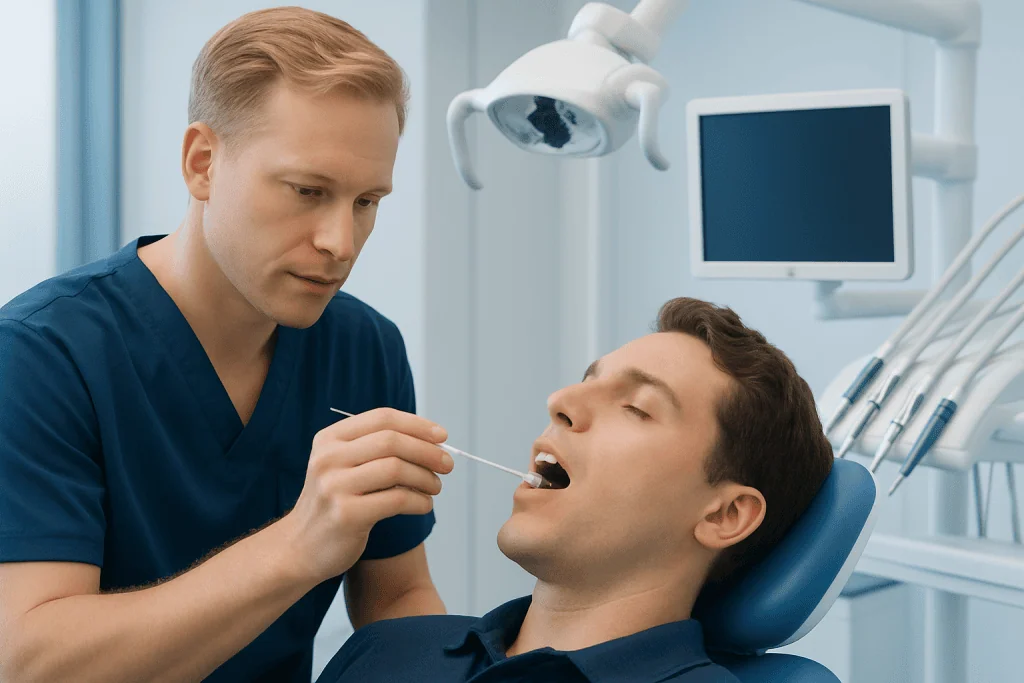
Tooth decay develops when acids produced by oral bacteria gradually dissolve minerals from the enamel. Fluoride helps by supporting remineralization, a natural process in which minerals such as calcium and phosphate are redeposited into the enamel. This can slow early damage and make the tooth surface stronger.
Fluoride also reduces how easily enamel dissolves in acid. In practical terms, this means teeth may be better protected against the repeated acid attacks that happen after eating or drinking sugary and starchy foods. This is why fluoride is a well-established part of modern cavity prevention.
For many people, fluoridated toothpaste and fluoridated community water provide enough protection. A product such as Fluoraday may be considered when these routine sources are not sufficient or when a person has a higher risk of decay. Good fluoride use works best alongside brushing, flossing, and regular dental examinations, rather than replacing them.
Who May Benefit From Fluoraday

Fluoraday may be considered for children or adults who have low fluoride exposure and an increased risk of tooth decay. Examples include people living in areas where the water supply is not fluoridated, those with a history of frequent cavities, or children whose dentists believe additional protection is needed. The decision should be individualized rather than automatic.
Some people have conditions that increase the chance of decay, such as dry mouth, orthodontic appliances, poor enamel quality, or diets high in sugary snacks and drinks. People with dry mouth may lose some of the natural protective effects of saliva and may need closer dental monitoring. In some cases, related oral concerns may overlap with tooth decay or gum disease, both of which can affect long-term oral health.
Children require special attention because recommendations are based on age, cavity risk, and total fluoride intake from all sources. A pediatrician or dentist may ask about the child’s drinking water, toothpaste use, and diet before deciding whether supplementation is appropriate. This helps avoid unnecessary fluoride exposure.
- Low fluoride in the home water supply
- Frequent cavities or early signs of enamel weakness
- High risk of decay due to dry mouth, braces, or diet
- Clinical advice from a dentist or pediatrician after a risk assessment
Safety, Side Effects, and Important Precautions
When used correctly, fluoride products are generally safe and effective. The most important precaution is to avoid taking more than recommended. Excessive fluoride intake over time in young children can lead to dental fluorosis, a condition that changes the appearance of developing teeth, often causing faint white lines or patches. In more significant cases, enamel changes can be more noticeable.
Taking a large amount of fluoride at one time can cause more immediate symptoms such as stomach upset, nausea, vomiting, or diarrhea. This is why fluoride tablets, drops, and similar products should be stored safely and used only under adult supervision. If a child swallows a large amount of a fluoride product, urgent medical advice should be sought right away.
Fluoride exposure adds up from different sources, including tap water, bottled water, toothpaste, mouth rinses, and professional treatments. Before starting Fluoraday, it is sensible to review all fluoride sources with a dentist or doctor. This is particularly important for children younger than 6, who may swallow toothpaste more easily and are more vulnerable to excess intake.
People with kidney problems or other complex medical conditions should also ask a clinician before using supplements regularly. Although fluoride is widely used in dentistry, personal factors still matter. A professional can help determine whether a supplement is necessary or whether options such as dental check-up and cleaning and topical fluoride strategies may be more appropriate.
How Doctors and Dentists Decide If It Is Needed
There is no single answer for everyone, because the need for a fluoride supplement depends on both exposure and risk. A clinician may begin by asking where a person gets drinking water, whether the water is fluoridated, and how often cavities have occurred in the past. They may also ask about brushing habits, diet, medications, and symptoms such as dry mouth.
A dental examination helps identify signs of active decay, weak enamel, plaque buildup, or gum inflammation. If the person already has a high risk of cavities, the clinician may recommend preventive support in addition to or instead of supplementation. This could include professional fluoride varnish, sealants, or individualized oral hygiene advice.
Sometimes the better next step is treating existing dental disease rather than simply adding a supplement. For example, if there are cavities, pain, or infection, evaluation by a dental team is important. Depending on the findings, treatment may include cavity treatment or assessment of broader oral problems before any preventive plan is finalized.
Using Fluoraday Correctly
Fluoraday should be used exactly as directed on the label or by a healthcare professional. The correct amount depends on the product formulation, the person’s age, and how much fluoride is already being consumed from other sources. It should not be started, stopped, or adjusted casually, especially in children.
Some fluoride tablets or lozenges may be intended to dissolve slowly in the mouth so the teeth have direct contact with fluoride. Others may be swallowed. Because instructions differ between products, users should follow the specific directions given for that product rather than assuming all fluoride supplements are used in the same way.
It is also helpful to supervise children during toothbrushing and supplement use. A child should be taught to spit out toothpaste rather than swallow it, and all oral health products should be stored securely. If there is uncertainty about whether the person is already getting enough fluoride, a dentist can review the overall prevention plan and may advise options such as pediatric dentistry support for children or a more tailored adult dental care program.
Prevention and Self-Care Beyond Supplements
Fluoride works best as part of a complete dental prevention routine. Brushing twice daily with fluoride toothpaste, cleaning between the teeth, and limiting frequent sugary snacks and drinks remain the foundation of cavity prevention. These habits reduce plaque and lower the number of acid attacks on the teeth throughout the day.
Diet also matters. Frequent sipping of sweetened beverages, regular snacking on sticky sweets, and poor hydration can all increase cavity risk. Encouraging water intake, choosing balanced meals, and reducing between-meal sugar exposure can make a meaningful difference for both children and adults.
Regular dental visits are important even when there is no pain. A dentist can detect early enamel changes before they become larger cavities and can advise whether fluoride supplementation, varnish, sealants, or other preventive tools are appropriate. Near the end of a patient’s care journey, some may seek multidisciplinary support at Acibadem International, where JCI-accredited hospitals and dental specialists evaluate and treat oral health concerns for international patients.
When to Seek Medical Care
Medical or dental advice should be sought if there is uncertainty about whether Fluoraday is appropriate, especially for a child. Professional guidance is also important if there are repeated cavities, tooth sensitivity, visible enamel changes, or signs of gum problems. Early evaluation can help prevent small issues from becoming more complicated.
Prompt care is recommended if a person develops severe tooth pain, swelling, fever, difficulty eating, or signs of infection. These symptoms usually point to a dental problem that needs direct assessment rather than self-treatment alone. If a child or adult may have swallowed a large amount of a fluoride product, urgent medical help or poison advice should be obtained immediately.
People who have ongoing mouth dryness, complex health conditions, or concerns about medication side effects should also bring these questions to a clinician. A tailored plan is often the safest and most effective approach. If needed, a dentist may also evaluate for related conditions such as tooth decay and recommend preventive or restorative care.
Frequently asked questions
What is Fluoraday used for?
Fluoraday is used to help prevent tooth decay by providing fluoride when normal intake may be too low. It is usually considered for people with low fluoride exposure or a higher risk of cavities.
Is Fluoraday safe for children?
It can be safe for children when it is prescribed or recommended appropriately and used exactly as directed. Safety depends on the child’s age, cavity risk, and total fluoride exposure from water, toothpaste, and other products.
Can too much fluoride be harmful?
Yes. Too much fluoride over time can cause dental fluorosis in children whose permanent teeth are still developing, and swallowing a large amount at once can upset the stomach and cause more serious concerns. This is why fluoride products should be stored safely and used only as instructed.
Does everyone need a fluoride supplement like Fluoraday?
No. Many people already get enough fluoride from drinking water and fluoride toothpaste. A dentist or doctor can help decide whether a supplement is actually needed.
Can adults use Fluoraday too?
Some fluoride products may be used by adults, especially if they have a high risk of cavities or low fluoride exposure. The right product and amount depend on the person’s oral health and overall fluoride intake.
What should someone do if a child swallows Fluoraday?
If a very small accidental amount was taken, the next step depends on the product and quantity. If a larger amount may have been swallowed, or if the child develops nausea, vomiting, or abdominal pain, urgent medical advice should be sought right away.
References
- World Health Organization
- Centers for Disease Control and Prevention
- American Dental Association
- American Academy of Pediatric Dentistry
- National Institute of Dental and Craniofacial Research
This article is for general information only and is not a substitute for professional medical advice. Please consult a qualified doctor about your individual situation.
Explore treatments in Turkey — costs, top hospitals & a free quote
JCI-accredited · board-certified surgeons · reply within 24h
Add us as a Preferred Source to see more of our trusted health content across Google Search, AI Overviews and Discover.