Eyes Rolling Back: An Evidence-Based Guide for Patients

Brief upward eye movement may occur during normal sleep onset, but repeated or unexplained episodes should be assessed. Eyes rolling back with loss of awareness, shaking, collapse, breathing changes, or prolonged confusion may indicate a medical emergency.
Key Takeaways
- Brief upward eye movement may occur during normal sleep onset, but repeated or unexplained episodes should be assessed.
- Eyes rolling back with loss of awareness, shaking, collapse, breathing changes, or prolonged confusion may indicate a medical emergency.
- Seizures are one possible cause, but not every episode of eye rolling is a seizure.
- A clinician may use a medical history, examination, blood tests, heart testing, brain imaging, or EEG to identify the cause.
- Do not restrain a person during a suspected seizure or put anything in their mouth; focus on safety and time the episode.
Eyes rolling back describes an involuntary upward movement of the eyes. It may happen briefly with drowsiness or fainting, but it can also occur during seizures, medication reactions, or neurological conditions, so the surrounding symptoms and recovery pattern matter.
What does “eyes rolling back” mean?
Eyes rolling back usually means the eyes move upward, sometimes so that mainly the whites of the eyes are visible. This movement may be brief and harmless in some situations, such as when a person is becoming very sleepy. However, when it happens unexpectedly, repeatedly, or alongside changes in awareness or body movements, it should be evaluated by a healthcare professional.
The meaning of the symptom depends on context. A person may remain fully awake and able to respond, or may briefly faint, become unresponsive, stare, stiffen, shake, or seem confused afterward. Witness observations are often especially helpful because the person experiencing an episode may not remember it clearly.
Eye rolling is a description rather than a diagnosis. It can reflect normal sleep-related movement, a fainting episode, a seizure, a reaction to certain medicines, or less commonly a neurological or eye-movement disorder. Careful assessment helps distinguish among these possibilities.
Patterns that can help explain the symptom
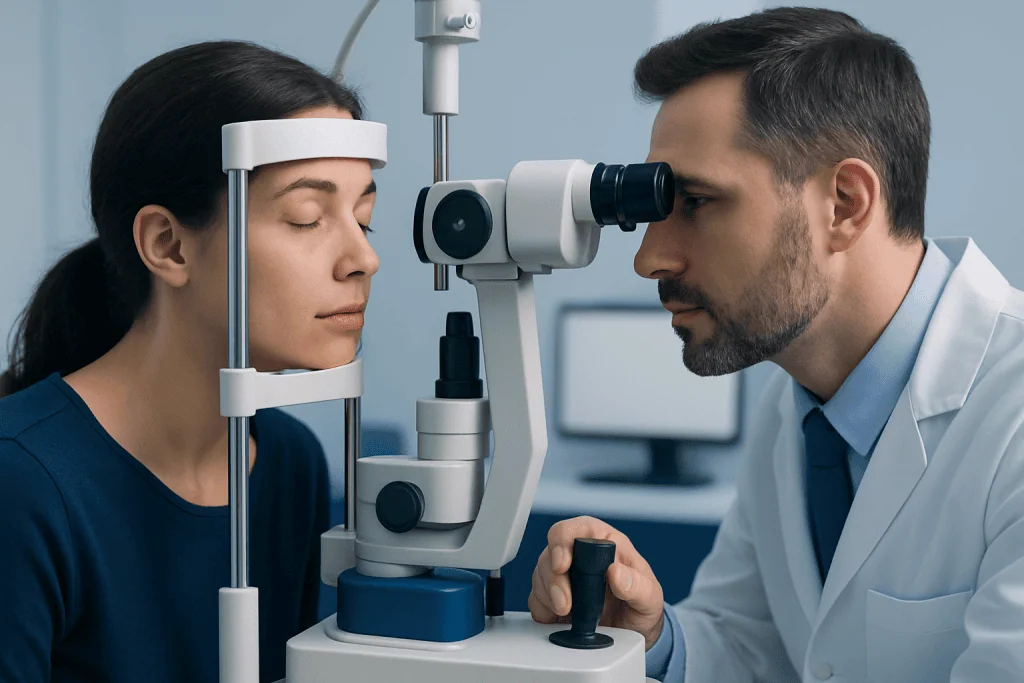
During normal sleep onset, the eyes may briefly drift or turn upward as the person relaxes. This is usually not concerning when it occurs only while falling asleep and there are no other symptoms. Infants and young children may also show brief eye movements during sleep or tiredness, although recurrent episodes while awake deserve medical advice.
Fainting, also called syncope, can cause the eyes to turn upward for a short time. A person may first feel light-headed, warm, nauseated, sweaty, or notice tunnel vision, often after standing for a long time, pain, dehydration, or emotional stress. Brief twitching can occur during a faint, which is why fainting and seizures sometimes look similar.
In a seizure, the eyes may deviate upward or to one side. Other possible features include a sudden pause in activity, staring, loss of awareness, repetitive movements, body stiffening, rhythmic jerking, lip smacking, loss of bladder control, or confusion and tiredness afterward. Some seizures are subtle and do not involve whole-body shaking. For more information about seizure-related conditions, see epilepsy.
Certain medications can rarely cause sustained, involuntary upward eye deviation known as an oculogyric crisis. This may occur with some medicines that affect dopamine signaling, including some anti-nausea and psychiatric medicines. It can be distressing but requires prompt medical assessment, particularly if there is neck stiffness, difficulty swallowing, agitation, or breathing trouble.
Possible causes and risk factors

Common, non-seizure explanations include sleepiness, fatigue, and fainting caused by dehydration, standing quickly, missed meals, pain, heat, or a reflex drop in blood pressure. Alcohol or recreational drug use can also affect alertness, coordination, and eye movements. These causes should not be assumed without considering the full situation.
Seizures may be associated with epilepsy, but a first seizure can also have other triggers. Fever in young children, head injury, low blood sugar, severe infection, alcohol withdrawal, substance exposure, or changes in body salts can contribute. A clinician will consider age, medical history, medication use, and whether there was a known trigger.
Medication-related eye movements are important to recognize. A person should tell their clinician about all prescription medicines, over-the-counter products, supplements, and any recent medication changes. They should not stop a prescribed medicine suddenly unless a clinician advises it, because abrupt changes can sometimes create additional risks.
Less commonly, abnormal eye positions can occur with disorders affecting the brain, nerves, or muscles that control eye movement. Symptoms such as double vision, new weakness, severe headache, trouble speaking, unsteady walking, or a recent head injury require more urgent evaluation.
How clinicians assess eyes rolling back
A clinician will begin by asking what happened before, during, and after the event. Useful details include whether the person was awake, how long the episode lasted, whether they fell, whether there were jerking movements or color changes, and how quickly they returned to normal. A phone video recorded safely by a witness can sometimes help the care team, but no one should delay emergency help in order to record an event.
The examination may include checks of alertness, eye movements, strength, sensation, balance, heart rhythm, blood pressure, and signs of injury. Depending on the situation, tests may include blood glucose and other blood tests, an electrocardiogram (ECG) to assess the heart, or pregnancy testing where relevant.
If a seizure or neurological cause is suspected, a clinician may recommend an electroencephalogram (EEG), which records electrical activity in the brain. Brain imaging, such as CT or MRI, may be considered when there are concerning neurological findings, a significant injury, a first unexplained seizure, or other specific clinical reasons. Testing is individualized; not every person needs every test.
What to do during an episode
If someone’s eyes roll back and they become unresponsive, collapse, or have seizure-like movements, stay calm and focus on preventing injury. Ease them onto the floor if possible, remove nearby hazards, loosen tight clothing around the neck, and place something soft under the head. If they are breathing, turn them gently onto their side once it is safe to do so.
Do not hold the person down, do not put anything in their mouth, and do not give food, drink, or medicines until they are fully awake and able to swallow safely. Time the episode and observe what happens, including changes in breathing, skin color, movements, responsiveness, and recovery.
After the event, stay with the person and offer calm reassurance. They may be tired, confused, embarrassed, or have a headache. They should avoid driving, swimming alone, climbing heights, or operating machinery until they have received appropriate medical guidance after an unexplained event.
- Call emergency services if the episode lasts five minutes or longer, or repeated episodes occur without full recovery.
- Seek emergency help if breathing is difficult, the person is injured, pregnant, has diabetes, is in water, or does not wake as expected.
- Emergency assessment is also appropriate for a first suspected seizure or for new neurological symptoms such as weakness or trouble speaking.
Treatment and longer-term care
Treatment depends on the cause. For example, care for fainting may include addressing dehydration, reviewing triggers and medicines, and investigating possible heart-related causes when indicated. When low blood sugar, infection, or an electrolyte imbalance is found, treating the underlying problem is the priority.
If seizures are diagnosed, a neurologist may discuss seizure type, likely triggers, safety planning, and whether anti-seizure medication is appropriate. Treatment plans are individualized and may change over time. People with epilepsy can often benefit from learning how sleep, alcohol, illness, missed medication, and other factors may influence seizure control.
Medication-related abnormal eye movements require a prompt review of the suspected medicine. A clinician may adjust treatment and provide medication to relieve the reaction when needed. It is important to seek urgent care if abnormal movements are severe, persistent, or accompanied by breathing, swallowing, or neck symptoms.
Acibadem International’s multidisciplinary specialists and JCI-accredited hospitals assess neurological symptoms, including suspected seizures, and provide care for international patients when clinically appropriate.
When to seek medical care
Urgent medical care is needed when eyes rolling back occurs with loss of consciousness, a seizure-like episode, a significant fall or head injury, new severe headache, chest pain, breathing difficulty, one-sided weakness, facial drooping, speech difficulty, or persistent confusion. These symptoms may point to conditions that need immediate evaluation.
A first episode of unexplained eye rolling should be discussed with a doctor even if the person seems well afterward. Prompt assessment is also sensible when episodes recur, happen while awake, occur after starting or changing a medication, or affect a child’s awareness, development, or daily activities.
For an episode that happens only as someone drifts off to sleep, with no loss of awareness or other concerning symptoms, emergency care is usually not necessary. Still, a clinician can provide reassurance and evaluate the pattern if it is frequent, new, or worrying to the person or family.
Frequently asked questions
Can eyes rolling back happen without a seizure?
Yes. Brief upward eye movement can occur with drowsiness, falling asleep, fainting, or certain medication reactions. The presence of other symptoms, such as loss of awareness, collapse, shaking, and confusion afterward, helps clinicians determine whether a seizure is more likely.
Does eye rolling always mean epilepsy?
No. Epilepsy is only one possible explanation for recurrent seizures, and eye rolling can occur for reasons unrelated to epilepsy. A first unexplained episode should be assessed so that other causes, including fainting, medication effects, and metabolic problems, can be considered.
What should a bystander do if someone’s eyes roll back and they shake?
Protect the person from injury, move hazards away, cushion their head, and time the event. Do not restrain them or place anything in their mouth. Call emergency services if the episode lasts five minutes or more, occurs repeatedly without recovery, or involves breathing problems, injury, pregnancy, water exposure, or a first suspected seizure.
Can anxiety cause eyes to roll back?
Anxiety can contribute to dizziness, rapid breathing, light-headedness, or fainting in some people, and fainting may briefly cause upward eye movement. However, repeated eye rolling or episodes with altered awareness should not be attributed to anxiety without medical assessment.
Can medications make the eyes roll upward?
Yes, although this is uncommon. Some medicines, particularly those affecting dopamine pathways, can cause involuntary sustained upward eye deviation. Anyone with new abnormal eye movements after a medication change should contact a clinician promptly, and emergency help is needed for breathing or swallowing difficulty.
Should a child with eyes rolling back be seen by a doctor?
A child should be assessed promptly if eye rolling occurs while awake, is repeated, involves staring or reduced responsiveness, or is accompanied by fever, shaking, weakness, vomiting, injury, or unusual behavior afterward. Brief movements during sleep may be normal, but parents and caregivers should seek advice if they are uncertain or concerned.
References
- Centers for Disease Control and Prevention
- National Institute of Neurological Disorders and Stroke
- Epilepsy Foundation
- National Health Service
- Mayo Clinic
This article is for general information only and is not a substitute for professional medical advice. Please consult a qualified doctor about your individual situation.
Explore treatments in Turkey — costs, top hospitals & a free quote
JCI-accredited · board-certified surgeons · reply within 24h
Add us as a Preferred Source to see more of our trusted health content across Google Search, AI Overviews and Discover.
Check your numbers in seconds
BMI, calories, due date, blood pressure and 30+ more clinical calculators — free, instant, doctor-reviewed ranges.