Face Transplant: Who May Qualify, How Surgery Is Planned, and Long-Term Challenges
Face transplant is used for selected patients with severe facial damage that cannot be repaired well with conventional reconstruction alone. Eligibility depends on physical health, psychological readiness, social support, and the ability to follow lifelong treatment.
Key Takeaways
- Face transplant is used for selected patients with severe facial damage that cannot be repaired well with conventional reconstruction alone.
- Eligibility depends on physical health, psychological readiness, social support, and the ability to follow lifelong treatment.
- Planning involves detailed imaging, donor matching, and coordination among transplant, plastic, anesthesia, rehabilitation, and mental health teams.
- Long-term challenges include rejection, infection risk, medication side effects, rehabilitation needs, and emotional adjustment.
- The main goals are to improve essential functions such as breathing, eating, speaking, blinking, and facial expression, as well as quality of life.
Face transplant is a highly specialized reconstructive procedure considered for people with severe facial injury or tissue loss when standard reconstruction cannot restore function or appearance adequately. It involves careful patient selection, complex surgical planning, lifelong medicines, and long-term multidisciplinary follow-up.
Overview of Face Transplant
A face transplant is a rare type of vascularized composite allotransplantation, meaning it transfers several kinds of tissue together from a donor to a recipient. Depending on the person’s needs, the transplant may include skin, fat, muscle, nerves, blood vessels, bone, cartilage, and sometimes parts of the lips, nose, eyelids, or jaw. The goal is not cosmetic enhancement. Instead, it is reconstructive surgery for people with devastating facial injury, burns, animal attacks, tumors removed with major tissue loss, or severe congenital or acquired deformity.
For some people, traditional reconstructive surgery using skin grafts, flaps, or multiple staged operations can restore some structure but may still leave major problems with breathing, eating, speaking, blinking, sensation, or facial expression. In carefully selected cases, a face transplant may offer a way to restore both function and form more effectively than standard techniques alone. It is considered only after a detailed review of what other reconstructive options can and cannot achieve.
Because face transplant is so complex, it is performed only in highly specialized centers with transplant, plastic and reconstructive surgery, immunology, rehabilitation, psychiatry, infectious disease, and critical care expertise. The process extends far beyond the operation itself. It includes evaluation before surgery, extensive planning, intensive recovery, and lifelong monitoring.
Who May Qualify for a Face Transplant
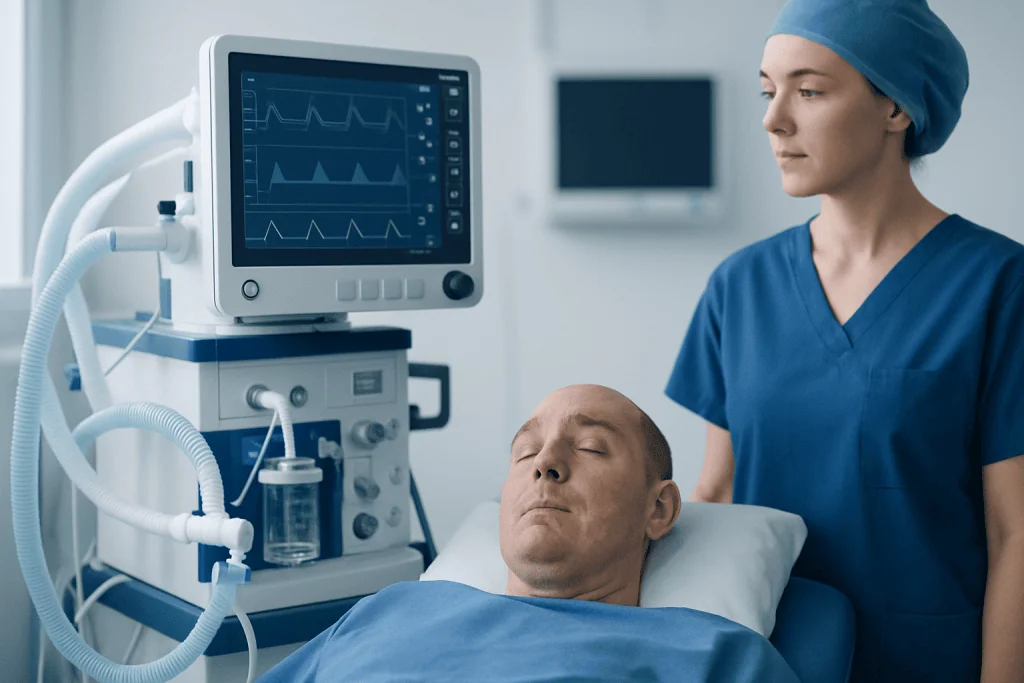
Not everyone with facial injury is a candidate for a face transplant. This procedure is usually considered for people with severe facial tissue loss or disfigurement that significantly affects basic functions or daily life and cannot be adequately improved with conventional reconstruction. Common reasons for evaluation include extensive burns, ballistic trauma, industrial or vehicle injuries, severe infections that destroy tissue, or complex defects after treatment for serious disease.
Doctors look at much more than the facial injury itself. Candidates generally need to be medically stable enough to undergo a long operation and major recovery. They also must be able to take lifelong immunosuppressive medicines after surgery. These medicines help prevent rejection of the transplanted tissue, but they also carry important risks, so transplant teams carefully assess heart and lung health, kidney function, infection history, cancer history, and other medical conditions.
Psychological readiness is equally important. A potential candidate needs to understand the benefits, limitations, and uncertainties of the procedure, including the need for lifelong follow-up and rehabilitation. Strong social support matters because recovery often depends on help from family or caregivers with appointments, medications, communication, and emotional adjustment.
- Severe facial injury or tissue loss affecting function and quality of life
- Limited benefit expected from standard reconstructive surgery alone
- Ability to tolerate major surgery and long-term medicines
- Reliable participation in rehabilitation and follow-up care
- Emotional stability, informed decision-making, and support at home
How Surgery Is Planned
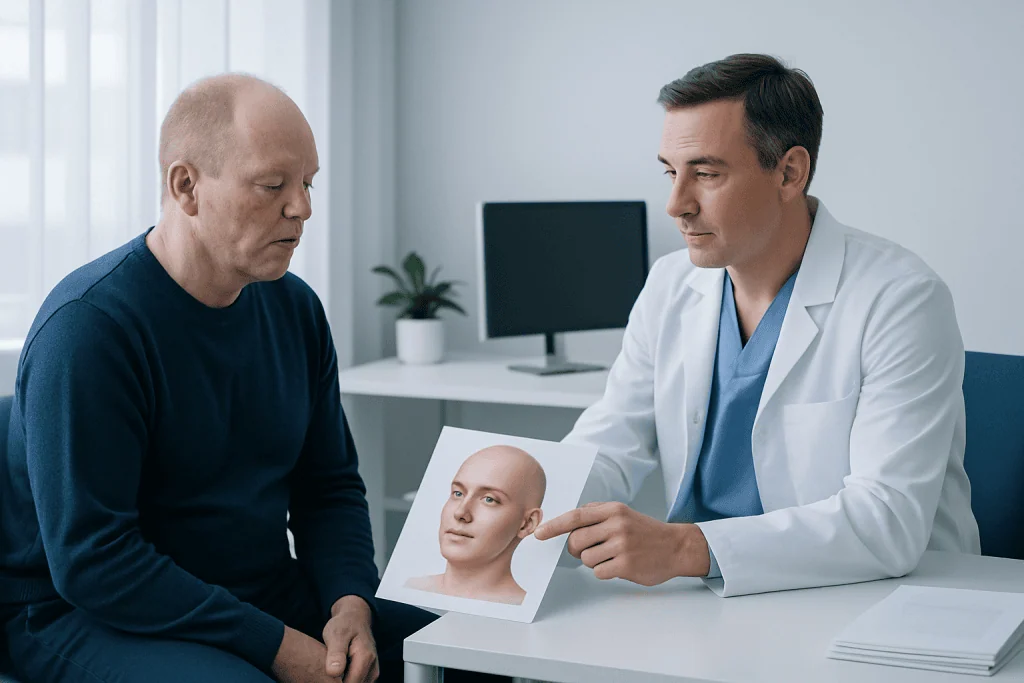
Planning for a face transplant is extensive and may take months or longer. The transplant team first studies the patient’s anatomy in great detail using physical examination, photographs, three-dimensional imaging, and scans of the bones and soft tissues. They assess which structures need to be replaced and which can be preserved. Planning also includes dental and airway evaluation, eye assessment if the eyelids or orbit are involved, and review of previous reconstructive surgeries.
Donor matching is another essential step. Teams consider blood type, immune compatibility, tissue characteristics, skin tone, facial size, and overall anatomy. The aim is not to recreate the donor’s appearance; instead, the transplanted tissues adapt to the recipient’s underlying bone structure and create a new appearance. Matching helps improve surgical fit and may reduce some complications, but it does not remove the need for lifelong anti-rejection treatment.
Modern planning often uses digital modeling and surgical rehearsal. Surgeons may create 3D models to map where bones will be cut and fixed, how blood vessels will be connected, and how nerves and soft tissues will be aligned. Several surgical teams may work at the same time, one preparing the donor tissues and another preparing the recipient, to shorten the time the tissues are without blood supply. For some patients, face transplant is considered alongside advanced plastic surgery and reconstructive surgery options as part of the overall decision process.
What Happens During and After the Operation
Face transplant surgery is a lengthy and technically demanding operation. Surgeons remove damaged tissues as planned and then connect the donor tissues to the recipient’s blood vessels, bones when needed, muscles, and nerves. Restoring blood flow is a critical moment because the transplanted tissue must begin receiving oxygen and nutrients immediately. The team then carefully aligns structures to support functions such as chewing, swallowing, speech, eyelid closure, and facial movement.
After surgery, the patient is closely monitored in intensive care. Doctors watch the transplanted tissue for blood flow and early signs of rejection or infection. Biopsies, blood tests, and clinical examinations are used regularly. The early recovery period may include temporary support for breathing, nutrition, wound care, pain control, and physical stabilization.
Rehabilitation begins early and is a major part of success. Patients may work with speech and swallowing specialists, physical and occupational therapists, psychologists, and nutrition teams. Nerves regenerate slowly, so improvements in sensation and movement can take many months. Recovery is usually gradual rather than immediate, and regular practice is needed to relearn facial function and adapt to the transplanted tissues.
Long-Term Challenges and Risks
The biggest long-term challenge after a face transplant is rejection. Because the immune system recognizes transplanted tissue as foreign, lifelong immunosuppressive therapy is required. Rejection can happen at any time, even after a stable period, so patients need ongoing monitoring. Some episodes of rejection can be treated successfully when found early, which is why routine follow-up is so important.
Immunosuppressive medicines can increase the risk of infections and may lead to side effects affecting the kidneys, blood pressure, blood sugar, bone health, or other organs. Over time, these medicines may also raise the risk of some cancers. For this reason, transplant teams aim to balance rejection prevention with the lowest effective medication burden, while closely tracking side effects and overall health.
There are also functional and emotional challenges. Movement and sensation may improve, but not always completely. Some patients need additional surgeries to refine the result, improve symmetry, or address complications. Emotional adjustment can be significant as people adapt to changes in identity, appearance, public attention, and daily life. Ongoing mental health support can be as important as surgical care. In selected situations, teams may also evaluate related needs such as maxillofacial surgery or treatment of associated facial paralysis.
Benefits, Goals, and Expected Outcomes
The main purpose of a face transplant is to restore function and improve quality of life. This can include helping a person breathe through the nose, close the eyelids to protect the eyes, eat and drink more effectively, speak more clearly, and express emotions through facial movement. For many patients, these practical improvements are the most meaningful outcomes of treatment.
Appearance also matters, but expectations must be realistic. A face transplant does not return the person to their pre-injury face, nor does it make the recipient look exactly like the donor. Instead, it creates a reconstructed facial appearance influenced by the recipient’s underlying anatomy. When successful, the result may support social interaction, confidence, and a greater sense of participation in daily life.
Outcomes vary widely because every injury, operation, and recovery is different. Some patients regain significant function, while others continue to face limitations. Doctors discuss expected benefits honestly and carefully before surgery, comparing face transplant with conventional facial trauma reconstruction pathways. The best outcomes usually depend on appropriate candidate selection, expert surgical planning, strict medication adherence, and sustained rehabilitation.
Follow-Up, Self-Care, and When to Seek Medical Help
Lifelong follow-up is essential after a face transplant. Regular appointments help the team monitor for rejection, infection, medication side effects, and changes in function. Patients may need blood tests, imaging, tissue biopsies, dental and eye evaluations, and assessments by rehabilitation and mental health professionals. Skipping visits or changing medicines without advice can put the transplant at risk.
Daily self-care includes taking medicines exactly as prescribed, protecting the skin, maintaining oral hygiene, following nutrition guidance, and practicing rehabilitation exercises. People should avoid tobacco and discuss alcohol use, supplements, and new prescriptions with their transplant team because these can interfere with healing or medicines. Emotional well-being also deserves attention, and support groups or counseling may help during long-term recovery.
Patients should contact their doctor promptly if they notice increased redness, swelling, rash, pain, fever, drainage, new ulcers, reduced facial movement, trouble breathing, swallowing changes, or any sudden change in how the transplanted tissue looks or feels. Early evaluation can make a major difference. Near the end of recovery planning, some international patients may choose centers such as Acibadem International, where multidisciplinary specialists in JCI-accredited hospitals evaluate and treat complex reconstructive and transplant-related needs.
Frequently asked questions
Is a face transplant the same as cosmetic surgery?
No. A face transplant is a reconstructive procedure used for severe facial tissue loss or injury, not for appearance enhancement. Its main goals are to restore important functions such as breathing, eating, speaking, blinking, and facial expression.
Who is considered a good candidate for a face transplant?
A good candidate usually has severe facial damage that cannot be adequately treated with standard reconstruction alone. The person also needs to be medically stable, psychologically prepared, able to take lifelong medicines, and committed to regular follow-up and rehabilitation.
How long does recovery take after face transplant surgery?
Recovery is long and happens in stages over months and years. Hospital recovery is only the beginning, and improvements in movement and sensation often take time because nerve healing is gradual. Ongoing therapy and monitoring are essential parts of recovery.
What are the biggest risks after a face transplant?
The main long-term risks are rejection of the transplanted tissue, infections, and side effects from immunosuppressive medicines. Additional concerns can include wound problems, need for further surgery, and emotional adjustment. Careful follow-up helps detect and manage problems early.
Will the recipient look exactly like the donor?
No. The final appearance is shaped by the recipient’s own bone structure and remaining tissues, so it does not duplicate the donor’s face. The result is a new reconstructed appearance rather than a transfer of identity.
Can a face transplant cure facial paralysis or all functional problems?
Not always. A face transplant may improve movement, sensation, and other functions, but results vary from person to person. Some limitations may remain, and some patients need additional procedures or long-term therapy.
References
- World Health Organization
- American Society of Transplantation
- International Society of Vascularized Composite Allotransplantation
- National Institute of Arthritis and Musculoskeletal and Skin Diseases
- MedlinePlus
This article is for general information only and is not a substitute for professional medical advice. Please consult a qualified doctor about your individual situation.
Explore treatments in Turkey — costs, top hospitals & a free quote
JCI-accredited · board-certified surgeons · reply within 24h
Add us as a Preferred Source to see more of our trusted health content across Google Search, AI Overviews and Discover.