Facial Rejuvenation Therapy: Options, Results, and Recovery
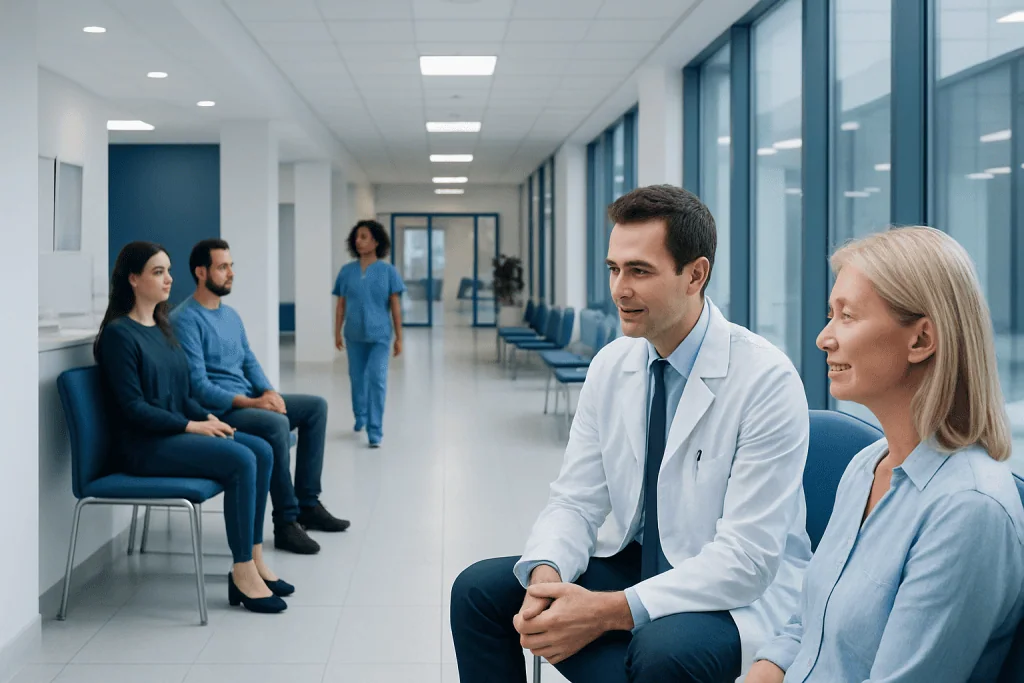
Facial rejuvenation therapy can include injectables, laser treatments, skin resurfacing, thread lifts, and surgery. The best option depends on skin quality, facial structure, goals, age-related changes, and recovery preferences.
Key Takeaways
- Facial rejuvenation therapy can include injectables, laser treatments, skin resurfacing, thread lifts, and surgery.
- The best option depends on skin quality, facial structure, goals, age-related changes, and recovery preferences.
- Non-surgical treatments usually involve less downtime, while surgery may provide more noticeable and longer-lasting change.
- A qualified specialist will assess skin, facial volume, and tissue laxity before recommending a personalized plan.
- Recovery varies widely, so realistic expectations and careful aftercare are important.
Facial rejuvenation therapy refers to treatments that improve visible signs of aging, sun damage, skin laxity, and volume loss in the face. Options range from minimally invasive procedures with short downtime to surgery with longer recovery but more dramatic, longer-lasting results.
Overview of Facial Rejuvenation Therapy
Facial rejuvenation therapy is a broad term for treatments designed to restore a fresher, more rested, and more balanced facial appearance. It may address fine lines, wrinkles, uneven skin tone, sun damage, loss of facial volume, skin laxity, and changes in facial contours that develop with age. Some treatments focus mainly on the skin surface, while others target deeper tissues or replace lost volume.
There is no single treatment that suits everyone. A person’s age, skin type, bone structure, degree of aging, and desired results all influence the best approach. For some, a simple series of office-based procedures may be enough. For others, combining several methods can provide a more natural and harmonious result.
Facial rejuvenation therapy can be divided into non-surgical and surgical options. Non-surgical treatments often have shorter recovery and more subtle changes. Surgical procedures usually involve more downtime, but they may offer more significant correction for loose skin, deeper folds, or changes in the jawline and neck.
What Concerns Can It Treat?
Common concerns treated with facial rejuvenation therapy include wrinkles, fine lines, rough skin texture, enlarged pores, pigmentation changes, acne scarring, sagging cheeks, under-eye hollows, jowls, and reduced definition along the jawline. The goal is not to change a person’s identity, but to improve features that may make the face look tired or older than they feel.
Different concerns often need different techniques. Surface changes such as dullness or sun spots may respond best to chemical peels, microneedling, or laser procedures. Volume loss in the cheeks or lips may be treated with fillers, while deeper tissue sagging may be better addressed with lifting procedures.
Many people have more than one concern at the same time. In these cases, a staged treatment plan may be recommended. For example, skin quality may be improved first, followed by volume restoration or lifting. This can produce a balanced result and help avoid an overtreated appearance.
- Fine lines and wrinkles
- Skin laxity and sagging
- Loss of facial volume
- Sun damage and pigmentation
- Uneven texture or acne scars
- Changes around the jawline and neck
Main Treatment Options

Non-surgical facial rejuvenation therapy includes injectable treatments, energy-based procedures, and skin resurfacing methods. Neuromodulator injections can soften dynamic lines caused by facial movement, such as forehead lines or crow’s feet. Dermal fillers may restore volume in areas like the cheeks, lips, or under-eye region. Depending on the treatment plan, a specialist may also suggest medical aesthetics procedures to improve overall skin quality and facial harmony.
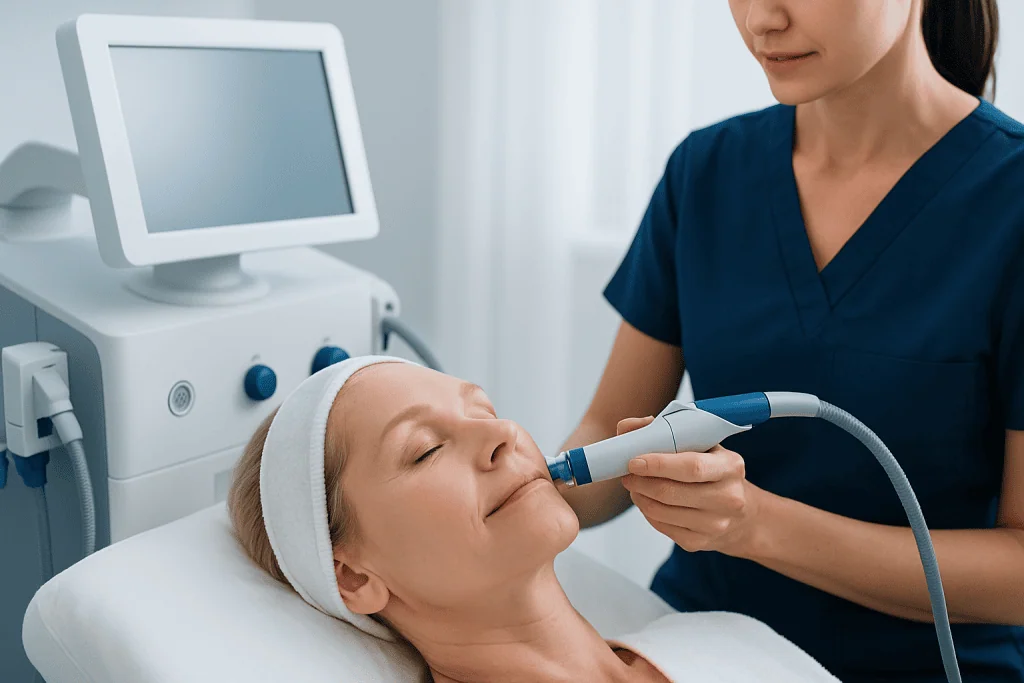
Energy-based treatments include laser therapy, radiofrequency, ultrasound-based lifting, and intense pulsed light. These approaches may stimulate collagen, improve skin texture, reduce pigmentation, or gently tighten tissues. laser treatment can be especially helpful for surface concerns such as sun damage, fine lines, and certain scars, although the exact benefits depend on the technology used and the patient’s skin type.
Other options include chemical peels, microneedling, platelet-rich plasma in selected settings, and thread lifts. These are often used for mild to moderate aging changes. For more advanced skin laxity or deeper structural changes, surgical procedures such as facelift surgery may be considered. A facelift can reposition deeper tissues and remove excess skin, often with longer-lasting results than non-surgical methods.
Some people also benefit from procedures around the eye area, where aging may be especially noticeable. If the upper or lower eyelids contribute to a tired appearance, eyelid surgery may be discussed as part of a broader facial rejuvenation plan.
Who Is a Good Candidate?
A good candidate for facial rejuvenation therapy is someone in generally good health who has realistic expectations and clear treatment goals. Candidacy depends less on age alone and more on the type and degree of facial changes present. Some younger adults seek preventive or early treatments, while older adults may choose more comprehensive correction.
Skin type, medical history, and lifestyle matter. People with certain skin conditions, active infections, bleeding disorders, or a history of poor wound healing may need special precautions. Those who smoke may be advised to stop before some procedures, especially surgery, because smoking can impair healing and affect results.
Emotional readiness is also important. Facial rejuvenation can improve visible aging changes, but it cannot resolve broader concerns about self-image or guarantee a specific personal outcome. A careful consultation helps match treatment choices with realistic expectations and an individual’s comfort level with downtime, maintenance, and possible side effects.
Consultation, Evaluation, and Diagnosis
Diagnosis in facial rejuvenation therapy does not usually mean identifying a disease. Instead, it involves a detailed aesthetic and medical evaluation. A specialist will review the skin, facial symmetry, elasticity, bone support, fat distribution, and degree of tissue descent. Photographs may be taken to help assess changes and guide treatment planning.
The consultation should also cover medical conditions, allergies, medications, prior cosmetic procedures, and any history of scarring or pigment problems. This information helps reduce risk and identify the safest options. In some cases, a doctor may advise postponing treatment until a skin irritation, infection, or other concern has resolved.
A treatment plan is then tailored to the individual. This may include one procedure or a combination performed over time. Patients are usually advised about the likely benefits, limitations, expected recovery, maintenance needs, and possible complications before deciding how to proceed.
Results, Recovery, and Possible Risks
Results from facial rejuvenation therapy vary by procedure. Injectable treatments may show improvement within days or weeks, while collagen-stimulating or resurfacing procedures can continue improving over several months. Surgical procedures usually produce more visible structural change, but final results often take time to settle as swelling gradually resolves.
Recovery can range from little or no downtime to several weeks, depending on the treatment. Mild redness, swelling, tenderness, bruising, or temporary skin sensitivity are common after many non-surgical procedures. After surgery, patients may need more structured aftercare, including wound care, activity restrictions, and follow-up visits. Doctors often advise avoiding intense exercise, smoking, and unprotected sun exposure during healing.
All cosmetic procedures carry some risk. These can include infection, prolonged swelling, asymmetry, unwanted contour changes, pigmentation changes, scarring, or dissatisfaction with the cosmetic outcome. The likelihood and type of risks depend on the method used, the patient’s skin and health, and the experience of the treating team. Choosing a qualified specialist and following aftercare instructions can help reduce complications.
Long-term maintenance is often part of the process. Non-surgical treatments generally need repeat sessions to preserve results, while surgical outcomes also continue to change naturally as aging progresses. Good skin care, sun protection, and healthy habits can help support longer-lasting improvement.
Prevention, Self-care, and Long-Term Maintenance
Although facial aging is natural and cannot be completely prevented, daily habits can make a meaningful difference. Consistent sun protection is one of the most important steps. Ultraviolet exposure contributes to wrinkles, uneven pigmentation, and loss of skin elasticity. Using sunscreen, wearing protective clothing, and limiting intense sun exposure can help maintain both natural skin health and treatment results.
Skin care also matters. A gentle cleanser, moisturizer, and products recommended by a qualified professional may support skin barrier function and improve texture over time. Some people benefit from active ingredients such as retinoids, antioxidants, or pigment-correcting agents, but these should be selected carefully, especially after procedures.
General health supports facial appearance as well. Not smoking, sleeping well, staying hydrated, managing stress, and eating a balanced diet may all contribute to skin quality and healing. People considering facial rejuvenation should also avoid unverified treatments or procedures performed by unqualified providers.
For international patients seeking assessment and care, Acibadem International’s multidisciplinary specialists in JCI-accredited hospitals diagnose and treat facial aging concerns with personalized plans based on medical evaluation and patient goals.
When to See a Doctor
A person should consider seeing a qualified doctor or plastic surgeon if they are bothered by visible signs of facial aging and want to understand the available options. A consultation is especially helpful when there is uncertainty about whether non-surgical treatment is likely to be enough or whether surgery may offer a better outcome.
Medical advice is also important if there are skin lesions, rapid changes in pigmentation, persistent redness, non-healing areas, or other symptoms that may not be purely cosmetic. These concerns should be assessed before any rejuvenation procedure is planned.
After treatment, urgent review may be needed for severe pain, significant bleeding, fever, worsening redness, unusual discharge, sudden vision symptoms, or marked asymmetry. Prompt assessment can help identify complications early and support safer recovery.
Frequently asked questions
What is facial rejuvenation therapy?
Facial rejuvenation therapy is a group of treatments that improve visible signs of aging in the face. It can include skin treatments, injectables, energy-based procedures, and surgery, depending on the person’s needs and goals.
How long do facial rejuvenation results last?
The duration depends on the treatment used. Some non-surgical results last months and need maintenance, while surgical procedures can last longer, although the face continues to age naturally over time.
Is facial rejuvenation therapy painful?
Comfort levels vary by procedure. Many non-surgical treatments involve only mild discomfort and may use numbing measures, while surgery is performed with anesthesia and followed by a managed recovery period.
What is the recovery time after facial rejuvenation therapy?
Recovery may be very short for some injectables or light skin procedures, but longer for deeper resurfacing or surgery. A doctor will explain expected downtime, swelling, bruising, and aftercare based on the chosen treatment.
Can non-surgical treatments replace a facelift?
Non-surgical treatments can help with mild to moderate aging changes, especially skin quality and small volume loss. However, they do not fully replace a facelift when there is significant loose skin or deeper tissue sagging.
Who should avoid facial rejuvenation procedures?
People with certain active skin infections, uncontrolled medical conditions, or healing problems may need to delay or avoid some procedures. A full consultation is important to decide what is safe and appropriate.
References
- American Society of Plastic Surgeons
- American Academy of Dermatology
- International Society of Aesthetic Plastic Surgery
- National Health Service
- U.S. Food and Drug Administration
This article is for general information only and is not a substitute for professional medical advice. Please consult a qualified doctor about your individual situation.
Facial Rejuvenation in Turkey — costs, top hospitals & a free quote
JCI-accredited · board-certified surgeons · reply within 24h
Add us as a Preferred Source to see more of our trusted health content across Google Search, AI Overviews and Discover.