Facial Rejuvenation
Facial rejuvenation includes personalized aesthetic treatments that refresh facial contours, improve skin quality, and reduce visible signs of aging for a natural-looking result.
Quick answer
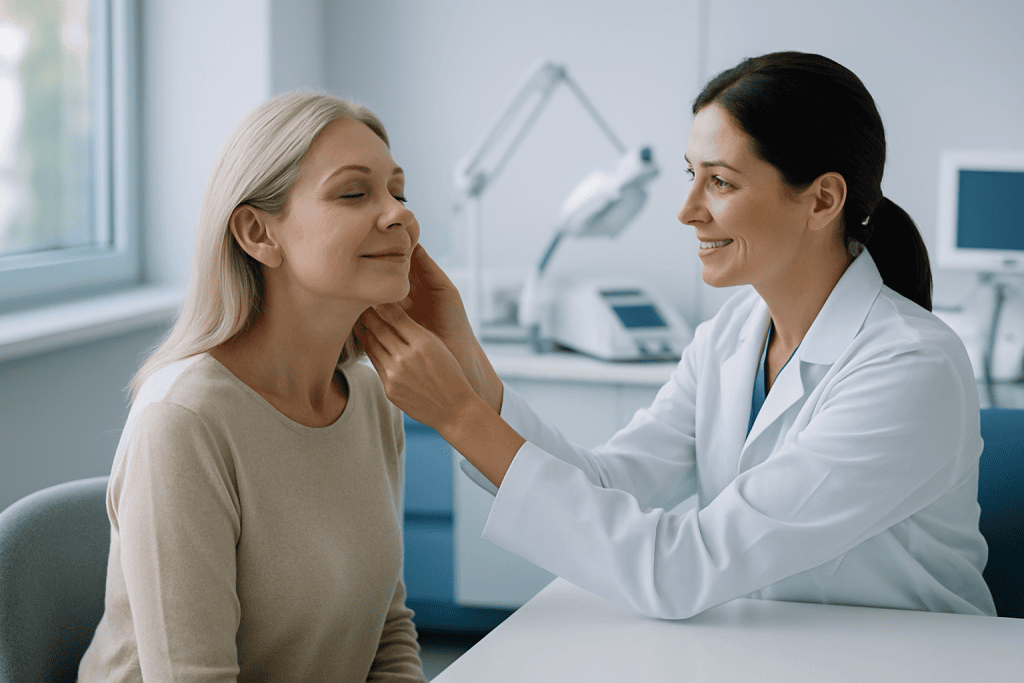
Facial rejuvenation is a personalized group of aesthetic treatments used to refresh facial contours, improve skin quality, and soften visible signs of aging while preserving a natural appearance. At Acibadem in Turkey, it is planned after an individual assessment and may combine non-surgical procedures or surgery according to the face, skin condition, and expected outcome.
Considering Facial Rejuvenation: A Personal Decision About How You Want to Look and Feel
Facial aging is a normal part of life, but it does not affect everyone in the same way. Some people notice early skin laxity around the jawline. Others are most concerned about tired-looking eyes, deeper folds around the mouth, loss of cheek volume, changes in facial contour, pigmentation, sun damage, or a general mismatch between how energetic they feel and how they appear in the mirror. For many international patients, the decision to explore facial rejuvenation is not about looking different. It is about looking rested, balanced, and more like themselves.
It is also natural to feel cautious. Patients often worry about looking “overdone,” choosing the wrong procedure, recovery time, scarring, anesthesia, safety, or whether traveling abroad for aesthetic care can be managed comfortably. These concerns are valid. Facial rejuvenation involves highly visible anatomy, personal identity, and emotional expectations. A thoughtful treatment plan should begin with listening carefully to what bothers you, assessing your facial structure and skin quality, and explaining what can realistically be improved with surgical, non-surgical, or combined approaches.
At Acibadem, facial rejuvenation is approached as a personalized medical and aesthetic process. The goal is not to erase age or create an artificial appearance, but to restore proportion, improve skin quality, refine contours, and soften visible signs of aging in a way that fits your features. For international patients, this means combining detailed medical evaluation with clear communication, coordinated scheduling, and support before, during, and after travel.
What Facial Rejuvenation Means
Facial rejuvenation is a broad term for treatments designed to refresh the face, improve skin texture and tone, restore lost volume, tighten lax tissues, and reduce age-related changes. It may include non-surgical procedures, surgical procedures, or a carefully planned combination of both. The best approach depends on your anatomy, skin condition, age-related changes, medical history, lifestyle, and personal goals.
Non-surgical facial rejuvenation may include injectable treatments to soften expression lines or restore volume, energy-based skin treatments to improve firmness and texture, medical skin care, chemical peels, or regenerative approaches that support skin quality. These treatments can be appropriate for early aging changes, maintenance, or patients who prefer minimal downtime.
Surgical facial rejuvenation may include procedures such as facelift, neck lift, eyelid surgery, brow lift, fat transfer, or facial contouring. Surgery is usually considered when there is significant skin laxity, deeper tissue descent, heavy eyelids, neck banding, or changes that cannot be corrected adequately with non-surgical methods alone. Surgical treatment can reposition deeper tissues, remove excess skin, and create more durable contour improvement when performed for the right patient.
Many patients benefit from a combined plan. For example, a facelift may improve the lower face and jawline, while eyelid surgery addresses upper or lower eyelid concerns. Skin resurfacing or medical skin treatments may then improve fine lines, pigmentation, and texture. Volume restoration may be used selectively to support natural contours. The most refined results often come from treating the face as an integrated structure rather than focusing on one isolated line or fold.
Who May Need Facial Rejuvenation?
Facial rejuvenation may be appropriate for adults who are bothered by visible aging changes, facial imbalance, or skin quality concerns and who are healthy enough for the recommended treatment. There is no single “right age” for facial rejuvenation. Some patients begin with preventive or early non-surgical care in their 30s or 40s, while others consider surgery later when tissue laxity becomes more pronounced.
Common concerns include sagging cheeks, jowls, a less defined jawline, loose skin under the chin, neck bands, drooping upper eyelids, under-eye bags, hollowing around the eyes, deep nasolabial folds, marionette lines, forehead heaviness, fine lines, wrinkles, enlarged pores, uneven pigmentation, acne scars, sun damage, dull skin, or loss of facial volume. Patients may describe looking tired, sad, older than they feel, or less vibrant in photographs and video calls.
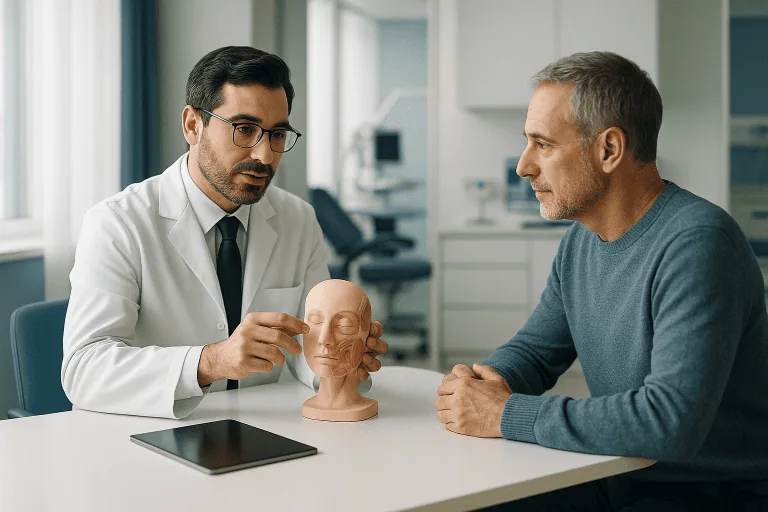
Diagnosis and planning begin with a detailed consultation. Your physician evaluates facial proportions, bone structure, soft tissue position, skin thickness, elasticity, sun damage, volume loss, facial expression patterns, eyelid function, hairline, neck anatomy, and previous procedures. Medical history is equally important. Conditions such as uncontrolled diabetes, bleeding disorders, active skin infections, significant cardiovascular disease, autoimmune disease, smoking, certain medications, and unrealistic expectations may influence treatment recommendations or timing.
Photographic assessment is often used to document facial features and support planning. In some cases, additional tests may be required before surgery, such as blood work, cardiac assessment, or anesthesia evaluation. For non-surgical procedures, the physician may assess skin sensitivity, pigmentation risk, previous reactions to injectables or lasers, and the patient’s ability to follow post-treatment care.
Facial rejuvenation is often considered by patients who have tried skin care or minor aesthetic treatments but feel they are no longer achieving the improvement they want. It may also be sought after major life transitions, weight loss, menopause, high sun exposure, stress-related aging changes, or when patients want to refresh their appearance before an important professional or personal stage. The most suitable candidates are those who want visible but natural-looking improvement and are willing to follow medical guidance during preparation and recovery.
Conditions and Concerns Facial Rejuvenation Can Address
Facial rejuvenation can address a wide range of age-related, structural, and skin quality concerns. These may be mild and early, or more advanced and best treated surgically. A personalized plan may focus on one region, such as the eyes or neck, or several areas for a more harmonious result.
- Lower face laxity: Jowls, jawline softening, and sagging around the mouth may be improved with lifting procedures, volume restoration, or selected non-surgical treatments depending on severity.
- Neck aging: Loose skin, vertical bands, fullness under the chin, or loss of neck contour may require neck lift techniques, fat reduction, skin tightening, or combined treatment.
- Eyelid aging: Drooping upper eyelids, under-eye bags, puffiness, or hollowing may be addressed with eyelid surgery, volume adjustment, skin resurfacing, or non-surgical treatments.
- Midface volume loss: Flattening of the cheeks and deeper folds may be improved through fat transfer, fillers, or lifting procedures that reposition descended tissues.
- Forehead and brow changes: Brow heaviness, forehead lines, and frown lines may be managed with injectables, brow lifting, or other individualized techniques.
- Skin texture and tone: Fine lines, enlarged pores, dullness, sun spots, acne scars, and uneven pigmentation may respond to energy-based treatments, peels, medical skin care, or resurfacing.
- Facial asymmetry or contour concerns: Mild asymmetries, age-related imbalance, or contour irregularities may be refined with surgical or non-surgical methods.
Not every concern requires aggressive treatment. In many patients, subtle adjustments can create a refreshed appearance. In others, a more comprehensive plan may be needed to avoid treating one area while leaving another visibly aged. The physician’s role is to identify which changes are due to skin quality, which are due to volume loss, and which are due to tissue descent, because each requires a different strategy.
How Facial Rejuvenation Is Performed: From Consultation to Recovery
Facial rejuvenation begins with an individualized assessment rather than a predetermined procedure. Your consultation typically includes a discussion of your goals, medical history, previous aesthetic treatments, medications, allergies, smoking status, and recovery expectations. The physician examines your face at rest and in motion, evaluates skin quality, and considers how different facial regions interact. International patients may begin with a remote consultation or second opinion using photographs and medical information, followed by in-person assessment after arrival.
Preparation depends on the recommended treatment. For non-surgical procedures, you may be advised to avoid certain medications or supplements that increase bruising risk, stop active skin irritants before resurfacing treatments, or begin a medical skin care regimen. For surgery, preparation is more detailed. You may need laboratory tests, anesthesia evaluation, medication adjustments, and instructions about eating, drinking, smoking, and post-operative care. Smoking and nicotine use can significantly impair healing and may need to be stopped well before and after surgery, according to your physician’s guidance.
Non-surgical facial rejuvenation is usually performed in an outpatient setting. Injectable treatments may be used to relax selected facial muscles, soften dynamic lines, restore volume, refine contours, or improve hydration and skin quality. Energy-based devices may deliver controlled heat, light, ultrasound, radiofrequency, or laser energy to stimulate collagen remodeling, improve pigmentation, resurface damaged skin, or tighten mild laxity. Chemical peels and medical skin care can improve tone, texture, and radiance. Treatment duration varies, often ranging from a short office procedure to a longer session when multiple areas are treated.
Surgical facial rejuvenation is performed in an operating room under appropriate anesthesia. The exact procedure depends on the treatment plan. A facelift may involve incisions placed around the ear and hairline to allow deeper tissue repositioning and removal of excess skin. A neck lift may address underlying neck muscles, skin laxity, and localized fat. Eyelid surgery may remove or reposition fat and excess skin from the upper or lower eyelids. Fat transfer may involve harvesting a small amount of fat from another body area, processing it, and placing it in selected facial regions to restore volume. Brow lifting may elevate a heavy brow and improve upper facial balance.
Modern diagnostic and treatment planning tools support precision. Standardized medical photography helps compare pre-treatment anatomy and post-treatment changes. Skin analysis may help identify pigmentation, redness, texture irregularities, and sun damage. For surgery, careful marking before anesthesia guides incision placement, tissue repositioning, and symmetry. In selected procedures, magnification, refined surgical instruments, controlled energy systems, and advanced anesthesia monitoring help physicians perform treatment safely and accurately. For skin procedures, technology is selected according to skin type, pigment risk, downtime tolerance, and the desired depth of treatment.
Procedure time varies widely. A focused injectable or skin treatment may take less than an hour, while a combined surgical rejuvenation plan may take several hours. Some procedures are performed with local anesthesia, some with sedation, and others with general anesthesia. The safest and most appropriate anesthesia plan is determined according to the procedure, your medical history, and the anesthesiologist’s evaluation.
Recovery is also highly individualized. After non-surgical treatments, patients may experience temporary redness, swelling, bruising, tenderness, peeling, or mild sensitivity. Many return to normal daily activities quickly, although visible bruising or skin flaking may last longer depending on the treatment. After surgery, swelling, bruising, tightness, numbness, and fatigue are expected in the early recovery period. Dressings or drains may be used in some procedures. Sutures are removed according to the surgeon’s plan, and activity is gradually increased.
International patients should plan travel carefully. Flying too soon after surgery may not be advisable, particularly when swelling, bleeding risk, or follow-up needs are present. Your care team will guide you on the recommended length of stay in Turkey, post-operative visits, wound care, medication use, activity restrictions, and timing for returning home. For many patients, the most important part of recovery is patience. Early swelling can temporarily obscure the final contour. Results continue to refine as tissues settle, scars mature, and skin quality improves.
Why Acting Early Matters and the Risks of Delay
Facial rejuvenation is usually elective, which means treatment timing can be planned thoughtfully. However, waiting too long can sometimes make concerns more difficult to address with less invasive options. Early skin laxity, mild volume loss, and pigmentation changes may respond well to non-surgical or minimally invasive approaches. As tissue descent, skin stretching, sun damage, and deep folds progress, more comprehensive treatment may be needed to achieve a comparable level of improvement.
Delaying treatment may also affect skin quality. Long-term sun exposure, smoking, poor sleep, weight fluctuations, and untreated inflammation can reduce elasticity and collagen support. Once skin becomes significantly thin, crepey, or damaged, improvement may still be possible, but treatment may require multiple modalities and more recovery time. Maintaining skin health early can help support better outcomes if surgery is considered later.
There are also practical reasons to plan in advance. If you are considering facial rejuvenation before an important event, professional milestone, or travel period, your treatment should be scheduled with enough time for bruising, swelling, peeling, or surgical healing to improve. Last-minute treatment increases the risk that you will still be in the visible recovery phase when you hoped to look your best.
Acting early does not mean choosing the most intensive procedure. It means obtaining an expert evaluation before changes become more advanced, understanding your options, and creating a staged plan that suits your priorities. In some cases, the best advice may be to begin with skin care or a minor procedure. In others, surgery may be the more appropriate route because repeated non-surgical treatments cannot adequately correct structural laxity.
Potential Benefits of Facial Rejuvenation
The benefits of facial rejuvenation depend on the treatment selected, the quality of planning, and the patient’s individual anatomy, but the goals are generally centered on natural renewal and improved facial harmony.
| Benefit | What It Means for You |
|---|---|
| Refreshed facial appearance | Well-planned treatment can reduce tired or aged features while preserving your natural expressions and identity. |
| Improved facial contours | Lifting, volume restoration, or contour refinement may help define the jawline, cheeks, eyes, or neck more clearly. |
| Better skin quality | Skin-focused treatments may improve texture, tone, fine lines, pigmentation, and overall radiance. |
| Personalized treatment intensity | Your plan may range from subtle non-surgical care to comprehensive surgical rejuvenation, depending on your needs and downtime preferences. |
| Longer-lasting structural improvement when appropriate | Surgical procedures can address deeper tissue descent and excess skin more effectively than surface treatments in selected patients. |
| More balanced overall result | Combining procedures thoughtfully can avoid over-treating one area while leaving another area out of proportion. |
Facial Rejuvenation Recovery Timeline
Recovery varies by procedure, but the following timeline offers a general view of what many patients can expect after non-surgical or surgical facial rejuvenation.
| Time Period | What Patients Can Expect |
|---|---|
| Day 1 | After non-surgical care, mild redness, swelling, or tenderness may occur. After surgery, dressings, swelling, bruising, tightness, and fatigue are common, and rest is important. |
| First Week | Bruising and swelling usually become more noticeable before gradually improving. Surgical patients attend follow-up visits, follow wound care instructions, and avoid strenuous activity. |
| First Month | Many patients feel more comfortable socially as swelling and bruising decrease. Skin treatments may continue to reveal improvement, while surgical results begin to look more natural. |
| Three to Six Months | Surgical contours refine as tissues settle. Scars continue to mature, and skin quality treatments may show progressive collagen-related improvement. |
| Longer Term | Results can be maintained with sun protection, stable weight, healthy lifestyle habits, medical skin care, and periodic non-surgical maintenance when appropriate. |
What Influences a Good Facial Rejuvenation Result?
A successful facial rejuvenation result is not defined only by how dramatic the change appears. In many cases, the best result is one that looks balanced, natural, and appropriate for the patient’s age, facial structure, and personality. Several factors influence this outcome.
Accurate diagnosis of the aging pattern is essential. A deep fold may be caused by volume loss, tissue descent, skin laxity, or a combination of all three. Treating the wrong cause can lead to limited improvement or an unnatural look. For example, adding too much filler to a face that primarily needs lifting may create heaviness rather than rejuvenation. Conversely, surgery alone may not improve fine skin texture or sun damage if resurfacing or skin care is not included.
Skin quality plays a major role. Patients with good elasticity often heal and contour more predictably, while significant sun damage, smoking-related changes, or very thin skin may require additional planning. Pigment tendencies also matter, especially for laser, peel, and resurfacing procedures. Treatment settings and recovery instructions should be adapted to skin type to reduce the risk of pigmentation changes.
General health and lifestyle affect healing. Stable weight, good nutrition, controlled medical conditions, and avoidance of nicotine support better recovery. Certain medications and supplements may increase bruising or bleeding risk, and they should be discussed openly with the care team. Patients should never stop prescribed medication without medical guidance.
Realistic expectations are equally important. Facial rejuvenation can create meaningful improvement, but it cannot stop the natural aging process or make one person look exactly like another. The goal is to improve what is anatomically possible while respecting safety and proportion. Patients who understand the expected degree of change, recovery phases, and maintenance needs are often more satisfied with their treatment journey.
Technical planning and physician experience influence both safety and aesthetics. Facial anatomy is complex, with important nerves, vessels, muscles, fat compartments, and retaining ligaments. Surgical procedures require careful tissue handling and incision planning. Non-surgical procedures require precise depth, dosage, product selection, and knowledge of vascular anatomy. In both settings, conservative judgment is often as important as technical skill.
Post-treatment care also matters. Following instructions on wound care, sun protection, activity restriction, medications, compression garments when prescribed, and follow-up visits can reduce avoidable complications and support healing. For skin resurfacing, strict sun avoidance and proper topical care may be particularly important. For surgery, attending scheduled follow-up appointments allows the surgeon to monitor recovery and address concerns early.
Why International Patients Choose Acibadem for Facial Rejuvenation
For patients considering facial rejuvenation abroad, the decision involves more than choosing a procedure. It requires confidence in medical standards, physician expertise, communication, safety systems, and post-treatment coordination. Acibadem Hospitals in Turkey care for international patients through an organized medical environment that brings together experienced physicians, accredited hospitals, advanced diagnostic and treatment technology, and dedicated international patient services.
Facial rejuvenation at Acibadem begins with individualized evaluation. Rather than offering a single standard package, physicians assess the face as a whole and recommend a plan based on anatomy, skin quality, medical suitability, and patient preference. This may include non-surgical treatment, surgery, staged procedures, or a combination approach. When more complex medical issues are present, care can be coordinated with other specialties such as anesthesiology, dermatology, ophthalmology, cardiology, endocrinology, or internal medicine as needed.
JCI-accredited hospitals within the Acibadem network follow internationally recognized quality and patient safety standards. For patients traveling from the United States, Europe, the Middle East, or other regions, this structure can be especially important. Surgical care requires reliable anesthesia assessment, infection prevention protocols, medication safety, emergency readiness, and consistent follow-up processes. Aesthetic outcomes matter, but safety must remain central.
Technology is used to support evaluation, planning, and treatment precision. Depending on the patient’s needs, this may include medical photography, skin analysis tools, advanced operating room systems, refined surgical instrumentation, modern anesthesia monitoring, and energy-based platforms for skin tightening, resurfacing, or pigmentation treatment. The purpose of technology is not to replace physician judgment, but to help tailor treatment to the patient’s anatomy and skin characteristics.
International patient services are an important part of the experience. Acibadem International supports patients in more than 20 languages, assisting with appointment coordination, medical document review, travel-related planning, translation support, hospital navigation, and communication with care teams. For an aesthetic procedure, this coordination is particularly valuable because timing matters: consultation, pre-operative testing, procedure date, early follow-up, and return travel should be organized in a medically appropriate sequence.
Patients also value the ability to seek a second opinion before committing to treatment. A second opinion can clarify whether surgery is necessary, whether non-surgical care may be sufficient, how procedures might be combined, and what recovery time is realistic. For international patients, this can reduce uncertainty and help them make a careful decision before traveling.
The overall approach is measured and patient-specific. Some patients want a subtle refresh with limited downtime. Others seek more comprehensive correction of lower face, neck, eyelid, and skin concerns. In either case, the aim is to create a treatment plan that respects facial identity, medical safety, and long-term maintainability. A natural-looking result often depends on restraint, proportion, and attention to the entire face rather than isolated correction.
Taking the Next Step
Facial rejuvenation is a highly personal decision. The right treatment plan should make sense medically, aesthetically, and practically. It should address your main concerns without changing the features that make your face recognizable. It should also be planned around your health, travel schedule, recovery needs, and comfort level with downtime.
If you are considering facial rejuvenation in Turkey, Acibadem can help you begin with a consultation or second opinion. Sharing clear photographs, medical history, previous procedure details, medications, and your goals can help the medical team provide preliminary guidance. A final plan is made after an in-person examination and, when needed, appropriate medical testing.
Whether your needs are best met with non-surgical treatment, surgery, or a staged combination, careful evaluation is the most important first step. With the right planning, facial rejuvenation can help soften visible aging changes, improve skin quality, and restore more balanced contours while preserving a natural appearance.
This information is provided for general educational purposes and is not a substitute for professional medical advice, diagnosis, or treatment. A qualified physician should evaluate your individual condition and recommend the most appropriate treatment plan.
Preparation
- A specialist evaluates facial anatomy, skin quality, medical history, and aesthetic goals before planning treatment. Patients may be advised to avoid blood thinners, alcohol, smoking, and certain skin products before the procedure. Photos may be taken for planning and comparison.
Aftercare
- Mild swelling, redness, bruising, or tightness can occur and usually improves gradually. Patients should follow skin care instructions, avoid sun exposure, strenuous exercise, and facial massage for the recommended period. Follow-up visits help assess healing and results.
Frequently Asked Questions
What affects the cost of facial rejuvenation most?
The main factors are the type of treatment, number of areas treated, whether surgery is required, anesthesia and facility needs, specialist experience, technology used, and the level of aftercare and travel support included.
Can I receive a quote before travelling to Turkey?
Yes. You can request a free consultation by sharing photos, medical history, aesthetic goals, and any previous treatments. A personalised estimate can then be prepared, although the final plan may be confirmed after in-person examination.
Are facial rejuvenation packages all-inclusive?
Package contents vary by provider. Some may include consultation, procedure, hospital services, medications related to the treatment, transfers, and follow-up coordination. Always ask what is included and what may be charged separately.
Is surgical facial rejuvenation more expensive than non-surgical treatment?
Surgical procedures usually involve operating room, anesthesia, medical team, and recovery costs, while non-surgical treatments may require maintenance over time. The best value depends on your anatomy, goals, and specialist recommendation.
How do I choose between options such as facelift, fillers, laser, or injectables?
A specialist should assess skin quality, facial structure, degree of laxity, volume loss, medical suitability, and expectations. Many patients benefit from a combined plan rather than a single treatment.
Is this information medical or financial advice?
No. This is general educational information. For a personalised treatment plan and quote, you should arrange a consultation with a qualified specialist and confirm all medical, travel, and cost details in writing.
Medically reviewed by the Acıbadem International Medical Board June 20, 2026
See our medical review board →
Update history
- PublishedJune 8, 2026
- Medical review approvedJune 20, 2026
- Last content updateJune 8, 2026
Trusted care for international patients
From the Acibadem Blog

Non-Surgical Facial Rejuvenation vs a Facelift: Where Injectables and Energy Devices Stop
Non-surgical facial rejuvenation and a facelift treat different problems. Injectables soften expression lines and replace lost volume; energy devices such as radiofrequency, focused ultrasound…
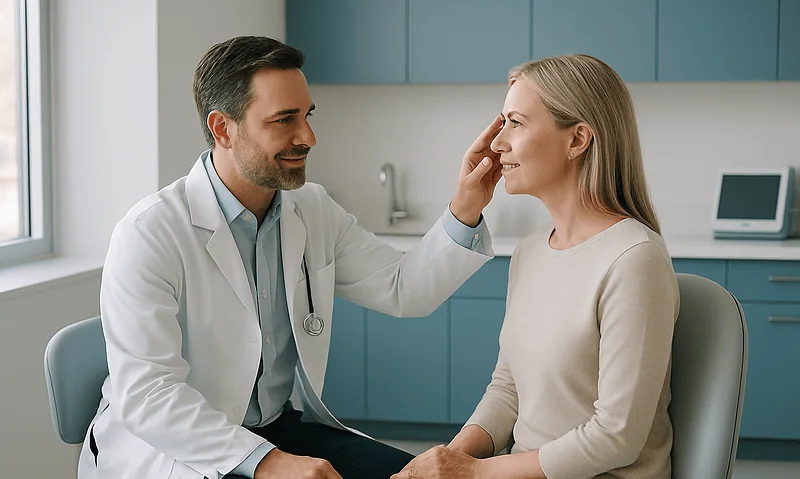
How Long Does Non-Surgical Facial Rejuvenation Last? Maintenance Schedules Explained
Non-surgical facial rejuvenation is temporary, and how long it lasts depends on the method. Botulinum toxin injections typically wear off after about three to…
Doctors Performing This Treatment


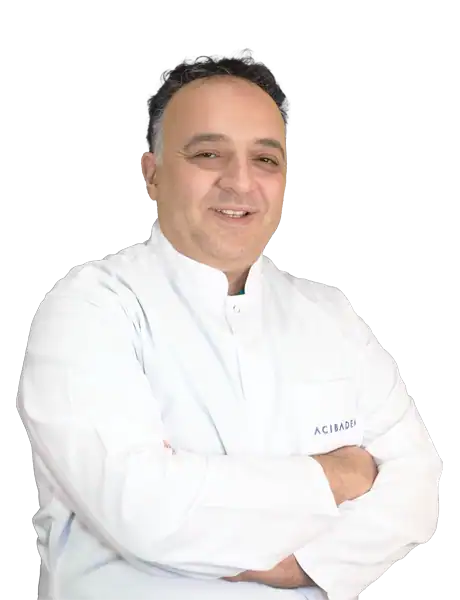
Aesthetic Plastic & Reconstructive Surgery
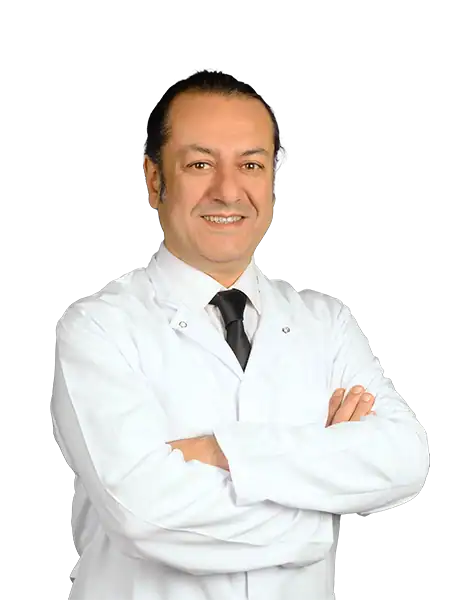
Prof. Mehmet Veli Karaaltın, MD

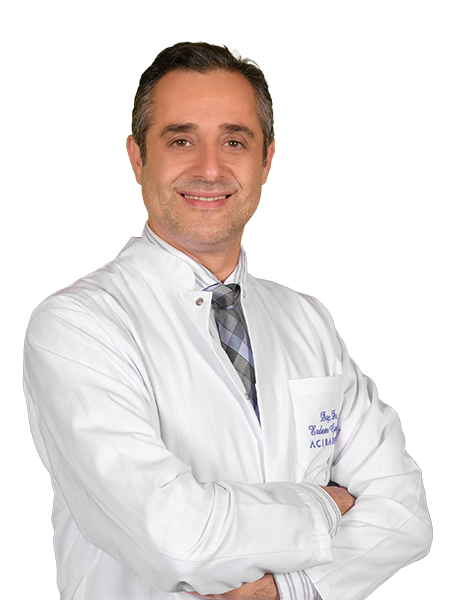
Aesthetic Plastic & Reconstructive Surgery
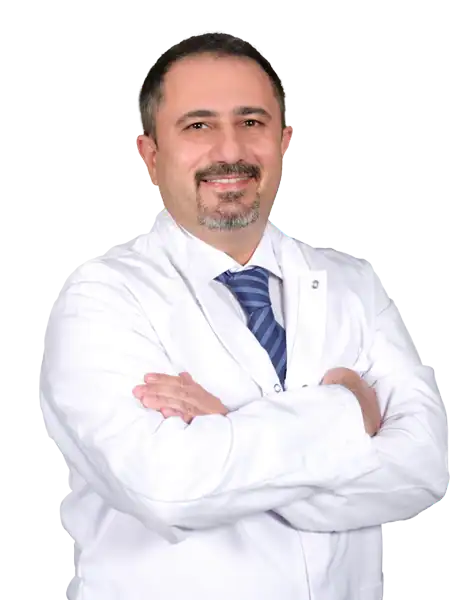
Assoc. Prof. Erdem Güven, MD

Aesthetic Plastic & Reconstructive Surgery
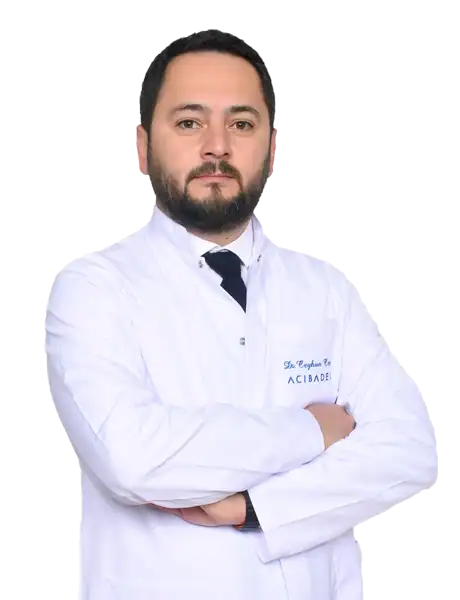
Assoc. Prof. Ahmet Küçükçelebi, MD
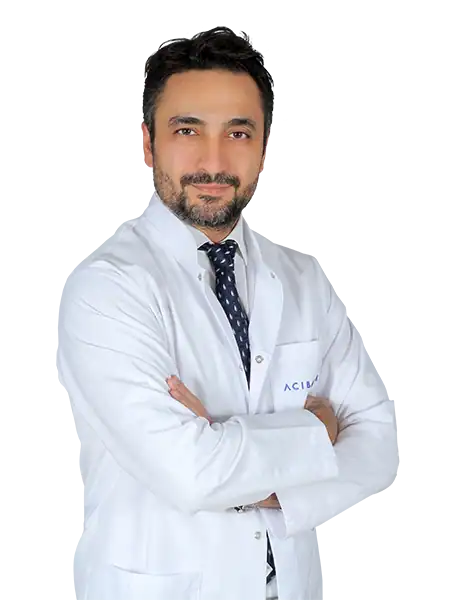
Aesthetic Plastic & Reconstructive Surgery
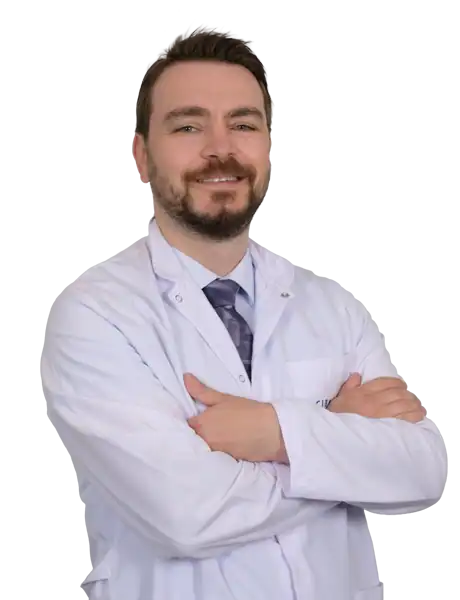
Assoc. Prof. Mehmet Altıparmak, MD

Aesthetic Plastic & Reconstructive Surgery