Facial Treatment Cost: What Affects the Price of Medical-Grade Skin Procedures?

Facial treatment cost is influenced by the type of procedure, treatment area, and number of sessions needed. A lower advertised price may not include consultation, topical products, anesthesia, aftercare, or combination treatments.
Key Takeaways
- Facial treatment cost is influenced by the type of procedure, treatment area, and number of sessions needed.
- A lower advertised price may not include consultation, topical products, anesthesia, aftercare, or combination treatments.
- The provider’s qualifications, clinic standards, and device quality often affect both safety and price.
- Medical-grade treatments are individualized, so the most suitable option is not always the least expensive one.
- Patients should ask for a clear treatment plan and a full breakdown of expected costs before starting care.
Facial treatment cost can vary widely because medical-grade skin procedures are tailored to the skin concern, treatment plan, technology used, and the expertise of the clinical team. Understanding what shapes the price can help patients compare options more clearly and choose care that is safe, appropriate, and evidence-based.
Overview: Why facial treatment cost varies
Facial treatment cost is not based on one single factor. In medical-grade skin care, pricing usually reflects the type of procedure, the skin concern being treated, the complexity of the case, and whether treatment is performed by a dermatologist, plastic surgeon, or another qualified clinician. A person seeking care for acne scars, pigmentation, rosacea, skin laxity, or signs of aging may need very different approaches, even if each is broadly described as a “facial treatment.”
Medical-grade procedures also differ from spa facials or cosmetic services. They may use prescription-strength products, advanced devices, sterile techniques, and personalized treatment settings. These factors can improve precision and safety, but they can also increase the total price. For this reason, comparing treatments by headline price alone may not give a complete picture.
In many cases, the overall cost includes more than the procedure itself. A treatment plan may involve an initial consultation, skin analysis, pre-treatment preparation, the procedure session, recovery products, follow-up reviews, and sometimes maintenance sessions. When patients understand these elements, they are better able to judge value rather than cost alone.
Types of medical-grade facial procedures
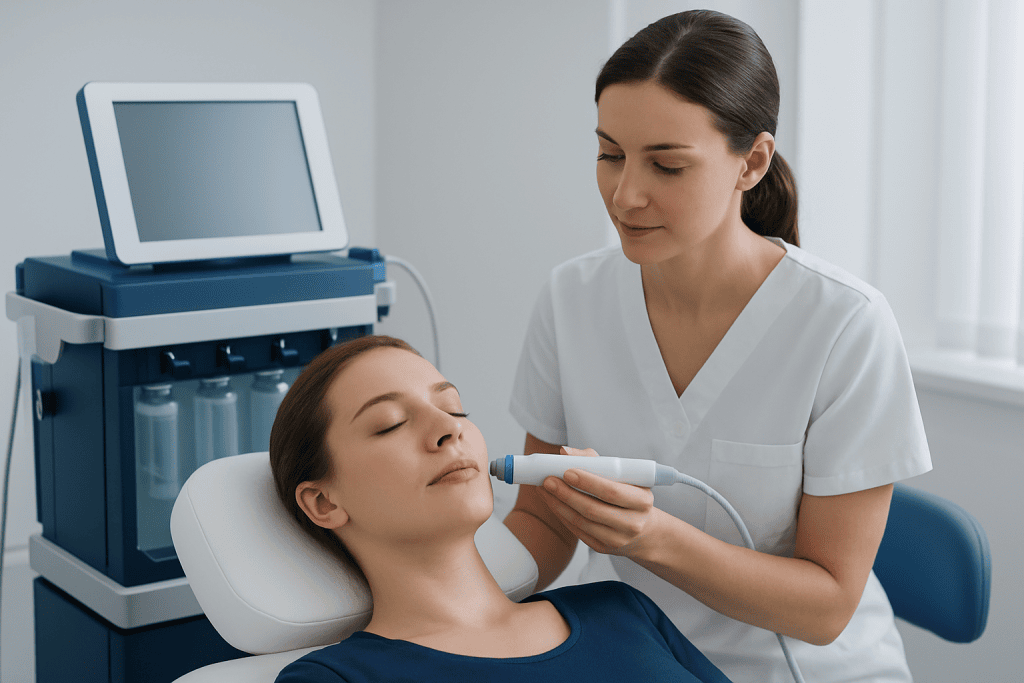
Medical-grade facial procedures include a wide range of non-surgical and minimally invasive treatments. Common examples are chemical peels, microneedling, laser resurfacing, radiofrequency treatments, light-based procedures, injectables, and physician-supervised skin rejuvenation programs. Each category has a different cost profile because the equipment, consumables, treatment time, and level of expertise required are not the same.
Some procedures are designed to refresh the skin gently, while others target deeper concerns such as acne scarring, uneven texture, sun damage, or fine lines. For example, a superficial peel usually costs less than a laser treatment because it is generally quicker, uses fewer resources, and often has a shorter recovery period. By contrast, treatments that remodel deeper layers of the skin may involve more planning and monitoring.
It is also common for clinicians to combine procedures for better results. A patient may benefit from a program that includes chemical peels, laser skin resurfacing, or microneedling at different stages. Combination care may increase the short-term cost, but it can be more appropriate than repeating a less effective treatment many times.
- Superficial treatments often have lower upfront costs.
- Advanced device-based procedures may cost more because of technology and clinician expertise.
- Combination plans can change the total budget significantly.
- Maintenance sessions may be recommended for long-term results.
Main factors that affect the price

The first major factor is the exact skin concern and the degree of correction needed. Mild dullness or early signs of aging may respond to simpler treatments, while deeper wrinkles, visible acne scars, stubborn pigmentation, or extensive sun damage may require more intensive care. Larger treatment areas, more severe concerns, and more customized protocols usually increase cost.
The second factor is the number of sessions. Many medical-grade skin procedures work best as a series rather than a one-time treatment. A patient may initially focus on the price per session, but the more useful figure is often the expected total cost of the full plan. This can help avoid surprises and support realistic expectations.
Another important factor is who performs the treatment and where it is performed. Fees may be higher when care is provided by highly trained specialists or in accredited hospitals and advanced dermatology or plastic surgery centers. This can reflect stronger clinical oversight, better infection control standards, higher-quality devices, and more comprehensive follow-up.
Finally, price can be affected by the products and technology used. Medical-grade serums, anesthetic creams, sterile single-use components, cooling systems, and premium energy devices all contribute to the final cost. In some cases, treatment is customized further for concerns such as acne or rosacea, which may require a more cautious, staged approach.
What may or may not be included in the quoted cost
One of the most common sources of confusion is whether the advertised price covers the full patient journey. Some clinics quote only the procedure session itself, while others bundle consultation, digital skin assessment, numbing cream, post-treatment products, and review appointments. Asking exactly what is included can help patients compare options fairly.
Patients may also need to budget for pre-treatment and aftercare. Depending on the procedure, a clinician may recommend sun protection, barrier-repair moisturizers, pigment-control products, antiviral prevention in selected cases, or a short recovery plan. These items can be medically useful and should not be treated as small extras if they are part of safe care.
Travel and time away from work can also matter, especially for people seeking treatment abroad or choosing procedures with downtime. Even when the procedure price seems reasonable, costs such as transportation, accommodation, childcare, or recovery time may affect the overall decision. This is particularly relevant for laser or resurfacing treatments that may require several days of visible redness or peeling.
- Ask whether the quote includes consultation and skin analysis.
- Confirm how many sessions are expected.
- Check if aftercare products or follow-up visits are extra.
- Ask about downtime-related practical costs.
Why expertise, safety, and technology matter
Price differences between clinics often reflect more than branding. Medical-grade facial procedures require an understanding of skin anatomy, wound healing, pigmentation patterns, and how to match treatment intensity to skin type. This is especially important for patients with sensitive skin, a history of scarring, active inflammatory conditions, or darker skin tones that may carry a higher risk of post-inflammatory pigmentation with some procedures.
Well-trained clinicians can assess whether a treatment is suitable, whether it should be delayed, or whether another option would be safer. They can also identify concerns that are not simply cosmetic, such as suspicious lesions or inflammatory skin disease, and direct the patient to the right specialty care. This level of assessment may increase consultation fees but supports better decision-making.
Technology also matters because devices differ in precision, safety features, maintenance standards, and evidence behind their use. A newer or more specialized platform may cost more to operate, but it may also offer better control over depth, energy delivery, and recovery time. For some patients, dermatology treatment through a specialist-led plan may be the most appropriate route rather than choosing a procedure by price alone.
How to compare options and choose wisely
Comparing medical-grade skin procedures works best when patients focus on appropriateness, safety, and the likely total treatment plan. A clear consultation should explain the diagnosis or skin concern, expected benefits, possible limitations, likely number of sessions, recovery needs, and how results will be maintained. This information helps patients understand what they are paying for.
It is reasonable to ask practical questions before booking treatment. Patients can ask who will perform the procedure, whether the provider is medically qualified, what device or products will be used, what side effects are possible, and what happens if the skin does not respond as expected. Transparent answers are often a sign of careful clinical practice.
Before-and-after photographs can be helpful when they are discussed honestly and used only as general examples. Results vary between individuals because skin type, age, sun exposure, hormones, and healing patterns all influence the outcome. A responsible clinic will avoid promising identical results or guaranteed timelines.
For international patients, coordinated care can also be valuable. Near the end of the planning process, some patients choose centers such as Acibadem International, where multidisciplinary specialists in JCI-accredited hospitals diagnose and treat skin concerns for international patients with individualized plans.
Aftercare, maintenance, and long-term value
The true value of a facial procedure is not only the immediate result but also how well the skin heals and how long the improvement lasts. Proper aftercare can support recovery, reduce complications, and protect the investment made in treatment. This often includes sun protection, gentle skin care, avoidance of irritants, and following the clinician’s guidance on when to restart active ingredients.
Some treatments provide noticeable improvement after one session, while others need maintenance over time. For example, concerns linked to sun exposure, aging, or chronic inflammatory conditions can gradually return if trigger factors continue. Maintenance does not mean the first treatment failed; it often reflects the ongoing nature of skin health.
Patients may find that a well-planned program offers better long-term value than chasing frequent low-cost treatments with limited benefit. Choosing evidence-based care, maintaining realistic expectations, and protecting the skin daily can all help make treatment outcomes more satisfying and durable.
When to seek medical advice before treatment
Not every facial concern should be treated as a routine cosmetic issue. Medical assessment is especially important if a patient has active acne flares, eczema, psoriasis, rosacea, recurrent cold sores, unusual moles, recent tanning, a tendency to scar, or a history of pigment changes after injury. Pregnancy, breastfeeding, autoimmune conditions, and some medications may also influence which procedures are suitable.
Professional evaluation is also recommended if the skin problem is persistent, painful, rapidly changing, or causing significant distress. In these cases, treatment should begin with a diagnosis rather than a menu of procedures. A doctor can decide whether the main issue is pigmentation, inflammation, infection, scarring, or another condition that needs targeted care.
Patients should postpone treatment and contact a qualified clinician if they develop marked redness, blistering, crusting, pus, severe swelling, or worsening pain after a procedure. Early advice can help reduce complications and support safer healing.
Frequently asked questions
Why do facial treatment prices vary so much?
Prices vary because medical-grade facial procedures differ in complexity, technology, treatment time, and provider expertise. The total cost also depends on how many sessions are needed and whether aftercare, consultation, and follow-up are included.
Is the cheapest facial procedure always the best value?
Not necessarily. A lower price may reflect a simpler treatment, fewer included services, or lower clinical oversight. The best value usually comes from a safe, appropriate treatment plan that matches the patient’s skin concern and goals.
How can someone get an accurate estimate for facial treatment cost?
The most reliable estimate comes after a professional consultation and skin assessment. A clinician can explain the recommended procedure, expected number of sessions, likely maintenance needs, and any additional costs such as products or review visits.
Do medical-grade facial treatments usually require more than one session?
Many do. While some people notice improvement after one visit, concerns such as scarring, pigmentation, or skin texture often respond best to a series of treatments spaced over time.
What questions should patients ask before booking a procedure?
Helpful questions include who will perform the treatment, what is included in the quoted price, how many sessions are expected, what downtime may occur, and what risks or side effects are possible. It is also sensible to ask how aftercare will be managed.
Are aftercare products part of the overall cost?
Sometimes yes, but not always. Some clinics include essential aftercare in the package, while others charge separately for cleansers, moisturizers, sunscreens, or recovery products recommended after treatment.
References
- American Academy of Dermatology
- British Association of Dermatologists
- American Society for Dermatologic Surgery
- National Health Service
- World Health Organization
This article is for general information only and is not a substitute for professional medical advice. Please consult a qualified doctor about your individual situation.
Explore treatments in Turkey — costs, top hospitals & a free quote
JCI-accredited · board-certified surgeons · reply within 24h
Add us as a Preferred Source to see more of our trusted health content across Google Search, AI Overviews and Discover.

More from the Health Library



Related Specialists

Assoc. Prof. Dr. Emine Karabük
Gynecology & Obstetrics
Dr. Hasan Abbasguliyev
Radiology
Assoc. Prof. Dr. Şafak Yılmaz Baran
Gynecology & Obstetrics
Dr. Mehmet Yazici
Emergency Service