Faeces Floating — Explained by Medical Evidence, Not Myths

Floating stool is often harmless and related to gas content in the bowel. Diet changes, fiber intake, and certain foods can make stool float temporarily.
Key Takeaways
- Floating stool is often harmless and related to gas content in the bowel.
- Diet changes, fiber intake, and certain foods can make stool float temporarily.
- Persistent floating stool with greasy appearance, diarrhea, pain, or weight loss may suggest malabsorption.
- Doctors assess stool changes by looking at pattern, associated symptoms, and sometimes blood, stool, or imaging tests.
- Medical care is important if stool changes last more than a few weeks or are accompanied by warning signs.
Faeces floating is usually explained by simple factors such as swallowed air, gut gas, or recent dietary changes. If it happens often, smells unusually foul, looks greasy, or comes with weight loss, diarrhea, or pain, it may point to a digestive problem that needs medical assessment.
Overview: what faeces floating usually means
Faeces floating most often means the stool contains more gas than usual. This can happen after changes in diet, increased fiber intake, eating quickly, swallowing air, or temporary shifts in how the gut digests food. In many people, an occasional floating bowel movement is not a sign of disease.
What matters most is the overall pattern rather than a single episode. Doctors look at how often floating happens, whether the stool is greasy or difficult to flush, and whether there are other symptoms such as bloating, diarrhea, abdominal pain, or unexplained weight loss. These details help separate harmless variation from a condition affecting digestion or absorption.
A common myth is that floating stool always means “too much fat” or serious illness. In reality, stool buoyancy depends on several factors, including gas, fiber, speed of transit through the intestine, and stool composition. Medical evaluation becomes more important when floating persists or appears together with other bowel changes.
How stool floats: the role of gas, fat, and digestion
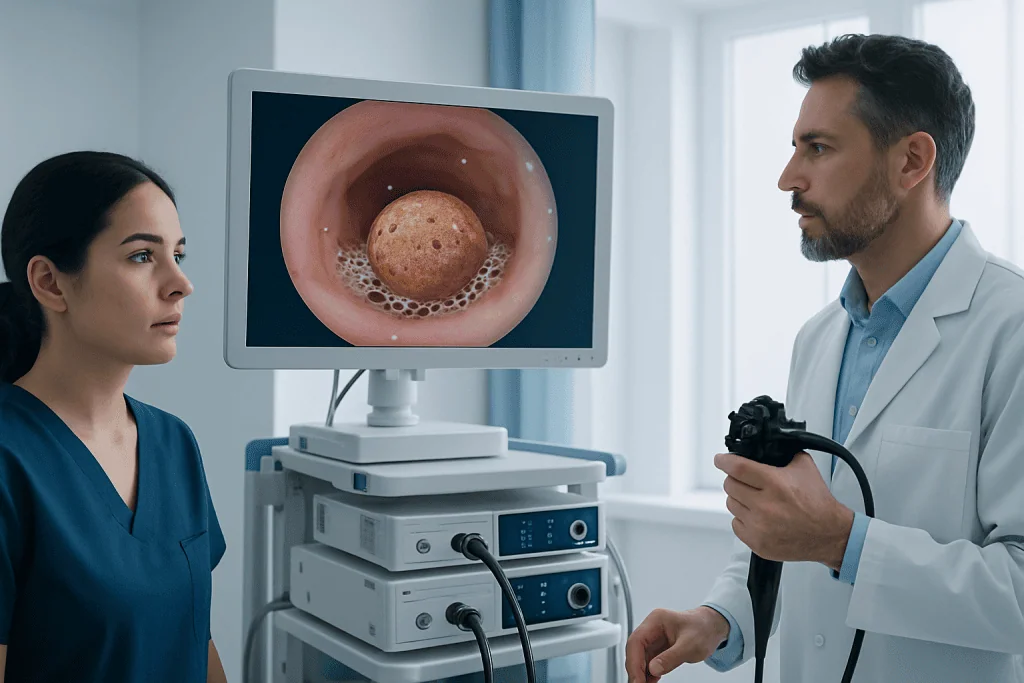
Stool floats when its overall density is lower than water. One simple reason is trapped gas produced by normal gut bacteria as they break down food. Foods that ferment easily in the intestine may increase this gas and make stool more buoyant for a short time.
Another reason can be excess fat in the stool, known medically as steatorrhea. When fat is not absorbed properly, stool may become pale, greasy, foul-smelling, bulky, and more likely to float. This pattern can occur in disorders affecting the pancreas, small intestine, bile flow, or conditions such as celiac disease.
The speed of digestion also plays a part. If stool moves more quickly through the bowel, there may be less time for normal breakdown and absorption. That is why floating stool can sometimes appear during a brief stomach upset, after an intestinal infection, or during episodes of diarrhea.
Common causes of faeces floating

Most common causes are everyday and temporary. A person may notice floating stool after eating more beans, lentils, vegetables, whole grains, sugar alcohols, or carbonated drinks. A sudden increase in dietary fiber can also change stool texture and gas production.
Digestive conditions can also contribute. These include irritable bowel symptoms with bloating, temporary gut infections, food intolerances such as lactose intolerance, and disorders that affect absorption. When poor fat absorption is involved, possible underlying causes include pancreatic disease, bile duct problems, inflammatory disease of the small bowel, and Crohn’s disease.
Less commonly, long-lasting floating stool may be associated with conditions that reduce digestive enzymes or alter the structure of the gut. Doctors may consider pancreatic evaluation in selected cases, especially if there is weight loss, greasy stool, or nutritional deficiencies. In some patients, further assessment with endoscopy or imaging helps clarify the cause.
- Common short-term causes: gas, high-fiber meals, dietary changes, mild diarrhea
- Possible medical causes: malabsorption, food intolerance, celiac disease, pancreatic or biliary disorders
- Important clue: greasy, oily, pale, or unusually foul-smelling stool suggests a different mechanism than simple gas
Symptoms that can help distinguish harmless from concerning changes
Floating stool on its own is often less concerning than floating stool combined with other symptoms. Bloating, excessive wind, and recent changes in eating habits often support a benign explanation. If the bowel pattern quickly returns to normal, no treatment may be needed.
Symptoms that deserve more attention include persistent diarrhea, abdominal pain, stool that appears greasy or oily, very pale stool, unexplained fatigue, and unintentional weight loss. These can suggest that nutrients are not being absorbed properly or that there is inflammation in the digestive system.
Blood in the stool, black stool, fever, vomiting, or signs of dehydration are not typical features of simple dietary gas. These symptoms should not be ignored. In children, older adults, and people with chronic illnesses, bowel changes may need earlier assessment because dehydration and nutritional problems can develop more easily.
How doctors diagnose the cause
Diagnosis begins with a careful history. A doctor will ask how long faeces floating has been happening, whether the stool is greasy or pale, how often bowel movements occur, and whether there are symptoms such as pain, weight loss, fever, or appetite changes. Food triggers, medications, alcohol use, and family history of digestive disease can also be relevant.
Basic testing may include blood tests to look for anemia, inflammation, liver or pancreatic problems, and signs of nutritional deficiency. Stool tests may help check for infection, inflammation, blood, or fat malabsorption. Depending on symptoms, tests for gluten-related conditions may also be considered.
If a structural or inflammatory bowel problem is suspected, imaging or direct visualization may be recommended. This may involve abdominal ultrasound, cross-sectional imaging, or colonoscopy when lower bowel symptoms are present. In selected situations, specialists may also evaluate the pancreas or upper digestive tract, including with gastroenterology care tailored to the person’s symptoms and test results.
Treatment and self-care options
Treatment depends on the reason the stool is floating. If diet or excess gas is the main cause, simple measures such as eating more slowly, reducing gas-forming foods for a short period, reviewing lactose or sweetener intake, and keeping a symptom diary can be helpful. Many cases improve without medication once the trigger is identified.
If there is an underlying digestive condition, treatment focuses on that condition rather than the floating itself. This may include dietary treatment for celiac disease, management of inflammatory bowel disease, enzyme replacement in certain pancreatic disorders, or care for bile flow problems. A doctor may also review medications or supplements that affect digestion.
General self-care supports gut health but should not replace medical advice when warning signs are present. Drinking enough fluids, maintaining balanced meals, and avoiding unnecessary restrictive diets can help. If symptoms persist, a specialist may recommend further evaluation and, when needed, procedures such as ERCP for selected bile or pancreatic duct problems.
When to seek medical care
Medical review is sensible if faeces floating continues for more than a few weeks, especially when it is a new change without an obvious dietary reason. Persistent symptoms are more informative than isolated episodes. A doctor can help determine whether testing is needed.
Earlier assessment is important if floating stool is accompanied by greasy texture, strong foul odor, abdominal pain, ongoing diarrhea, fever, nausea, vomiting, weight loss, or signs of malnutrition. Blood in the stool, black stool, or pale clay-colored stool should also prompt medical attention. These findings can point to problems beyond routine gas or diet effects.
At Acibadem International, multidisciplinary specialists in JCI-accredited hospitals evaluate digestive symptoms for international patients and arrange appropriate testing and treatment when needed. Reassuringly, many causes of floating stool are manageable once the reason is identified.
Frequently asked questions
Is faeces floating always a sign of illness?
No. Floating stool is often caused by extra gas in the bowel and can happen after normal diet changes or increased fiber intake. It becomes more important to assess when it is persistent or occurs with other symptoms such as pain, weight loss, diarrhea, or greasy stool.
What foods can make stool float?
Foods that increase gas production may make stool float for a short time. Common examples include beans, lentils, cruciferous vegetables, whole grains, carbonated drinks, and some sweeteners. A temporary change after these foods is usually less concerning than a long-lasting pattern.
What does greasy floating stool mean?
Greasy floating stool may suggest that fat is not being absorbed properly. This can happen in conditions affecting the pancreas, small intestine, or bile flow. Because it may be linked to malabsorption, medical review is recommended if this pattern continues.
Should a person worry if floating stool happens only once in a while?
Occasional floating stool is common and often harmless. It may reflect a recent meal, mild bloating, or temporary changes in digestion. Concern rises when the change becomes frequent, lasts for weeks, or is joined by other bowel or general health symptoms.
Can stress cause floating stool?
Stress can affect how the gut moves and may contribute to bloating, gas, and changes in bowel habit in some people. That can indirectly make stool more likely to float. However, persistent symptoms should not automatically be blamed on stress without medical assessment.
How do doctors test for the cause of floating stool?
Doctors usually start with questions about diet, bowel pattern, and associated symptoms, followed by a physical examination. Depending on the situation, they may order blood tests, stool tests, or imaging, and sometimes endoscopic procedures to look for inflammation, malabsorption, or pancreatic and biliary problems.
This article is for general information only and is not a substitute for professional medical advice. Please consult a qualified doctor about your individual situation.
Medical weight-loss options in Turkey — costs & eligibility
JCI-accredited · board-certified surgeons · reply within 24h
Add us as a Preferred Source to see more of our trusted health content across Google Search, AI Overviews and Discover.

More from the Health Library

Clove Oil: A Complete Medical Overview

Fecalith: What Patients Need to Know

Normal height for female: Charts, Averages, and What’s Normal

Fev1 Fvc Ratio: A Complete Medical Overview

Plaque Psoriasis: A Complete Medical Overview