Fecalith: What Patients Need to Know

A fecalith is a hardened mass of stool, sometimes called an appendicolith when found in the appendix. Many fecaliths are found incidentally on imaging and do not always require treatment.
Key Takeaways
- A fecalith is a hardened mass of stool, sometimes called an appendicolith when found in the appendix.
- Many fecaliths are found incidentally on imaging and do not always require treatment.
- A fecalith can contribute to appendicitis, fecal impaction, or bowel blockage depending on its location.
- Constipation, dehydration, reduced mobility, and certain medications can increase the likelihood of hardened stool.
- Severe or worsening abdominal pain, vomiting, fever, or inability to pass stool or gas requires urgent medical care.
A fecalith is a hard, stone-like mass of stool that forms when bowel contents become dry and compacted. It may cause no symptoms, but when it blocks the appendix or part of the bowel, prompt medical assessment is important.
Overview: What Is a Fecalith?
A fecalith is a firm, compacted piece of stool that has become unusually dry and hardened. It may develop in the large intestine, rectum, or appendix. The term is sometimes used interchangeably with fecaloma, although a fecaloma often refers to a larger, more organized mass of impacted stool.
When a calcified or hardened deposit is located inside the appendix, it is commonly called an appendicolith. An appendicolith can block the opening of the appendix and increase the chance of inflammation known as appendicitis. However, finding a fecalith on a scan does not automatically mean that a person has appendicitis or will develop it.
Fecaliths may be discovered during imaging performed for abdominal pain, constipation, or another health concern. Some cause no noticeable symptoms and are managed by addressing constipation and monitoring the clinical situation. Others require timely treatment because they obstruct the normal movement of stool or contribute to infection and inflammation.
Where Fecaliths Form and Why Location Matters
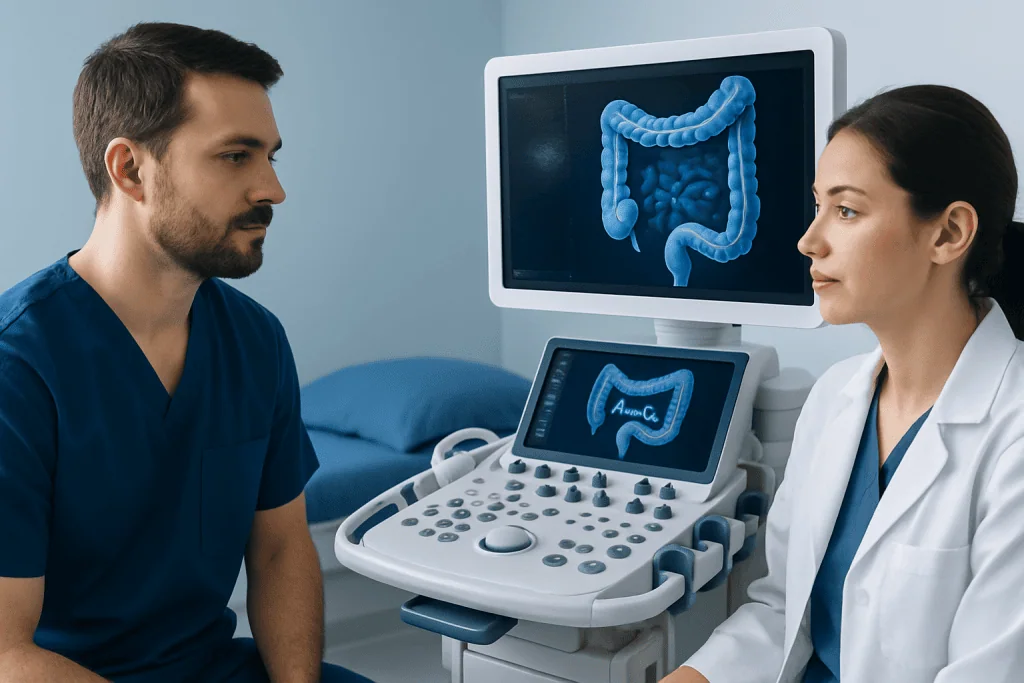
The effects of a fecalith depend largely on where it is located. In the rectum or lower colon, it may be part of fecal impaction, in which stool becomes difficult or impossible to pass normally. People may experience constipation, rectal pressure, abdominal bloating, or leakage of loose stool around the impacted mass.
In the appendix, a fecalith can obstruct the small passage through which mucus drains. Pressure and bacterial overgrowth can then develop behind the blockage, leading to appendicitis. This is one reason clinicians may look for an appendicolith on ultrasound or computed tomography (CT) when evaluating pain in the lower right side of the abdomen.
More rarely, hardened stool can contribute to obstruction elsewhere in the bowel, particularly in people with longstanding constipation, altered bowel anatomy, or reduced bowel movement. The presence of a fecalith should therefore be interpreted alongside symptoms, examination findings, laboratory results, and imaging—not as an isolated finding.
Symptoms a Fecalith May Cause

A small fecalith may not cause any symptoms. When hardened stool contributes to constipation or impaction, symptoms can include infrequent bowel movements, straining, hard stools, a feeling of incomplete emptying, abdominal discomfort, bloating, nausea, or reduced appetite. Some people may also notice rectal pain or pressure.
In some cases, watery or loose stool leaks around an impacted mass. This can be mistaken for diarrhea, even though constipation is the underlying problem. Older adults, people with limited mobility, and people who have difficulty recognizing or communicating discomfort may be especially vulnerable to this pattern.
Symptoms related to an appendicolith and appendicitis may include pain that begins near the navel and moves to the lower right abdomen, pain that becomes worse with movement, nausea, vomiting, reduced appetite, and fever. Not every person has the same symptoms, so abdominal pain that persists or worsens should be assessed by a qualified clinician.
Causes and Risk Factors
A fecalith forms when stool remains in the bowel long enough for excessive water to be absorbed from it. The stool becomes dry, firm, and difficult to move. Chronic constipation is therefore one of the most important contributing factors.
Several circumstances can raise the likelihood of constipation and hardened stool. These include not drinking enough fluids, low dietary fiber intake, low physical activity, delaying the urge to have a bowel movement, and changes in daily routine such as travel or hospitalization. Some medicines can also slow bowel function, including certain pain medicines, anticholinergic drugs, iron supplements, and some medications used for mental health conditions.
Other contributing factors may include neurological conditions that affect bowel control, metabolic disorders, narrowing of the bowel, and difficulty accessing or using the toilet independently. A person should not stop prescribed medication because of constipation without medical advice; a clinician can help identify safer ways to prevent or manage the problem.
- Inadequate fluid intake or dehydration
- Low-fiber eating patterns
- Limited movement or prolonged bed rest
- Regular use of medicines that cause constipation
- Previous bowel disease, bowel surgery, or problems with pelvic floor function
How a Fecalith Is Diagnosed
Diagnosis begins with a discussion of symptoms, bowel habits, diet, medicines, and medical history. A clinician may examine the abdomen for tenderness, swelling, or signs of obstruction. If rectal impaction is suspected, a rectal examination may be recommended; this can help determine whether hard stool is present in the lower bowel.
Imaging may be used when symptoms suggest appendicitis, bowel obstruction, or another abdominal condition. An abdominal X-ray can sometimes show a large stool burden or calcified material. Ultrasound may be helpful in selected patients, especially children and pregnant people, while CT can provide detailed information about the appendix, bowel, inflammation, and possible complications.
Blood tests may be ordered when infection or inflammation is a concern. It is important to remember that a fecalith seen on imaging is not interpreted alone. Doctors assess whether it matches the person’s symptoms and whether there are signs of a condition requiring urgent treatment, such as appendicitis or a complete bowel obstruction.
Treatment Options and Bowel Recovery
Treatment is guided by the fecalith’s location, size, symptoms, and whether complications are present. For uncomplicated constipation or a lower-bowel fecalith, a clinician may recommend increasing fluids and fiber gradually, improving regular toilet habits, and using an appropriate laxative, suppository, or enema. The best option depends on the person’s age, health conditions, medicines, and the severity of impaction.
If stool is firmly impacted in the rectum, removal by a trained healthcare professional may be necessary. This is sometimes called manual disimpaction. It should not be attempted without appropriate guidance, especially if there is significant pain, bleeding, heart disease, frailty, or concern for bowel obstruction.
A fecalith associated with appendicitis is managed as appendicitis rather than as routine constipation. Depending on the clinical findings, treatment may include antibiotics and surgery to remove the appendix. If bowel obstruction, perforation, or severe infection is suspected, urgent hospital care is needed. Acibadem International’s multidisciplinary specialists and JCI-accredited hospitals evaluate and treat digestive and surgical conditions for international patients.
Prevention, Self-Care and When to Seek Medical Care
Not every fecalith can be prevented, but regular bowel habits can reduce the chance of constipation and hardened stool. Drinking adequate fluids, eating a varied diet with fiber-rich foods such as vegetables, fruit, legumes, and whole grains, and remaining physically active can support bowel regularity. Fiber should usually be increased gradually, since a sudden large increase may worsen gas or bloating.
It can also help to respond to the urge to pass stool rather than repeatedly delaying it and to allow unhurried time for toileting. People taking medicines that cause constipation may benefit from a preventive bowel plan developed with their doctor or pharmacist. Persistent constipation should be assessed rather than managed indefinitely with self-treatment alone.
When to seek medical care: urgent assessment is needed for severe or worsening abdominal pain, a swollen abdomen, repeated vomiting, fever, fainting, blood in the stool, or inability to pass stool or gas. Medical advice should also be sought for new constipation that persists, unexplained weight loss, anemia, or a meaningful change in bowel habits, particularly in older adults or people with a family history of bowel disease.
Frequently asked questions
Is a fecalith the same as constipation?
No. Constipation is a symptom or bowel pattern involving infrequent, hard, or difficult-to-pass stools. A fecalith is a hardened mass of stool that can form as a result of prolonged constipation or slow movement of stool through the bowel.
Can a fecalith go away on its own?
A small fecalith may pass after bowel habits improve, particularly if it is not causing blockage or significant symptoms. However, a larger impacted mass or a fecalith associated with abdominal pain should be assessed by a healthcare professional rather than managed alone.
Does a fecalith always cause appendicitis?
No. An appendicolith can be found incidentally in some people who do not have appendicitis. Its importance depends on whether there are symptoms and imaging signs of inflammation in the appendix.
Can laxatives treat a fecalith?
Laxatives may be useful for constipation or selected cases of fecal impaction, but they are not appropriate for everyone. A person with severe pain, vomiting, abdominal swelling, or inability to pass gas should seek urgent medical care before taking laxatives because bowel obstruction must be excluded.
What foods help prevent hard stool?
Foods containing fiber, including vegetables, fruits, beans, lentils, whole grains, nuts, and seeds, can help support regular bowel movements when tolerated. Adequate fluid intake and gradual dietary changes are also important, because fiber without enough fluid may worsen bloating or constipation in some people.
Can a fecalith cause diarrhea?
It can appear to do so in cases of fecal impaction. Liquid stool may leak around a hard stool mass, causing soiling or loose stools while the underlying blockage remains present. This pattern should be discussed with a clinician, especially if it is new or occurs with pain or bloating.
References
- National Institute of Diabetes and Digestive and Kidney Diseases
- National Health Service
- Mayo Clinic
- American College of Gastroenterology
- World Gastroenterology Organisation
This article is for general information only and is not a substitute for professional medical advice. Please consult a qualified doctor about your individual situation.
Persistent digestive symptoms? Get evaluated in Turkey
JCI-accredited · board-certified surgeons · reply within 24h
Add us as a Preferred Source to see more of our trusted health content across Google Search, AI Overviews and Discover.

More from the Health Library

Imodium Directions: A Complete Medical Overview

Best Exercises for Heart Health: A Complete Medical Overview

Dyspnea on Exertion — Explained by Medical Evidence, Not Myths

Beetroot for BP: What Patients Need to Know

Ginkgo Biloba Benefits: An Evidence-Based Guide for Patients