Beetroot for BP: What Patients Need to Know

Beetroot may modestly lower blood pressure in some adults, especially when used regularly as part of a healthy diet. Its main effect is linked to dietary nitrates, which the body can convert into nitric oxide to help blood vessels relax.
Key Takeaways
- Beetroot may modestly lower blood pressure in some adults, especially when used regularly as part of a healthy diet.
- Its main effect is linked to dietary nitrates, which the body can convert into nitric oxide to help blood vessels relax.
- Beetroot is not a cure for hypertension and should not replace prescribed blood pressure medication.
- Some people need caution, including those with kidney stone risk, kidney disease, low blood pressure, or certain medication plans.
- Persistent high readings, symptoms, or concerns about treatment should be discussed with a qualified doctor.
Beetroot for bp may help some people lower blood pressure slightly, mainly because it contains dietary nitrates that can support blood vessel relaxation. It can be part of a heart-healthy eating pattern, but it should not replace prescribed medicines, routine monitoring, or medical advice.
Overview: Can Beetroot Help Blood Pressure?
Beetroot for bp is a common question, and the short answer is yes: beetroot may help lower blood pressure slightly in some people. This effect is usually modest, varies from person to person, and is most helpful when beetroot is used as part of an overall heart-healthy lifestyle rather than as a stand-alone remedy.
Beetroot contains naturally occurring dietary nitrates. After eating beetroot or drinking beetroot juice, the body can convert these nitrates into nitric oxide, a substance that helps blood vessels relax and widen. When blood vessels are more relaxed, blood may flow more easily and pressure inside the arteries may decrease.
However, beetroot is not a replacement for a medical diagnosis, regular blood pressure checks, or prescribed treatment. People with known high blood pressure, also called hypertension, still need a full care plan that may include diet changes, exercise, stress management, and sometimes medication.
How Beetroot May Affect Blood Pressure
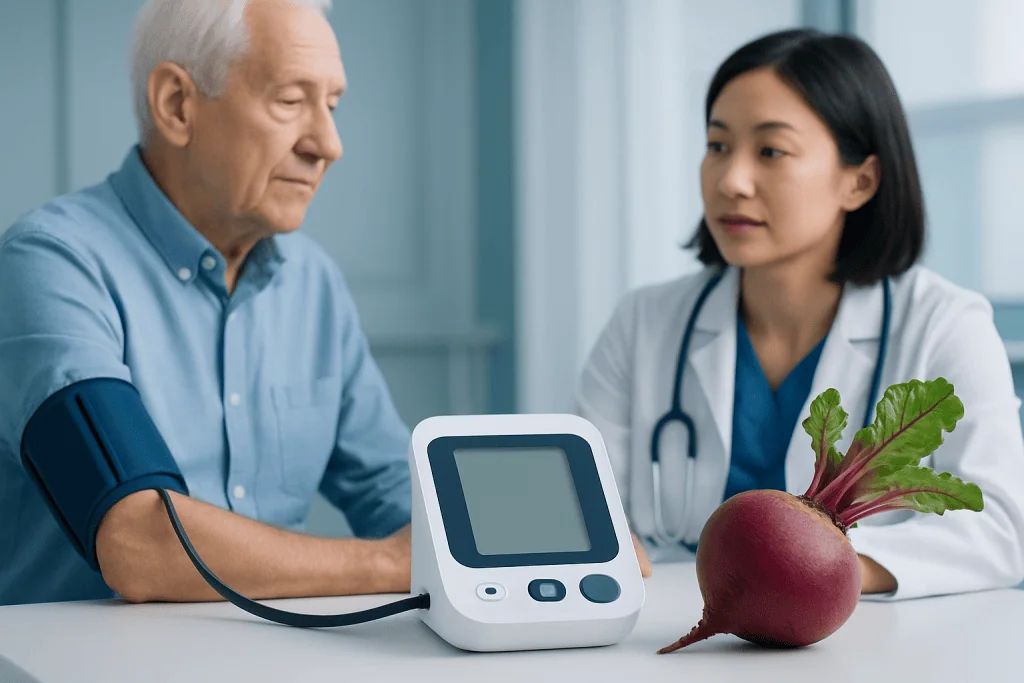
The best-studied reason beetroot may help blood pressure is its nitrate content. Oral bacteria and the digestive system help convert nitrates into nitrites and then into nitric oxide. Nitric oxide supports healthy blood vessel function, which may improve circulation and reduce vascular resistance.
This effect is different from caffeine-like stimulation or a quick “detox” claim often seen online. Beetroot does not work like an instant fix, and it should be viewed as a supportive food rather than a treatment on its own. Some people may notice a small improvement in blood pressure readings, while others may see little change.
Beetroot also provides nutrients that fit well into a heart-conscious eating pattern, including fiber, folate, potassium, and plant compounds with antioxidant activity. These nutrients support overall cardiovascular health, but they do not override the importance of a balanced diet low in excess salt, regular activity, and good long-term blood pressure control.
It is also worth knowing that benefits seen in research often depend on the amount consumed, the form used, and whether a person already has high blood pressure. The response is usually more meaningful when beetroot is paired with established lifestyle measures used to support high blood pressure treatment.
Possible Benefits and Realistic Expectations

For some adults, beetroot may offer a modest reduction in blood pressure, particularly systolic blood pressure, which is the top number in a reading. This may be more noticeable in people with elevated blood pressure or early hypertension than in those whose readings are already in a healthy range.
Still, realistic expectations are important. Beetroot is unlikely to normalize significantly high readings on its own, and it cannot address all causes of hypertension. Blood pressure is influenced by many factors, including age, body weight, sleep, stress, family history, kidney health, medications, and daily sodium intake.
Some people choose beetroot juice, while others prefer cooked beetroot, roasted beetroot, or beetroot added to salads and meals. Juice may provide a more concentrated nitrate intake, but whole beetroot also contributes fiber and can be easier to include regularly in meals. The most suitable option is usually the one a person can use safely and consistently.
When blood pressure remains above target despite home efforts, medical assessment matters. A clinician may check for related conditions, review risk factors, and decide whether testing or cardiology evaluation is needed as part of a broader plan.
Who Should Be Careful With Beetroot?
Beetroot is safe for many people when eaten in normal food amounts, but it is not ideal for everyone. People who are prone to kidney stones may need caution because beetroot contains oxalates, which can contribute to certain types of stones in susceptible individuals. Those with chronic kidney disease or special dietary restrictions should ask their doctor or dietitian before making major changes.
People who already have low blood pressure, or who take blood pressure-lowering medicines, should also be careful. Because beetroot may have an added blood pressure-lowering effect, it is sensible to monitor readings and discuss any concerns with a healthcare professional rather than making sudden changes alone.
Beetroot can also turn urine or stool pink or red, which is called beeturia. This is usually harmless after eating beetroot, but if discoloration happens without a clear food cause or is accompanied by pain, weakness, or other symptoms, medical advice is important to rule out bleeding or another condition.
Anyone taking nitrate medicines, managing complex heart disease, or following a treatment plan for heart failure should avoid assuming that food-based nitrate intake is always appropriate. A doctor can help decide whether beetroot fits safely into the person’s overall care plan.
How to Use Beetroot as Part of a Healthy Routine
The most practical way to think about beetroot for bp is as one part of a heart-healthy routine. It may be included as roasted beetroot, boiled beetroot, grated raw beetroot in salads, or unsweetened beetroot juice. Choosing unsweetened forms is generally better than products with added sugar.
It helps to focus on consistency rather than excess. Large amounts are not necessarily better, and there is no universally correct dose for everyone in everyday use. A sensible approach is to include beetroot regularly within a balanced eating pattern that also emphasizes vegetables, fruits, beans, whole grains, and lean protein while limiting excess salt and highly processed foods.
People should not stop their blood pressure medicine because they start drinking beetroot juice. Instead, they can track home blood pressure readings, keep a list of what they are eating, and discuss patterns with a doctor. If medical treatment is needed, it may include monitoring and established options used in managing hypertension.
- Choose fresh, cooked, or unsweetened beetroot juice rather than sugary blends.
- Pair beetroot with an overall low-sodium, balanced diet.
- Monitor blood pressure regularly if trying dietary changes for BP support.
- Check with a doctor first if there is kidney disease, low BP, pregnancy, or multiple medications.
What Else Matters More Than Beetroot Alone?
Even when beetroot is helpful, the foundations of blood pressure control remain the same. A healthy weight, regular physical activity, good sleep, limited alcohol, not smoking, and stress management often make a larger difference over time than any single food. Reducing sodium intake is especially important for many people with high blood pressure.
Home blood pressure monitoring can also be very useful. Readings taken at home, using a validated device and proper technique, can help show whether blood pressure is consistently elevated or responding to treatment. This information can support a more accurate diagnosis and a better care plan.
If blood pressure is repeatedly high, a doctor may look for underlying causes and possible complications. In some cases, this includes tests of kidney function, blood sugar, cholesterol, and heart health, especially when there are additional cardiovascular risk factors or symptoms linked to coronary artery disease.
For international patients who need further assessment, Acibadem International’s multidisciplinary specialists and JCI-accredited hospitals evaluate and treat blood pressure-related conditions with coordinated care.
When to Seek Medical Care
A person should seek medical care if home blood pressure readings are repeatedly above the target given by their doctor, or if they are newly seeing high readings and are unsure what to do next. A medical review is also important if blood pressure remains uncontrolled despite healthy habits or prescribed treatment.
Prompt medical attention is needed if high blood pressure is accompanied by symptoms such as chest pain, severe shortness of breath, confusion, fainting, sudden weakness, trouble speaking, or a severe headache that feels unusual. These symptoms may point to a medical emergency rather than routine hypertension.
Medical advice is also appropriate before using beetroot regularly for bp if the person is pregnant, has kidney disease, has a history of kidney stones, or takes several medications. A doctor can help decide whether dietary changes are safe, whether medicine adjustment is needed, and whether a more detailed medical check-up would be helpful.
Frequently asked questions
Does beetroot really lower blood pressure?
Beetroot may help lower blood pressure modestly in some adults, mainly because of its natural nitrate content. The effect is usually supportive rather than dramatic, and it varies between individuals. It should be seen as part of a healthy lifestyle, not a replacement for prescribed care.
Is beetroot juice better than whole beetroot for bp?
Beetroot juice may provide a more concentrated source of dietary nitrates, which is why it is often studied. Whole beetroot also has benefits and adds fiber to the diet. The better choice is usually the form a person can tolerate, enjoy, and use regularly without added sugar.
Can someone stop blood pressure medicine if they start using beetroot?
No. A person should not stop or reduce blood pressure medicine without speaking to their doctor. Beetroot may support blood pressure management, but it does not replace medication when medication has been prescribed.
Are there any side effects of beetroot?
Beetroot can cause pink or red urine or stool, which is usually harmless after eating it. Some people may also need caution because of oxalates, especially if they are prone to kidney stones. Anyone with kidney disease, low blood pressure, or a complex medication plan should ask a doctor before using it regularly.
How quickly does beetroot work for blood pressure?
Some studies suggest short-term effects can occur within hours, but this does not mean blood pressure is controlled long term. For everyday health, consistency matters more than one-time use. People should rely on regular monitoring and medical guidance rather than expecting an immediate fix.
Who should talk to a doctor before trying beetroot for bp?
People with kidney disease, a history of kidney stones, low blood pressure, pregnancy, heart disease, or multiple medications should ask a doctor first. This is also important for anyone with uncontrolled or newly diagnosed high blood pressure. Professional advice helps make sure diet changes are safe and fit the overall treatment plan.
References
- World Health Organization
- American Heart Association
- National Heart, Lung, and Blood Institute
- European Society of Cardiology
- Academy of Nutrition and Dietetics
This article is for general information only and is not a substitute for professional medical advice. Please consult a qualified doctor about your individual situation.
Explore treatments in Turkey — costs, top hospitals & a free quote
JCI-accredited · board-certified surgeons · reply within 24h
Add us as a Preferred Source to see more of our trusted health content across Google Search, AI Overviews and Discover.
Check your numbers in seconds
BMI, calories, due date, blood pressure and 30+ more clinical calculators — free, instant, doctor-reviewed ranges.

More from the Health Library

Clover Honey: A Complete Medical Overview

Koilonychia — Explained by Medical Evidence, Not Myths

Nerves in the Hand — Explained by Medical Evidence, Not Myths

Limerence: An Evidence-Based Guide for Patients

Tightest Vigina in the World — Explained by Medical Evidence, Not Myths