Fast Cancer Treatment: How It Works, Results and What to Expect
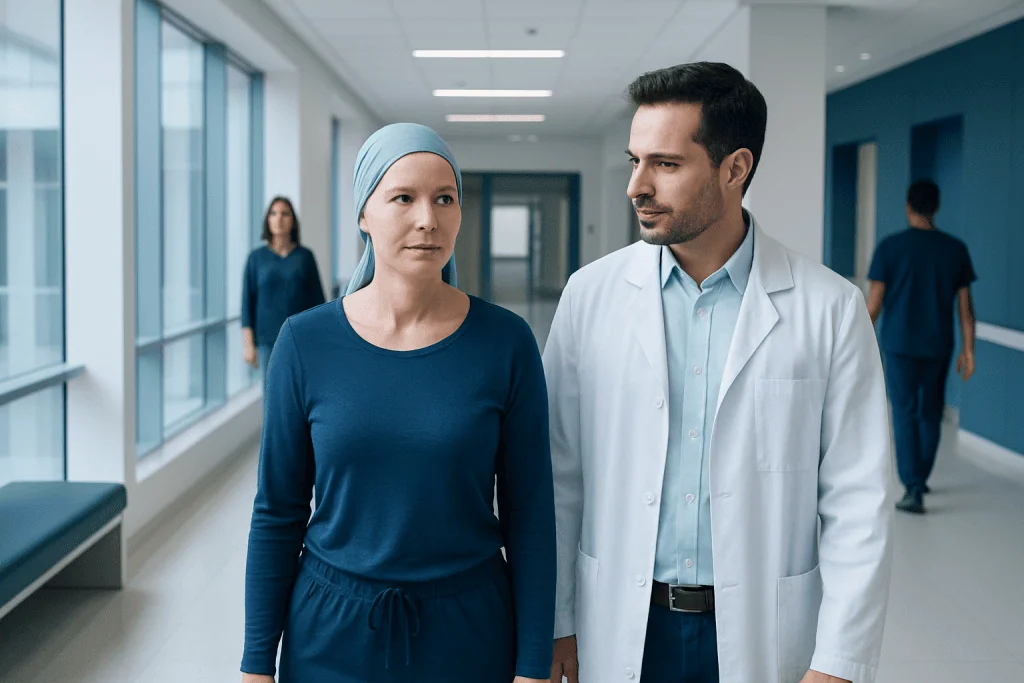
Fast cancer treatment combines timely testing, specialist review and an individualized treatment plan. The best treatment timeline depends on the cancer type, stage, symptoms, molecular features and a person’s general health.
Key Takeaways
- Fast cancer treatment combines timely testing, specialist review and an individualized treatment plan.
- The best treatment timeline depends on the cancer type, stage, symptoms, molecular features and a person’s general health.
- Cancer care may involve surgery, radiation therapy, systemic medicines or a planned combination of treatments.
- Treatment response is assessed using symptoms, examinations, blood tests, imaging and, in some cases, repeat biopsy.
- Fasting is not a proven cancer treatment and may be unsafe during treatment without medical and dietitian guidance.
Fast cancer treatment is not one single procedure. It describes an organized pathway that aims to confirm the diagnosis, stage the cancer and begin the safest effective treatment without unnecessary delays.
Fast Cancer Treatment: What It Means
Fast cancer treatment means moving efficiently from a concerning symptom or abnormal test result to an accurate diagnosis and an appropriate treatment plan. It does not mean rushing into the first available treatment. In cancer care, speed is most helpful when it is paired with careful pathology review, staging scans and input from the right specialists.
For many people, the process starts with an urgent referral, imaging or a biopsy. Once cancer is confirmed, the care team determines where it began, whether it has spread and which features may affect treatment choices. This information helps avoid treatments that may be ineffective, unnecessary or poorly timed.
A rapid pathway may include appointments with medical oncologists, surgeons, radiation oncologists, radiologists, pathologists, specialist nurses and nutrition professionals. Some cancers need treatment quickly because they are causing symptoms or may progress rapidly, while others can be safely planned over several weeks to allow complete testing and informed decision-making.
How Fast Cancer Treatment Works
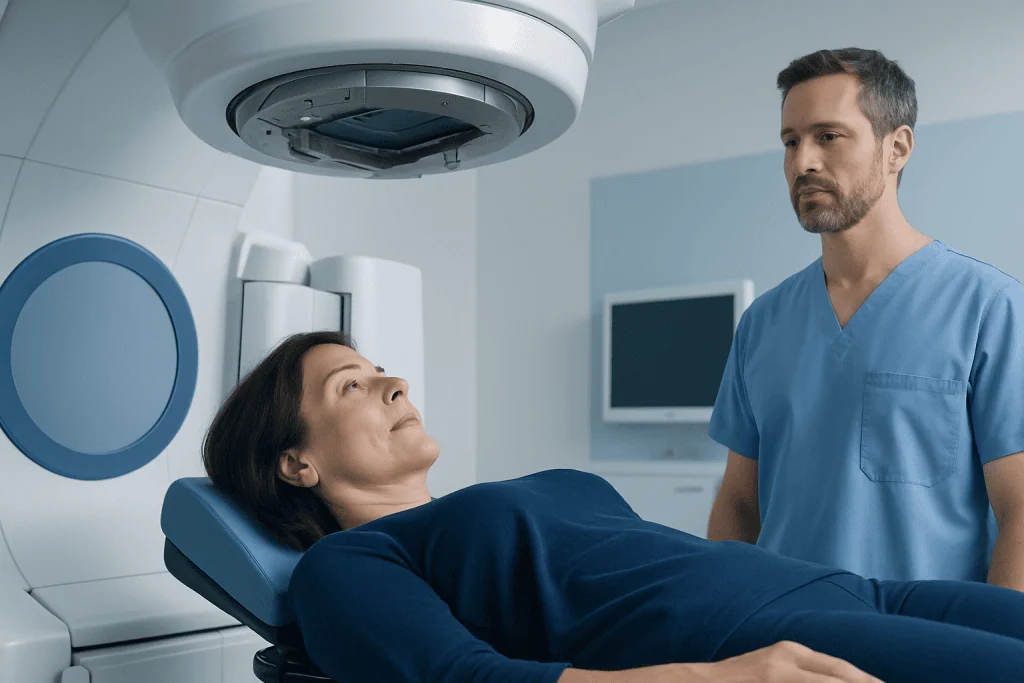
The central goal is to reduce avoidable waiting while preserving diagnostic accuracy. A clinician first evaluates symptoms, medical history and examination findings. Depending on the suspected cancer, the next steps may include blood tests, ultrasound, CT, MRI, PET imaging, endoscopy or another targeted test.
A biopsy is often needed to identify the exact cancer type. The tissue sample is examined by a pathologist and may undergo biomarker or genetic testing. These results can show whether a cancer is likely to respond to particular medicines, including targeted therapy, immunotherapy or hormone therapy.
After staging, a multidisciplinary team reviews the findings and recommends a sequence of care. Treatment may begin with surgery to remove a localized tumor, drug treatment before surgery to shrink a tumor, radiation therapy to control a defined area, or systemic treatment for cancer that has spread. The plan is tailored to the individual rather than based on a single timetable.
Candidacy and the Treatment Planning Process

Most people with a suspected or confirmed cancer can benefit from coordinated, prompt assessment. The urgency of treatment is influenced by the cancer’s biology, its location, symptoms, stage and whether it threatens an organ’s function. Severe pain, obstruction, bleeding, neurological symptoms or significant weight loss may require particularly prompt review.
Before treatment begins, clinicians consider the person’s age, daily functioning, other health conditions, medicines, nutritional status and personal priorities. Fertility preservation, heart health, kidney function and support at home may also influence the recommended plan. These discussions help balance possible benefit with treatment burden.
Some cancers are managed with active surveillance rather than immediate treatment. This approach involves regular monitoring and is different from delaying necessary care. When appropriate, it can protect quality of life while allowing treatment to begin if there are signs that the cancer is changing.
- Diagnosis and pathology confirmation
- Staging to establish the cancer’s extent
- Biomarker testing when clinically appropriate
- Multidisciplinary review and treatment sequencing
- Shared decision-making and practical support planning
What Happens Step by Step
The first step is usually referral to a cancer specialist or diagnostic service after a concerning symptom, screening result or scan. Initial appointments may include a focused examination and arrangements for any additional imaging, laboratory tests or biopsy. The exact order varies according to the suspected cancer.
After the diagnosis is confirmed, clinicians assign a stage where staging is applicable and explain the treatment options. People may meet several specialists over a short period. A treatment recommendation may be discussed in a multidisciplinary meeting, which brings together professionals from different relevant fields.
The treatment itself may involve an operation, a course of radiation, intravenous or oral medicines, or a combination. Some treatments are delivered in cycles with planned rest periods; others are completed in a single procedure or over several daily sessions. Regular review allows the team to adjust care for side effects, new results or changes in the cancer.
At Acibadem International, multidisciplinary specialists in JCI-accredited hospitals can assess and treat cancer for international patients, with care plans based on the diagnosis, treatment goals and individual clinical needs.
Benefits, Risks and Recovery Timeline
A coordinated pathway can provide earlier clarity, symptom support and a treatment plan suited to the cancer’s characteristics. For cancers that need prompt intervention, beginning treatment without avoidable delay may help protect organ function, relieve symptoms or improve disease control. However, the value of speed depends on choosing the correct treatment first.
Risks depend on the treatment type. Surgery may involve pain, bleeding, infection, blood clots and a recovery period. Radiation therapy can cause tiredness and skin or organ-specific effects. Chemotherapy, targeted therapy, immunotherapy and hormone therapy may affect energy, blood counts, digestion, nerves, skin, hormones or immune activity. The oncology team discusses expected effects and warning signs before treatment starts.
Recovery is also individual. Diagnostic tests may require little recovery, while surgery can take weeks or longer depending on the operation. Radiation-related tiredness may build gradually during treatment and improve over subsequent weeks. Systemic treatment is often given over months, with recovery periods between cycles or after treatment ends.
Follow-up appointments monitor healing, side effects, emotional wellbeing and treatment response. Rehabilitation, nutrition support, symptom management and psychological care can be important parts of recovery, alongside cancer-directed treatment.
How Much Time Does Cancer Take From Stage 1 to 4?
There is no fixed amount of time for cancer to progress from stage 1 to stage 4. Some cancers grow slowly over years, while others can progress more quickly over months or, less commonly, faster. The pace depends on the cancer type, its grade, genetic and molecular features, the immune environment and whether treatment is given.
Stage describes how far cancer has spread at the time it is assessed; it is not a clock that predicts exactly when progression will occur. A person can be diagnosed at stage 4 without having known earlier-stage disease, because some cancers cause few symptoms until they have spread.
It is understandable to want a precise timeline, but online estimates cannot predict an individual case. A cancer specialist can explain what is known about the particular diagnosis and whether there is a need for urgent treatment, further testing or monitoring.
Can Cancer Cells Survive Fasting?
Yes. Cancer cells can survive fasting, and fasting has not been proven to cure cancer or replace evidence-based treatment. Laboratory and early clinical research has explored how calorie restriction or short periods of fasting may influence metabolism and treatment tolerance, but results are not sufficient to recommend fasting as standard cancer care.
Fasting can be risky for people who are losing weight, have poor appetite, are receiving intensive treatment, have diabetes or take medicines affected by food intake. Malnutrition can reduce strength, delay recovery and make side effects harder to manage.
Anyone considering fasting, restrictive diets or supplements during cancer treatment should speak with the oncology team and a registered dietitian first. In most cases, maintaining adequate calories, protein, fluids and nutrients is a more immediate priority during treatment.
How Can You Tell If Cancer Treatment Is Working?
Cancer treatment response is measured in several ways. A person may notice improvement in symptoms such as pain, breathlessness, bleeding, swallowing difficulty or fatigue, but symptoms alone cannot reliably show whether a tumor is shrinking or stable.
Clinicians commonly use physical examinations, blood tests, tumor markers when appropriate and repeat imaging such as CT, MRI, PET or ultrasound. The timing of scans varies by cancer and treatment. For some cancers, a biopsy, surgery results or pathology findings provide additional information about response.
A result may show complete response, partial response, stable disease or progression. Not every effective treatment makes a tumor disappear on scans; in some situations, preventing further growth or reducing symptoms is an important treatment outcome. The care team interprets results in the full clinical context.
What Is the 62 Day Rule for Cancer?
The 62 day rule is a cancer-care target used in the United Kingdom’s National Health Service. It generally refers to starting first definitive treatment within 62 days of an urgent suspected-cancer referral. It is a service standard designed to improve timely access to diagnosis and treatment, not a medical rule that applies identically in every country or to every cancer.
Individual treatment timing can differ for valid clinical reasons. For example, a person may need specialist scans, pathology review, molecular testing, preoperative assessment or treatment to improve fitness before a procedure. In other cases, urgent symptoms or a fast-growing cancer may require faster action.
People concerned about delays should ask their healthcare team what tests remain, why they are needed and when a treatment decision is expected. Clear communication can help patients understand the pathway and know who to contact if symptoms change.
When to Seek Medical Care
Medical assessment is important for persistent or unexplained symptoms that could be linked to cancer, especially a new lump, unexplained bleeding, ongoing change in bowel or bladder habits, trouble swallowing, persistent cough, unexplained weight loss or worsening fatigue. These symptoms are common and often have non-cancer causes, but they should not be ignored if they continue or progress.
People already diagnosed with cancer should contact their clinical team promptly for new or worsening symptoms, including fever during systemic treatment, severe shortness of breath, chest pain, uncontrolled pain, confusion, heavy bleeding, persistent vomiting or inability to keep fluids down. Emergency services should be used for severe or life-threatening symptoms.
Fast cancer treatment is most effective when decisions are based on complete, high-quality information. A qualified cancer team can explain the likely timeline, support urgent needs and help each person move forward with a plan that is both timely and medically appropriate.
Frequently asked questions
Does fast cancer treatment mean treatment starts immediately?
Not always. It means the diagnostic and planning process is organized to avoid unnecessary delays while ensuring the cancer type, stage and treatment options are understood. Some people can start treatment quickly, while others need important tests first.
What is usually the fastest way to confirm cancer?
The quickest appropriate route depends on the suspected cancer. Imaging can identify an abnormal area, but a biopsy is often required to confirm the diagnosis and determine the exact cancer type. Some blood cancers can be diagnosed through blood and bone marrow testing.
Can treatment begin before all test results are available?
In urgent situations, clinicians may begin supportive care or treatment before every result is complete. However, cancer-directed treatment is usually planned after enough information is available to make a safe, evidence-based choice. The team explains if any result could change the plan.
Will cancer treatment always make a tumor shrink?
No. Some treatments aim to shrink a tumor, while others aim to prevent growth, reduce recurrence risk after surgery or control symptoms. Whether treatment is working is assessed with appropriate tests and the person’s overall clinical condition.
Should a person fast before or during cancer treatment?
Fasting should not be started as a cancer treatment without advice from the oncology team and a registered dietitian. It may be unsafe for people with weight loss, poor nutrition, diabetes or certain treatment schedules. Adequate nutrition is often essential for tolerating treatment and recovering well.
How can someone prepare for a cancer treatment appointment?
It can help to bring a list of symptoms, medicines, allergies, medical conditions and questions. A support person may also be useful for taking notes. Patients should ask about the treatment goal, expected timeline, likely side effects and whom to contact between appointments.
References
- World Health Organization
- National Cancer Institute
- American Cancer Society
- NHS England
- European Society for Medical Oncology
This article is for general information only and is not a substitute for professional medical advice. Please consult a qualified doctor about your individual situation.
Oncology care in Turkey — second opinion and treatment plan
JCI-accredited · board-certified surgeons · reply within 24h
Add us as a Preferred Source to see more of our trusted health content across Google Search, AI Overviews and Discover.