Fast Twitch Muscle Fibers: A Complete Medical Overview

Fast twitch muscle fibers, also called type II fibers, produce high force quickly but fatigue faster than slow twitch fibers. Type IIa fibers have both power and moderate fatigue resistance, while type IIx fibers are the fastest and most fatigue-prone.
Key Takeaways
- Fast twitch muscle fibers, also called type II fibers, produce high force quickly but fatigue faster than slow twitch fibers.
- Type IIa fibers have both power and moderate fatigue resistance, while type IIx fibers are the fastest and most fatigue-prone.
- Everyone has a mixture of muscle fiber types; genetics influences this balance, but training can improve fiber function and recruitment.
- Strength training, explosive exercise, adequate protein intake, and recovery can help preserve fast twitch muscle performance.
- A sudden loss of strength, new muscle wasting, or persistent exercise intolerance should be assessed by a qualified clinician.
Fast twitch muscle fibers are specialized skeletal muscle cells that contract quickly and forcefully for brief, high-intensity activity such as sprinting, jumping, or lifting. They work alongside slow twitch fibers, and their proportion and performance are shaped by genetics, age, activity level, training, nutrition, and overall health.
Overview: What Are Fast Twitch Muscle Fibers?
Fast twitch muscle fibers are skeletal muscle cells designed to contract rapidly and produce substantial force over a short period. They are especially important for actions that require speed or power, including rising quickly from a chair, climbing stairs, catching oneself during a loss of balance, sprinting, jumping, and lifting a heavy object. They are also called type II muscle fibers.
Muscles do not rely on one fiber type alone. Most skeletal muscles contain a blend of slow twitch and fast twitch fibers organized into motor units, which include a nerve cell and the muscle fibers it controls. During gentle, sustained activities, the nervous system usually recruits smaller, fatigue-resistant motor units first. As force demands increase, it recruits larger motor units with fast twitch fibers.
Fast twitch fibers are not inherently better or worse than slow twitch fibers. Each type serves a different role in normal movement. A person’s muscle fiber profile can influence athletic tendencies, but it does not determine overall fitness, health, or ability to benefit from exercise.
Fast Twitch vs Slow Twitch Fibers
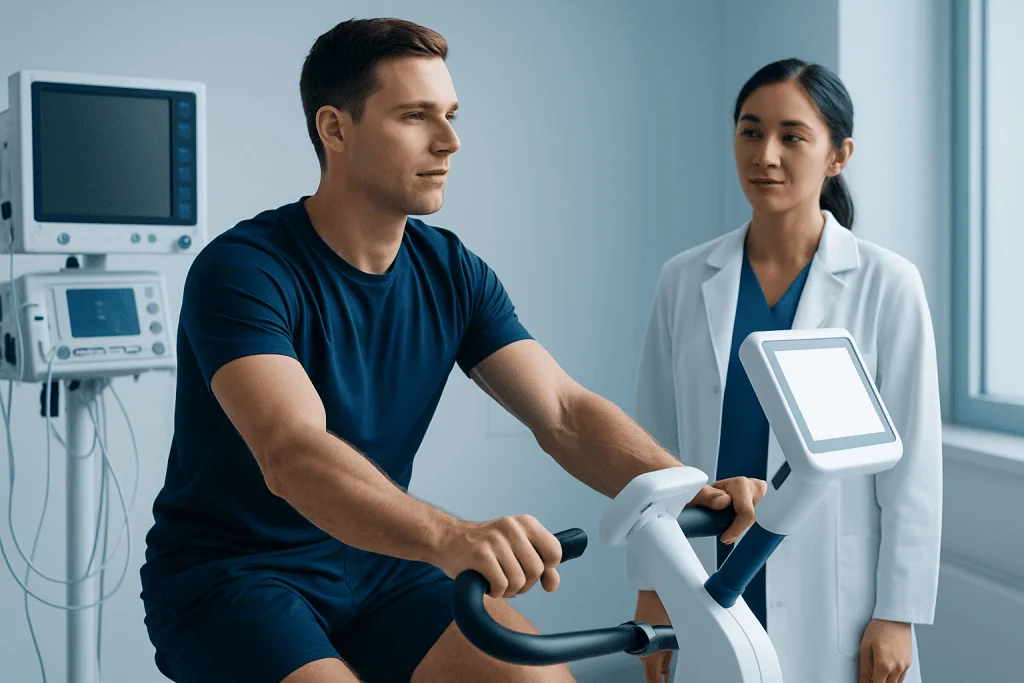
Slow twitch fibers, known as type I fibers, contract more slowly and generate less peak force than fast twitch fibers. However, they are highly resistant to fatigue. They contain many mitochondria, the structures that help cells make energy using oxygen, and they are well suited to endurance activities such as walking, cycling, distance running, and maintaining posture.
Fast twitch muscle fibers rely more heavily on rapidly available energy sources, including stored ATP, phosphocreatine, and carbohydrate metabolism. This supports quick, strong contractions but means they fatigue more readily during prolonged activity. Their larger diameter and high capacity for force production make them valuable for explosive movements.
The difference is best understood as a spectrum rather than a strict division. Muscle performance depends not only on fiber type but also on muscle size, tendon properties, coordination, cardiovascular fitness, training history, sleep, nutrition, and the way the nervous system activates the muscles. Two people with similar fiber distributions may therefore perform very differently.
Types of Fast Twitch Muscle Fibers
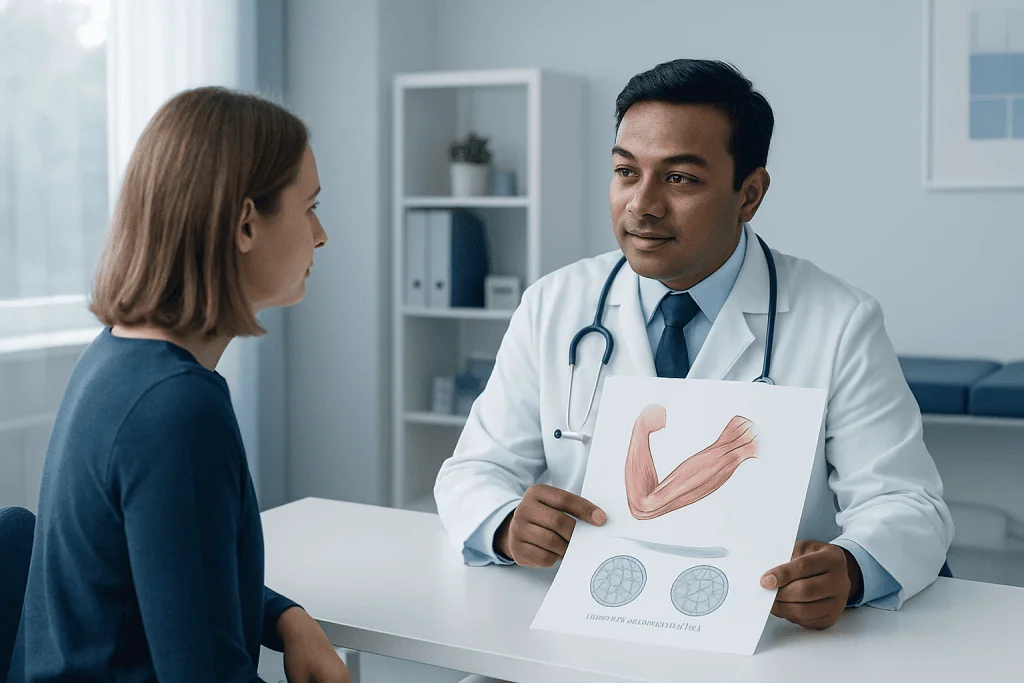
Fast twitch fibers are commonly divided into type IIa and type IIx fibers. Type IIa fibers are often described as intermediate fast fibers. They can create force quickly while also having a moderate ability to use oxygen for energy. This combination makes them useful for repeated high-intensity efforts, such as interval training, team sports, or middle-distance running.
Type IIx fibers contract very quickly and can generate high power, but they fatigue relatively rapidly. They are recruited during very demanding activities, including maximal sprinting, heavy lifting, or sudden explosive efforts. In some scientific literature, especially older research, type IIx fibers may be called type IIb; however, true type IIb fibers are generally not considered a typical human skeletal muscle fiber type.
Training can change how fibers behave. For example, regular endurance or resistance exercise may shift some characteristics of type IIx fibers toward the more fatigue-resistant IIa profile. This is an adaptation, not a loss of muscle quality: it can help the muscles repeat powerful work more effectively. Genetic factors still contribute to the overall fiber pattern a person has.
What Influences Fast Twitch Fiber Function?
Genetics affects the relative proportion of fast and slow twitch fibers in different muscles. This partly explains why some people may find sprinting, jumping, or power-based activities more natural, while others may be more comfortable with endurance exercise. However, inherited fiber distribution is only one element of physical performance and should not be viewed as a fixed limit.
Age is also important. With aging, especially when activity levels decline, fast twitch fibers and the motor nerves that activate them may decrease in size or number. This can contribute to slower walking speed, reduced power, difficulty climbing stairs, and a greater risk of falls. Regular strength and balance training can help maintain function and independence across adulthood.
Inactivity, prolonged bed rest, inadequate nutrition, chronic illness, some medications, and nerve injury can all affect muscle mass and fast twitch fiber performance. Conversely, progressive exercise, sufficient recovery, and adequate energy and protein intake support muscle adaptation. People with chronic health conditions should seek individualized guidance before starting demanding exercise programs.
- Power activities recruit fast twitch fibers when performed safely and appropriately.
- Resistance training helps maintain muscle size, strength, and neuromuscular coordination.
- Sleep and recovery support training adaptation and reduce the likelihood of overuse injury.
- Balanced nutrition provides energy and protein needed for muscle repair and maintenance.
Can Fast Twitch Muscle Fibers Be Improved?
People cannot completely redesign their genetic muscle fiber makeup, but they can improve the strength, coordination, and energy-producing capacity of their fast twitch muscle fibers. Progressive resistance training is a central approach. Exercises may include body-weight movements, resistance bands, free weights, machines, or supervised functional exercises, with the difficulty increased gradually as strength improves.
Explosive training, sometimes called power training, can also improve rapid force production. Examples include fast sit-to-stands, step-ups, medicine ball movements, jumping exercises, or short sprints. These exercises should match the individual’s age, conditioning, joint health, and medical history. For many people, particularly beginners or older adults, a qualified exercise professional or physical therapist can help select lower-impact options.
Training should be balanced with recovery. Muscles need time to adapt after strenuous exercise, and doing too much too quickly raises the risk of muscle strain, tendon problems, or joint injury. A diet that includes adequate total calories and protein, along with regular hydration and sleep, supports training goals. Supplements are not required for most people and should not replace balanced meals or professional advice.
How Fast Twitch Fibers Relate to Health and Daily Function
Fast twitch muscle fibers matter beyond sports. Rapid muscle force helps people react to a trip, regain balance, carry groceries, lift objects, move quickly across a road, and rise from a low chair. Maintaining muscle power can therefore be an important part of healthy aging, mobility, and fall prevention.
A decline in muscle power may be more noticeable than a decline in maximum strength. Someone may still be able to lift an object but find that they move more slowly, tire sooner during stairs, or struggle with quick movements. These changes can result from normal aging and inactivity, but they may also be associated with health conditions that affect muscles, nerves, hormones, nutrition, or the heart and lungs.
Building and preserving muscle function does not require elite athletic training. Regular walking, strength exercises on two or more days per week when appropriate, balance practice, and active daily routines can support overall physical function. The safest plan is one that is realistic, enjoyable, and tailored to the person’s health status and starting level.
When to Seek Medical Care
Medical assessment is advisable for unexplained, persistent, or worsening muscle weakness. A person should contact a clinician if they notice one-sided weakness, frequent falls, marked difficulty getting up from a chair, progressive muscle wasting, numbness, severe cramps, or a major decline in exercise tolerance that does not improve with rest. These symptoms are not explained simply by having fewer fast twitch fibers and may need evaluation.
Urgent medical care is needed for sudden weakness of the face, arm, or leg; trouble speaking; sudden severe balance problems; chest pain; severe shortness of breath; or weakness occurring after a significant injury. These symptoms can have causes requiring prompt treatment.
A clinician may review symptoms, medications, diet, activity level, and medical history, then examine muscle strength, reflexes, sensation, walking, and balance. Depending on the findings, testing may include blood tests, imaging, nerve and muscle studies, or referral to neurology, rehabilitation, endocrinology, or another appropriate specialty. Acibadem International’s multidisciplinary specialists and JCI-accredited hospitals evaluate muscle and mobility concerns for international patients.
Frequently asked questions
What are fast twitch muscle fibers used for?
Fast twitch muscle fibers help the body produce quick, forceful movements. They are used during activities such as sprinting, jumping, heavy lifting, rapid direction changes, and reacting to a loss of balance. They also contribute to many ordinary daily movements that require speed or power.
Are fast twitch fibers better than slow twitch fibers?
Neither fiber type is better overall. Fast twitch fibers are better suited to short, powerful efforts, while slow twitch fibers are better suited to prolonged, fatigue-resistant activity. Healthy muscles need a combination of both types for everyday movement and exercise.
Can exercise increase fast twitch muscle fibers?
Exercise can improve the function, size, and recruitment of fast twitch fibers, especially through resistance and power training. Training may also change some fiber characteristics, often making fibers more resistant to fatigue. Genetics still influences the underlying proportion of muscle fiber types.
Do fast twitch muscle fibers decrease with age?
Fast twitch fiber size and function can decline with age, particularly with inactivity, illness, or inadequate nutrition. This may affect power, balance, and rapid movement. Regular strength, power, and balance exercises can help preserve physical function when performed safely.
What foods support fast twitch muscle function?
Muscle health is supported by an overall balanced diet that provides adequate energy, protein, carbohydrates, vitamins, minerals, and fluids. Protein-containing foods help support muscle repair and maintenance, while carbohydrates can fuel higher-intensity exercise. Individual dietary needs vary based on age, activity, health conditions, and goals.
Does muscle soreness mean fast twitch fibers are growing?
Not necessarily. Muscle soreness after unfamiliar or demanding exercise can occur as tissues recover from training stress, but it does not reliably measure muscle growth or fiber adaptation. Progress should be based on gradual improvements in strength, movement quality, endurance, and daily function rather than soreness alone.
References
- National Institute on Aging
- American College of Sports Medicine
- National Institutes of Health
- Merck Manual Consumer Version
This article is for general information only and is not a substitute for professional medical advice. Please consult a qualified doctor about your individual situation.
Explore treatments in Turkey — costs, top hospitals & a free quote
JCI-accredited · board-certified surgeons · reply within 24h
Add us as a Preferred Source to see more of our trusted health content across Google Search, AI Overviews and Discover.