Fecal Oral Route: An Evidence-Based Guide for Patients

The fecal oral route spreads germs from stool to the mouth through hands, food, water, objects, or close contact. Viruses, bacteria, parasites, and some intestinal worms may spread through this route.
Key Takeaways
- The fecal oral route spreads germs from stool to the mouth through hands, food, water, objects, or close contact.
- Viruses, bacteria, parasites, and some intestinal worms may spread through this route.
- Handwashing with soap and safe preparation of food and water are among the most effective prevention measures.
- Young children, older adults, pregnant people, and people with weakened immune systems may be more vulnerable to complications from diarrheal illness.
- Persistent diarrhea, dehydration, blood in stool, or severe abdominal pain should be assessed by a healthcare professional.
The fecal oral route describes how infectious germs in stool can enter another person’s mouth and cause illness. It most often occurs through unwashed hands, contaminated food or water, or contact with contaminated surfaces, and it can usually be reduced with reliable hygiene and safe food and water practices.
What Is the Fecal Oral Route?
The fecal oral route is a way that infections spread when microscopic particles of stool containing germs reach someone’s mouth. Although this may sound concerning, it is a well-understood public health concept. Transmission can occur indirectly, such as after touching an unclean surface and then eating, or directly through close personal contact when hand hygiene is inadequate.
Stool can contain viruses, bacteria, parasites, and occasionally worm eggs. A person does not need to see visible dirt for transmission to occur, because infectious particles may be too small to notice. Once swallowed, certain germs can infect the digestive tract and may lead to symptoms such as diarrhea, vomiting, stomach cramps, fever, or nausea.
The fecal oral route is sometimes summarized as a chain: stool contaminates hands, water, food, surfaces, or objects; the germ is then transferred to the mouth; and infection may follow. Breaking any link in this chain, especially through thorough handwashing and safe sanitation, lowers the chance of infection.
How Fecal-Oral Transmission Happens in Daily Life
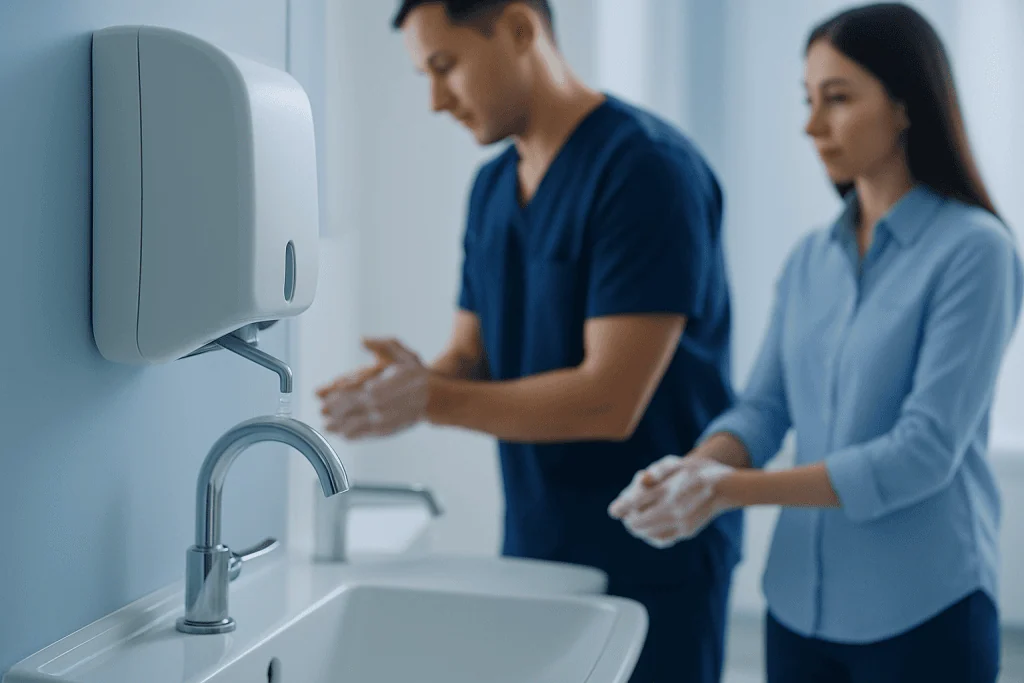
Hand-to-mouth spread is one of the most common pathways. For example, a person may use the toilet, change a diaper, help a child in the bathroom, or clean up after an animal and then touch food, their face, or another person without washing their hands carefully. This can also occur when children place shared toys or fingers in their mouths.
Food and water can become contaminated at several points. Produce may be exposed to unsafe water, food may be handled by someone who has not washed their hands, or cooked foods may come into contact with raw foods and contaminated utensils. Drinking water may be unsafe when sanitation systems are inadequate, during some travel situations, or after flooding and other events that affect water supplies.
Objects and surfaces can also play a role. Bathroom fixtures, diaper-changing areas, taps, door handles, and frequently handled items may become contaminated. Some germs can remain infectious on surfaces for a period of time. Regular cleaning, followed by appropriate disinfection when someone has diarrhea or vomiting, can help reduce spread within homes, schools, childcare settings, and care facilities.
- Hands contaminated after toilet use or diaper changes
- Food prepared without adequate hand hygiene
- Unsafe drinking water or ice
- Raw or undercooked foods, especially shellfish in certain settings
- Shared toys, bathroom surfaces, or household items
- Contact with animal stool, including in petting zoos or farms
Infections That May Spread Through This Route

A number of common gastrointestinal infections can spread through the fecal oral route. Viral infections include norovirus, rotavirus, hepatitis A, and some enteroviruses. Norovirus, for example, can spread quickly in households, schools, cruise settings, and care facilities because it is highly contagious and may be present in vomit as well as stool.
Bacteria that may be transmitted this way include certain strains of Escherichia coli, Salmonella, Shigella, Campylobacter, and Vibrio cholerae. Some bacterial infections are linked to contaminated food, while others spread more readily from person to person. The symptoms and seriousness of illness vary widely depending on the germ, a person’s health, and how much exposure occurred.
Parasites such as Giardia, Cryptosporidium, and Entamoeba histolytica may also be acquired through contaminated water, food, hands, or surfaces. These infections can cause prolonged diarrhea, bloating, cramps, fatigue, or weight loss in some people. A clinician can determine whether testing is appropriate when symptoms persist, follow travel, or occur after a known exposure.
Not every episode of diarrhea is caused by fecal-oral transmission. Food intolerances, medication side effects, inflammatory bowel conditions, and other medical issues can produce similar symptoms. Testing is not always needed for a brief, mild illness, but it may be useful when symptoms are severe, prolonged, recurrent, or part of an outbreak.
Who May Be More Vulnerable to Complications?
Anyone can develop an infection spread through the fecal oral route, but some people are more likely to become dehydrated or seriously unwell. Infants and young children can lose fluids quickly during vomiting or diarrhea. They may also have more exposure opportunities in childcare settings, where diaper changes, shared toys, and developing handwashing skills can contribute to spread.
Older adults, pregnant people, and individuals with weakened immune systems may need earlier medical advice if they develop gastrointestinal symptoms. People with chronic kidney disease, inflammatory bowel disease, diabetes, liver disease, or other significant health conditions may also require more careful monitoring, particularly if they cannot maintain adequate fluid intake.
Travelers may have increased exposure when visiting places where water treatment or food sanitation differs from what they are accustomed to. Travelers do not need to avoid all local foods, but they should take sensible precautions with drinking water, ice, raw produce, and food that has not been thoroughly cooked or kept at a safe temperature.
Household spread is also more likely when a person with diarrhea prepares food for others, shares a bathroom, or cares for young children. Practical precautions during illness can protect family members without requiring complete isolation in most circumstances.
How to Prevent Fecal-Oral Infections
Handwashing with soap and clean running water is one of the most dependable ways to prevent fecal-oral transmission. Hands should be washed after using the toilet, changing diapers, assisting another person with toileting, handling animal waste, gardening, and before preparing food, eating, or feeding a child. Scrubbing all parts of the hands, including between fingers and under nails, then rinsing and drying thoroughly is important.
Alcohol-based hand sanitizer can be useful when soap and water are not available, but it does not replace handwashing in every situation. Soap and water are particularly important after using the bathroom and when caring for someone with diarrhea or vomiting, because some gastrointestinal germs are less reliably removed or inactivated by sanitizer alone.
Food safety helps protect individuals and households. Raw meat, poultry, seafood, and eggs should be kept separate from ready-to-eat foods. Kitchen work surfaces and utensils should be cleaned after handling raw foods, and foods should be cooked and stored safely. Fruits and vegetables should be washed under safe running water before eating or preparing them, even if they will be peeled.
Safe water and sanitation are equally important. People should follow local public health guidance during water advisories and use safe drinking water for drinking, brushing teeth, making ice, and preparing infant formula when needed. Vaccines, including those that protect against rotavirus in infancy and hepatitis A in eligible individuals, can prevent specific infections that may spread through the fecal oral route.
- Wash hands with soap before food preparation and after toilet or diaper care.
- Keep sick household members away from food preparation when possible.
- Clean and disinfect high-touch bathroom and diaper-changing surfaces.
- Use safe water during travel and heed local boil-water notices.
- Teach children age-appropriate handwashing and supervise when needed.
What to Do If Someone Has Diarrhea or Vomiting
Most short-lived stomach infections improve with rest, fluids, and time. The main immediate concern is preventing dehydration. Small, frequent sips of water, oral rehydration solutions, broth, or other suitable fluids may be easier to tolerate than large drinks, especially after vomiting. Infants, children, older adults, and people with chronic medical conditions should be monitored particularly closely.
Food does not always need to be avoided completely. When appetite returns, gentle, familiar foods can often be reintroduced as tolerated. A healthcare professional can advise on hydration and nutrition for babies, young children, or people with special dietary needs. Anti-diarrheal medicines are not appropriate for everyone and should not be used without clinical advice when there is fever, blood in stool, severe pain, or concern for a bacterial infection.
To reduce spread at home, the unwell person should wash hands carefully after every toilet visit. If possible, they should avoid preparing food for others until symptoms have resolved and any relevant local public health guidance has been followed. Soiled laundry should be handled carefully and washed promptly, while bathrooms and frequently touched surfaces should be cleaned and disinfected according to product instructions.
Antibiotics are only helpful for selected bacterial infections and can be inappropriate or harmful in some situations. A clinician may recommend stool testing, hydration support, or targeted treatment based on the symptoms, exposure history, travel, age, medical conditions, and suspected cause.
When to Seek Medical Care
Medical advice is appropriate for diarrhea or vomiting that is severe, lasts more than a few days, repeatedly returns, or follows travel, a suspected food exposure, contaminated water exposure, or contact with someone known to have an infection. A clinician may ask about recent meals, travel, medicines, work or school exposures, sick contacts, and the timing of symptoms.
Urgent assessment is important if there are signs of dehydration, such as very little urine, marked thirst, dry mouth, dizziness, fainting, unusual sleepiness, confusion, or inability to keep fluids down. Medical care should also be sought promptly for blood or black stool, high fever, severe or worsening abdominal pain, a swollen abdomen, or persistent vomiting.
Parents and caregivers should seek advice early for infants and young children with diarrhea or vomiting, especially if the child is not drinking, has fewer wet diapers, seems unusually drowsy or irritable, or has blood in the stool. People who are pregnant, immunocompromised, or older adults with significant symptoms should also contact a healthcare professional without delay.
For people who need specialist evaluation, Acibadem International’s multidisciplinary specialists and JCI-accredited hospitals diagnose and treat digestive and infectious conditions for international patients. Individual assessment is important because symptoms that appear similar can have different causes and treatment needs.
Frequently asked questions
Is the fecal oral route the same as food poisoning?
Not exactly. Food poisoning is a broad term for illness caused by contaminated food, while the fecal oral route describes one way germs can enter the body. Some foodborne infections result from fecal contamination, but food can also be contaminated through other routes.
Can fecal-oral transmission happen even if hands look clean?
Yes. Infectious organisms are microscopic, so hands or surfaces can look clean while still carrying germs. Washing hands properly with soap and water after toilet use and before eating or preparing food is therefore important.
Does hand sanitizer prevent fecal-oral infections?
Hand sanitizer can reduce many germs when soap and water are unavailable. However, it is not equally effective against every gastrointestinal germ, and it does not remove visible soil. Soap-and-water handwashing is preferred after using the bathroom, changing diapers, or caring for someone with diarrhea.
How long is someone contagious after diarrhea stops?
This depends on the infection. Some germs can still be present in stool after symptoms improve, while others are most contagious during active illness. A healthcare professional or local public health authority can provide condition-specific advice, particularly for food handlers, childcare workers, and healthcare workers.
Can pets spread infections through the fecal oral route?
Yes, some animals can carry germs in their stool without appearing sick. Washing hands after handling pets, cleaning litter boxes, picking up animal waste, or visiting farms and petting zoos helps lower the risk. Young children should be supervised around animals and should not put their hands or objects in their mouths afterward.
Should a person with diarrhea stay home from work or school?
Staying home while actively experiencing vomiting or diarrhea can help protect others, especially in childcare, healthcare, and food-service environments. Return-to-work or school guidance may vary by the suspected infection and local regulations. People should follow advice from a clinician, employer, school, or public health authority.
References
- World Health Organization
- Centers for Disease Control and Prevention
- United States Food and Drug Administration
- National Institute of Diabetes and Digestive and Kidney Diseases
- European Centre for Disease Prevention and Control
This article is for general information only and is not a substitute for professional medical advice. Please consult a qualified doctor about your individual situation.
Explore treatments in Turkey — costs, top hospitals & a free quote
JCI-accredited · board-certified surgeons · reply within 24h
Add us as a Preferred Source to see more of our trusted health content across Google Search, AI Overviews and Discover.