Fecal Transplant for Weight Loss: Procedure, Recovery and Results

Fecal microbiota transplantation is an established treatment for selected recurrent Clostridioides difficile infections, not routine obesity care. Research on fecal transplant for weight loss is early and has not shown reliable, sustained weight-loss results.
Key Takeaways
- Fecal microbiota transplantation is an established treatment for selected recurrent Clostridioides difficile infections, not routine obesity care.
- Research on fecal transplant for weight loss is early and has not shown reliable, sustained weight-loss results.
- The procedure requires careful donor screening and medical supervision because infectious and other risks are possible.
- Recovery after fecal microbiota transplantation is usually brief, but it depends on the delivery method and the person’s health.
- Bariatric surgery can produce meaningful weight loss for eligible patients, with recovery taking weeks to months.
Fecal transplant for weight loss is being studied because gut bacteria may influence metabolism, but it is not currently an established or approved treatment for obesity. People seeking sustained weight management should discuss evidence-based options with a qualified healthcare team.
Fecal Transplant for Weight Loss: What the Evidence Shows
Fecal transplant for weight loss, also called fecal microbiota transplantation (FMT), is not currently a standard treatment for obesity. Although the gut microbiome may affect digestion, inflammation and energy metabolism, research has not yet shown that transferring stool bacteria from a donor produces consistent, lasting weight loss in people with obesity.
FMT involves transferring processed stool from a carefully screened donor into the digestive tract of a recipient. Its best-established medical use is for certain people with recurrent Clostridioides difficile infection when appropriate antibiotic treatment has not worked. Using FMT specifically to lose weight should only occur within a properly approved research setting, not as a self-directed or commercial wellness procedure.
Weight management is individual and can involve nutrition, movement, sleep, mental wellbeing, medications and, for some people, metabolic or bariatric surgery. A multidisciplinary assessment can help identify options that are safe and suitable for the person’s health needs.
How Does a Fecal Transplant Work?
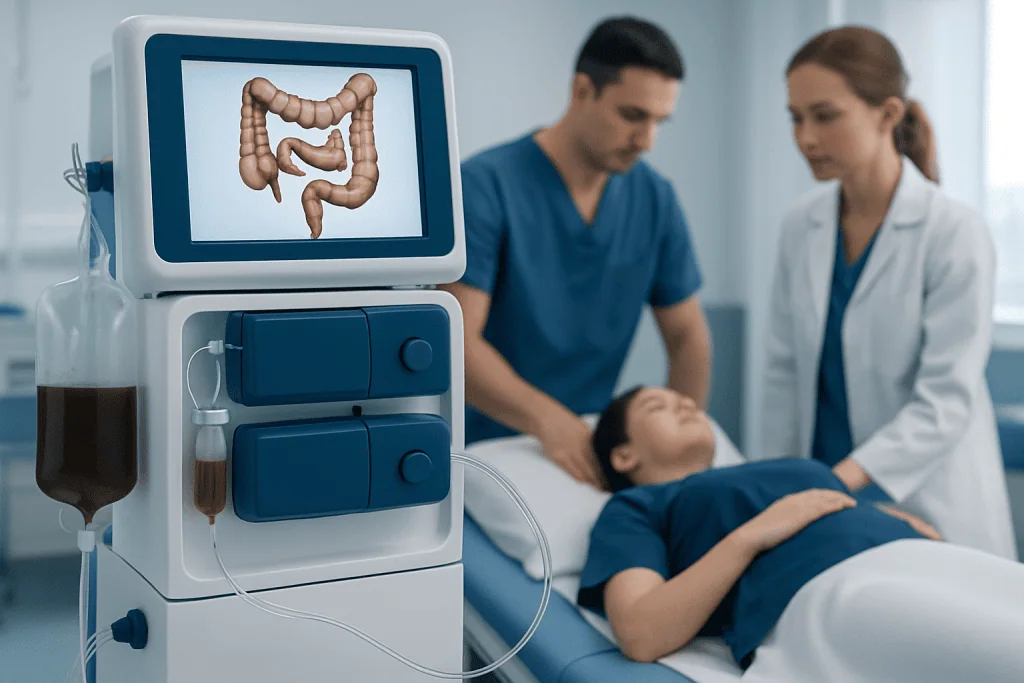
The digestive tract contains trillions of microorganisms, including bacteria, viruses and fungi. Together, these organisms are often called the gut microbiome. They help process some dietary components, support the intestinal barrier and interact with immune and metabolic systems. People with obesity may have differences in their gut microbiome compared with people at lower weights, but these differences do not prove that one microbiome pattern directly causes weight gain.
During FMT, stool from a screened donor is processed under controlled conditions and introduced into the recipient’s gastrointestinal tract. It may be delivered through colonoscopy, an enema, a tube placed through the nose into the digestive tract, or an oral capsule in selected clinical settings. The aim is to restore a healthier balance of intestinal microorganisms in conditions where this approach is known to help.
For weight loss, the proposed theory is that donor microbes could influence metabolism or appetite-related processes. However, microbiomes are shaped by diet, medicines, environment, genetics and underlying health conditions. This complexity is one reason why a simple transfer has not become a reliable obesity treatment.
Can a Fecal Transplant Help You Lose Weight?
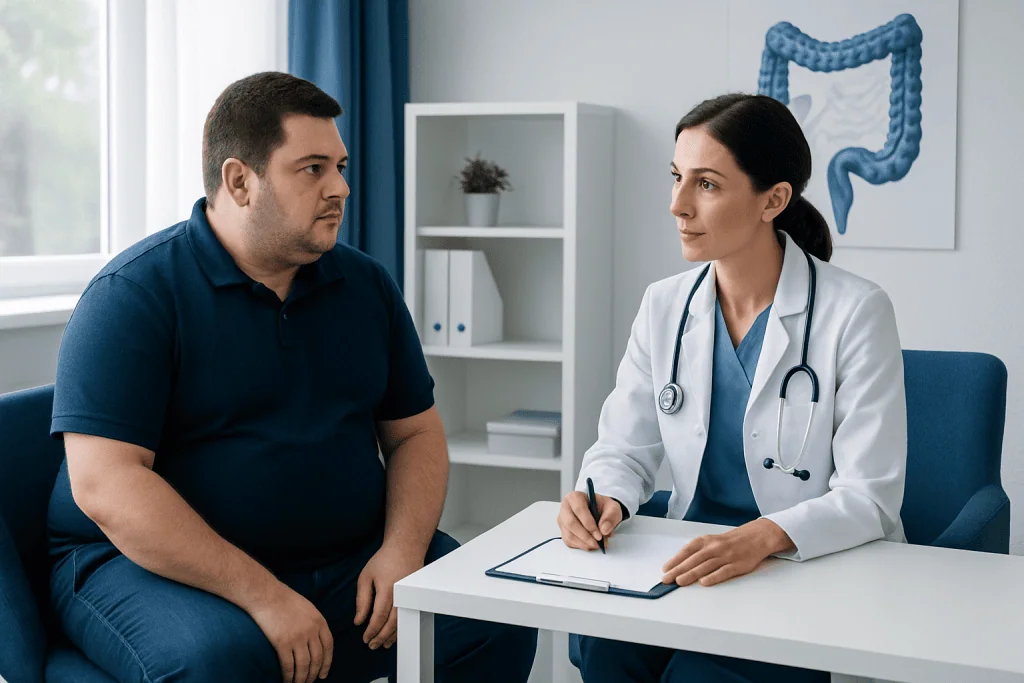
At present, a fecal transplant cannot be recommended as a dependable way to lose weight. Small studies have explored whether FMT from metabolically healthy donors can affect insulin sensitivity, gut bacteria or body composition, but results have been mixed. Clinically meaningful and sustained weight loss has not been established.
Some research suggests that dietary changes may have a more predictable effect on the gut microbiome than a one-time microbiota transfer. Fibre-rich foods, adequate protein, minimally processed foods and patterns of eating that can be maintained over time may support both general health and weight management. Individual dietary advice is especially important for people with diabetes, digestive disease, kidney disease or a history of eating disorders.
Unregulated stool-based products or do-it-yourself approaches can be dangerous. Donor material may transmit infections or organisms with antibiotic resistance, even when a donor appears well. People should avoid providers who present FMT as a proven weight-loss shortcut outside appropriate medical oversight or research protocols.
Who Is a Candidate and What Happens During the Procedure?
In routine care, candidacy for FMT is determined primarily by a gastroenterology or infectious diseases team for recurrent or difficult-to-treat C. difficile infection. The clinician reviews symptoms, test results, prior treatments, medical history, immune status and medicines. FMT for obesity alone is generally not offered as standard clinical treatment.
When FMT is medically indicated, the donor source is screened for health risks and transmissible infections. The recipient may be asked to follow preparation instructions, which can include changes to certain medicines or bowel preparation when colonoscopy is planned. The exact steps depend on the delivery method and the reason for treatment.
With colonoscopy delivery, the person is usually given sedation, and the clinician places the prepared material into the large intestine through a flexible scope. Capsule-based treatment avoids a procedure but is still supervised and may not suit everyone. The care team explains the planned method, benefits, alternatives and potential complications before consent is obtained.
For people living with obesity, assessment often focuses instead on comprehensive medical weight management. This may include nutrition support, physical activity planning, behavioural care, anti-obesity medicines where appropriate, and evaluation for bariatric surgery when eligibility criteria are met.
How Long Does It Take to Recover From a Fecal Transplant?
Recovery from FMT is often relatively quick. Many people return home the same day after outpatient treatment, particularly when capsules, enemas or an uncomplicated colonoscopy are used. If sedation was given, driving, alcohol and important decisions should be avoided for the rest of that day, according to the care team’s instructions.
Mild bloating, gas, cramping, loose stools, constipation or temporary changes in bowel habits can occur during the first few days. These symptoms often settle, but the treating team should be contacted if they are persistent, worsening or difficult to manage. Recovery may take longer for people who are already unwell, have severe intestinal inflammation or need hospital-based treatment.
The colonoscopy itself can also influence recovery. Some people feel tired after sedation or experience brief abdominal discomfort from air used during the examination. Follow-up is arranged to assess whether symptoms of the underlying condition have improved and to review any needed ongoing care.
Risks, Benefits and Safer Weight-Management Choices
For carefully selected people with recurrent C. difficile infection, FMT can be beneficial when conventional treatment has been unsuccessful. However, its possible benefits for weight loss remain uncertain. A procedure should not be considered low risk simply because it uses material derived from a natural source.
Potential risks include nausea, abdominal discomfort, diarrhoea, constipation and, rarely, complications related to the delivery procedure such as bleeding or perforation during colonoscopy. More importantly, infections and antibiotic-resistant organisms can potentially be transmitted through donor material. Strict donor screening and regulated handling reduce risk but cannot remove it completely.
For obesity, evidence-based care begins with an assessment of weight history, health conditions, medicines and goals. Structured lifestyle support and medical treatment may be appropriate. For people with severe obesity or obesity-related conditions, surgery can be considered as part of long-term care; related concerns such as type 2 diabetes and sleep apnoea may also be evaluated during planning.
What Is the Average Monthly Weight Loss After Gastric Bypass Surgery?
There is no single average monthly weight-loss figure after gastric bypass surgery because results vary widely. Starting weight, surgical technique, nutrition, physical activity, follow-up care, medicines and health conditions all influence the pace of change. Weight loss is usually fastest in the first several months and then gradually slows as the body reaches a new steady state.
Clinicians generally assess outcomes over months and years rather than expecting a fixed monthly amount. Many patients lose a substantial proportion of excess body weight after gastric bypass, but individual outcomes cannot be predicted precisely. Regular monitoring helps support nutritional health, identify complications and maintain progress over time.
Gastric bypass requires lifelong dietary adjustments, vitamin and mineral supplementation as prescribed, and follow-up with the bariatric team. It is not an alternative form of FMT; it is a well-studied metabolic procedure with specific indications, risks and benefits.
How Long Does It Take to Recover From Bariatric Surgery?
Recovery after bariatric surgery varies by procedure and individual health. Many people stay in hospital for one to several days and can resume light daily activities within a few weeks. Returning to physically demanding work, heavy lifting or strenuous exercise may take longer, and the surgical team provides individualized guidance.
The first weeks involve a staged eating plan that commonly progresses from liquids to pureed and then textured foods. Hydration, protein intake and prescribed supplements are important. Follow-up appointments help the team monitor wound healing, nutrition, weight trends and any concerns such as vomiting, dehydration or difficulty tolerating food.
Recovery also includes adapting to long-term changes in appetite, eating habits and emotional wellbeing. Acibadem International’s multidisciplinary specialists and JCI-accredited hospitals support international patients who need assessment and treatment for digestive and weight-related conditions.
When to Seek Medical Care
Anyone considering FMT for weight loss should first speak with a qualified doctor, ideally a gastroenterologist or weight-management specialist. A clinician can clarify whether there is a medical indication for FMT and discuss proven options for obesity care. It is particularly important to seek professional advice before taking supplements, changing medicines or pursuing treatments offered outside regulated medical settings.
After FMT, urgent medical assessment is needed for fever, severe or increasing abdominal pain, persistent vomiting, signs of dehydration, blood in the stool, fainting, confusion or worsening diarrhoea. These symptoms may have causes unrelated to FMT, but they should not be ignored.
People seeking help with weight should arrange a medical review if weight gain is rapid or unexplained, or if it occurs with symptoms such as marked fatigue, menstrual changes, excessive thirst, snoring or breathing pauses during sleep. Screening for contributing conditions and a respectful, individualized plan can make care safer and more effective.
Frequently asked questions
Can a fecal transplant help you lose weight?
Current evidence does not support fecal microbiota transplantation as a reliable treatment for weight loss. Research is ongoing, but studies have not demonstrated consistent, durable weight reduction. FMT should not be used for obesity outside an appropriately governed clinical research setting.
How long does it take to recover from a fecal transplant?
Many people recover within a day or a few days, depending on the delivery method and their underlying health. Mild bloating, gas or changes in bowel habits may occur temporarily. People who receive sedation should follow same-day safety instructions from their care team.
Is fecal microbiota transplantation approved for obesity?
FMT is not an established or routinely approved treatment for obesity. Its recognized clinical role is primarily in selected cases of recurrent Clostridioides difficile infection. Regulatory requirements and access can differ between countries.
What is the average monthly weight loss after gastric bypass surgery?
There is no dependable monthly average because weight loss differs substantially from person to person. It is usually most rapid during the early months after surgery and slows over time. Bariatric teams assess progress over longer periods while monitoring nutrition and overall health.
How long does it take to recover from bariatric surgery?
Hospital recovery commonly lasts one to several days, while a return to light routine activities often takes a few weeks. Full recovery and adjustment to long-term dietary changes take longer. The timeline depends on the procedure, complications, work demands and the person’s health.
What are the risks of a fecal transplant?
Possible short-term effects include bloating, cramping, nausea and altered bowel habits. Rarely, complications can occur from the delivery procedure, and donor material can transmit infections or antibiotic-resistant organisms. Appropriate donor screening and specialist oversight are essential.
References
- U.S. Food and Drug Administration
- American Gastroenterological Association
- National Institute of Diabetes and Digestive and Kidney Diseases
- World Health Organization
- American Society for Metabolic and Bariatric Surgery
This article is for general information only and is not a substitute for professional medical advice. Please consult a qualified doctor about your individual situation.
Medical weight-loss options in Turkey — costs & eligibility
JCI-accredited · board-certified surgeons · reply within 24h
Add us as a Preferred Source to see more of our trusted health content across Google Search, AI Overviews and Discover.