Feces Treatment: How It Works, Results and What to Expect

Fecal microbiota transplantation is a regulated medical procedure, not a home remedy or general detoxification method. Its best-supported use is recurrent C. difficile infection that returns after appropriate antibiotic treatment.
Key Takeaways
- Fecal microbiota transplantation is a regulated medical procedure, not a home remedy or general detoxification method.
- Its best-supported use is recurrent C. difficile infection that returns after appropriate antibiotic treatment.
- Donor screening, laboratory processing, and clinical delivery are essential safety steps.
- FMT may be given by colonoscopy, capsules, enema, or sometimes through an upper gastrointestinal tube, depending on the clinical situation.
- Most people return to usual activities quickly, but follow-up is needed to assess symptoms and possible complications.
Feces treatment usually refers to fecal microbiota transplantation (FMT), a medical procedure that transfers carefully screened stool microbes from a healthy donor into a patient’s digestive tract. It is most established for recurrent or difficult-to-treat Clostridioides difficile (C. difficile) infection, while many other uses remain under research.
Overview: What Is Feces Treatment?
Feces treatment is a commonly searched term for fecal microbiota transplantation (FMT), also called a stool transplant. It involves transferring beneficial microorganisms from stool donated by a rigorously screened healthy person into the digestive tract of someone whose gut microbiome has been disrupted. The aim is to help restore a healthier balance of intestinal bacteria and other microbes.
FMT has the strongest clinical evidence for recurrent Clostridioides difficile infection, often shortened to C. difficile or C. diff. This infection can cause repeated watery diarrhea and colitis, particularly after antibiotic use. In suitable patients, FMT may be considered when infection returns despite recommended antibiotic treatment.
Although feces research is expanding into conditions such as inflammatory bowel disease, irritable bowel syndrome, obesity, and some neurologic conditions, FMT is not established routine treatment for these uses. A gastroenterology specialist can explain whether a person’s diagnosis and treatment history support considering this procedure.
How Fecal Microbiota Transplantation Works
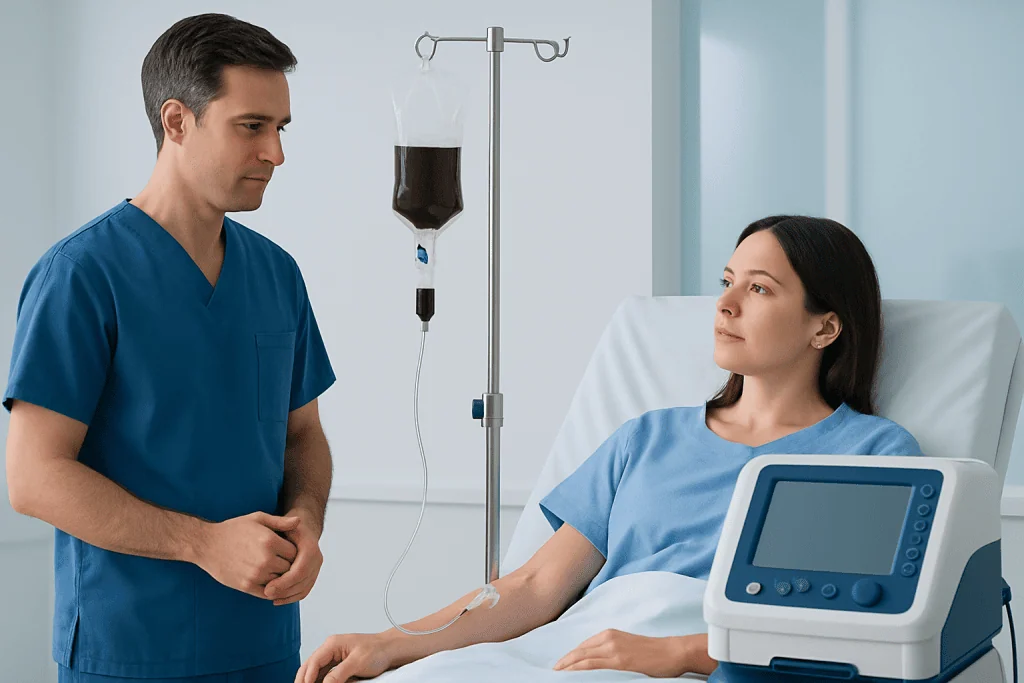
The intestine contains a complex community of microorganisms known as the gut microbiome. Antibiotics, infections, hospitalization, illness, and other influences can alter this ecosystem. In C. difficile infection, disruption of normal gut microbes can allow C. difficile bacteria to multiply and produce toxins that irritate and damage the colon.
FMT introduces a diverse community of screened donor microorganisms into the recipient’s intestine. These microorganisms may help re-establish colonization resistance: the ability of healthy gut microbes to limit the growth of harmful organisms such as C. difficile. FMT is used alongside, rather than as a replacement for, careful infection assessment and standard medical care.
Feces evaluation and feces processing are critical parts of the procedure. The donor material is collected under controlled conditions, mixed and prepared according to clinical protocols, and then delivered in a form appropriate for the chosen route. It should never be attempted with unscreened material or outside qualified medical supervision.
Candidacy, Testing, and Preparation
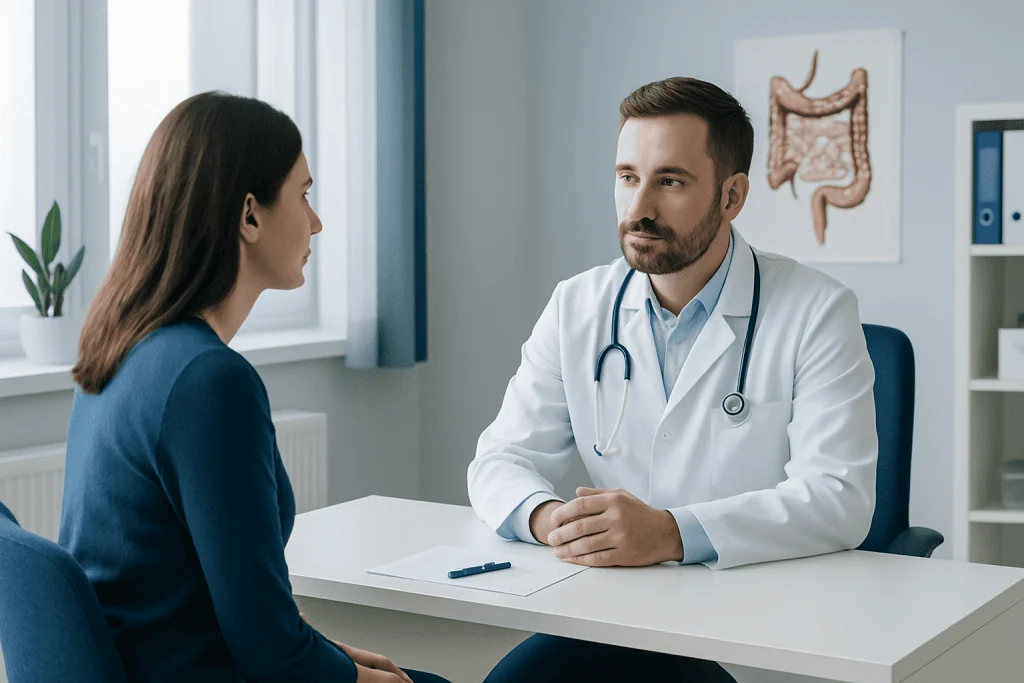
A clinician will first confirm that symptoms are likely due to active C. difficile infection rather than another cause of diarrhea. A feces testing definition in this setting is laboratory examination of a stool sample to detect C. difficile or its toxin-producing potential. Test results must be interpreted together with symptoms, because some people can carry C. difficile without having active disease.
People who may be considered for FMT generally have recurrent C. difficile infection after appropriate antibiotic therapy, or selected severe cases assessed by an experienced specialist. The care team reviews medical history, medications, immune status, recent procedures, allergies, bowel conditions, and any factors that could affect the safest route of administration.
Donors undergo detailed health questionnaires and laboratory screening for transmissible infections and other risks. Screening approaches can vary by country and facility, but may include blood and stool testing. These safeguards reduce risk but cannot eliminate every possible risk, which is why informed consent and specialist oversight are important.
- Patients may be asked to stop or adjust certain medicines only under clinician guidance.
- Preparation may include a bowel-cleansing regimen if colonoscopy is planned.
- The team explains dietary instructions, timing of antibiotics, and transportation needs if sedation will be used.
What Happens During the Procedure?
The method of delivery is selected based on the person’s health, anatomy, symptoms, availability of approved products, and the clinician’s judgment. Stool microbiota may be administered during colonoscopy, through an enema, in orally swallowed capsules, or less commonly through an upper gastrointestinal route. Each method has different preparation requirements and possible side effects.
For colonoscopy, a flexible instrument is passed through the rectum to examine the colon and deliver the prepared microbiota. For capsule-based treatment, the person swallows specially prepared capsules under medical direction. An enema may be used in some settings and generally involves placing the preparation into the lower bowel through the rectum.
Do they put you to sleep for a fecal transplant? Sedation depends mainly on the delivery method. Colonoscopy is often performed with moderate or deep sedation, so the person is comfortable and may not remember the procedure; the exact approach is decided with the clinical team. Capsules and enemas usually do not require sedation, while upper gastrointestinal delivery may involve different sedation and aspiration-safety considerations.
After administration, the patient is observed for a period that depends on the method used and their overall health. If sedation was given, a responsible adult may need to accompany the patient home, and driving or important decisions should be avoided until the effects have fully worn off.
Benefits, Results, and Success Rates
The primary expected benefit of FMT for recurrent C. difficile infection is preventing another episode of infection and reducing related diarrhea, abdominal discomfort, dehydration risk, and repeated antibiotic exposure. Some people improve quickly, while others need further clinical review, additional treatment, or a repeat microbiota-based therapy depending on their individual situation.
What is the success rate of stool transplants? For recurrent C. difficile infection, clinical studies and guidelines show that FMT-based therapies can help many appropriately selected patients, with success commonly reported in the broad range of about 70% to 90% after treatment, depending on the product, delivery route, patient population, and how success is measured. A single person’s outcome cannot be predicted from these figures, and recurrence can still occur.
Results are less certain for conditions other than recurrent C. difficile infection. Research is ongoing, but benefits seen in small or early studies do not mean FMT is proven, appropriate, or safe for every digestive or non-digestive condition. A specialist can discuss evidence-based options for concerns such as Crohn’s disease or other chronic bowel symptoms.
Side Effects, Risks, and Recovery Timeline
What are the side effects of a fecal transplant? Short-term effects can include bloating, cramping, gas, nausea, constipation, loose stools, or temporary changes in bowel habits. These are often mild and settle within days, but persistent or worsening symptoms should be reported to the treating team.
Less common but important risks depend partly on the delivery method. Colonoscopy may carry risks related to bowel preparation, sedation, bleeding, or rarely perforation. Upper gastrointestinal delivery may involve nausea, vomiting, or aspiration risk. Despite donor screening, infectious organisms or other unwanted traits could potentially be transmitted, which is why regulated screening and processing are essential.
How long does it take to recover from a fecal transplant? Recovery is often brief. People who receive capsules or an enema may feel able to resume usual activities the same day or the following day, while recovery after colonoscopy may require a day of rest because of sedation. Bowel symptoms and overall response are monitored over the following days and weeks, especially for signs that C. difficile infection may be returning.
Patients should follow the care team’s instructions on medicines, hydration, diet, and follow-up testing. They should not take leftover antibiotics, anti-diarrheal medicines, probiotics, or supplements specifically to alter the microbiome without asking their clinician, as recommendations vary by clinical circumstance.
When to Seek Medical Care
Urgent medical assessment is appropriate for severe or worsening diarrhea, fever, significant abdominal pain or swelling, vomiting that prevents fluid intake, blood in the stool, confusion, fainting, or signs of dehydration such as very little urine output. These symptoms may have causes other than C. difficile, but they should not be managed with an unsupervised stool-based treatment.
After FMT, patients should contact their healthcare team promptly if diarrhea returns or becomes frequent, if abdominal symptoms are worsening, or if they develop fever or feel generally unwell. The clinician may need to assess for recurrent infection, another bowel condition, medication effects, or a procedure-related issue.
For people with recurrent C. difficile infection, coordinated care from gastroenterology, infectious diseases, and microbiology specialists can help identify the safest next step. Acibadem International’s multidisciplinary specialists and JCI-accredited hospitals assess and treat digestive conditions for international patients, including evaluation of appropriate microbiota-based treatment options.
Frequently asked questions
Is feces treatment the same as a fecal transplant?
In common use, feces treatment usually refers to fecal microbiota transplantation, also called FMT or a stool transplant. It is a medical procedure that uses processed stool-derived microorganisms from carefully screened donors. It is not the same as using stool samples for diagnostic testing.
Can fecal microbiota transplantation treat all digestive problems?
No. Its most established use is recurrent C. difficile infection in appropriately selected patients. Researchers are studying FMT for other disorders, but evidence and regulatory approval vary, so it should not be considered a universal treatment for gut symptoms.
Is donor stool tested before a fecal transplant?
Yes. Reputable programs use detailed donor health screening and laboratory testing to reduce the risk of transmitting infections or other harmful organisms. Screening lowers risk but cannot make the procedure completely risk-free.
Can a person do a stool transplant at home?
No. Home stool transplants are unsafe because donors may carry infections or other health risks that are not apparent without formal screening and testing. The material also requires controlled handling and clinical oversight.
Will antibiotics be needed before or after FMT?
Many patients being treated for recurrent C. difficile receive antibiotics as part of their care before microbiota-based treatment. The exact timing and need for antibiotics afterward depend on the infection, delivery method, and the treating clinician’s plan. Patients should not start or stop antibiotics on their own.
What should a patient eat after a fecal transplant?
There is no single diet proven necessary after FMT. Clinicians may recommend adequate fluids and a return to normal meals as tolerated, while taking individual symptoms and medical conditions into account. A patient should ask their care team about personalized dietary advice.
References
- U.S. Food and Drug Administration
- American Gastroenterological Association
- Centers for Disease Control and Prevention
- European Society of Clinical Microbiology and Infectious Diseases
- National Institute of Diabetes and Digestive and Kidney Diseases
This article is for general information only and is not a substitute for professional medical advice. Please consult a qualified doctor about your individual situation.
Persistent digestive symptoms? Get evaluated in Turkey
JCI-accredited · board-certified surgeons · reply within 24h
Add us as a Preferred Source to see more of our trusted health content across Google Search, AI Overviews and Discover.