Ferritin: What Patients Need to Know

Ferritin reflects the body's stored iron rather than the amount of iron circulating in the blood at that moment. Low ferritin is a common sign of iron deficiency, even before anemia develops.
Key Takeaways
- Ferritin reflects the body's stored iron rather than the amount of iron circulating in the blood at that moment.
- Low ferritin is a common sign of iron deficiency, even before anemia develops.
- High ferritin does not always mean too much iron; it can also rise with infection, inflammation, liver disease, or metabolic conditions.
- A ferritin result should be interpreted together with symptoms, medical history, and other blood tests.
- Treatment depends on the cause and may include diet changes, iron replacement, or care for an underlying condition.
Ferritin is a protein that stores iron, and a ferritin blood test helps show how much iron the body has in reserve. Low ferritin often points to iron deficiency, while high ferritin may reflect inflammation, liver problems, iron overload, or other medical conditions.
Overview: what ferritin means
Ferritin is a protein that stores iron inside cells and releases it when the body needs it. Because iron is essential for making hemoglobin, supporting energy production, and helping many organs function normally, ferritin serves as an important marker of the body’s iron reserves. A ferritin blood test does not diagnose every iron-related problem on its own, but it is often one of the most useful starting points.
Patients often ask whether ferritin and iron are the same thing. They are related, but not identical. Iron in the blood can change from hour to hour, while ferritin more often reflects stored iron over time. This is why ferritin is commonly used when a doctor wants to check for iron deficiency, investigate fatigue, or understand whether a person may have too much iron stored in the body.
Ferritin can also rise for reasons unrelated to iron overload. Inflammation, infection, liver disease, alcohol use, obesity, and some chronic illnesses may all increase ferritin. For that reason, ferritin is best understood as part of a bigger clinical picture rather than a standalone answer.
Why a ferritin test may be ordered
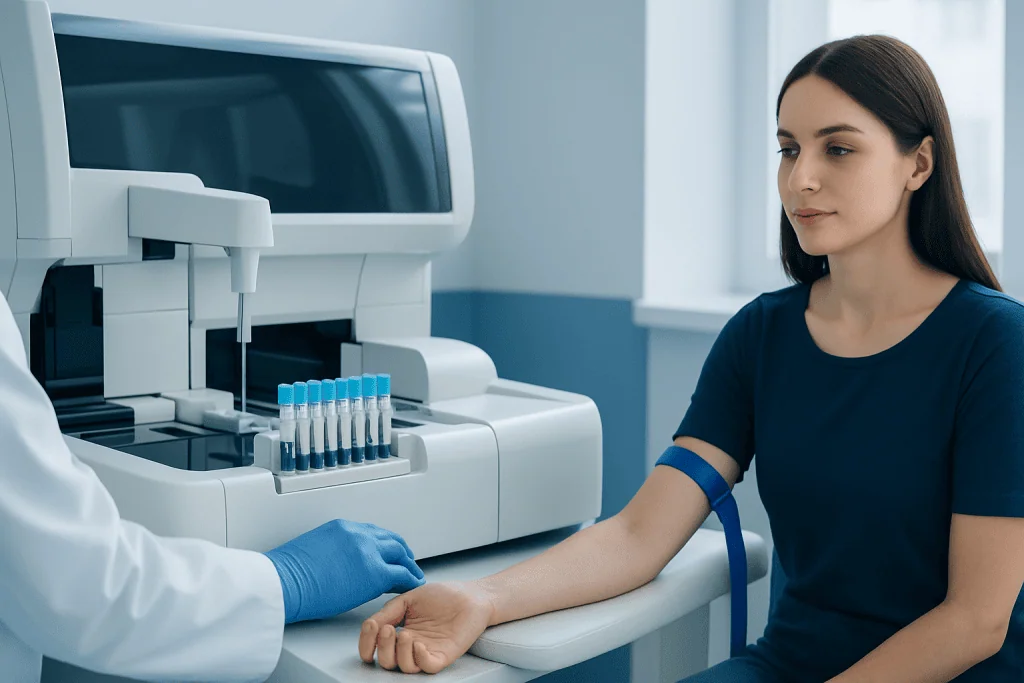
A clinician may request a ferritin test when symptoms suggest an iron imbalance or when another blood test, such as a complete blood count, shows possible anemia. Common reasons include ongoing tiredness, shortness of breath with activity, headaches, dizziness, restless legs, poor concentration, or hair shedding. Ferritin may also be checked in people with heavy menstrual bleeding, pregnancy, digestive disorders, or long-term medical conditions that can affect iron levels.
The test is also useful when ferritin is suspected to be high. In that setting, the goal is often to understand whether the result reflects excess iron, inflammation, or another underlying issue. Doctors may combine ferritin with tests such as serum iron, transferrin saturation, total iron-binding capacity, liver enzymes, and markers of inflammation to reach a clearer conclusion.
Ferritin testing can be helpful in monitoring treatment too. For example, someone being treated for iron deficiency may have repeat ferritin testing after a period of oral or intravenous iron therapy. In patients with chronic illnesses or known iron overload syndromes, ferritin can help guide follow-up over time.
Symptoms linked with low or high ferritin

Low ferritin may develop gradually, so symptoms can be subtle at first. People may feel more tired than usual, notice reduced exercise tolerance, become pale, or experience difficulty concentrating. Some develop brittle nails, increased hair shedding, mouth soreness, cold intolerance, or cravings for non-food items such as ice. If iron deficiency progresses far enough to cause anemia, symptoms may become more noticeable.
High ferritin often causes no symptoms at all, especially when it is found on a routine blood test. When symptoms are present, they usually relate to the underlying cause rather than to ferritin itself. For example, fever or body aches may suggest infection or inflammation, while abdominal discomfort, jaundice, or abnormal liver tests may point toward liver disease.
In a smaller number of cases, very high ferritin may be associated with iron overload conditions such as hemochromatosis. People with iron overload may develop joint pain, skin bronzing, weakness, sexual health changes, or problems involving the liver, pancreas, or heart over time. These symptoms are not specific, so proper medical evaluation is important.
Common causes and risk factors
Low ferritin most commonly reflects iron deficiency. This can happen when the body loses iron, does not absorb enough, or needs more than usual. Heavy menstrual bleeding, gastrointestinal bleeding, a low-iron diet, pregnancy, endurance exercise, and digestive conditions that impair absorption are common examples. In some patients, low ferritin may be the first clue to a hidden source of blood loss, especially in the digestive tract.
High ferritin has a broader list of causes. Ferritin behaves as an acute-phase reactant, meaning it can rise when the body is inflamed. Infections, autoimmune diseases, fatty liver disease, alcohol-related liver injury, obesity, metabolic syndrome, kidney disease, and some cancers may all increase ferritin. This is one reason high ferritin should not automatically be interpreted as excess iron.
True iron overload is another possibility, especially when ferritin is elevated together with a high transferrin saturation. Hereditary hemochromatosis is a well-known inherited cause, but repeated blood transfusions and some blood disorders can also lead to iron buildup. In selected cases, specialists may consider treatment approaches such as therapeutic phlebotomy if iron overload is confirmed.
Risk factors that can make ferritin abnormalities more likely include a family history of iron overload, chronic inflammatory disease, digestive disorders such as celiac disease, bariatric surgery, frequent blood donation, and long-term dietary restriction without adequate iron intake. Age, sex, pregnancy status, and alcohol use can also influence how ferritin results are interpreted.
How ferritin results are interpreted
There is no single ferritin number that means the same thing for everyone. Reference ranges vary somewhat by laboratory, age, and sex, and the meaning of a result depends on the person’s symptoms and health history. In general, a low ferritin level is a strong clue that iron stores are reduced. Some people can have low ferritin even when hemoglobin is still normal, which means iron deficiency may be present before anemia appears.
High ferritin is more complex. A mildly or moderately elevated ferritin may be caused by inflammation, liver disease, or metabolic health problems rather than by too much stored iron. To sort this out, doctors often review a complete blood count, iron and transferrin saturation levels, liver function tests, and sometimes inflammatory markers. In certain cases, genetic testing or imaging may be considered.
If there is concern about organ involvement from iron overload or another disease, additional studies may be recommended. Depending on the situation, this can include MRI to assess tissue iron or liver health, or other targeted evaluations. The main goal is to identify the reason behind the abnormal ferritin value rather than focusing on the number alone.
Treatment options and follow-up
Treatment is guided by the cause. When ferritin is low because of iron deficiency, the first step is to understand why iron stores have fallen. A doctor may recommend iron-rich foods, oral iron supplements, or, in some cases, intravenous iron if absorption is poor or deficiency is significant. It is equally important to address the reason for the deficiency, such as heavy periods, a digestive condition, or blood loss from the stomach or bowel.
When ferritin is high, treatment focuses on the underlying disorder. Managing inflammation, treating infection, reducing alcohol intake, improving metabolic health, or addressing liver disease may all help. If tests confirm iron overload, care may include regular blood removal through phlebotomy or other specialist-led strategies. Patients should not start taking iron supplements unless a clinician has advised that iron deficiency is present.
Follow-up testing is often needed because ferritin changes over time. Repeating ferritin after treatment helps show whether iron stores are recovering or whether a high level is improving as the underlying condition is treated. Patients may need longer-term monitoring if they have a chronic disease, recurrent iron deficiency, or a hereditary iron disorder.
For international patients who need further evaluation, Acibadem International’s multidisciplinary specialists and JCI-accredited hospitals diagnose and treat iron-related and underlying medical conditions with coordinated care.
Self-care, diet, and prevention
Healthy habits can support balanced iron stores, but self-care should not replace medical assessment when ferritin is clearly abnormal. A varied diet that includes iron-rich foods may help prevent deficiency. Depending on personal preferences and health needs, this can include lean meats, beans, lentils, fortified grains, leafy greens, and iron-fortified cereals. Vitamin C-containing foods can improve iron absorption when eaten with plant-based iron sources.
At the same time, not everyone with fatigue needs iron, and taking supplements without testing can be unhelpful or even harmful. Iron tablets may cause side effects and are not appropriate for people with high ferritin or confirmed iron overload. Likewise, people with elevated ferritin should avoid assuming they have too much iron until proper testing is complete, since inflammation and liver conditions are common explanations.
Prevention also means identifying risk factors early. People with heavy menstrual bleeding, restrictive diets, digestive disorders, previous bariatric surgery, or a family history of iron overload may benefit from periodic medical review. If symptoms persist despite normal early tests, a clinician may decide that repeat ferritin or broader evaluation is appropriate.
When to seek medical care
Medical advice is recommended if a person has ongoing fatigue, shortness of breath, dizziness, pale skin, unexplained hair loss, restless legs, or other symptoms that could suggest low iron stores. Care is also important when ferritin is found to be high on routine testing, even if there are no symptoms, because the result may point to inflammation, liver disease, or another treatable condition.
Prompt assessment is especially important if there are warning signs such as black or bloody stools, vomiting blood, chest pain, fainting, severe weakness, jaundice, or unexplained weight loss. These symptoms can indicate significant blood loss or another serious condition and should not be ignored.
A doctor may recommend blood tests, review medicines and supplements, ask about menstrual or digestive symptoms, and look for signs of underlying disease. If needed, the patient may be referred to a specialist in internal medicine, gastroenterology, hematology, or hepatology for more detailed evaluation.
Frequently asked questions
What does ferritin measure?
Ferritin reflects how much iron the body has stored for future use. It is different from the iron circulating in the blood at a specific moment, so it is often more helpful for identifying iron deficiency.
Can ferritin be low even if hemoglobin is normal?
Yes. Ferritin can fall before anemia develops, which means iron stores may already be low even when hemoglobin is still within the normal range. This is why ferritin is often checked in people with fatigue or other symptoms suggestive of iron deficiency.
Does a high ferritin level always mean too much iron?
No. Ferritin can rise because of inflammation, infection, liver disease, alcohol use, obesity, or chronic illness. Doctors usually look at ferritin together with transferrin saturation and other tests before concluding that iron overload is present.
Should patients take iron supplements for low ferritin on their own?
It is best to speak with a doctor before starting iron. Low ferritin often does indicate iron deficiency, but the cause still needs to be understood, and the wrong supplement plan may delay proper care or cause side effects.
How long does it take ferritin to improve after treatment?
It depends on the cause, the severity of deficiency, and the treatment used. Some patients begin to feel better within weeks, but rebuilding iron stores often takes longer, so follow-up blood tests are commonly needed.
What foods help support healthy ferritin levels?
Iron-rich foods such as lean meats, beans, lentils, fortified cereals, and leafy green vegetables can help support iron stores. Eating vitamin C-rich foods alongside plant-based iron sources may improve absorption.
This article is for general information only and is not a substitute for professional medical advice. Please consult a qualified doctor about your individual situation.
Explore treatments in Turkey — costs, top hospitals & a free quote
JCI-accredited · board-certified surgeons · reply within 24h
Add us as a Preferred Source to see more of our trusted health content across Google Search, AI Overviews and Discover.

More from the Health Library

Dysuria: What Patients Need to Know

Early Stage HPV Warts Female: What Patients Need to Know

Bcba: What Patients Need to Know

Premature Ejaculation: An Evidence-Based Guide for Patients

Average walking speed: Charts, Averages, and What’s Normal