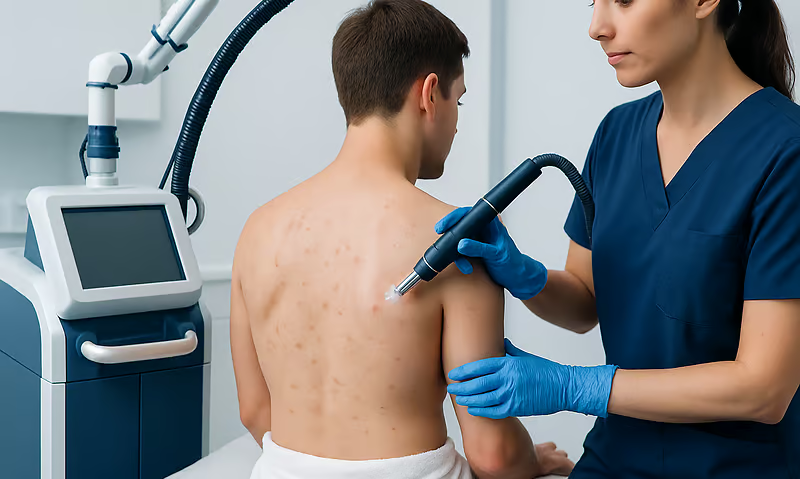
Fijiyotherapi: A Complete Medical Guide for Patients

Fijiyotherapi is a personalized treatment plan designed to improve movement, strength, balance, and function. It may help with back pain, sports injuries, arthritis, stroke recovery, post-surgical rehabilitation, and many neurological or orthopedic conditions.
Key Takeaways
- Fijiyotherapi is a personalized treatment plan designed to improve movement, strength, balance, and function.
- It may help with back pain, sports injuries, arthritis, stroke recovery, post-surgical rehabilitation, and many neurological or orthopedic conditions.
- Treatment can include exercise therapy, manual therapy, posture training, mobility work, and education for self-care.
- A proper assessment helps identify the cause of movement problems and guides a safe rehabilitation plan.
- Early treatment may improve recovery, but physiotherapy can also support long-term management of chronic conditions.
Fijiyotherapi, also known as physiotherapy or physical therapy, is a medical approach that helps people reduce pain, regain movement, and improve daily function after injury, illness, or surgery. It uses personalized exercise, movement training, and other evidence-based methods to support recovery and long-term physical health.
What Is Fijiyotherapi?
Fijiyotherapi is a common spelling variation of physiotherapy. It refers to a healthcare service focused on restoring movement, relieving pain, and helping the body function as well as possible. Rather than treating symptoms alone, physiotherapy looks at how muscles, joints, nerves, balance, and movement patterns work together in everyday life.
A physiotherapist assesses how a person moves, where pain or weakness is affecting function, and what physical barriers are limiting recovery. Based on this assessment, the therapist creates an individualized program that may include guided exercises, hands-on techniques, stretching, balance work, breathing exercises, and education about posture, activity, and recovery.
Fijiyotherapi is used in many settings. Some people need it after a sports injury or orthopedic surgery, while others use it for chronic back pain, arthritis, neurological conditions, or recovery after illness. The overall goal is to help the person move more confidently, safely, and comfortably in daily life.
How Fijiyotherapi Helps the Body
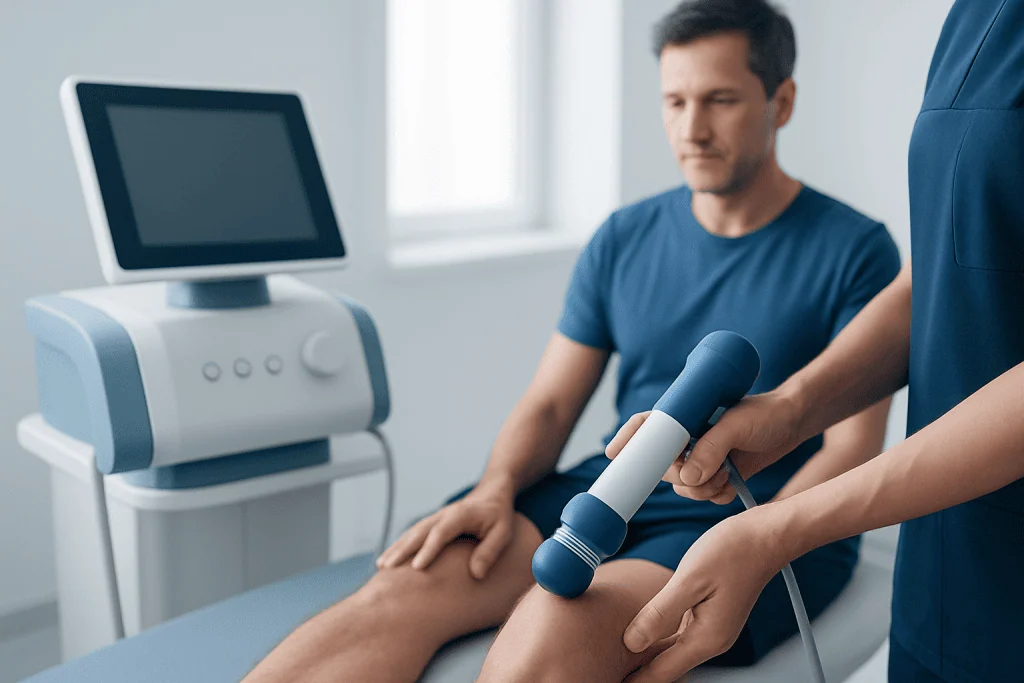
Movement problems often develop for more than one reason. Pain may lead to stiffness, weakness, poor balance, or fear of activity. A person may start avoiding certain movements, which can further reduce mobility and strength. Fijiyotherapi aims to interrupt this cycle by gradually improving how the body moves and responds to activity.
Physiotherapy can help reduce pain by improving joint motion, easing muscle tension, retraining movement patterns, and building support around painful areas. It also helps people regain function, such as walking, climbing stairs, lifting objects, turning the neck, or returning to work and exercise.
In rehabilitation, progress is usually step by step. A treatment plan may begin with pain relief and gentle mobility work, then advance toward strength, endurance, coordination, and return to usual activities. This structured approach is one reason physiotherapy plays an important role in both recovery and prevention.
- Improves flexibility and joint mobility
- Builds muscle strength and endurance
- Supports balance, coordination, and fall prevention
- Reduces pain and stiffness
- Helps restore independence after injury or illness
Who May Benefit From Fijiyotherapi?

Fijiyotherapi can be helpful for people of many ages, from children with developmental movement issues to older adults working on balance and mobility. It is commonly recommended for musculoskeletal problems such as neck pain, shoulder pain, knee pain, tendon injuries, and lower back pain. It may also be part of recovery after fractures, joint replacement, or ligament injuries.
People with neurological conditions may also benefit from physiotherapy. This can include rehabilitation after stroke, support for balance disorders, muscle weakness, or coordination difficulties related to nerve or brain conditions. In some cases, physiotherapy is combined with occupational therapy, speech therapy, or specialist medical care.
It is also widely used after surgery to help the body recover movement safely and reduce the risk of long-term stiffness or weakness. Depending on the underlying problem, some patients may benefit from coordinated care that includes physical therapy and rehabilitation, orthopedic evaluation, pain management, or neurological follow-up.
Examples of conditions and situations where fijiyotherapi may help include:
- Back and neck pain
- Sports injuries and overuse injuries
- Arthritis and joint stiffness
- Post-operative recovery
- Balance problems and falls risk
- Recovery after stroke or nerve-related weakness
What Happens During Assessment and Diagnosis?
Fijiyotherapi begins with a detailed assessment. The physiotherapist usually asks about symptoms, pain triggers, medical history, daily activities, past injuries, work demands, exercise habits, and any previous treatment. This conversation helps clarify not only where symptoms are felt, but how they affect function.
The physical assessment may include observing posture, walking, range of motion, joint movement, muscle strength, flexibility, reflexes, balance, and coordination. The therapist may also check how certain movements reproduce or relieve symptoms. This helps identify likely causes such as muscle weakness, joint restriction, nerve irritation, poor mechanics, or deconditioning.
Sometimes physiotherapy is started after a diagnosis has already been made by a physician. In other cases, a patient may need further medical evaluation, especially when symptoms are severe, unusual, or persistent. Imaging or specialist review may be needed for suspected structural injuries, complex pain, or neurological disease, including conditions such as stroke.
The most effective treatment plan is based on a clear understanding of the underlying problem. For that reason, safe physiotherapy is not simply a set of generic exercises. It is a targeted rehabilitation strategy built around the person’s needs, abilities, and goals.
Common Fijiyotherapi Treatments and Techniques
There is no single physiotherapy method that suits everyone. Treatment depends on the diagnosis, pain level, functional goals, age, and overall health of the patient. Most plans combine active rehabilitation with practical education so the patient can continue progress outside the clinic.
Exercise therapy is one of the core parts of fijiyotherapi. This may include stretching, strengthening, balance drills, walking programs, core stability work, and exercises to improve coordination or endurance. Exercises are usually adjusted over time as symptoms improve and function returns.
Manual therapy may also be used in selected cases. This can include soft tissue techniques, joint mobilization, or guided movement to improve stiffness and comfort. Some treatment plans also include posture retraining, gait training, breathing exercises, ergonomic advice, and home programs that help recovery continue between visits.
Depending on the condition, physiotherapy may be part of a broader treatment pathway, such as orthopedic rehabilitation after joint or bone problems, or sports injuries treatment for active individuals returning to training. For some patients with persistent low back symptoms, evaluation may also involve conditions such as herniated disc.
Recovery, Self-Care, and Prevention
One of the strengths of fijiyotherapi is that it teaches people how to manage their condition actively. Recovery often improves when treatment is combined with regular home exercises, gradual return to activity, attention to posture, and realistic pacing. This helps reduce setbacks and supports long-term results.
Self-care strategies vary by condition, but commonly include staying as active as symptoms safely allow, avoiding sudden overload, and following a therapist’s advice on movement technique. In many cases, complete rest is not the best solution. Guided movement is often more helpful than prolonged inactivity.
Prevention is also an important part of physiotherapy. A therapist may identify movement habits, muscle imbalances, workplace strain, poor training technique, or balance deficits that increase the risk of future problems. Addressing these early can help lower the chance of recurrent pain or injury.
- Do prescribed exercises regularly
- Increase activity gradually rather than too quickly
- Use correct lifting and posture habits
- Take movement breaks during long periods of sitting
- Wear appropriate footwear for activity and stability needs
- Ask for review if symptoms change or exercises become painful
When to Seek Medical Care
Many aches, strains, and movement problems can improve with time and guided rehabilitation, but some symptoms need prompt medical attention. A person should seek medical care if pain is severe, worsening, or preventing normal activity despite rest and basic care. Ongoing symptoms that last more than a few weeks also deserve professional evaluation.
Urgent assessment is important if pain follows a significant fall or injury, if there is sudden weakness, loss of bladder or bowel control, major swelling, fever with back pain, chest pain with exertion, or numbness spreading down an arm or leg. These symptoms may suggest a condition that needs medical diagnosis before or alongside physiotherapy.
It is also sensible to seek advice when balance is worsening, falls are occurring, recovery after surgery seems unusually slow, or a person is unsure which activities are safe. A doctor or physiotherapist can help decide whether rehabilitation alone is appropriate or whether imaging, specialist consultation, or another form of treatment is needed.
Near the end of a patient’s care journey, coordinated rehabilitation can be especially valuable. Acibadem International’s multidisciplinary specialists and JCI-accredited hospitals diagnose and treat movement-related conditions for international patients when broader medical assessment or structured rehabilitation is needed.
Frequently asked questions
Is fijiyotherapi the same as physiotherapy?
Yes. Fijiyotherapi is generally used as an alternative spelling of physiotherapy. Both refer to a healthcare profession focused on movement, rehabilitation, pain relief, and functional recovery.
What conditions can fijiyotherapi treat?
Fijiyotherapi can help with many conditions, including back pain, neck pain, sports injuries, arthritis, post-surgical stiffness, balance problems, and neurological rehabilitation. The exact benefit depends on the cause of symptoms and the patient’s overall health.
Does physiotherapy always involve exercises?
Exercise is a major part of many physiotherapy programs because it helps restore strength, mobility, and function. However, treatment may also include hands-on techniques, education, posture correction, gait training, and a home recovery plan.
How long does it take for fijiyotherapi to work?
This varies from person to person. Some people notice improvement within a few sessions, while others with chronic or complex conditions may need a longer rehabilitation period. Progress often depends on the diagnosis, severity, treatment consistency, and home exercise adherence.
Is fijiyotherapi safe?
In general, physiotherapy is safe when it is guided by a qualified professional and tailored to the patient’s condition. Temporary soreness can happen, especially after starting new exercises, but severe or worsening symptoms should be reported promptly.
Do people need a doctor before starting physiotherapy?
Not always, but it depends on local healthcare systems and the person’s symptoms. A doctor’s evaluation is especially important when there is severe pain, trauma, sudden weakness, unexplained symptoms, or concern for an underlying medical condition.
References
- World Health Organization
- American Physical Therapy Association
- National Institute of Neurological Disorders and Stroke
- National Institute of Arthritis and Musculoskeletal and Skin Diseases
- National Health Service
This article is for general information only and is not a substitute for professional medical advice. Please consult a qualified doctor about your individual situation.
Joint and spine care in Turkey — expert assessment & treatment
JCI-accredited · board-certified surgeons · reply within 24h
Add us as a Preferred Source to see more of our trusted health content across Google Search, AI Overviews and Discover.