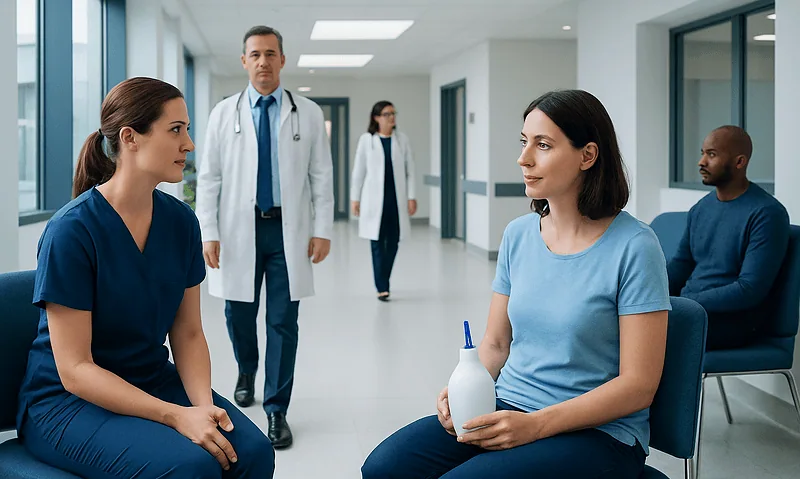
First Aid: A Complete Medical Overview
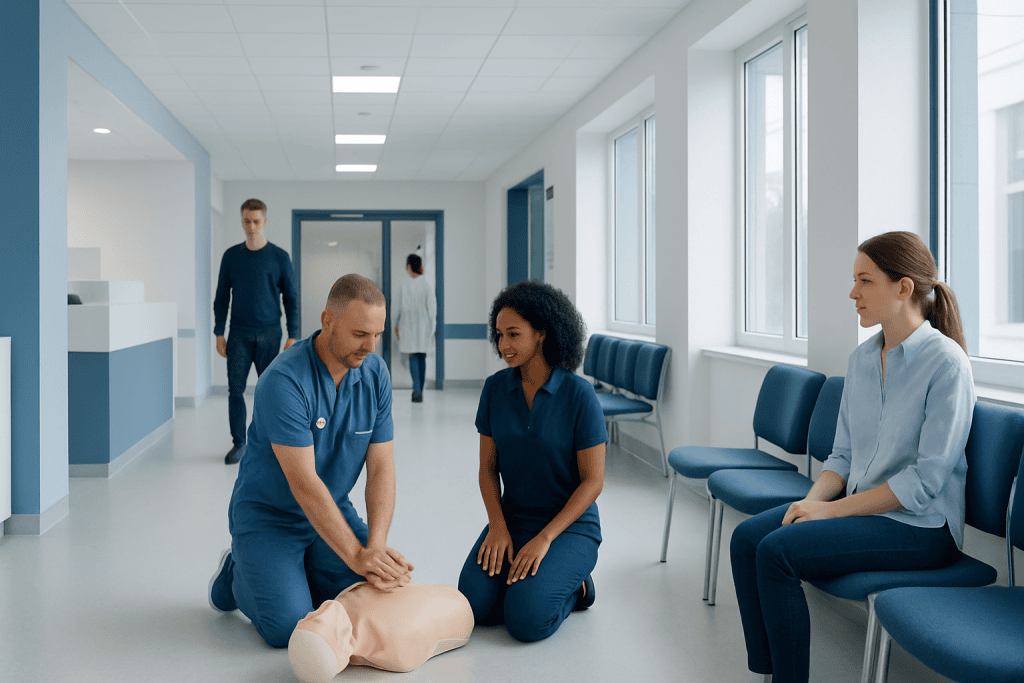
First aid is early, practical care given before medical professionals take over. The first priorities are scene safety, checking responsiveness, and calling emergency services when needed.
Key Takeaways
- First aid is early, practical care given before medical professionals take over.
- The first priorities are scene safety, checking responsiveness, and calling emergency services when needed.
- Common first aid situations include bleeding, burns, choking, fainting, sprains, and possible heart attack or stroke.
- Good first aid uses simple measures and avoids risky actions, especially when a neck, spine, or head injury is possible.
- A well-stocked first aid kit and basic training can help people respond more confidently.
First aid is the immediate care given to a person with an injury or sudden illness before professional treatment is available. It focuses on protecting life, preventing the problem from getting worse, and helping recovery with simple, safe actions.
Overview: what first aid means
First aid is the immediate care given to someone who is injured or suddenly unwell before full medical treatment is available. Its purpose is simple: preserve life, prevent the condition from worsening, and promote recovery. In practice, this may mean calling emergency services, stopping bleeding, helping someone breathe, cooling a burn, or placing a person in a safe position until trained help arrives.
First aid is not the same as hospital treatment, and it does not replace a medical evaluation when one is needed. Instead, it provides the first layer of support in the minutes after an accident or sudden health event. Calm, safe actions can make a meaningful difference while avoiding unnecessary harm.
A helpful way to think about first aid is that it starts with priorities rather than procedures. Before doing anything else, the responder checks whether the area is safe, whether the person is responsive, and whether emergency help is needed. From there, care is guided by the most urgent problem, such as severe bleeding, trouble breathing, chest pain, or loss of consciousness.
The first steps in an emergency
In any emergency, safety comes first. A person giving first aid should look for hazards such as traffic, fire, electricity, smoke, unstable surfaces, or sharp objects. If the scene is unsafe, the safest step may be to keep a distance and call emergency services rather than approach immediately.
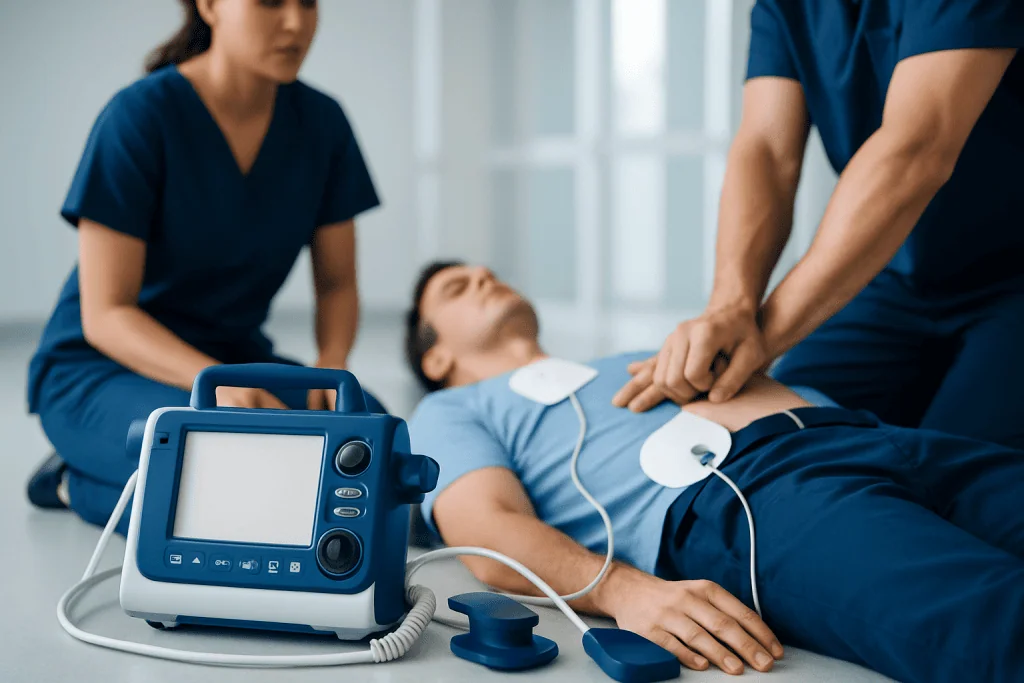
Once the area appears safe, the next steps are to check the person for responsiveness and breathing. If the person does not respond, is not breathing normally, or has collapsed suddenly, emergency services should be called right away. If available, an automated external defibrillator can be brought to the scene, and cardiopulmonary resuscitation should be started by someone trained to do so.
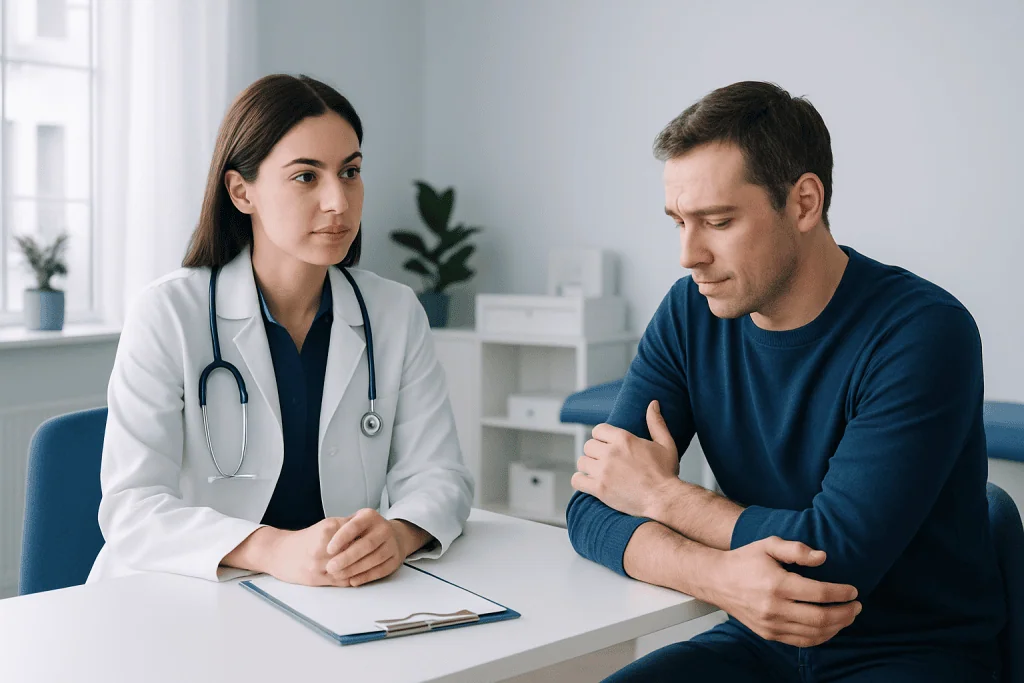
When the person is awake, first aid can begin with a quick assessment of the main complaint and visible injuries. Useful observations include heavy bleeding, difficulty speaking, chest pain, weakness on one side, severe pain, burns, swelling, or signs of confusion. It also helps to ask about allergies, medications, and known medical conditions if the person is able to answer.
- Check for danger before approaching.
- Check responsiveness and breathing.
- Call emergency services early when symptoms are severe.
- Control major bleeding and support breathing.
- Keep the person warm, still, and reassured until help arrives.
Common first aid situations and what to do
For bleeding, firm direct pressure with a clean cloth or bandage is usually the first step. The injured area can be raised if appropriate and if doing so does not cause more pain or suggest a fracture. If blood soaks through, more material can be placed on top without repeatedly removing the original dressing, since lifting it may disturb clotting.
For burns, the area should be cooled under cool running water for several minutes as soon as possible. Ice, butter, toothpaste, and other home remedies should not be applied because they may worsen tissue damage or increase infection risk. Covering the burn loosely with a clean, non-stick dressing may help protect it until medical advice is available.
For sprains, strains, and minor soft tissue injuries, rest, brief icing with a cloth barrier, gentle compression, and elevation can reduce discomfort and swelling. For nosebleeds, the person should sit upright and lean slightly forward while pinching the soft part of the nose. For choking in someone who cannot speak, cough, or breathe, emergency action is needed immediately, and age-appropriate choking first aid should be performed by a trained responder.
Sudden chest pressure, trouble speaking, facial drooping, severe shortness of breath, seizure, or fainting can signal a serious medical event rather than a simple injury. These situations need urgent medical care because they may relate to conditions such as heart attack or stroke. In these cases, first aid mainly involves calling emergency services, keeping the person safe, and monitoring them until professionals arrive.
What not to do during first aid
One of the most important parts of first aid is avoiding actions that could make an injury worse. A person with severe neck, back, or head trauma generally should not be moved unless there is immediate danger, such as fire or a risk of collapse. Unnecessary movement may worsen a possible spinal injury.
Objects stuck in a wound usually should not be removed outside a medical setting because they may be limiting bleeding. Instead, the object can be stabilized with clean padding around it while urgent medical help is arranged. Similarly, blisters from burns should not be intentionally broken, because this can increase the risk of infection.
Giving food, drink, or medication to a drowsy, confused, or unconscious person is unsafe. It may cause choking and may interfere with medical treatment. It is also best not to assume a person has fainted “from stress” or is “just tired” if they have slurred speech, severe weakness, chest pain, or unusual breathing, because serious illness can present in subtle ways.
First aid kits, training, and preparedness
A basic first aid kit can make emergency response quicker and more organized. Useful supplies often include adhesive bandages, sterile gauze, roller bandages, tape, antiseptic wipes, disposable gloves, scissors, a digital thermometer, a cold pack, and a simple first aid guide. Households may also keep personal medications as advised by a doctor, but these should be stored safely and checked regularly for expiry.
Preparedness is not only about supplies. Knowing emergency numbers, keeping important medical information accessible, and learning basic CPR and choking response can improve confidence in stressful moments. Families may also benefit from planning for common situations such as falls, burns in the kitchen, sports injuries, and children’s minor cuts.
Some emergencies are better managed when trained help is already underway. In severe trauma or internal injury, doctors may use hospital-based treatments such as emergency medicine evaluation and imaging, wound care, fracture management, or intensive care support when vital functions are unstable. First aid is the bridge that helps a person reach that care more safely.
When to seek medical care
Medical care should be sought immediately for chest pain, difficulty breathing, severe allergic reaction, heavy bleeding, seizures, signs of stroke, loss of consciousness, serious burns, major head injury, suspected broken bones, or any injury after a road accident or significant fall. Emergency help is also important when a person becomes confused, unusually sleepy, pale, blue around the lips, or difficult to wake.
Urgent medical advice is also needed when symptoms do not improve with basic first aid, when pain is severe, or when there are signs of infection such as increasing redness, pus, fever, or worsening swelling. Even small wounds may need professional attention if they are deep, contaminated, caused by an animal or human bite, or located near the eye.
Children, older adults, pregnant people, and those with chronic illness may need earlier assessment because injuries and sudden illnesses can affect them differently. Anyone taking blood thinners or living with diabetes, heart disease, or a weak immune system should be cautious and consider medical review after seemingly minor injuries. If there is uncertainty, it is safer to ask a qualified clinician for guidance.
Recovery, follow-up, and getting expert support
After first aid, follow-up care may be needed to confirm that healing is progressing well. A healthcare professional may check for hidden injury, infection, nerve damage, concussion, dehydration, or complications that are not always obvious at first. This is especially important after fainting, burns, significant swelling, persistent pain, or injury involving the head, chest, abdomen, or joints.
Hospital treatment can vary widely depending on the cause. Some people may need stitches, imaging, splinting, tetanus prevention, intravenous fluids, or specialist assessment. Others may require physical therapy and rehabilitation after fractures, sprains, or prolonged immobility to regain movement and function safely.
For international patients who need evaluation after injury or sudden illness, Acibadem International’s multidisciplinary specialists and JCI-accredited hospitals provide diagnosis and treatment across a wide range of emergency and follow-up needs. Regardless of where care is received, the safest approach is to use first aid as immediate support and seek professional assessment whenever symptoms are severe, unclear, or not improving.
Frequently asked questions
What is first aid in simple terms?
First aid is the immediate help given to someone who is injured or suddenly ill before professional medical care is available. It aims to keep the person safe, prevent the problem from getting worse, and support recovery.
What are the main goals of first aid?
The classic goals are to preserve life, prevent further harm, and promote recovery. In real situations, this often means making the scene safe, calling for help, supporting breathing, and controlling serious bleeding.
When should emergency services be called?
Emergency services should be called for unconsciousness, abnormal breathing, chest pain, signs of stroke, severe bleeding, seizures, serious burns, choking, or major trauma. If a person looks very unwell or symptoms are rapidly worsening, it is best to call early.
Should a person be moved after an injury?
A person should generally not be moved if a head, neck, back, or major bone injury is suspected, unless there is immediate danger. Unnecessary movement can worsen some injuries, so keeping the person still is often safest until trained help arrives.
What should be in a basic first aid kit?
A basic kit usually includes bandages, sterile gauze, adhesive tape, antiseptic wipes, gloves, scissors, a thermometer, and a cold pack. It is also helpful to keep a simple instruction guide and any personal emergency medications recommended by a doctor.
Can first aid replace seeing a doctor?
No. First aid is early support, not a full medical evaluation or treatment plan. Even when symptoms seem minor, medical review may still be needed if pain persists, swelling increases, a wound is deep, or there are signs of infection.
This article is for general information only and is not a substitute for professional medical advice. Please consult a qualified doctor about your individual situation.
Explore treatments in Turkey — costs, top hospitals & a free quote
JCI-accredited · board-certified surgeons · reply within 24h
Add us as a Preferred Source to see more of our trusted health content across Google Search, AI Overviews and Discover.

More from the Health Library
Low Fat Cheese: What Patients Need to Know
Fluid in lungs: A Complete Medical Guide for Patients

Banana Oatmeal: A Complete Medical Overview
Blurred Vision: An Evidence-Based Guide for Patients
Retina — Explained by Medical Evidence, Not Myths