First Bite Syndrome: Symptoms, Causes, and Treatment Options

First bite syndrome causes sharp pain with the first few bites of a meal, usually near the parotid gland, jaw, or ear. It is most commonly linked to surgery involving the upper neck, parapharyngeal space, or salivary glands.
Key Takeaways
- First bite syndrome causes sharp pain with the first few bites of a meal, usually near the parotid gland, jaw, or ear.
- It is most commonly linked to surgery involving the upper neck, parapharyngeal space, or salivary glands.
- The pain often becomes less intense after several bites and may recur at the start of the next meal.
- Diagnosis is mainly based on medical history, symptoms, and examination rather than a single specific test.
- Treatment may include dietary adjustments, pain management, and targeted therapies such as botulinum toxin in selected cases.
- New facial, jaw, or neck pain should be assessed by a qualified doctor to rule out other causes.
First bite syndrome is a condition that causes sudden, intense pain near the jaw or ear when a person takes the first bite of a meal. It most often happens after surgery in the upper neck or near the salivary glands, and although it can be distressing, several treatment approaches may reduce symptoms and improve comfort.
Overview
First bite syndrome is a pain condition in which the first bite of food triggers a sudden, sharp, cramping, or electric-like pain in the area near the ear, jaw, or upper neck. The discomfort is usually strongest at the beginning of a meal and often eases after a few bites. This pattern is one of the main clues that helps doctors recognize it.
The condition is most often seen after surgery involving the upper neck, deep lobe of the parotid gland, parapharyngeal space, or nearby nerves. It is thought to happen because nerve signals that help control the salivary glands become imbalanced. As a result, the gland may contract painfully when saliva production starts at the first taste or bite of food.
Although first bite syndrome can be upsetting, it is not usually dangerous in itself. The main concern is the pain, how much it interferes with eating, and whether there may be an underlying cause that needs attention. A careful medical review is important because pain around the jaw and ear can also occur with other conditions, including salivary gland disorders, dental problems, or jaw joint conditions.
How first bite syndrome feels
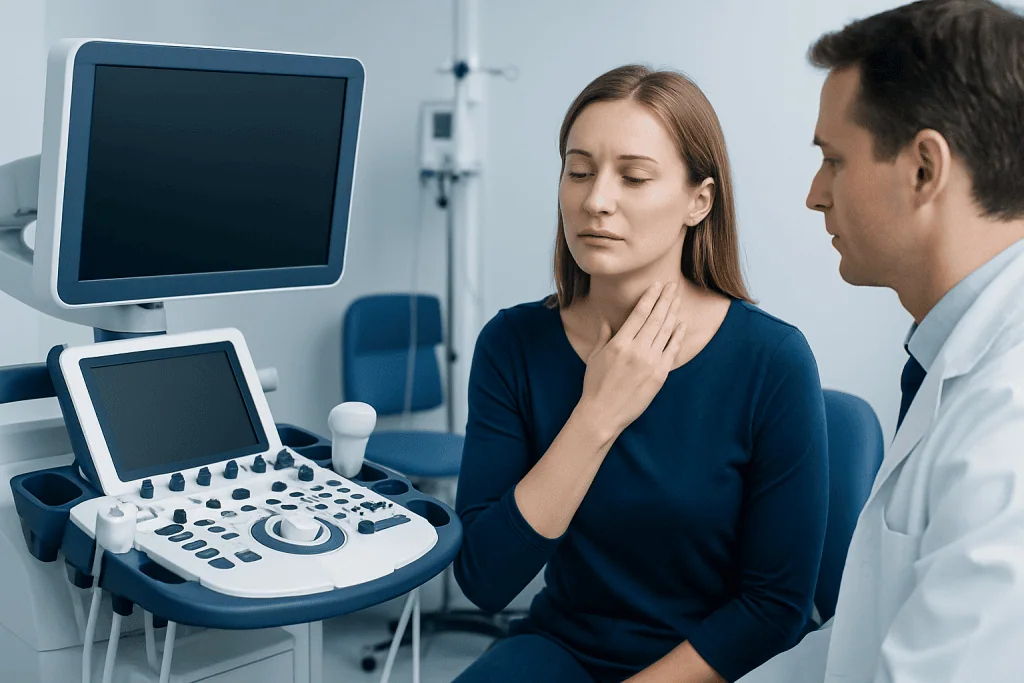
People with first bite syndrome typically describe a very specific pattern. The pain comes on with the first bite, first chew, or even the first thought or smell of food if salivation begins quickly. It is often severe for a few seconds to a minute, then fades as the meal continues.
The pain is usually located on one side of the face, near the parotid gland in front of or below the ear. Some people feel it spreading to the jaw angle, temple, cheek, or upper neck. It may feel stabbing, cramping, squeezing, or like an intense spasm.
Common features include:
- Pain triggered by the first bite of each meal
- Symptoms that improve after several bites
- One-sided pain near the ear or jaw
- Discomfort that may be worse with sour, acidic, or strongly flavored foods
- Recurrent episodes at breakfast, lunch, dinner, or snacks
Not everyone has the same experience. Some people have mild symptoms that gradually improve over time, while others have more persistent pain that affects appetite, meal enjoyment, and quality of life.
Causes and risk factors

The most common cause of first bite syndrome is surgery in areas close to the sympathetic nerves that supply the parotid gland. These operations may involve removal of tumors, treatment of salivary gland conditions, or procedures in the upper cervical or parapharyngeal region. When these nerve pathways are disrupted, the salivary gland may react abnormally when salivation begins.
Doctors believe the pain may result from loss of normal sympathetic nerve input to the parotid gland, leaving parasympathetic stimulation relatively unopposed. In simple terms, the gland may contract too strongly or in an unbalanced way when food triggers saliva production. This can produce the abrupt pain that is so characteristic of the condition.
Risk factors and related situations may include:
- Parotid or other salivary gland surgery
- Operations in the parapharyngeal space or upper neck
- Procedures involving nearby nerve structures
- Head and neck tumors before or after treatment
- Less commonly, non-surgical lesions affecting the same nerve pathways
Because first bite syndrome may sometimes be associated with salivary gland or head and neck disease, doctors may evaluate for related conditions such as parotid gland tumors when symptoms are new, unexplained, or not clearly linked to prior surgery.
How doctors diagnose it
Diagnosis usually starts with a detailed history. The symptom pattern matters greatly: pain that appears with the first bite of a meal, then eases as eating continues, is strongly suggestive. A doctor will ask when the problem started, whether there has been recent surgery, where the pain is felt, and which foods or situations trigger it.
A physical examination focuses on the head and neck. The doctor may check the salivary glands, inside of the mouth, jaw movement, the temporomandibular joint, dental health, and any tenderness or swelling. If there is a history of surgery, the clinician will also consider whether the location of the procedure fits with first bite syndrome.
There is no single laboratory test that confirms first bite syndrome. Imaging may be recommended when the diagnosis is uncertain, symptoms are new without a clear cause, or the doctor needs to exclude other problems. Depending on the clinical picture, this may include ultrasound, CT, or MRI of the head and neck. Evaluation may also involve ENT, head and neck surgery, pain medicine, or neurology specialists.
Conditions that can mimic first bite syndrome include temporomandibular disorders, dental infection, salivary stones, recurrent parotid inflammation, nerve pain, and other causes of facial pain. In selected cases, broader assessment of salivary gland diseases may be appropriate.
Treatment options
Treatment depends on the severity of symptoms, the likely cause, and how much the pain affects eating and daily life. Some people improve gradually over time, so a doctor may suggest monitoring mild cases while using symptom-relief strategies. For others, a more active treatment plan is needed.
Conservative measures may include avoiding foods that strongly trigger salivation, taking smaller initial bites, and trying a short pause before eating to prepare for symptoms. Pain-relief medicines may be considered, but the best choice varies from person to person based on health history and other medications. Some clinicians may also consider medicines used for neuropathic pain when symptoms are persistent.
Botulinum toxin injection into the parotid region has been used in selected patients to reduce painful gland contraction by decreasing salivary stimulation. This is typically considered when symptoms are significant and other measures have not been enough. If there is concern about an underlying structural cause, treatment may also focus on the original problem, including specialist care in ENT care or head and neck surgery.
In complex cases, management may involve a multidisciplinary team. Acibadem International’s multidisciplinary specialists in JCI-accredited hospitals diagnose and treat head and neck conditions for international patients, including cases that need coordinated imaging, ENT assessment, and pain-focused care. When symptoms relate to a salivary gland mass or postoperative changes, options such as parotid surgery may be part of the broader evaluation where appropriate.
Living with first bite syndrome
Even when first bite syndrome is not medically dangerous, it can make meals stressful. Some people start to avoid favorite foods or become anxious before eating. Understanding the condition often helps, because the pain pattern is brief and predictable even though it can feel intense.
Practical self-care steps may reduce discomfort:
- Start meals with small, gentle bites
- Identify and limit foods that strongly trigger symptoms, such as very sour items
- Eat slowly and in a relaxed setting
- Keep a symptom diary to track triggers and improvement over time
- Follow postoperative instructions closely if symptoms began after surgery
It is also helpful to maintain regular follow-up if symptoms are ongoing. A doctor can monitor recovery, review whether additional treatment is needed, and make sure no other condition is being missed. If eating becomes difficult, nutrition advice may help a person stay comfortable while maintaining a balanced diet.
When to seek medical care
Medical review is important for any new facial, ear, jaw, or upper neck pain that happens with eating, especially if it has no clear explanation. A clinician can determine whether the pattern fits first bite syndrome or whether another problem such as infection, a salivary stone, dental disease, or a jaw joint disorder may be responsible.
A person should seek prompt medical attention if the pain is severe, keeps getting worse, is associated with swelling, fever, difficulty opening the mouth, weight loss, a new lump, or weakness or numbness of the face. These features do not necessarily mean something serious is present, but they deserve timely assessment.
People who develop the typical first-bite pain after head and neck surgery should still inform their surgeon or treating doctor. Early recognition can help guide reassurance, follow-up, and symptom management, and it can also help rule out postoperative complications or recurrence of an underlying disease when relevant.
Frequently asked questions
What is first bite syndrome?
First bite syndrome is a condition that causes sudden pain near the jaw, ear, or parotid gland when a person takes the first bite of a meal. The pain usually becomes less intense after several bites and often returns at the start of the next meal.
Is first bite syndrome serious?
The condition itself is usually not dangerous, but it can be very uncomfortable and affect eating. Because similar pain can happen with other problems, a doctor should evaluate new symptoms to confirm the cause and rule out other conditions.
What causes first bite syndrome after surgery?
It is most often linked to changes in the nerve supply to the parotid gland after surgery in the upper neck or salivary gland region. When salivation starts with the first bite, the gland may contract in an imbalanced way and trigger pain.
Can first bite syndrome go away on its own?
Some people notice gradual improvement over time, especially if symptoms are mild. Others continue to have bothersome pain and may benefit from medical treatment or targeted procedures.
How is first bite syndrome treated?
Treatment may include avoiding strong food triggers, taking smaller first bites, and using pain-management strategies recommended by a doctor. In some cases, clinicians may consider medicines for nerve-related pain or botulinum toxin injection to reduce symptoms.
How is first bite syndrome different from TMJ or dental pain?
First bite syndrome has a very specific pattern: the pain is strongest with the first bite and then improves as eating continues. TMJ disorders, tooth pain, and salivary stones may cause pain with chewing too, but they usually do not follow this same repeated first-bite pattern.
References
- National Institute of Dental and Craniofacial Research
- American Academy of Otolaryngology–Head and Neck Surgery
- National Cancer Institute
- Merck Manual Professional Edition
- UpToDate
This article is for general information only and is not a substitute for professional medical advice. Please consult a qualified doctor about your individual situation.
Explore treatments in Turkey — costs, top hospitals & a free quote
JCI-accredited · board-certified surgeons · reply within 24h
Add us as a Preferred Source to see more of our trusted health content across Google Search, AI Overviews and Discover.