Flash Glucose Monitoring: Who Benefits and How to Use It Safely

Flash glucose monitoring uses a small sensor worn on the body to measure glucose in interstitial fluid. It is especially helpful for people who need frequent glucose checks or want to understand patterns over time.
Key Takeaways
- Flash glucose monitoring uses a small sensor worn on the body to measure glucose in interstitial fluid.
- It is especially helpful for people who need frequent glucose checks or want to understand patterns over time.
- Readings should be interpreted with trend information, symptoms, meals, exercise, and medication timing in mind.
- Some situations still require a finger-stick blood glucose check, especially if symptoms do not match the sensor reading.
- Safe use depends on correct sensor placement, regular scanning, and follow-up with a qualified diabetes care team.
Flash glucose monitoring is a sensor-based way to check glucose levels throughout the day without routine finger-prick testing for every reading. It can help many people with diabetes understand trends, respond earlier to highs and lows, and make day-to-day management more informed.
Overview
Flash glucose monitoring is a diabetes technology that measures glucose levels through a small sensor worn on the skin, usually on the upper arm. The sensor checks glucose in the fluid between the body’s cells, called interstitial fluid. To see the reading, the person scans the sensor with a reader device or compatible smartphone. This provides a current glucose value as well as recent trends.
Unlike a traditional finger-prick test, flash glucose monitoring does not require a blood sample for each routine reading. This can make glucose checking easier and more convenient in daily life. Many systems also display a trend arrow that shows whether glucose is rising, falling, or staying stable, which can help a person make safer day-to-day decisions.
Flash glucose monitoring is different from standard continuous glucose monitoring, although the two technologies are closely related. In flash systems, the user usually needs to scan the sensor to view data. Depending on the device, alerts for high or low glucose may be limited or may not be available. Understanding these differences helps people choose the system that best matches their health needs and lifestyle.
Who Benefits Most from Flash Glucose Monitoring
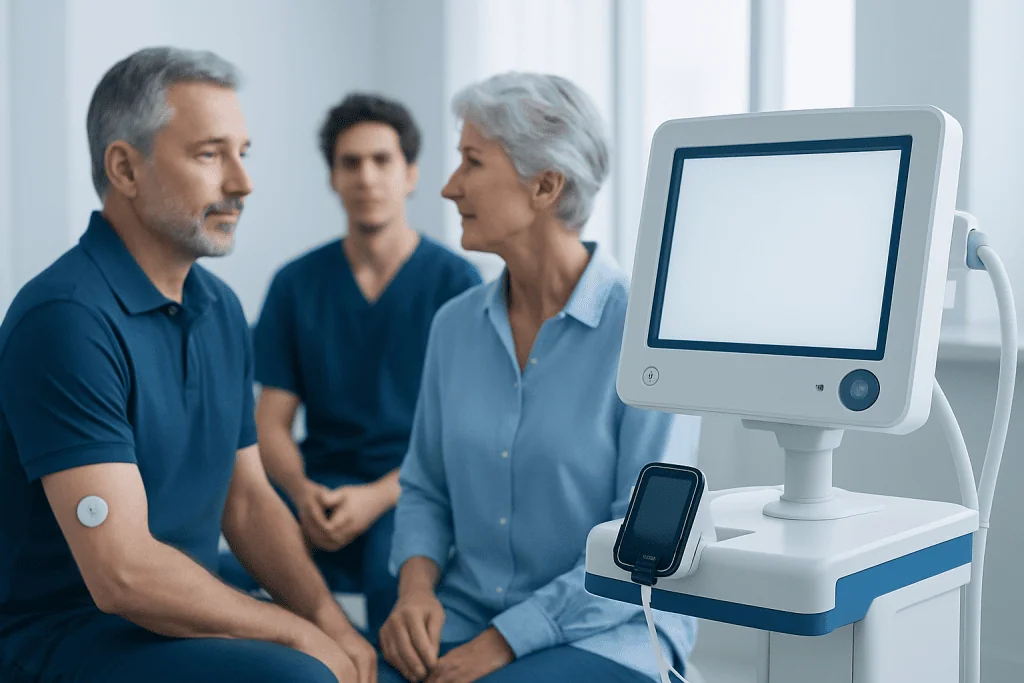
Flash glucose monitoring can benefit children, adults, and older adults living with diabetes, especially those who need to check glucose often. It may be useful for people with type 1 diabetes, people with insulin-treated type 2 diabetes, and some individuals with gestational diabetes or other forms of diabetes when their doctor recommends close monitoring. It can also help people who want a clearer picture of how food, physical activity, stress, sleep, and medications affect glucose levels.
Many people find that flash monitoring reduces the burden of frequent finger-prick testing and makes it easier to notice patterns that were previously missed. For example, a person may discover overnight low glucose, morning rises, or post-meal spikes that are not obvious from occasional spot checks. This information can support better conversations with the diabetes care team and lead to more individualized adjustments.
It may be especially helpful for people who have hypoglycemia episodes, fluctuating glucose levels, or difficulty meeting treatment goals. It can also support active individuals, people with busy schedules, and those learning to manage newly diagnosed diabetes. However, it is not automatically the best option for everyone, and the decision should be based on medical history, treatment plan, comfort with technology, and access to follow-up care.
How Flash Glucose Monitoring Works

The system includes a wearable sensor, an applicator for placing the sensor, and a device for scanning and reviewing data. The sensor contains a tiny filament inserted just under the skin. It measures glucose in interstitial fluid at regular intervals throughout the day and night. When scanned, the system typically shows the current glucose reading, a graph of recent values, and a trend arrow.
Because interstitial glucose does not change at exactly the same speed as blood glucose, there can be a short delay between sensor readings and finger-stick blood glucose values. This is most noticeable when glucose is changing quickly, such as after exercise, after a meal, or during treatment of low blood sugar. Knowing about this delay is an important part of using the device safely and avoiding overcorrection.
Most sensors are worn for a limited number of days before they need to be replaced. Users should follow the manufacturer’s instructions for insertion, scanning frequency, bathing or swimming precautions, and storage of supplies. A diabetes specialist may recommend flash monitoring as part of broader diabetes care, particularly when regular trend data could improve treatment decisions.
- Current glucose reading
- Trend arrows showing direction of change
- Time-in-range patterns over hours or days
- Information that can be shared with a healthcare team for review
Symptoms, Trends, and Why Readings Need Context
One of the biggest strengths of flash glucose monitoring is that it gives context, not just a single number. A glucose value of 100 may be reassuring if the trend is stable, but it may require closer attention if the trend arrow shows a rapid fall. In the same way, a mildly high reading may be less concerning if it is already moving downward after a walk or a medication dose.
People using flash monitoring are encouraged to look at patterns across the day rather than reacting to every isolated reading. Meals, illness, stress, menstrual cycle changes, dehydration, exercise, and medication timing can all influence glucose results. Reviewing data over several days often provides more useful guidance than focusing on one unusual value.
Symptoms should also be taken seriously. If a person feels shaky, sweaty, confused, unusually tired, dizzy, or unwell, and the sensor reading does not seem to match how they feel, a finger-stick blood glucose check may be needed if the doctor or device instructions advise it. Sensor data is very helpful, but it works best when combined with body awareness and a clear treatment plan.
How to Use Flash Glucose Monitoring Safely
Safe use starts with learning proper sensor placement and routine device care. The skin should usually be clean and dry before insertion, and the sensor should be placed only in recommended body areas. Users should avoid placing it where clothing rubs heavily or where pressure during sleep may affect readings. If the site becomes very painful, red, swollen, or irritated, medical advice is important.
Regular scanning matters because some systems store only a limited period of data before older information is overwritten. Scanning often enough helps preserve a more complete record and improves the usefulness of trend reports. It is also important to understand how meals, insulin, and exercise interact with trend arrows so that corrections are not repeated too quickly.
There are situations where a traditional blood glucose check may still be needed. These can include symptoms that do not match the sensor reading, suspected low glucose, rapid glucose change, or concerns that the sensor may have become loose or inaccurate. People treated with insulin or other glucose-lowering medicines should have a clear plan for responding to low and high readings, ideally created with their care team.
For some people, flash glucose monitoring becomes part of a wider diabetes treatment strategy that may include education, lifestyle planning, and medication review. If more advanced assessment or structured diabetes support is needed, a specialist may also discuss diabetes treatment options tailored to the individual.
Limitations, Risks, and Common Mistakes
Although flash glucose monitoring is very useful, it does have limits. Sensor readings are not identical to laboratory blood tests, and accuracy may vary in certain situations. Quick glucose swings, pressure on the sensor, skin problems, device placement errors, or using the sensor beyond its intended wear time can affect reliability. This is why education is just as important as the device itself.
A common mistake is reacting to a single reading without checking the trend or considering recent meals, activity, or insulin timing. Another is over-treating low or high readings too quickly, which can lead to further swings in glucose. Some people may also assume that wearing a sensor removes the need for all other diabetes skills, but healthy routines, medication adherence, and regular medical follow-up remain essential.
Skin irritation is another possible concern. Adhesives can sometimes cause itching or rash, especially in people with sensitive skin. If this happens, a doctor or diabetes nurse may suggest barrier methods, site rotation, or alternative devices. People with repeated unexplained readings, frequent hypoglycemia, or difficulty understanding their data may benefit from specialist review, and in selected cases clinicians may compare flash data with broader endocrinology and metabolic disorders treatment planning.
Working with a Doctor and When to Seek Medical Advice
Flash glucose monitoring works best when the information is reviewed together with a healthcare professional. A doctor, diabetes nurse, or dietitian can help interpret time-in-range, low-glucose patterns, meal responses, and day-to-day variation. This can lead to safer adjustments in eating habits, activity, and medication timing. People should not make major treatment changes on their own unless they have already been given a clear self-management plan.
Medical advice is important if low glucose episodes happen often, if readings are consistently very high or very low, or if the person feels unwell despite apparently normal sensor data. It is also wise to seek help for repeated sensor failures, skin reactions, or uncertainty about how to respond to trend arrows. During illness, pregnancy, or major changes in routine, closer professional guidance may be needed.
People who are newly diagnosed, starting insulin, or struggling with control may need more structured support. In some situations, broader assessment can help clarify whether another condition is affecting glucose balance, including metabolic disorders. Near the end of the care journey, some international patients may choose centers such as Acibadem International, where multidisciplinary specialists in JCI-accredited hospitals diagnose and treat diabetes-related conditions.
- Seek urgent medical care for severe hypoglycemia, loss of consciousness, confusion, or signs of diabetic ketoacidosis.
- Contact a doctor promptly for frequent unexplained lows or persistent high readings.
- Ask for training if the device feels confusing or the data is hard to interpret.
Frequently asked questions
Is flash glucose monitoring the same as continuous glucose monitoring?
They are related but not identical. Flash glucose monitoring usually requires the user to scan the sensor to see the glucose reading and trend data, while some continuous glucose monitoring systems send readings automatically and may offer alerts. The right choice depends on the person’s medical needs, preferences, and treatment plan.
Does flash glucose monitoring completely replace finger-prick testing?
Not always. Many routine checks can be done with the sensor, but a finger-stick test may still be needed if symptoms do not match the reading, glucose is changing quickly, or the device instructions recommend confirmation. A doctor can explain when backup blood testing is appropriate.
Who should consider using flash glucose monitoring?
It may help people with type 1 diabetes, insulin-treated type 2 diabetes, and others who need close glucose tracking. It can also be useful for those with frequent lows, variable readings, or a desire to understand patterns more clearly. A healthcare professional can advise whether it fits an individual’s situation.
Are flash glucose readings always accurate?
No glucose monitoring method is perfect in every situation. Flash sensors are generally reliable, but readings can be affected by rapid glucose changes, sensor placement issues, pressure on the sensor, or skin-related problems. If a reading seems wrong or does not match symptoms, medical guidance and confirmatory testing may be needed.
What are the main benefits of flash glucose monitoring?
The main benefits are convenience, trend awareness, and a better understanding of daily glucose patterns. It may help reduce guesswork around meals, exercise, and medication timing. Many people also appreciate checking glucose more discreetly and more often.
Can flash glucose monitoring help prevent low blood sugar?
It can help by showing downward trends before symptoms become severe, allowing earlier action in some cases. However, it does not prevent hypoglycemia by itself, and safe use still depends on education, treatment planning, and recognizing symptoms. People at risk of severe lows should discuss the best monitoring approach with their doctor.
References
- World Health Organization
- American Diabetes Association
- International Diabetes Federation
- National Institute for Health and Care Excellence
- Centers for Disease Control and Prevention
This article is for general information only and is not a substitute for professional medical advice. Please consult a qualified doctor about your individual situation.
Explore treatments in Turkey — costs, top hospitals & a free quote
JCI-accredited · board-certified surgeons · reply within 24h
Add us as a Preferred Source to see more of our trusted health content across Google Search, AI Overviews and Discover.