Follicular Lymphoma: Symptoms, Causes, and Treatment Options

Follicular lymphoma is a common indolent, or slow-growing, form of non-Hodgkin lymphoma. Some people have no symptoms at diagnosis, while others notice painless swollen lymph nodes, fatigue, fever, night sweats, or weight loss.
Key Takeaways
- Follicular lymphoma is a common indolent, or slow-growing, form of non-Hodgkin lymphoma.
- Some people have no symptoms at diagnosis, while others notice painless swollen lymph nodes, fatigue, fever, night sweats, or weight loss.
- Diagnosis usually involves imaging, blood tests, and a lymph node biopsy to confirm the type of lymphoma.
- Treatment may include careful monitoring, immunotherapy, chemotherapy, targeted therapy, or radiotherapy depending on symptoms and stage.
- Regular follow-up is important because follicular lymphoma can relapse or change over time.
Follicular lymphoma is a usually slow-growing type of non-Hodgkin lymphoma that starts in B lymphocytes, a kind of white blood cell. It may cause enlarged lymph nodes, tiredness, or no symptoms at all, and treatment depends on how active the disease is, where it is located, and how it affects daily life.
What follicular lymphoma is
Follicular lymphoma is a type of cancer of the lymphatic system. It develops from B cells, which are white blood cells that normally help the body fight infection. Under the microscope, the cancer cells tend to grow in clusters that resemble normal lymph node follicles, which is how the condition gets its name.
In most cases, follicular lymphoma grows slowly. Because of this, some people are diagnosed after a routine examination or imaging test rather than because they feel unwell. Others may live with the condition for years with periods of stability and treatment only when it becomes necessary.
Follicular lymphoma belongs to the broader group of non-Hodgkin lymphoma. It is considered an indolent lymphoma, meaning it often progresses more gradually than aggressive lymphomas. Even so, it still needs specialist assessment, because the timing and type of treatment can vary from person to person.
How it may affect the body
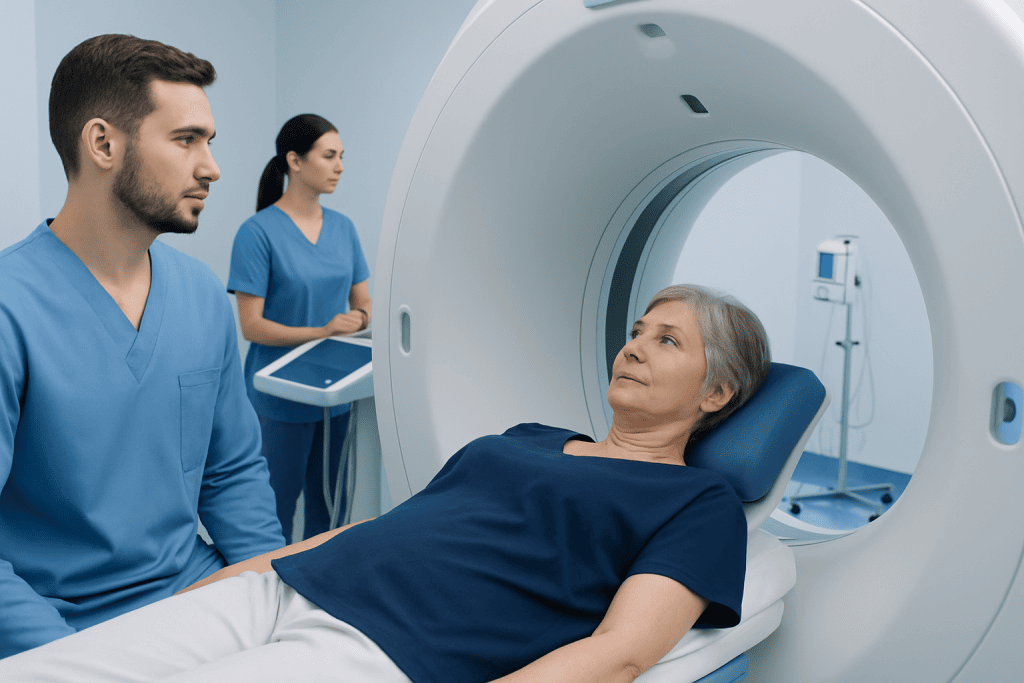
The lymphatic system includes lymph nodes, the spleen, bone marrow, and lymph vessels throughout the body. Follicular lymphoma often begins in lymph nodes but can also involve the bone marrow, spleen, or other organs. For this reason, the effects are not always limited to one area.
A key feature of follicular lymphoma is that it may follow a relapsing and remitting course. This means the disease can respond well to treatment, remain quiet for a time, and later become active again. Although this pattern can be emotionally challenging, many people can be managed effectively with long-term follow-up and carefully chosen therapies.
Doctors usually assess both the stage of the lymphoma and whether it is causing symptoms or affecting organ function. These details help guide whether a person may benefit most from observation, chemotherapy, radiotherapy, immunotherapy, or another approach.
Symptoms and warning signs
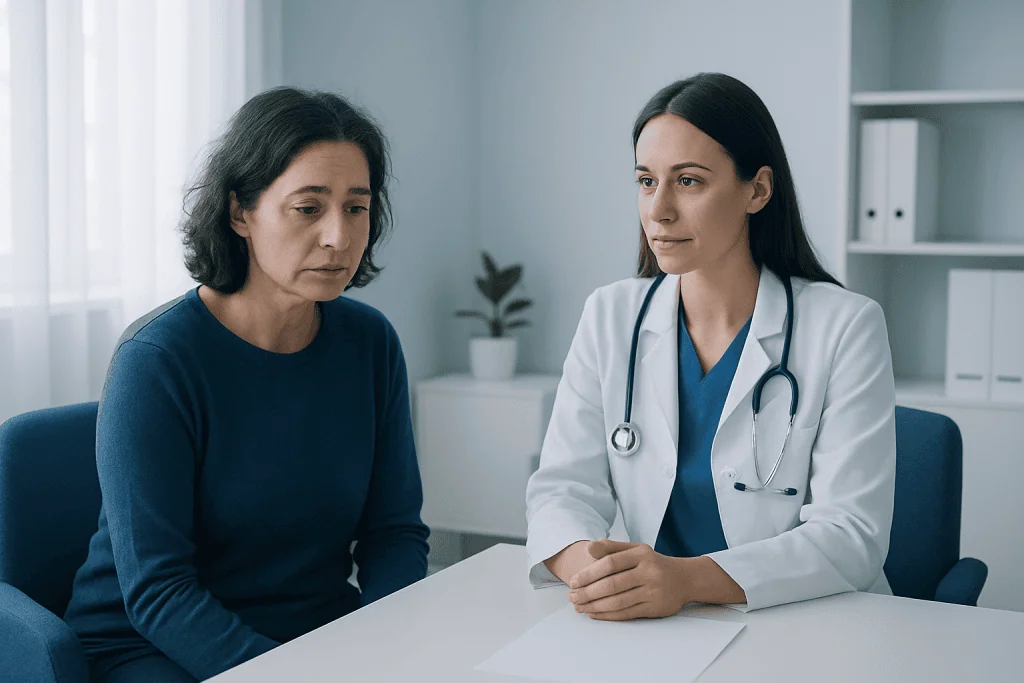
Many people with follicular lymphoma have no symptoms at first. When symptoms do occur, the most common sign is one or more enlarged lymph nodes, often in the neck, armpit, or groin. These swollen nodes are typically painless and may come and go or slowly increase in size over time.
Other symptoms can happen if the lymphoma affects the body more widely. These may include ongoing tiredness, unexplained fever, drenching night sweats, and unintentional weight loss. Doctors sometimes call these “B symptoms,” and they can help show how active the disease is.
Depending on where the lymphoma is located, some people may also notice a feeling of fullness in the abdomen, discomfort from an enlarged spleen, frequent infections, or shortness of breath. Symptoms can be subtle and are not unique to follicular lymphoma, which is why a medical evaluation is important if they persist.
- Painless swollen lymph nodes
- Fatigue or low energy
- Fever without a clear cause
- Night sweats
- Unexplained weight loss
- Abdominal fullness or discomfort
Causes and risk factors
The exact cause of follicular lymphoma is not fully understood. It begins when certain B cells develop genetic changes that allow them to grow and survive longer than they should. One commonly recognized change involves genes that affect how cells regulate natural cell death, but this does not mean the condition is inherited in a simple way.
In most people, there is no single clear reason why follicular lymphoma develops. It is usually not caused by anything a person did or did not do. Having a risk factor also does not mean someone will definitely develop the disease.
Factors linked with a higher chance of lymphoma in general may include older age, certain immune system disorders, some infections, and previous exposure to treatments or chemicals in specific settings. However, many people diagnosed with follicular lymphoma have no obvious risk factors at all.
How diagnosis is confirmed
Diagnosis starts with a medical history and physical examination, especially checking for enlarged lymph nodes and signs of spleen enlargement. Blood tests may be used to look at blood cell counts, organ function, and markers that help doctors understand overall health, but blood tests alone cannot confirm follicular lymphoma.
The most important test is usually a biopsy. In many cases, a doctor removes part or all of a lymph node so a pathologist can examine the tissue under a microscope and perform specialized laboratory tests. This is the best way to confirm that the lymphoma is follicular lymphoma and not another condition.
After diagnosis, imaging such as CT or PET/CT may be used to see where the lymphoma is present in the body. Some people also need a bone marrow biopsy. This process, called staging, helps determine how widespread the disease is and supports planning for cancer treatment that matches the person’s needs.
Treatment options and follow-up care
Treatment for follicular lymphoma is individualized. Not everyone needs treatment right away. If the lymphoma is slow-growing, not causing symptoms, and not threatening organ function, a doctor may recommend active surveillance, sometimes called watchful waiting. This involves regular visits, blood tests, and scans when needed.
When treatment is needed, options may include monoclonal antibody therapy, combinations of immunotherapy and chemotherapy, targeted medicines, and localized radiotherapy for limited disease. The choice depends on factors such as stage, symptoms, overall health, prior treatments, and whether the lymphoma has returned after earlier therapy. In selected situations, bone marrow transplantation may be considered.
Follicular lymphoma often responds well to treatment, but follow-up remains important because relapse can happen. Doctors also monitor for side effects, infections, and the rare possibility that the lymphoma may transform into a faster-growing form. Near the end of the care journey, some international patients choose evaluation at centers such as Acibadem International, where multidisciplinary specialists in JCI-accredited hospitals diagnose and treat lymphoma with coordinated care plans.
Living with follicular lymphoma
Living with a long-term blood cancer can affect both physical and emotional well-being. Some people feel anxious during periods of monitoring, especially if they are not receiving active treatment. It can help to understand that observation is a recognized medical strategy and not the same as doing nothing.
Practical self-care may support quality of life during surveillance or treatment. This includes attending follow-up appointments, reporting new symptoms, eating a balanced diet, staying physically active as tolerated, and asking a doctor before taking supplements or over-the-counter remedies. Infection prevention, including recommended vaccines and hand hygiene, may also be important, especially for people receiving treatment that affects immunity.
Emotional support matters as well. Family conversations, counseling, patient support groups, and clear communication with the oncology team can all help people feel more informed and in control. If fatigue, poor sleep, or mood changes begin to interfere with daily life, it is reasonable to bring these concerns to the care team.
When to seek medical care
A person should seek medical advice if they notice swollen lymph nodes that do not go away after a few weeks, especially if the swelling is painless or continues to grow. Medical review is also important for unexplained fever, drenching night sweats, ongoing fatigue, recurrent infections, or unintentional weight loss.
Anyone already diagnosed with follicular lymphoma should contact their doctor if symptoms suddenly worsen, new lumps appear, pain develops, or there are signs of infection such as fever or chills during treatment. Urgent assessment is also needed for shortness of breath, severe weakness, unusual bleeding, or rapid enlargement of lymph nodes.
Early evaluation does not always mean cancer is present, but it helps clarify the cause and allows treatment to begin promptly if needed. A hematologist or oncologist can explain the next steps and tailor care to the individual situation.
Frequently asked questions
Is follicular lymphoma curable?
Follicular lymphoma is often treatable for many years, but it is commonly considered a long-term condition rather than one that is always permanently cured. Some people have long periods of remission after treatment. The outlook varies depending on stage, symptoms, response to treatment, and overall health.
How serious is follicular lymphoma?
Follicular lymphoma is a cancer and should be taken seriously, but it usually grows more slowly than many other lymphomas. Some people need treatment soon after diagnosis, while others can be safely monitored for a time. A specialist can explain how active the disease is in an individual case.
Can follicular lymphoma spread?
Yes. Follicular lymphoma can involve multiple lymph node areas and may also affect the bone marrow, spleen, or other organs. This is why staging tests are important at diagnosis, even when symptoms seem mild.
What is the first treatment for follicular lymphoma?
There is no single first treatment for everyone. Some people start with active surveillance, while others may need immunotherapy, chemoimmunotherapy, targeted therapy, or radiotherapy. The best approach depends on symptoms, stage, tumor burden, and overall health.
Does follicular lymphoma always cause symptoms?
No. Many people have no symptoms when the condition is first found. In those cases, follicular lymphoma may be discovered during a routine exam or imaging performed for another reason.
Can follicular lymphoma turn into a more aggressive cancer?
In some cases, follicular lymphoma can transform into a faster-growing lymphoma. This is one reason regular follow-up is important. A sudden change in symptoms, rapidly enlarging lymph nodes, or a marked decline in well-being should be assessed by a doctor.
References
- World Health Organization
- National Cancer Institute
- American Cancer Society
- Leukemia & Lymphoma Society
- NCCN
This article is for general information only and is not a substitute for professional medical advice. Please consult a qualified doctor about your individual situation.
Lymphoma in Turkey — costs, top hospitals & a free quote
JCI-accredited · board-certified surgeons · reply within 24h
Add us as a Preferred Source to see more of our trusted health content across Google Search, AI Overviews and Discover.

Medical Oncology Department
Medical treatment of cancer with chemotherapy, immunotherapy and targeted therapies under a multidisciplinary tumor board.
60 specialists in this unit