Food Allergy in Children: Hives, Anaphylaxis, Testing, and Emergency Plans

Food allergy is an immune reaction to a specific food, most often occurring soon after eating the trigger food. Hives, swelling, vomiting, coughing, wheezing, throat tightness, or dizziness after food exposure may suggest an allergic reaction.
Key Takeaways
- Food allergy is an immune reaction to a specific food, most often occurring soon after eating the trigger food.
- Hives, swelling, vomiting, coughing, wheezing, throat tightness, or dizziness after food exposure may suggest an allergic reaction.
- Anaphylaxis is a medical emergency; epinephrine is the first-line treatment when it is suspected.
- Testing should be guided by a qualified doctor because positive skin or blood tests do not always mean a child is truly allergic.
- A written food allergy emergency plan should be shared with caregivers, schools, relatives, and activity leaders.
Food allergy in children can range from mild hives to serious anaphylaxis, so families benefit from knowing the signs, triggers, testing options, and emergency steps. With a clear diagnosis and a written action plan, most children can eat, learn, travel, and play more safely.
Overview
Food allergy in children occurs when the immune system mistakenly identifies a food protein as harmful and reacts against it. The reaction can involve the skin, stomach and intestines, breathing system, or circulation. Some reactions are mild and limited to hives or itching, while others can progress quickly and require urgent treatment.
The foods most often linked with childhood allergy include milk, egg, peanut, tree nuts, sesame, fish, shellfish, wheat, and soy. However, almost any food can cause an allergic reaction in a sensitive child. A food allergy is different from food intolerance, such as lactose intolerance, which does not involve the immune system and usually causes digestive symptoms rather than hives or anaphylaxis.
Many children with food allergy live active, healthy lives when the condition is recognized and managed carefully. The main goals are to identify the correct trigger, avoid unnecessary food restrictions, prevent accidental exposure, and ensure that parents and caregivers know exactly what to do if a reaction occurs.
Symptoms: From Hives to Anaphylaxis
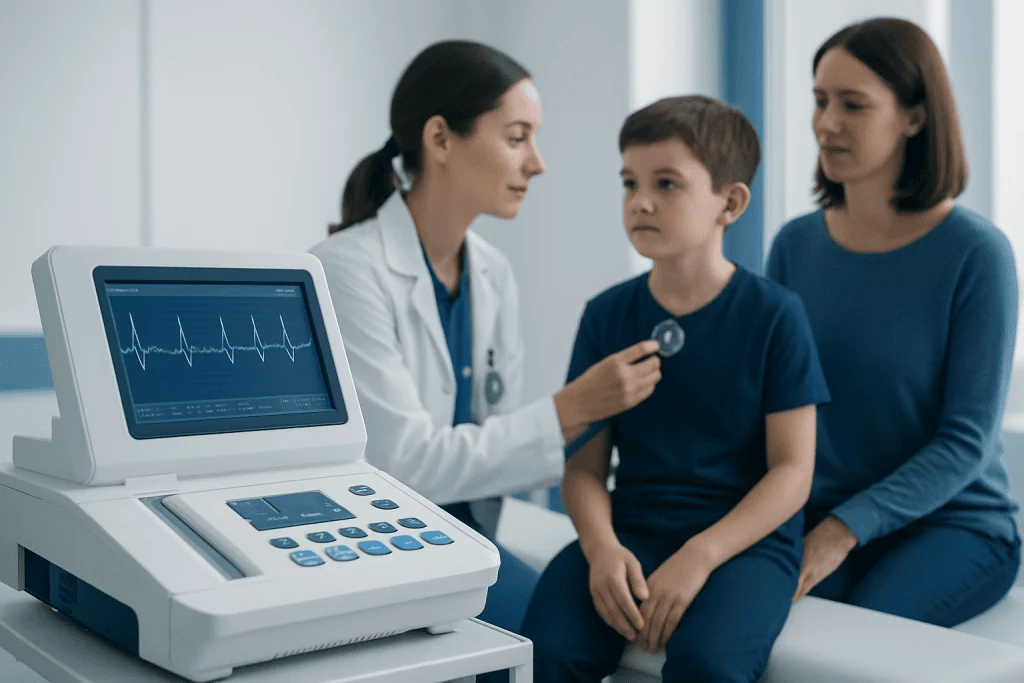
Food allergy symptoms usually appear within minutes to two hours after eating the trigger food, although timing can vary. Skin symptoms are common and may include hives, redness, itching, or swelling of the lips, eyelids, face, or hands. Some children develop stomach pain, nausea, vomiting, or diarrhea.
Breathing symptoms can include coughing, wheezing, hoarseness, throat tightness, trouble swallowing, or a feeling that the tongue or throat is swelling. Circulation symptoms may include pale skin, dizziness, fainting, confusion, or unusual sleepiness. In young children, signs may be harder to describe, so caregivers may notice sudden clinginess, crying, drooling, repetitive coughing, or a change in behavior after eating.
Anaphylaxis is a severe allergic reaction that can involve more than one body system or cause breathing or circulation problems. It can happen even if previous reactions were mild. Because anaphylaxis can progress quickly, families should follow the child’s emergency plan and use epinephrine promptly when anaphylaxis is suspected.
- Mild symptoms may include a few hives, mild itching, or localized swelling.
- More serious symptoms include breathing difficulty, throat symptoms, repeated vomiting, widespread hives, faintness, or collapse.
- Any reaction after a known allergen exposure should be taken seriously and monitored closely.
Causes and Risk Factors
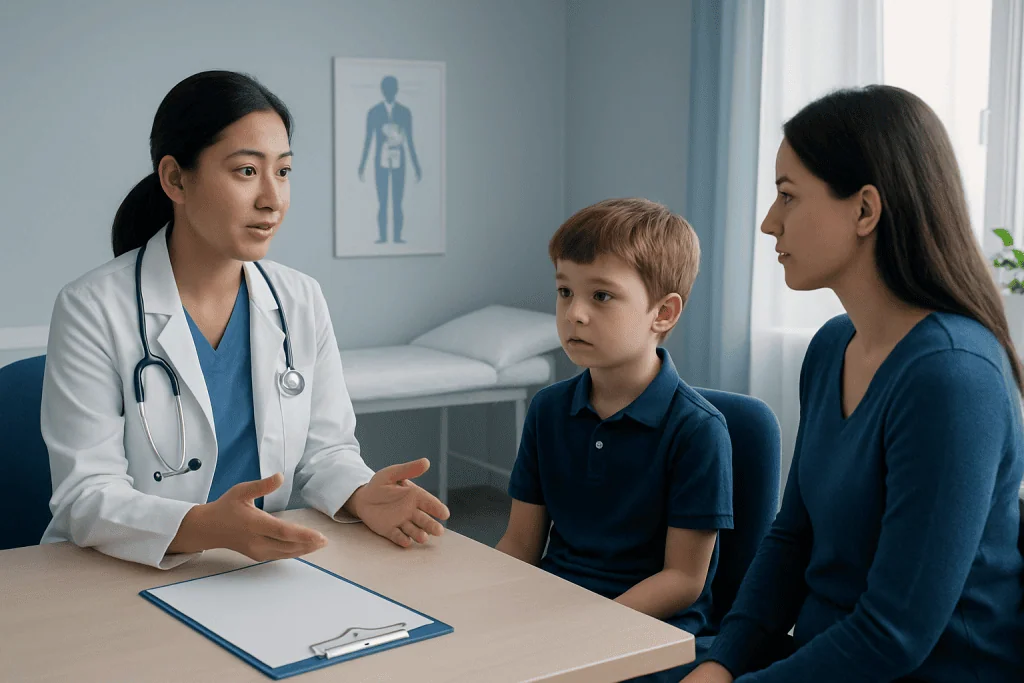
Food allergy develops when the immune system produces allergy-related antibodies or activates immune pathways against specific food proteins. Once sensitization has occurred, later exposure to that food may trigger symptoms. The amount of food needed to cause a reaction varies widely between children, and sensitivity may change over time.
A child may have a higher chance of food allergy if they have eczema, asthma, allergic rhinitis, or a close family history of allergic disease. Infants with moderate to severe eczema are at increased risk and may need individualized feeding advice from a pediatrician or allergy specialist. Having asthma does not cause food allergy, but poorly controlled asthma can make allergic reactions more concerning.
Risk factors do not mean that a child will definitely develop a food allergy. Current medical guidance generally supports introducing age-appropriate complementary foods during infancy when the baby is developmentally ready, rather than delaying common allergens for most children. Families should ask their doctor for advice if a baby has severe eczema, a previous reaction, or an existing food allergy.
Diagnosis and Food Allergy Testing
Diagnosis begins with a careful medical history. The doctor will ask what food was eaten, how much was consumed, how quickly symptoms appeared, what symptoms occurred, how long they lasted, and whether treatment was needed. Photos of hives or swelling, food labels, and a symptom diary can be helpful during the appointment.
Skin prick testing and blood tests for specific IgE antibodies can support the diagnosis, but they do not diagnose food allergy by themselves. A positive test can show sensitization, meaning the immune system recognizes the food, but the child may still tolerate it. A negative test can be reassuring in many cases, but interpretation depends on the child’s history and the type of reaction.
In selected cases, an oral food challenge may be recommended. This is a supervised test in which the child eats gradually increasing amounts of a suspected food in a medical setting prepared to treat a reaction. Food challenges can help confirm an allergy, show that a child has outgrown one, or prevent unnecessary long-term avoidance.
Unvalidated tests, broad food panels without a clear history, or tests marketed for food sensitivity can lead to confusion and overly restrictive diets. Children need balanced nutrition for growth, so elimination diets should be guided by a qualified clinician and, when needed, a pediatric dietitian.
Treatment Options and Daily Management
The main treatment for confirmed food allergy is strict avoidance of the trigger food while maintaining a varied and nutritious diet. Families should learn to read ingredient labels, recognize alternative names for allergens, and ask about preparation methods when eating outside the home. Cross-contact can occur when allergen-free food touches utensils, surfaces, oils, or equipment that have contacted the allergen.
Doctors may prescribe medications based on the child’s risk and history. Antihistamines can help relieve mild skin symptoms such as itching or limited hives, but they do not treat breathing problems, throat swelling, or low blood pressure. Epinephrine is the first-line medicine for anaphylaxis and should be used according to the child’s emergency plan.
Some children may be candidates for specialist-led therapies, such as oral immunotherapy for selected allergens. These approaches aim to raise the threshold for reaction but are not suitable for every child and do not mean the food can be freely eaten without guidance. Decisions should be individualized, balancing benefits, risks, family preferences, and the child’s medical history.
Regular follow-up matters because children may outgrow some food allergies, especially milk, egg, wheat, or soy, while allergies to peanut, tree nuts, fish, or shellfish may be more persistent. Follow-up appointments allow the care team to reassess risk, update prescriptions, review school plans, and decide whether repeat testing or a food challenge is appropriate.
Emergency Plans for Home, School, and Travel
Every child at risk of a serious food allergy reaction should have a written emergency action plan. The plan should list the child’s allergens, typical symptoms, when to give epinephrine, emergency phone numbers, and what to do after medication is given. Copies should be provided to parents, grandparents, babysitters, teachers, school nurses, sports coaches, and camp staff.
Epinephrine auto-injectors should be accessible, not locked away, and caregivers should know how to use the specific device prescribed. Many clinicians recommend that children at risk carry two auto-injectors, because a second dose may be needed if symptoms continue or return before emergency care arrives. After epinephrine is used, emergency medical services should be contacted according to the action plan.
Schools and childcare settings should have practical routines for meals, snacks, handwashing, field trips, and birthday celebrations. The goal is not to isolate the child, but to reduce risk while allowing normal participation. Older children and teenagers also need age-appropriate education, including label reading, not sharing food, recognizing symptoms, and telling an adult immediately if they feel unwell.
- Keep emergency medicines within their expiration dates.
- Practice with a trainer device if one is available.
- Review the action plan at the start of each school year and before travel.
- Carry safe snacks when food choices may be uncertain.
Prevention, Nutrition, and Self-care
Food allergy management should protect both safety and quality of life. Children may feel anxious, embarrassed, or left out when they need different food rules. Clear routines, supportive communication, and inclusive planning can help children feel confident rather than fearful.
Nutrition is especially important when a major food group is avoided. For example, children avoiding milk may need alternative sources of calcium, vitamin D, protein, and calories. A pediatric dietitian can help families plan safe substitutions, support picky eaters, and monitor growth without unnecessary restrictions.
For infants, parents should discuss feeding with a pediatrician, especially if the baby has severe eczema or an existing food allergy. For most babies, introducing a variety of age-appropriate foods when developmentally ready is encouraged. Foods should be prepared safely to reduce choking risk, and any previous reaction should be discussed before reintroducing the suspected food.
Families who travel internationally should plan ahead by carrying prescribed medicines, translated allergy cards when needed, safe foods for delays, and copies of the emergency plan. Acibadem International’s multidisciplinary specialists and JCI-accredited hospitals diagnose and treat food allergy and related pediatric conditions for international patients, including support for evaluation and care planning.
When to See a Doctor
A child should be evaluated by a qualified doctor if they develop hives, swelling, vomiting, coughing, wheezing, or other symptoms soon after eating. Medical assessment is also important if a child has eczema and suspected food reactions, if parents are avoiding multiple foods, or if there is uncertainty about whether symptoms are allergic.
Emergency care is needed if a child has trouble breathing, throat tightness, repeated vomiting, widespread hives with other symptoms, dizziness, fainting, or sudden severe weakness after eating. If an epinephrine auto-injector has been prescribed and anaphylaxis is suspected, it should be used promptly as directed, followed by emergency medical evaluation.
Parents should not attempt home food challenges for a food that has caused a significant reaction unless a doctor specifically advises it. Follow-up with a pediatric allergist can clarify diagnosis, reduce unnecessary avoidance, and ensure that the emergency plan remains current as the child grows.
Frequently asked questions
What is the difference between food allergy and food intolerance?
Food allergy involves the immune system and can cause symptoms such as hives, swelling, vomiting, wheezing, or anaphylaxis. Food intolerance does not usually involve the immune system and more often causes digestive discomfort, such as gas, bloating, or diarrhea. A doctor can help distinguish between them based on the child’s history and, when appropriate, testing.
Can a child have anaphylaxis the first time a food is eaten?
It can appear that way, especially if the child was previously exposed to small amounts of the food without anyone noticing. Anaphylaxis is unpredictable, and the severity of a past reaction does not always predict the next one. Families should follow the emergency plan and seek medical care if serious symptoms occur.
Do hives always mean a food allergy?
No. Hives in children can also be caused by viral infections, medicines, temperature changes, or other triggers. When hives occur soon after eating a specific food, especially more than once, food allergy should be considered. A clinician can review the pattern and decide whether allergy testing is useful.
Is epinephrine safe for children?
Epinephrine is the recommended first-line treatment for anaphylaxis and is designed for emergency use when prescribed to a child. Delaying epinephrine during anaphylaxis can be more risky than giving it when it is needed. Parents and caregivers should learn how and when to use the prescribed auto-injector.
Can children outgrow food allergies?
Some children outgrow certain food allergies, particularly milk, egg, wheat, or soy, but this varies by child and allergen. Allergies to peanut, tree nuts, fish, and shellfish may be more persistent. Follow-up with an allergy specialist can help determine whether repeat testing or a supervised food challenge is appropriate.
Should families avoid all common allergens if one allergy is diagnosed?
Not usually. Avoiding foods unnecessarily can make a child’s diet more limited and may affect nutrition and quality of life. The child should avoid confirmed allergens and follow medical advice about related foods, cross-contact, and safe substitutions.
What should be included in a school food allergy plan?
A school plan should list the child’s allergens, symptoms to watch for, emergency medicines, when to give epinephrine, and who will call emergency services and parents. It should also address meals, snacks, field trips, sports, and where medicines are stored. The plan should be reviewed regularly with school staff and updated after medical visits.
References
- American Academy of Allergy, Asthma & Immunology
- American Academy of Pediatrics
- European Academy of Allergy and Clinical Immunology
- World Allergy Organization
- National Institute of Allergy and Infectious Diseases
This article is for general information only and is not a substitute for professional medical advice. Please consult a qualified doctor about your individual situation.
Hives in Turkey — costs, top hospitals & a free quote
JCI-accredited · board-certified surgeons · reply within 24h
Add us as a Preferred Source to see more of our trusted health content across Google Search, AI Overviews and Discover.

Pediatrics
Complete healthcare for infants, children and adolescents across all sub-specialties.
232 specialists in this unit