Food Safety Factors That Can Affect Neurological Health
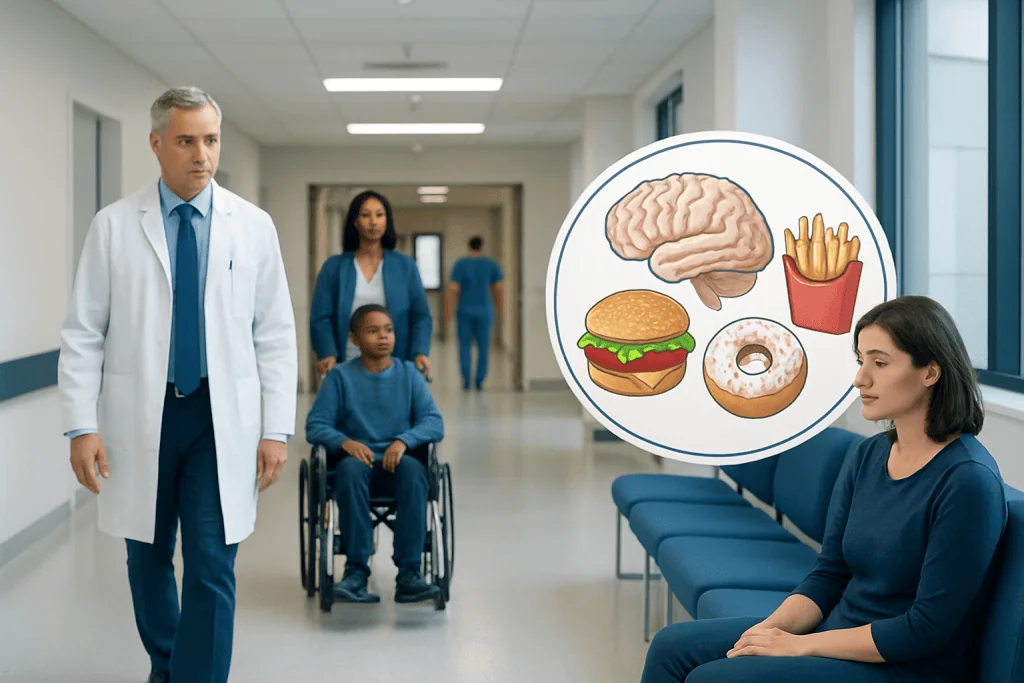
Most commonly eaten foods do not damage the nervous system when they are fresh, properly prepared, and consumed in reasonable amounts. Certain seafood, wild mushrooms, improperly preserved foods, and foods contaminated with heavy metals or toxins can cause neurological symptoms.
Key Takeaways
- Most commonly eaten foods do not damage the nervous system when they are fresh, properly prepared, and consumed in reasonable amounts.
- Certain seafood, wild mushrooms, improperly preserved foods, and foods contaminated with heavy metals or toxins can cause neurological symptoms.
- Symptoms such as weakness, confusion, vision changes, difficulty speaking, loss of coordination, or trouble breathing need urgent medical assessment.
- Children, pregnant people, older adults, and people with liver, kidney, immune, or neurological conditions may be more vulnerable to food-related harm.
- Safe storage, thorough cooking, careful food sourcing, and avoiding unknown wild foods reduce preventable risks.
Foods causing neurological risks are not usually ordinary foods eaten as part of a varied diet. Neurological harm is more often linked to food contamination, naturally occurring toxins, unsafe preparation, excessive alcohol or caffeine intake, nutrient deficiencies, or interactions between foods and medicines.
Overview: What Foods Can Cause Neurological Risks?
The phrase “foods causing neurological risks” can be misleading. There is no broad group of everyday foods that routinely causes brain or nerve damage in healthy people. Instead, neurological symptoms related to food generally arise in specific circumstances: a food contains a natural toxin, has become contaminated, is improperly stored or preserved, is consumed in very large amounts, or interacts with an underlying medical condition or medication.
The nervous system includes the brain, spinal cord, and nerves throughout the body. Food-related problems may therefore range from temporary headache, tremor, tingling, or dizziness to more serious symptoms such as muscle weakness, poor coordination, confusion, seizures, or paralysis. Serious effects are uncommon, but they require prompt medical attention because some foodborne toxins can affect breathing and muscle function.
Evidence does not support the idea that typical intake of whole food groups, such as vegetables, grains, dairy foods, or properly prepared fish, generally causes neurological disease. In fact, varied diets that provide adequate protein, essential fats, vitamins, and minerals support normal nervous system function. The important question is usually not whether a food is “good” or “bad,” but how it was sourced, stored, prepared, and consumed.
Foods and Exposures With Established Neurological Concerns
Some food-related neurological risks are well established. Improperly canned, fermented, or preserved foods may rarely contain botulinum toxin, produced by the bacterium Clostridium botulinum. This toxin can interfere with nerve signaling and cause blurred or double vision, drooping eyelids, dry mouth, difficulty swallowing, progressive weakness, and breathing problems. Home-canned low-acid foods, garlic or herbs stored in oil incorrectly, and visibly spoiled canned products deserve particular caution.
Certain fish and shellfish can contain marine toxins. For example, some toxins can cause tingling around the mouth, numbness, weakness, balance problems, or gastrointestinal symptoms. Risks vary by region, season, and seafood source. Fish may also contain methylmercury, a heavy metal that can affect the developing nervous system. Larger predatory fish tend to accumulate more mercury, so pregnant or breastfeeding people and young children should follow local public health guidance on fish choices.
Wild mushrooms are another important concern. Some poisonous mushrooms can cause severe illness, including confusion, seizures, or organ damage. Visual identification is unreliable for people without specialist expertise, and cooking does not reliably remove all toxins. Wild plants, unregulated herbal preparations, and products collected from contaminated environments can carry similar uncertainty.
Food may also be contaminated by heavy metals, pesticides, industrial chemicals, or harmful microbes. Long-term exposure is more relevant than a single meal for many contaminants. Choosing reputable suppliers, following official food recalls, and eating a varied diet rather than relying heavily on one potentially contaminated food can reduce exposure.
Consumption Context: Amount, Preparation, and Individual Risk

Risk depends strongly on dose and context. Alcohol is a clear example: heavy or prolonged use can impair judgment and coordination in the short term and may contribute to nutritional deficiencies and nerve damage over time. Alcohol withdrawal can also be medically dangerous in people who drink heavily and should not be managed without professional guidance.
Caffeine is generally safe for many adults in moderate amounts, but high intake from energy drinks, concentrated powders, or multiple caffeinated products may cause anxiety, insomnia, tremor, palpitations, and headaches. In susceptible people, it can worsen migraine, panic symptoms, or sleep deprivation, all of which may affect concentration and well-being. Concentrated caffeine products are especially difficult to measure safely.
Nutritional imbalance can also affect neurological health. Very restrictive diets, prolonged poor intake, malabsorption disorders, and heavy alcohol use may lead to deficiencies in nutrients such as vitamin B12, thiamine, folate, copper, or vitamin E. These deficiencies can contribute to numbness, weakness, memory changes, or balance difficulties. Conversely, unnecessary high-dose supplements can be harmful; for example, excessive vitamin B6 over time may cause neuropathy.
Infants, children, pregnant people, older adults, and people with kidney, liver, metabolic, or immune disorders may have different safety considerations. Anyone following a highly restrictive eating pattern, using supplements regularly, or managing a chronic neurological condition should discuss diet changes with a qualified clinician or registered dietitian.
Symptoms and Possible Side Effects
Food-related neurological symptoms vary according to the exposure. Mild symptoms can include headache, dizziness, fatigue, shakiness, tingling, altered taste, or trouble concentrating. These symptoms are common and have many possible causes, including dehydration, infection, stress, sleep loss, medication effects, low blood sugar, and migraine. A symptom occurring after a meal does not by itself prove that food was the cause.
More concerning symptoms include new muscle weakness, trouble walking, slurred speech, facial drooping, double vision, difficulty swallowing, severe confusion, fainting, seizures, or numbness that spreads rapidly. Nausea, vomiting, diarrhea, abdominal pain, flushing, or a racing heartbeat may occur alongside neurological symptoms in some types of food poisoning or toxin exposure.
People who believe they have reacted to a particular food can note what they ate, when symptoms began, how much was consumed, whether others who ate the same food became unwell, and any medicines or supplements taken. This information can help a clinician assess possible causes. However, suspected high-risk food should not be tasted again to “test” whether it was responsible.
Not every neurological symptom is food-related. New or persistent symptoms should be assessed based on their severity, timing, medical history, and examination findings. Clinicians may consider blood tests, nutritional assessment, medication review, toxicology advice, or other investigations when appropriate.
Interactions With Medicines and Health Conditions
Some foods and drinks can change how medicines work. Grapefruit and grapefruit juice can affect the metabolism of several prescription medicines, potentially raising or lowering drug levels. The effect depends on the medication, so people should ask a pharmacist or prescribing clinician whether grapefruit is safe with their treatment rather than stopping a medicine on their own.
Alcohol can interact with many medicines that affect the brain or nervous system, including sedatives, sleep medicines, opioid pain medicines, some anxiety treatments, and certain antihistamines. Combining alcohol with these products may increase drowsiness, impaired coordination, falls, slowed breathing, or confusion. Alcohol may also affect blood glucose management and worsen liver disease.
Foods rich in vitamin K can influence warfarin treatment, while tyramine-rich fermented or aged foods may interact with certain older antidepressants known as monoamine oxidase inhibitors. These are not reasons for broad dietary restriction in everyone. They are medication-specific considerations that should be managed with individualized professional advice.
People with epilepsy, migraine, Parkinson’s disease, diabetes, kidney disease, or swallowing problems may also have personal dietary needs. For example, skipped meals, dehydration, alcohol, or sleep disruption may trigger symptoms for some people. A clinician can help distinguish a possible trigger from a proven cause and avoid unnecessarily restrictive diets.
Safer Food Choices and Practical Prevention
Most preventable food-related neurological risks can be reduced through standard food-safety measures. Wash hands and food preparation surfaces, separate raw foods from ready-to-eat foods, cook foods thoroughly, refrigerate perishable items promptly, and respect use-by dates. Do not eat food from swollen, leaking, badly dented, or spurting cans, and do not rely on smell or taste alone to identify dangerous toxins.
Seafood should be purchased from reputable sources and stored correctly. People who are pregnant, breastfeeding, or feeding young children should use national public health recommendations when selecting fish, particularly regarding high-mercury species. Variety is helpful: alternating seafood choices and other protein sources can provide nutrients while reducing repeated exposure to a single contaminant.
Avoid eating wild mushrooms or wild plants unless they have been identified by a qualified expert. Avoid homemade or unregulated products that make strong detoxification, cognitive enhancement, or neurological claims. “Natural” does not necessarily mean safe, and supplements may contain variable ingredients or interact with medicines.
A balanced dietary pattern with vegetables, fruits, legumes, whole grains, protein foods, and appropriate sources of healthy fats generally supports nutritional adequacy. If there are concerns about a deficiency, food intolerance, or an adverse reaction, professional assessment is preferable to self-treatment with high-dose supplements or major dietary exclusions.
When to Seek Medical Care
Emergency medical care is needed for difficulty breathing, trouble swallowing, sudden weakness, facial drooping, new speech problems, severe confusion, seizures, loss of consciousness, or sudden severe loss of coordination. These symptoms can result from poisoning but can also indicate other urgent conditions, including stroke. Emergency services should be contacted immediately rather than waiting to see if symptoms improve.
Urgent medical advice is also appropriate after eating suspected poisonous mushrooms, unsafe home-preserved food, or seafood linked with numbness, weakness, vomiting, or neurological symptoms. If possible, keep the food container, label, packaging, or a sample of the food for public health or clinical assessment, but do not delay seeking care to do so.
A routine medical appointment is appropriate for recurring tingling, tremor, headaches, memory concerns, balance difficulties, or fatigue that may relate to diet, alcohol, supplements, or medication use. A clinician can look for nutritional deficiencies, metabolic causes, medication interactions, and neurological conditions that may need treatment.
Acibadem International’s multidisciplinary specialists and JCI-accredited hospitals can assess nutritional, toxicological, and neurological concerns for international patients when specialist evaluation is needed.
Frequently asked questions
Can normal foods cause neurological damage?
For most people, normal foods that are safely sourced, stored, and prepared do not cause neurological damage. Risk is more often related to contamination, natural toxins, excessive intake, unsafe preservation, nutritional deficiency, or a medicine interaction. Persistent or severe symptoms should be medically evaluated rather than attributed to a food without evidence.
Which foods are most likely to cause neurological symptoms?
Important examples include improperly preserved foods that may contain botulinum toxin, poisonous wild mushrooms, contaminated seafood, and foods with high levels of particular contaminants. Excess alcohol and highly concentrated caffeine products may also cause nervous system symptoms. The specific risk depends on the product, amount, preparation, and the person’s health status.
Can fish cause neurological problems?
Fish is a nutritious food for many people, but some species can accumulate more methylmercury than others. Certain marine toxins can also occasionally affect fish or shellfish, depending on local conditions. Following local advice about seafood selection is especially important during pregnancy, breastfeeding, and childhood.
Are energy drinks harmful to the nervous system?
Energy drinks may cause tremor, anxiety, headache, poor sleep, or palpitations when they provide large amounts of caffeine, particularly if several products are used together. Effects can be stronger in children, adolescents, people sensitive to caffeine, and people taking certain medicines. Concentrated caffeine powders or supplements should be avoided unless specifically advised by a healthcare professional.
What are early signs of botulism from food?
Possible early signs include blurred or double vision, drooping eyelids, dry mouth, difficulty speaking or swallowing, and progressive muscle weakness. Symptoms can worsen and affect breathing, making this a medical emergency. Anyone with these symptoms after eating suspicious preserved food should seek emergency care immediately.
Should a person avoid foods that trigger headaches or tingling?
It can be reasonable to avoid a food that repeatedly causes symptoms, but it is best not to make extensive dietary restrictions without medical guidance. Headaches and tingling have many causes, and a food association may be coincidental. Keeping a symptom and food diary can help a clinician identify patterns and decide whether further assessment is needed.
References
- World Health Organization
- United States Food and Drug Administration
- Centers for Disease Control and Prevention
- National Institute of Neurological Disorders and Stroke
- European Food Safety Authority
This article is for general information only and is not a substitute for professional medical advice. Please consult a qualified doctor about your individual situation.
Explore treatments in Turkey — costs, top hospitals & a free quote
JCI-accredited · board-certified surgeons · reply within 24h
Add us as a Preferred Source to see more of our trusted health content across Google Search, AI Overviews and Discover.