Food Supplement for Liver: What the Clinical Research Actually Says

Most liver supplements have mixed or limited clinical evidence, and benefits depend on the underlying liver condition. Supplements can cause side effects, interact with medicines, or even injure the liver in some people.
Key Takeaways
- Most liver supplements have mixed or limited clinical evidence, and benefits depend on the underlying liver condition.
- Supplements can cause side effects, interact with medicines, or even injure the liver in some people.
- Lifestyle measures such as limiting alcohol, maintaining a healthy weight, and managing diabetes often have stronger evidence than supplements.
- People with hepatitis, cirrhosis, pregnancy, or multiple medications should seek medical advice before taking liver supplements.
- Yellowing of the skin or eyes, severe abdominal pain, dark urine, vomiting, or confusion need prompt medical evaluation.
A food supplement for liver health is not a proven cure, and clinical research supports only a few ingredients in specific situations. The safest approach is to identify the reason for liver test changes or symptoms and discuss any supplement with a qualified doctor before use.
Overview: what a food supplement for liver can and cannot do
A food supplement for liver health usually refers to vitamins, herbal products, plant extracts, or antioxidant blends marketed to “support,” “cleanse,” or “detox” the liver. Clinical research does not show that these products cleanse the liver in a medical sense. In most cases, the liver already performs detoxification on its own, and if liver function is impaired, the priority is to identify and treat the underlying cause.
Studies on common ingredients such as milk thistle, N-acetylcysteine, vitamin E, omega-3 fatty acids, turmeric or curcumin, and artichoke extract show mixed results. Some may have a role in selected patients, but evidence is often limited by small study size, short follow-up, or inconsistent product quality. A supplement that appears promising in one setting may not help another liver condition.
For that reason, a neutral, clinical view is important. A supplement may be considered as part of a broader plan, but it should not replace evaluation for fatty liver disease, viral hepatitis, alcohol-related liver disease, medication side effects, gallbladder problems, or autoimmune disease. If liver blood tests are abnormal, the next step is usually medical assessment rather than starting a “liver detox” product independently.
What clinical research supports
The strongest evidence does not support one universal “best” liver supplement. Instead, specific ingredients have been studied in specific conditions. For example, vitamin E has been researched in some adults with nonalcoholic steatohepatitis, a more active form of fatty liver disease, and may improve certain liver biopsy findings in carefully selected patients. However, it is not appropriate for everyone, and possible risks mean it should be used only under medical guidance.
Omega-3 fatty acids may help lower triglyceride levels and can improve some metabolic factors associated with fatty liver. They are not a direct treatment for liver scarring, but they may be useful when high triglycerides are part of the picture. Some patients undergoing assessment for persistent liver test abnormalities may also need imaging or gastroenterology evaluation to clarify whether supplements are relevant at all.
Milk thistle, one of the most commonly used herbal liver products, has been studied for hepatitis, cirrhosis, and fatty liver disease. Results are inconsistent. Some studies suggest small improvements in liver enzymes, while others show no meaningful clinical benefit. Curcumin and other antioxidants are being investigated as well, but the current evidence is not strong enough to recommend them as standard treatment for most liver diseases.
In certain hospital settings, N-acetylcysteine is an established medical treatment for acetaminophen overdose, but that is different from over-the-counter use as a general liver supplement. This distinction matters because an ingredient can be effective for one specific medical emergency yet unproven for routine self-care.
What research does not support

Clinical research does not support the idea that a supplement can “flush toxins” from a healthy liver or reverse liver disease on its own. Marketing terms such as detox, cleanse, repair, and renewal are often broader than the available evidence. A person may feel reassured by these claims, but symptoms or abnormal tests can still reflect an untreated condition that needs diagnosis.
There is also no strong evidence that taking multiple liver supplements together is better than taking none. Combination products are common, but they can make it harder to know which ingredient is helping, which is unnecessary, or which may be causing side effects. Product labels may not fully reflect the amount or purity of active ingredients.
Another important limitation is that studies often measure liver enzymes rather than long-term outcomes such as prevention of scarring, liver failure, or need for hospitalization. A modest improvement in blood tests does not always mean the liver disease itself is meaningfully better. When doctors suspect inflammation, scarring, or structural disease, further workup may be needed, including a medical check-up and sometimes specialist-directed testing.
Common ingredients, consumption context, and realistic expectations
People often consider supplements in several situations: after abnormal liver tests, during fatty liver treatment, after alcohol use, while taking long-term medications, or when they have vague symptoms such as bloating or fatigue. These contexts are not medically equivalent. For example, the approach to suspected hepatitis is very different from the approach to metabolic fatty liver disease or temporary blood test changes caused by a medicine.
Common ingredients include milk thistle, vitamin E, omega-3 fatty acids, curcumin, artichoke extract, phosphatidylcholine, and various “detox” herbs. Their effects, if any, are usually modest and depend on the person’s overall health, alcohol intake, body weight, diabetes status, and the true cause of liver stress. Lifestyle changes often remain the main evidence-based intervention, especially for fatty liver.
Realistic expectations are essential. A supplement is unlikely to offset heavy alcohol use, uncontrolled diabetes, obesity, viral infection, or a hepatotoxic medication. If a clinician identifies a clear medical indication, a supplement may sometimes be used as an adjunct, but this should be viewed as supportive rather than curative care.
- Potentially more relevant in selected cases: vitamin E for carefully chosen nonalcoholic steatohepatitis patients, omega-3s when triglycerides are elevated.
- Mixed or limited evidence: milk thistle, curcumin, artichoke extract, many combination liver formulas.
- Not evidence-based as routine care: “detox cleanses,” rapid liver reset programs, or multi-herb regimens used without a diagnosis.
Side effects, interactions, and who should avoid liver supplements
Natural does not always mean safe. Herbal and dietary supplements can cause stomach upset, diarrhea, headache, allergic reactions, changes in blood sugar, or problems with blood clotting. Some supplements sold for liver health have themselves been linked to liver injury, particularly multi-ingredient products or those from unreliable sources.
Interactions are another concern. Supplements may affect anticoagulants, antiplatelet medicines, diabetes treatments, blood pressure medicines, anti-seizure drugs, immunosuppressants, and cholesterol-lowering medicines. For example, a product that changes how the liver processes drugs may raise or lower medicine levels in the body. This is especially important in older adults and people taking several prescriptions.
Some groups should avoid self-prescribing liver supplements unless a doctor recommends them. This includes people who are pregnant or breastfeeding, those with cirrhosis or advanced liver disease, patients awaiting surgery, transplant recipients, people with autoimmune liver disease, and anyone with a history of supplement-related side effects. Children should not use adult liver supplements without pediatric advice.
Medical review is also important when symptoms suggest significant liver or gallbladder disease, since abdominal pain, jaundice, itching, dark urine, or pale stools may need urgent investigation rather than over-the-counter products. Depending on findings, doctors may coordinate blood tests, ultrasound, and specialist care such as transplant evaluation in advanced disease.
How doctors evaluate liver concerns before recommending anything
When liver-related symptoms or abnormal blood tests are present, doctors first ask what may be causing them. Alcohol intake, prescription medicines, over-the-counter pain relievers, herbal products, viral risks, family history, metabolic health, and recent weight changes all matter. The pattern of liver enzyme elevation can help point toward inflammation, bile flow problems, fatty liver, or medication-related injury.
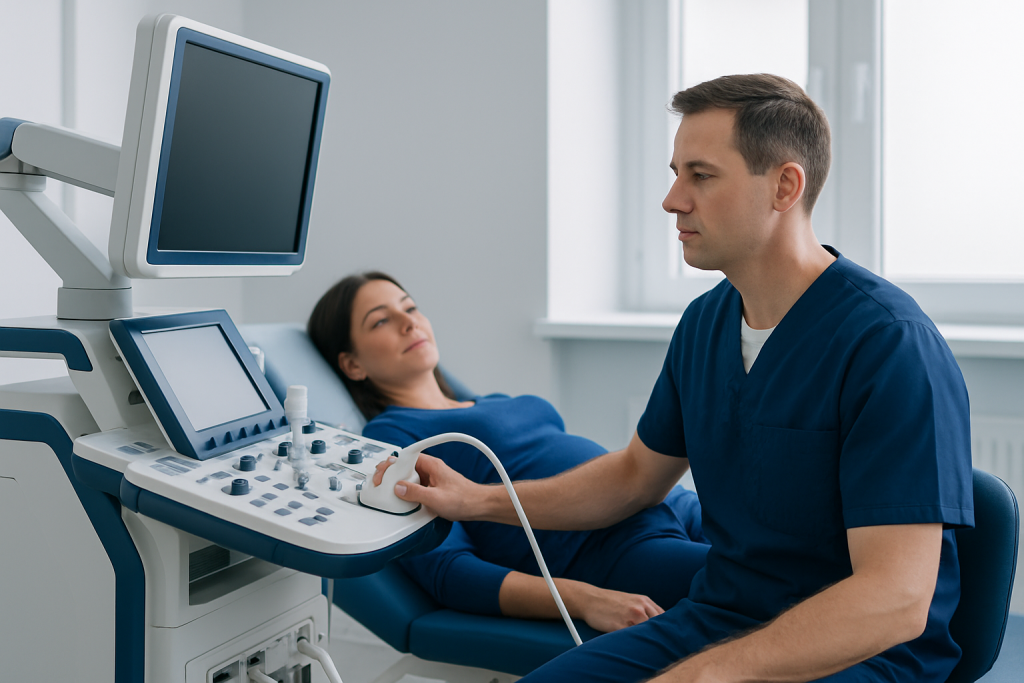
Blood tests may include liver enzymes, bilirubin, albumin, clotting tests, viral hepatitis screening, and checks for diabetes or high cholesterol. Imaging such as ultrasound is often used to look for fatty liver, gallstones, bile duct problems, or structural changes. In selected cases, elastography or other tests are used to estimate scarring.
This evaluation matters because the best next step may be weight management, stopping alcohol, changing a medication, treating viral hepatitis, or monitoring over time rather than taking a supplement. At centers such as Acibadem International, multidisciplinary specialists in JCI-accredited hospitals assess liver conditions for international patients and tailor treatment according to the cause rather than relying on one-size-fits-all supplement advice.
Prevention, self-care, and when to seek medical care
For most people, the most effective way to protect the liver is not a supplement but a set of daily habits. These include limiting or avoiding alcohol, maintaining a healthy weight, being physically active, managing diabetes and cholesterol, using medications only as directed, and avoiding unnecessary herbal products. Vaccination against hepatitis A or B may be appropriate for some people, based on risk and medical advice.
If a supplement is being considered, it is safer to choose one product rather than several, avoid products with vague “proprietary blends,” and discuss it with a clinician or pharmacist first. A person should bring the exact product name and ingredient list to appointments, because side effects and interactions depend on the formulation. Liver blood tests may need to be checked before and after starting certain products.
Medical care should be sought promptly for yellowing of the skin or eyes, dark urine, pale stools, swelling of the abdomen, vomiting, severe right upper abdominal pain, fever, confusion, fainting, or bleeding. A doctor should also be consulted if fatigue, nausea, itching, or abnormal liver tests persist for more than a short time, or if symptoms begin after starting a new supplement or medication.
Anyone with known liver disease should ask a clinician before using over-the-counter “liver support” products. Self-treatment can delay diagnosis or worsen an already stressed liver. If symptoms are significant or recurring, a structured medical assessment is safer than trial-and-error supplement use.
Frequently asked questions
Does a food supplement for liver really work?
Sometimes, but only in limited and specific situations. Most liver supplements have mixed evidence, and none are a proven substitute for diagnosing and treating the underlying cause of liver problems.
What is the best supplement for fatty liver?
There is no single best supplement for everyone with fatty liver. In selected patients, doctors may consider options such as vitamin E or omega-3 fatty acids, but weight management, exercise, and control of diabetes or cholesterol usually have stronger evidence.
Can liver supplements be harmful?
Yes. Some herbal and dietary supplements can cause side effects, interact with medicines, or even lead to liver injury. This is one reason it is important to discuss any supplement with a doctor, especially if symptoms or abnormal liver tests are already present.
Should a person take a liver supplement after drinking alcohol?
A supplement does not reverse the effects of heavy alcohol use or protect the liver from ongoing alcohol-related harm. Reducing or stopping alcohol and seeking medical advice if symptoms or abnormal tests occur is more important than taking a supplement.
Who should avoid liver supplements unless a doctor recommends them?
People who are pregnant or breastfeeding, those with cirrhosis or severe liver disease, transplant recipients, children, and anyone taking multiple medications should be especially cautious. These groups have a higher risk of side effects or interactions and should not self-prescribe liver products.
When should someone see a doctor instead of trying supplements first?
A doctor should be seen if there is jaundice, dark urine, severe abdominal pain, vomiting, fever, confusion, abdominal swelling, or persistent itching. Medical evaluation is also important when abnormal liver tests continue, symptoms started after a new product, or a person already has a diagnosed liver condition.
This article is for general information only and is not a substitute for professional medical advice. Please consult a qualified doctor about your individual situation.
Explore treatments in Turkey — costs, top hospitals & a free quote
JCI-accredited · board-certified surgeons · reply within 24h
Add us as a Preferred Source to see more of our trusted health content across Google Search, AI Overviews and Discover.

More from the Health Library

Phytoestrogen Foods: What the Clinical Research Actually Says
Nutrient Dense Foods: What the Clinical Research Actually Says

Stomach Flu What to Eat: What the Clinical Research Actually Says

Benefits of Drinking Hot Water in the Morning: What the Clinical Research Actually Says

Anti Aging Supplements: What the Clinical Research Actually Says