Food Therapy for Cancer: How It Works, Results and What to Expect
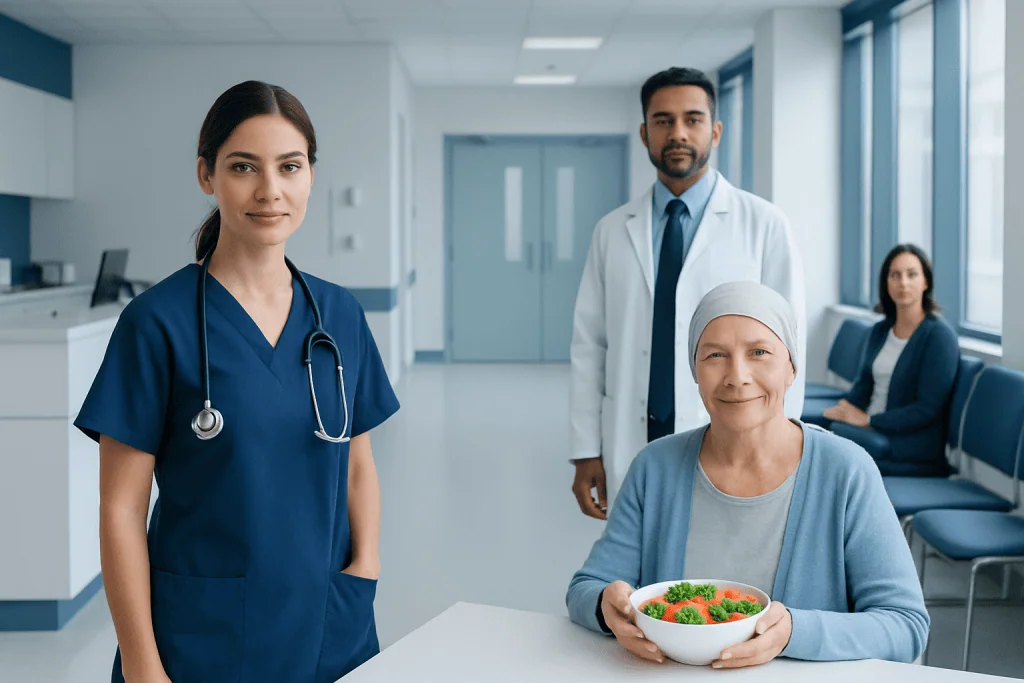
Food therapy for cancer is planned with an oncology dietitian and the wider cancer care team. Nutrition plans are adjusted for cancer type, treatment, symptoms, weight changes and personal food preferences.
Key Takeaways
- Food therapy for cancer is planned with an oncology dietitian and the wider cancer care team.
- Nutrition plans are adjusted for cancer type, treatment, symptoms, weight changes and personal food preferences.
- The main goals are preserving strength, preventing or treating malnutrition, supporting recovery and improving daily comfort.
- Nutrition support may include food-first changes, oral supplements, tube feeding or intravenous nutrition when medically necessary.
- Restrictive diets, unregulated supplements and fasting should be discussed with the oncology team before starting.
Food therapy for cancer is individualized nutrition care that helps people meet their energy, protein and fluid needs during cancer treatment. It can reduce the impact of treatment-related eating problems and support recovery, but it does not cure cancer or replace treatments such as surgery, chemotherapy, radiation therapy or immunotherapy.
Food Therapy for Cancer: An Overview
Food therapy for cancer, also called nutritional therapy or oncology nutrition support, is a structured approach to eating and drinking during cancer care. In the first place, it aims to help a person maintain strength, muscle mass, hydration and everyday function while managing symptoms that can make eating difficult. It is tailored to the individual rather than based on one universal “cancer diet.”
Many people can benefit from early nutrition assessment, including those who have lost weight unintentionally, have poor appetite, are preparing for major surgery, or are receiving treatments that affect the mouth, throat, digestive tract or immune system. A registered dietitian with oncology experience works alongside doctors, nurses, pharmacists and other specialists to make nutrition recommendations safe and practical.
Food therapy is supportive care. It does not remove tumors or replace evidence-based cancer treatment. Instead, good nutrition may help a person tolerate planned treatment more comfortably, recover from procedures and maintain the best possible quality of life throughout care.
How Food Therapy for Cancer Works
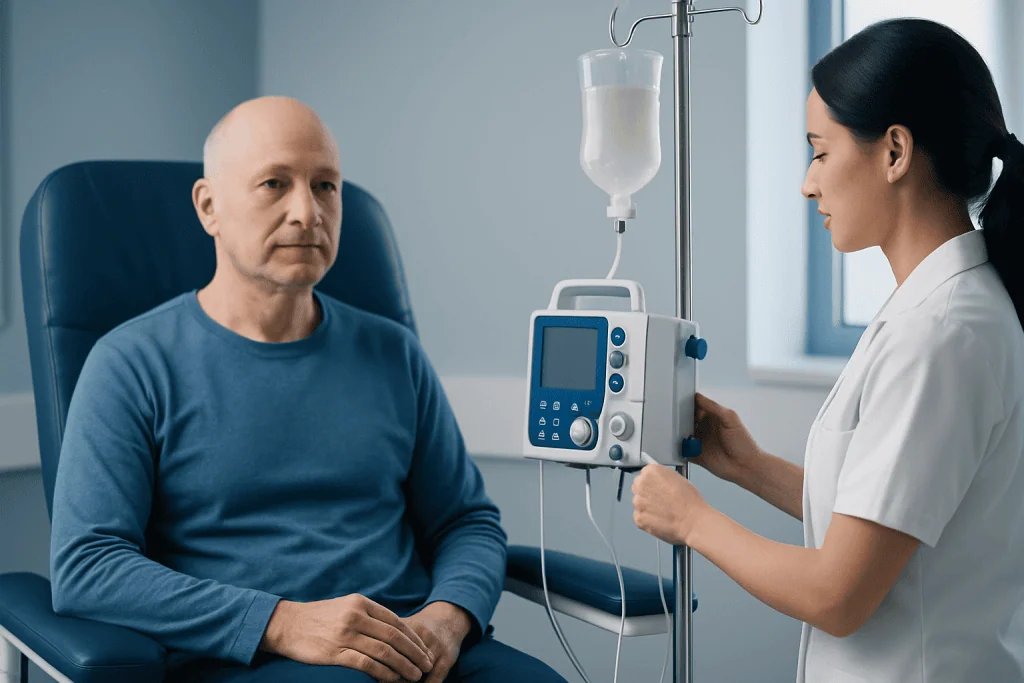
Nutrition needs can change because of the cancer itself, its location and the treatments used. Some cancers increase the body’s energy and protein requirements. Surgery, chemotherapy, radiation therapy, targeted therapy and immunotherapy may also cause nausea, taste changes, pain on swallowing, diarrhea, constipation, fatigue or mouth sores. Food therapy identifies these barriers and develops manageable strategies around them.
The process begins with a nutrition assessment. The dietitian may ask about recent weight change, appetite, food intake, bowel habits, swallowing, symptoms, medical history, laboratory results and usual meals. They also consider cultural preferences, dental health, mobility, financial and practical access to food, and whether a caregiver helps with meals.
Recommendations often focus on increasing protein and calories in small portions, choosing foods that are easier to chew or swallow, improving fluid intake, and adapting meal timing to periods when appetite is better. Depending on the situation, the team may recommend fortified foods, prescribed oral nutrition supplements, texture-modified meals, enteral feeding through a tube, or intravenous nutrition when the digestive system cannot be used adequately.
Nutrition needs should be reviewed over time. A plan that is helpful before treatment may need to change during treatment, after surgery or in recovery. This ongoing adjustment is one reason individualized care is generally safer than following highly restrictive diets found online.
Who May Benefit and What Happens Step by Step
Food therapy can be appropriate at diagnosis, before treatment starts, during active treatment, after treatment and during long-term follow-up. It is particularly important for people with appetite loss, weight loss, difficulty swallowing, digestive symptoms, mouth or throat pain, pancreatic or bowel conditions, or a treatment plan likely to interfere with eating. People who are overweight can also be malnourished, so nutrition screening should not depend on body size alone.
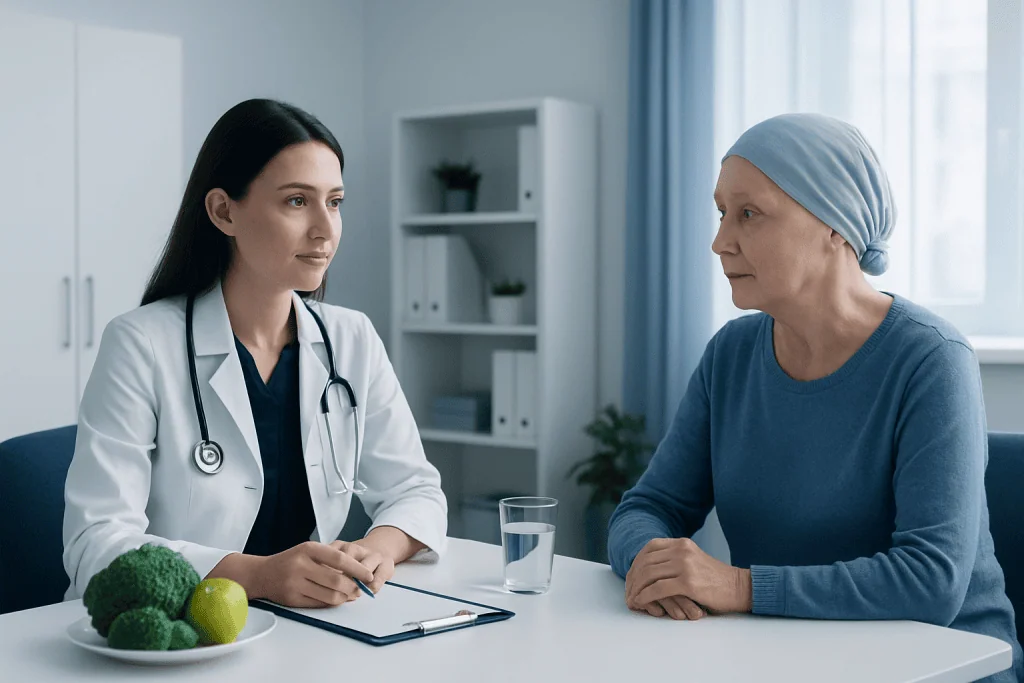
In a typical consultation, the clinician first screens for nutrition risk and identifies urgent concerns, such as severe dehydration or rapid weight loss. The dietitian then assesses intake and symptoms, agrees on realistic goals, and creates a plan that fits the person’s treatment schedule. Goals may include eating more frequently, adding protein to familiar foods, managing nausea, using supplements, or arranging specialized feeding support.
Follow-up is an essential part of the process. Weight trends, muscle strength, symptom control, food intake and treatment tolerance may be monitored at regular intervals. The team can make changes promptly if symptoms worsen or a person cannot meet their needs through ordinary meals.
Food therapy does not usually require admission to hospital. However, some people need more intensive support around complex surgery, severe treatment side effects or significant malnutrition. In these circumstances, the oncology and nutrition teams coordinate nutrition care with the overall cancer plan.
Benefits, Limits and Possible Risks
The benefits of nutritional therapy for cancer patients include support for maintaining weight and muscle, improved energy for daily activities, better hydration and practical symptom management. Adequate nutrition can also support wound healing after surgery and may help people stay on track with planned care when treatment side effects affect eating.
Benefits vary between individuals and depend on cancer type, stage, treatment, symptoms and general health. Nutrition therapy cannot guarantee treatment response, prevent all side effects or cure cancer. Its value lies in supporting the body and helping the person cope with the physical demands of treatment.
There can be risks when nutrition advice is not individualized. Very restrictive diets may lead to inadequate calorie, protein or micronutrient intake. High-dose vitamins, herbal remedies and other supplements can interact with cancer medicines or may be inappropriate during some treatments. Fasting or “detox” plans may be especially risky for people already losing weight or struggling to eat.
Tube feeding and intravenous nutrition can be important medical tools but require professional monitoring. Possible complications include infection, changes in blood sugar or electrolytes, digestive discomfort and problems related to feeding tubes or catheters. The care team weighs these considerations against the expected benefit for each person.
How Can You Tell If Cancer Treatment Is Working?
Cancer treatment response is assessed by the oncology team using more than one measure. Depending on the cancer, this may include physical examinations, imaging tests such as CT, MRI or PET scans, blood tests, tumor markers when appropriate, and pathology findings. The timing of these assessments is planned around the treatment type and should be interpreted by the treating specialist.
Symptoms and day-to-day wellbeing can be useful information, but they do not reliably show whether a tumor is responding. For example, some symptoms may improve because supportive treatments are helping, while side effects may occur even when treatment is effective. Conversely, a person may feel relatively well despite cancer activity.
Nutrition changes can also provide helpful context. Stabilizing weight, improving intake or recovering strength may indicate that supportive care is working, but these changes are not proof that cancer treatment has controlled the disease. People should discuss scan results, blood results and any new symptoms directly with their oncology team.
What Is the 62 Day Rule for Cancer?
The “62 day rule” is a National Health Service target used in the United Kingdom. It refers to a goal for many patients with an urgent suspected-cancer referral to begin their first definitive cancer treatment within 62 days of the referral. It is a health-system performance standard, not a biological rule about how quickly every cancer must be treated.
Timeframes for diagnosis and treatment differ across countries, hospitals and individual clinical circumstances. Some people need additional scans, biopsies, specialist opinions or medical preparation before the team can recommend the safest treatment. Others may need treatment more urgently because of symptoms or the behavior of a particular cancer.
For any person, the key step is timely communication with the care team. If appointments, results or treatment planning are delayed and this is causing concern, they should ask their clinician what the next steps are and whether any symptoms need more urgent assessment.
How Long Does Cancer Therapy Take?
The length of cancer therapy varies widely. Some treatments are completed in a single operation or a short course of radiation therapy, while systemic treatments such as chemotherapy, targeted therapy, hormone therapy or immunotherapy may continue for weeks, months or longer. Treatment duration depends on cancer type, stage, treatment goal, response and side effects.
Nutrition therapy follows the person’s needs rather than a fixed timetable. Some people have one assessment and brief advice before surgery; others benefit from support throughout a prolonged treatment program and recovery. Nutritional monitoring may continue after treatment if there are ongoing swallowing, digestive, appetite or weight concerns.
A care plan should include opportunities to review progress. If treatment side effects are preventing adequate food or fluid intake, contacting the clinical team early may allow supportive medications, dietary changes or specialist nutrition support to be introduced before the problem becomes more severe.
Prevention, Self-Care and When to Seek Medical Care
During treatment, the safest self-care approach is usually to eat regularly as tolerated, include protein-rich foods where possible, drink enough fluids and keep the care team informed about symptoms. Helpful strategies may include smaller meals more often, choosing soft or cool foods for mouth discomfort, and keeping easy-to-prepare foods available on low-energy days. Food safety is particularly important if treatment has lowered immune defenses; the team can provide individual guidance.
People should seek medical advice promptly if they cannot keep fluids down, have persistent vomiting or diarrhea, notice difficulty swallowing, develop signs of dehydration, experience rapid or ongoing unintentional weight loss, or are unable to eat enough for more than a short period. Fever during cancer treatment, severe weakness, confusion, new severe pain or breathing difficulty requires urgent medical assessment according to the instructions provided by the treating team.
Before changing diet substantially or taking a supplement, people should consult their oncologist or dietitian. Acibadem International’s multidisciplinary specialists and JCI-accredited hospitals provide cancer diagnosis, treatment and supportive nutrition care for international patients.
Frequently asked questions
What is food therapy for cancer?
Food therapy for cancer is individualized nutrition support provided alongside cancer care. It helps address changing calorie, protein, fluid and nutrient needs, as well as symptoms that affect eating. It is supportive care and is not a replacement for oncology treatment.
What are the benefits of nutritional therapy for cancer patients?
Nutritional therapy may help preserve weight and muscle, support hydration, reduce the impact of eating-related symptoms and improve strength for daily life. It may also support recovery after surgery and help people tolerate planned treatment. Benefits differ according to the person’s cancer, treatment and nutritional status.
Can a special diet cure cancer?
No diet has been shown to cure cancer on its own. Restrictive diets can be harmful if they result in weight loss, muscle loss or nutrient deficiencies. Any dietary change should be discussed with the oncology team or an oncology dietitian.
How can you tell if cancer treatment is working?
Doctors assess response using planned scans, examinations, laboratory tests and, in some situations, tumor markers or biopsy results. Symptoms and appetite can provide useful information but cannot reliably confirm whether treatment is working. The treating oncologist is best placed to explain individual results.
What is the 62 day rule for cancer?
The 62 day rule is an NHS target in the United Kingdom for starting first definitive cancer treatment within 62 days of an urgent suspected-cancer referral in many cases. It is not a universal treatment deadline or a measure of how fast every cancer grows. Local pathways and individual medical needs can differ.
How long does cancer therapy take?
Cancer therapy may last from a single day to many months or longer, depending on the cancer type, treatment approach and treatment goal. Nutrition support may be brief or continue throughout treatment and recovery. The oncology team can outline the expected timeline and revise it as care progresses.
References
- World Health Organization
- European Society for Clinical Nutrition and Metabolism
- American Cancer Society
- National Cancer Institute
- National Health Service
This article is for general information only and is not a substitute for professional medical advice. Please consult a qualified doctor about your individual situation.
Oncology care in Turkey — second opinion and treatment plan
JCI-accredited · board-certified surgeons · reply within 24h
Add us as a Preferred Source to see more of our trusted health content across Google Search, AI Overviews and Discover.

More from the Health Library


Related Specialists
Dr. Funda Tekkeşin
Pediatric Hematology
Dr. Ridvan Mete Demir
Emergency Service
Assoc. Prof. Dr. Serkan Sürücü
Orthopedic Surgery & Traumatology
Dr. Serdar Baştan
Emergency Service