Foods Containing High Levels of Iron: What Your Results Mean and When to Act

Iron-rich foods help maintain healthy blood production and oxygen transport, but food alone does not explain every abnormal iron result. Heme iron from animal foods is generally absorbed more easily than non-heme iron from plant foods.
Key Takeaways
- Iron-rich foods help maintain healthy blood production and oxygen transport, but food alone does not explain every abnormal iron result.
- Heme iron from animal foods is generally absorbed more easily than non-heme iron from plant foods.
- Iron test interpretation usually requires more than one value, such as ferritin, hemoglobin, transferrin saturation, and serum iron.
- Low iron may occur even before anemia develops, while high iron results can reflect supplements, liver conditions, inflammation, or iron overload disorders.
- Medical attention is important when iron results are clearly outside range, symptoms are significant, or there may be bleeding, pregnancy-related needs, or chronic illness.
Foods containing high levels of iron include red meat, shellfish, legumes, fortified cereals, and dark leafy greens, but their real value depends on how the body absorbs and uses iron. If iron test results are low or high, the numbers need to be interpreted alongside age, sex, symptoms, diet, and related blood tests before deciding whether to act.
Overview: what high-iron foods mean in the context of lab results
Foods containing high levels of iron can help the body make hemoglobin, support energy production, and carry oxygen through the blood. Common examples include red meat, liver, clams, sardines, lentils, beans, tofu, pumpkin seeds, spinach, and iron-fortified cereals. However, eating iron-rich foods does not automatically mean a person will have normal iron levels, because absorption varies from one person to another.
Iron test results are usually interpreted in a sequence: first the reported lab range or number, then the person’s age, sex, menstrual status, pregnancy status, and medical context, and finally whether the result is clinically meaningful. A mildly low ferritin level in a menstruating adult may suggest early iron depletion, while the same number in another setting may need a different explanation. This is why a single food list cannot fully explain test results.
Doctors also look at whether the result involves iron stores, iron transport, or red blood cell production. Ferritin often reflects stored iron, hemoglobin reflects whether anemia is present, and transferrin saturation helps show how much circulating iron is available. When these markers are reviewed together, it becomes easier to decide whether the main need is dietary improvement, a search for blood loss, or further evaluation for another condition.
Foods containing high levels of iron
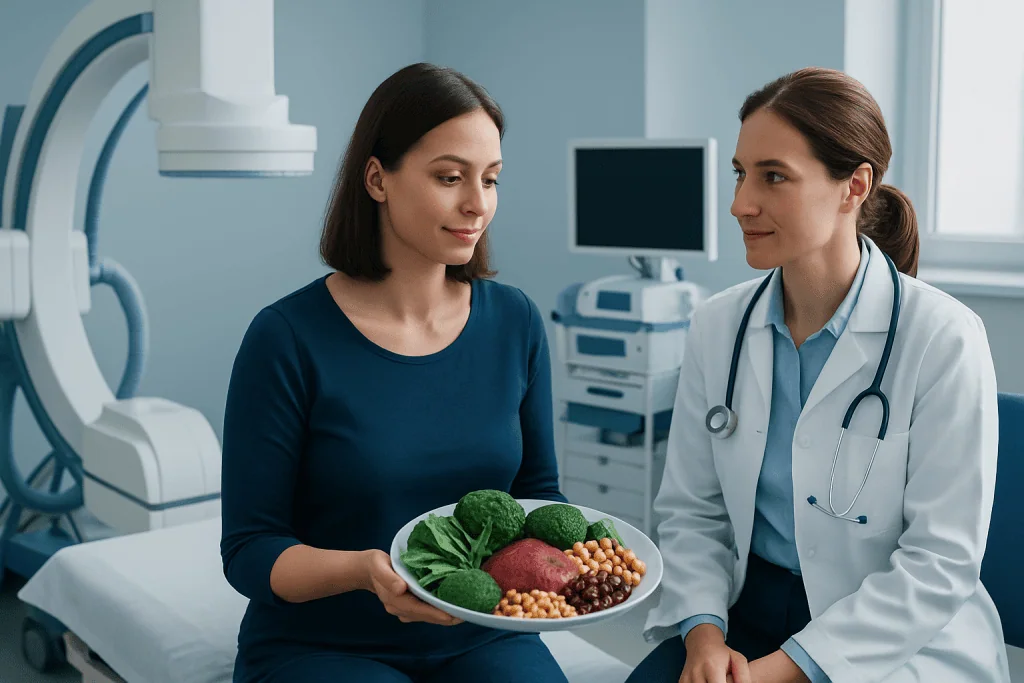
Iron in food comes in two forms: heme iron and non-heme iron. Heme iron is found in animal foods and is usually absorbed more efficiently. Non-heme iron is found in plant foods and fortified products; it can still make a valuable contribution, especially when meals are planned thoughtfully.
Examples of foods containing high levels of iron include:
- Red meat such as beef and lamb
- Organ meats such as liver
- Shellfish, especially clams, mussels, and oysters
- Fish such as sardines and tuna
- Beans, lentils, chickpeas, and soy foods including tofu
- Pumpkin seeds, sesame seeds, and some nuts
- Dark leafy greens such as spinach
- Iron-fortified breakfast cereals and grains
- Dried fruits such as apricots and raisins
Absorption matters as much as iron content. Vitamin C can improve the absorption of non-heme iron, so pairing beans or spinach with citrus, tomatoes, or peppers may help. Tea, coffee, and large amounts of calcium taken with meals can reduce absorption in some people, which may partly explain why iron levels do not always improve despite a seemingly iron-rich diet.
For many people, a balanced mix of animal and plant sources is enough to maintain normal iron levels. But food may not correct iron deficiency when there is ongoing blood loss, poor absorption, inflammatory bowel disease, celiac disease, or increased needs during pregnancy or rapid growth.
How iron results are usually interpreted

The first step is the lab’s reference range, but iron tests are not interpreted by one number alone. Serum iron can change during the day and after meals, so it is often less useful by itself than ferritin, transferrin saturation, total iron-binding capacity, and a complete blood count. Doctors usually look for a pattern rather than a single isolated value.
The next step is variation by age, sex, and context. Children, menstruating adults, pregnant women, older adults, and people with chronic illness can have different expected ranges and different reasons for an abnormal result. Menstrual blood loss, pregnancy, growth, endurance exercise, gastrointestinal bleeding, and vegetarian or vegan diets may all affect iron balance in different ways.
The third step is deciding when a deviation is medically meaningful. A mildly abnormal result without symptoms may lead to repeat testing, dietary review, or monitoring. A more significant deviation, especially when accompanied by fatigue, shortness of breath, dizziness, pale skin, pica, black stools, heavy periods, or unexplained weight loss, usually needs a fuller medical assessment.
Low ferritin often points to reduced iron stores, even before anemia appears. High ferritin is more complex because it can rise with inflammation, liver disease, infection, metabolic conditions, or true iron overload. In some cases, doctors may investigate related conditions such as anemia or inherited iron-loading disorders rather than assuming diet is the only factor.
What low or high iron may suggest
Low iron results may suggest reduced intake, poor absorption, increased need, or blood loss. Common examples include heavy menstrual bleeding, pregnancy, a diet low in absorbable iron, stomach or intestinal conditions, recent surgery, or hidden bleeding from the digestive tract. In early stages, a person may have low ferritin with normal hemoglobin; later, this can progress to iron deficiency anemia.
Symptoms of low iron can include tiredness, weakness, reduced exercise tolerance, headaches, brittle nails, hair shedding, dizziness, pale skin, and trouble concentrating. Some people develop pica, a craving for non-food items such as ice. Because these symptoms overlap with many other conditions, test interpretation should not rely on symptoms alone.
High iron-related results can mean several different things. A temporarily elevated serum iron may follow supplements or recent dietary intake. Persistently high transferrin saturation or ferritin may suggest iron overload, but inflammation, liver disease, alcohol use, obesity-related metabolic changes, infection, or other illnesses can also raise ferritin.
That is why self-treating based on one abnormal result can be risky. Taking iron supplements without confirming deficiency may worsen constipation, stomach upset, or, in rare cases, contribute to excess iron. Likewise, avoiding iron-rich foods unnecessarily may be unhelpful if the real issue is not dietary intake.
Diagnosis: which tests may be used
When iron imbalance is suspected, doctors often begin with a complete blood count and iron studies. These may include hemoglobin, hematocrit, mean corpuscular volume, ferritin, serum iron, transferrin saturation, and total iron-binding capacity. The goal is to determine whether there is true deficiency, anemia, inflammation, or possible iron overload.
Further testing depends on the pattern and the person’s history. A doctor may ask about menstrual bleeding, digestive symptoms, weight changes, medications, blood donation, diet, family history, and pregnancy. If there are signs of digestive blood loss or poor absorption, additional evaluation may be needed, sometimes including colonoscopy or upper endoscopy when appropriate.
If anemia is present, the next step is not only to correct it but to find the cause. Evaluation may involve tests for vitamin B12 or folate deficiency, kidney function, thyroid disease, celiac disease, inflammatory conditions, or chronic bleeding. In some settings, imaging or specialist referral may be recommended.
For people with significantly high ferritin or transferrin saturation, doctors may consider liver assessment, repeat fasting iron studies, or testing for hereditary hemochromatosis. This helps distinguish between iron overload and other reasons for elevated ferritin.
Treatment and practical next steps
Treatment depends on the underlying cause, not simply on eating more high-iron foods. If low iron is mild and clearly linked to diet, a doctor may recommend increasing iron-rich foods and improving absorption with vitamin C-containing meals. If deficiency is more pronounced, iron supplements may be advised, usually with follow-up testing to confirm response.
When there is moderate to severe deficiency, poor absorption, intolerance to oral supplements, or a need for faster replenishment, other options may be considered. Some patients are treated with iron infusion under medical supervision. If blood loss is the main problem, treatment also needs to address the source, such as heavy periods or gastrointestinal bleeding.
For high iron-related results, treatment varies widely. Some people only need repeat testing after stopping unnecessary supplements, while others need evaluation for liver disease, inflammation, or inherited disorders. Dietary restriction is not always the main treatment, and patients should avoid making major changes without medical guidance.
Near the end of the diagnostic pathway, care may involve several specialties. Acibadem International’s multidisciplinary specialists and JCI-accredited hospitals diagnose and treat iron-related conditions for international patients when further evaluation is needed.
Prevention and self-care
Prevention begins with a varied diet that includes appropriate iron sources for the individual’s eating pattern. For those who eat animal products, lean red meat, fish, and shellfish can provide well-absorbed heme iron. For plant-based diets, regular use of legumes, soy foods, seeds, dark greens, and fortified grains becomes more important.
Simple meal planning can improve non-heme iron absorption. Useful steps include pairing iron-rich foods with vitamin C sources, spacing tea and coffee away from iron-rich meals, and discussing calcium supplements with a clinician if iron deficiency is a concern. People with known deficiency should follow a doctor’s plan and not stop treatment as soon as symptoms improve.
Routine self-supplementation is not ideal for everyone. Iron supplements can cause digestive side effects, and unnecessary use may mask another diagnosis or contribute to excess iron in susceptible people. Follow-up testing is often needed to confirm that stores have recovered, especially after iron deficiency anemia or during pregnancy.
Prevention also means paying attention to causes, not just intake. Recurrent deficiency should prompt a review of menstrual bleeding, digestive symptoms, medications such as anti-inflammatory drugs, and family or personal history of bowel disease.
When to seek medical care
Medical advice is appropriate if iron results are outside the reference range, especially when symptoms are present. A person should seek care for ongoing fatigue, shortness of breath, chest discomfort, fainting, rapidly worsening weakness, black or bloody stools, unexplained bruising, heavy menstrual bleeding, or symptoms during pregnancy.
Prompt review is also important if a person has repeated low ferritin, persistent anemia, a history of digestive disease, unexplained weight loss, or a family history of iron overload disorders. High ferritin or transferrin saturation should be discussed with a doctor rather than managed by diet alone.
Children, older adults, pregnant women, and people with chronic diseases may need earlier assessment because the causes and risks can differ from those in otherwise healthy adults. If symptoms are severe or sudden, urgent medical evaluation is the safest choice.
Frequently asked questions
What are the best foods containing high levels of iron?
Common high-iron foods include red meat, liver, shellfish, sardines, lentils, beans, tofu, pumpkin seeds, spinach, and iron-fortified cereals. Animal-based heme iron is usually absorbed more efficiently, but plant foods can still contribute meaningfully when eaten regularly and combined with vitamin C-rich foods.
Can eating more iron-rich foods fix low iron by itself?
Sometimes, especially when low iron is mild and mainly related to diet. However, food alone may not be enough if there is heavy menstrual bleeding, gastrointestinal blood loss, poor absorption, pregnancy-related demand, or established anemia.
Why can iron test results be abnormal even with a healthy diet?
Iron status depends on intake, absorption, blood loss, inflammation, and how the body stores and transports iron. A person may eat well but still have low iron because of hidden bleeding or poor absorption, while high ferritin may reflect inflammation or liver disease rather than excessive iron intake.
Which iron test is most important?
There is usually no single best test in isolation. Ferritin is often very useful because it reflects iron stores, but doctors commonly interpret it together with hemoglobin, transferrin saturation, serum iron, and other blood count results.
Should a person take iron supplements after one low result?
Not without medical guidance. One result may need confirmation or interpretation alongside symptoms and other tests, and unnecessary iron can cause side effects or delay diagnosis of the true cause.
When are high iron results medically important?
High results become more important when they are persistent, clearly above range, or associated with symptoms or abnormal liver tests. Doctors may then investigate inflammation, liver disease, supplement use, or inherited iron overload conditions.
References
- World Health Organization
- National Institutes of Health Office of Dietary Supplements
- Centers for Disease Control and Prevention
- American Society of Hematology
- National Heart, Lung, and Blood Institute
This article is for general information only and is not a substitute for professional medical advice. Please consult a qualified doctor about your individual situation.
Explore treatments in Turkey — costs, top hospitals & a free quote
JCI-accredited · board-certified surgeons · reply within 24h
Add us as a Preferred Source to see more of our trusted health content across Google Search, AI Overviews and Discover.