Foods That Boost Testosterone: Evidence-Based Benefits, Risks, and Practical Guidance

No single food consistently increases testosterone in a large, predictable way. Nutrition matters most when it corrects deficiencies such as low zinc, vitamin D, or inadequate overall calorie and protein intake.
Key Takeaways
- No single food consistently increases testosterone in a large, predictable way.
- Nutrition matters most when it corrects deficiencies such as low zinc, vitamin D, or inadequate overall calorie and protein intake.
- Weight loss in people with overweight or obesity can improve testosterone more reliably than adding a specific food.
- Alcohol excess, highly restrictive diets, and some supplements can lower testosterone or create health risks.
- Persistent symptoms of low testosterone should be evaluated medically rather than self-treated with diet alone.
Foods that boost testosterone are best understood as part of an overall eating pattern, not as a quick fix. Some foods may support normal testosterone indirectly by helping with nutrient intake, weight management, sleep, insulin sensitivity, and cardiovascular health, but no single food has been proven to reliably raise testosterone in everyone.
Overview: Can foods really boost testosterone?
Foods that boost testosterone are often promoted online as though one ingredient can directly increase hormone levels. Clinical evidence does not support that simple message. In most people, no single food reliably raises testosterone on its own, especially if hormone levels are normal and there is no nutritional deficiency.
Testosterone production depends on many factors, including age, body fat, sleep, chronic illness, stress, medications, alcohol use, and overall nutrition. This means food can matter, but usually as part of a broader pattern. A balanced diet that supports a healthy weight, stable blood sugar, adequate protein, and sufficient vitamins and minerals is more relevant than any one “testosterone food.”
Some foods may help indirectly by providing nutrients involved in hormone production, such as zinc, magnesium, healthy fats, and vitamin D, or by supporting metabolic health. However, if symptoms suggest low testosterone, diet should not replace medical assessment. Conditions such as obesity, diabetes, thyroid disease, sleep apnea, or pituitary disorders may contribute and need proper diagnosis.
Which foods may support healthy testosterone levels?
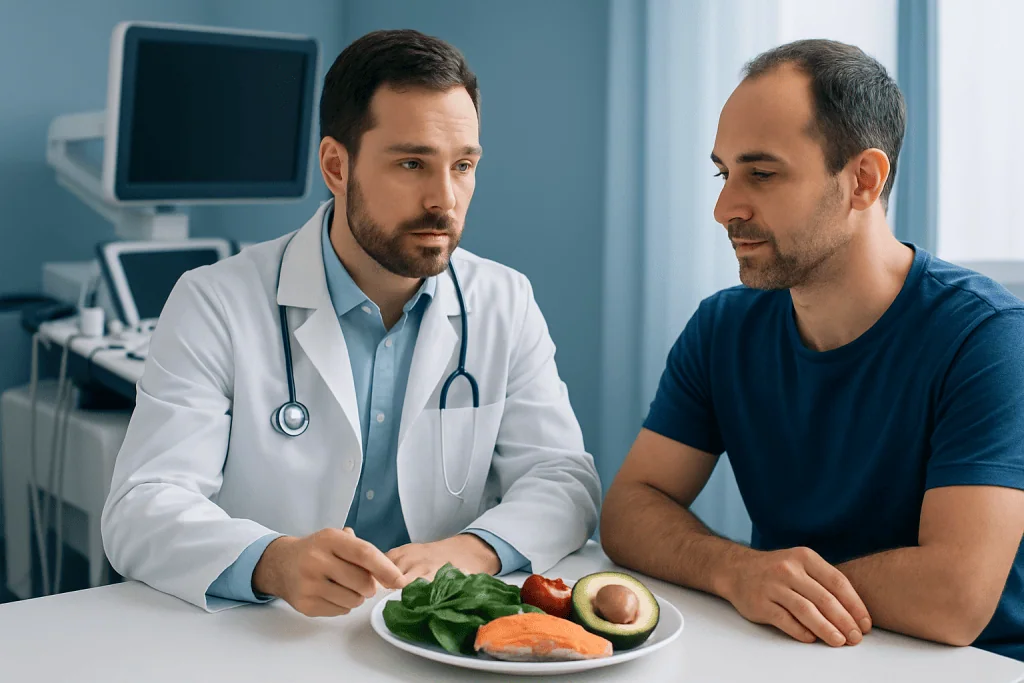
The foods most often discussed in relation to testosterone are not medicines. Their role is supportive, and the benefit is most likely when a person has a poor diet, excess body weight, or a nutrient deficiency. A practical approach is to focus on whole foods that improve general metabolic and reproductive health.
Examples of foods that may support normal testosterone include:
- Protein-rich foods: fish, eggs, yogurt, poultry, beans, and lentils can help maintain muscle mass and support weight control.
- Zinc-containing foods: oysters, red meat in moderation, beans, chickpeas, nuts, and seeds may help if zinc intake is low.
- Vitamin D sources: fortified dairy or plant alternatives, egg yolks, and oily fish may be helpful, although sunlight exposure and supplements are often more important for low vitamin D.
- Healthy fat sources: olive oil, avocados, nuts, seeds, and fatty fish support overall hormone and heart health.
- Magnesium-containing foods: leafy greens, nuts, seeds, legumes, and whole grains may support normal body functions tied to energy metabolism.
- High-fiber, minimally processed foods: vegetables, fruits, legumes, and whole grains can improve insulin sensitivity and weight management, which may benefit testosterone indirectly.
Evidence is generally strongest for dietary patterns rather than individual foods. Mediterranean-style eating, for example, supports cardiometabolic health and weight control, both of which are closely tied to testosterone status in men. This is more evidence-based than chasing a short list of “superfoods.”
What evidence supports these foods, and what does not?

Research on testosterone and diet can be difficult to interpret. Many studies are small, short-term, or observational, meaning they can show an association without proving cause and effect. If a person who eats more fish, vegetables, and nuts has better testosterone levels, that may reflect healthier body weight, better sleep, less alcohol use, or fewer chronic diseases rather than a direct effect of one food.
There is better evidence for correcting nutritional deficiencies than for adding specific foods in otherwise well-nourished adults. For example, low zinc or low vitamin D may be associated with lower testosterone, and addressing those deficiencies may help bring levels closer to normal. Likewise, substantial weight loss in men with overweight or obesity can improve testosterone more consistently than any isolated dietary change.
Claims about foods such as garlic, onion, pomegranate, ginger, honey, or special seeds often come from animal studies or limited human data. These foods can be part of a healthy diet, but they should not be presented as proven testosterone treatments. Similarly, very high intakes of saturated fat or extreme low-carbohydrate dieting are not established, safe strategies for boosting hormones and may worsen long-term health in some people.
For people with symptoms such as fatigue, low libido, erectile difficulties, or reduced muscle mass, it is important to distinguish between self-care and medical causes of testosterone deficiency. Diet may support treatment, but it does not replace a diagnostic work-up when symptoms persist.
Diet patterns, body weight, and lifestyle factors that matter more than single foods
Testosterone is closely linked to overall health. Excess body fat, especially around the abdomen, can lower testosterone through hormonal and inflammatory mechanisms. In many men, improving body composition through sustainable eating and activity habits has a greater effect than adding any supposed testosterone-boosting food.
Regular meals built around vegetables, fruit, lean proteins, legumes, whole grains, and unsaturated fats can support weight loss or weight maintenance. Adequate calorie intake is also important. Severely restrictive diets, chronic under-eating, and overtraining may reduce testosterone, particularly in athletes or people trying to lose weight too quickly.
Sleep and alcohol use also deserve attention. Poor sleep and obstructive sleep apnea are strongly associated with lower testosterone, while heavy alcohol use can impair testicular function and hormone regulation. In some people, managing snoring, daytime sleepiness, or poor-quality sleep may be as important as nutritional changes.
Because erectile symptoms can overlap with hormonal and vascular issues, some men may need evaluation beyond diet alone. If symptoms involve sexual function, a clinician may discuss lifestyle changes alongside treatments such as erectile dysfunction treatment when appropriate.
Risks, side effects, and who should be cautious
Most whole foods discussed in this context are safe when eaten in normal amounts, but the way they are used matters. A person may overconsume oysters, organ meats, red meat, or fortified products in an effort to raise zinc or other nutrients, which can create imbalances or crowd out healthier foods. Very high nutrient intake from supplements is a separate issue and can be harmful.
Some foods and “natural boosters” may interact with medical conditions or medications. For example, people taking blood thinners should be cautious with concentrated herbal products or sudden major dietary changes. Those with kidney disease, liver disease, gout, or digestive disorders may need individualized advice before making high-protein or specialty-diet changes.
People should also be careful with commercial testosterone-boosting supplements marketed as food-based or herbal. Product quality is variable, ingredients may not match the label, and some products can affect the liver, blood pressure, sleep, mood, or fertility. A food-first approach is safer than self-prescribing hormone-related supplements.
Anyone with infertility concerns should seek tailored medical advice rather than assuming that “boosting testosterone” is the goal. In some cases, the wrong supplement or treatment approach can interfere with sperm production. Evaluation in a reproductive health setting, including fertility care when needed, may be more appropriate than focusing narrowly on food.
Practical guidance: how to eat for hormone and metabolic health
A practical nutrition plan does not require special foods or strict rules. It usually starts with regular, balanced meals; enough total calories; adequate protein; and fewer ultra-processed foods and excess added sugars. This supports energy balance, muscle maintenance, insulin sensitivity, and weight control, all of which influence testosterone indirectly.
Helpful habits may include choosing fish a few times a week, adding beans or lentils regularly, using olive oil instead of heavily processed fats, including nuts and seeds in moderate portions, and aiming for vegetables and fruit daily. Fortified dairy or alternatives can help with vitamin D and calcium intake, though a clinician may still check blood levels if deficiency is suspected.
People trying to lose weight should focus on steady, sustainable change rather than severe dieting. Combining resistance exercise with aerobic activity is often especially useful because it supports muscle mass, improves body composition, and enhances metabolic health. If low testosterone is confirmed, nutrition may be part of the treatment plan together with medical therapy such as testosterone replacement therapy in selected patients.
For international patients who need coordinated evaluation, Acibadem International’s multidisciplinary specialists and JCI-accredited hospitals diagnose and treat hormone and men’s health conditions with individualized plans.
When to seek medical care
Medical care is appropriate if symptoms of low testosterone last for several weeks or interfere with daily life. Examples include low sexual desire, erectile problems, infertility, loss of morning erections, marked fatigue, reduced exercise capacity, low mood, reduced body hair, hot flashes, or loss of muscle mass. These symptoms can have many causes, and hormone testing may be needed.
A clinician may review symptoms, medications, sleep quality, weight changes, alcohol use, and chronic illnesses, then order morning blood tests if appropriate. Evaluation can also look for related problems such as obesity, type 2 diabetes, thyroid disease, sleep apnea, anemia, or pituitary conditions. In some cases, concerns about enlarged breast tissue in men may overlap with hormonal issues such as gynecomastia.
Urgent care is important for severe testicular pain, sudden swelling, chest pain, shortness of breath, major mood changes, or signs of a medication reaction. Diet should not be used as a substitute for treatment in these situations.
Frequently asked questions
What are the best foods that boost testosterone?
There is no single best food that reliably boosts testosterone in everyone. Foods such as oily fish, eggs, beans, nuts, seeds, leafy greens, and fortified dairy may support normal hormone health by improving nutrient intake and metabolic health. Their benefit is usually indirect and works best as part of an overall healthy diet.
Can eating certain foods raise testosterone quickly?
Usually not. Testosterone does not typically rise in a meaningful, lasting way from one meal or one ingredient. If levels improve, it is more often because diet helps correct a deficiency, supports weight loss, or improves sleep and overall health over time.
Do oysters and zinc-rich foods increase testosterone?
Zinc is important for normal hormone function, and low zinc can contribute to low testosterone. If a person is deficient, improving zinc intake may help normalize levels. But in someone who already gets enough zinc, eating more oysters or taking extra zinc is unlikely to create a major boost.
Are testosterone-boosting supplements safer or stronger than food?
Not necessarily. Supplements marketed for testosterone often have limited evidence, variable quality, and potential side effects or drug interactions. Whole foods are generally safer, but persistent symptoms still need medical evaluation rather than self-treatment.
Can weight loss improve testosterone more than specific foods?
In many men with overweight or obesity, yes. Weight loss can reduce hormonal disruption linked to excess body fat and may improve testosterone more reliably than adding one specific food. A sustainable plan that includes balanced eating, exercise, and sleep is usually most effective.
Who should talk to a doctor before changing diet for testosterone?
Anyone with ongoing symptoms of low testosterone, infertility concerns, chronic disease, or use of multiple medications should speak with a doctor. This is especially important for people with diabetes, kidney or liver disease, sleep problems, or those considering supplements. Medical testing can help identify whether low testosterone is actually present and what may be causing it.
This article is for general information only and is not a substitute for professional medical advice. Please consult a qualified doctor about your individual situation.
Explore treatments in Turkey — costs, top hospitals & a free quote
JCI-accredited · board-certified surgeons · reply within 24h
Add us as a Preferred Source to see more of our trusted health content across Google Search, AI Overviews and Discover.
Check your numbers in seconds
BMI, calories, due date, blood pressure and 30+ more clinical calculators — free, instant, doctor-reviewed ranges.

More from the Health Library

Perimenopause Diet: What the Clinical Research Actually Says

Detox Diet: Benefits, Risks, and Safe Use

0 Calorie Foods: Evidence-Based Benefits, Risks, and Practical Guidance

Rfk Jr Carnivore Diet: What the Clinical Research Actually Says

Vitamin C Foods: What the Clinical Research Actually Says