Foods That Support Digestion: Beans, Bananas, Apples, and Other Common Questions

A digestion-friendly diet usually combines fiber, fluids, and regular meal habits. Beans, bananas, and apples can support digestion, but tolerance varies from person to person.
Key Takeaways
- A digestion-friendly diet usually combines fiber, fluids, and regular meal habits.
- Beans, bananas, and apples can support digestion, but tolerance varies from person to person.
- Gradually increasing fiber may help prevent bloating and gas.
- Fermented foods and prebiotic foods may support a healthier gut microbiome.
- Persistent pain, bleeding, weight loss, or major bowel changes should be assessed by a doctor.
Foods that support digestion can help maintain regular bowel movements, nourish helpful gut bacteria, and reduce day-to-day digestive discomfort. Common choices such as beans, bananas, apples, oats, yogurt, and fluids can be part of a balanced, gut-friendly eating pattern.
Overview: How Food Supports Digestion
Foods that support digestion do not act as a single “cure” for digestive problems. Instead, they help the digestive system work more comfortably and efficiently by providing fiber, water, and nutrients that support normal bowel function and the balance of bacteria in the gut. For many people, everyday food choices can influence bloating, constipation, stool consistency, and overall digestive comfort.
Digestion starts in the mouth and continues through the stomach, small intestine, and colon. Different foods affect this process in different ways. Some foods add bulk to stool, some soften it by drawing in water, and others provide fuel for beneficial gut bacteria. A healthy digestion pattern often depends not on one superfood, but on a varied eating plan that includes fruits, vegetables, legumes, whole grains, and adequate hydration.
It is also important to remember that digestive tolerance is individual. A food that helps one person feel better may cause gas or discomfort in another. This is especially true for high-fiber foods such as beans, certain fruits, and whole grains. Introducing these foods slowly and paying attention to symptoms can make dietary changes easier and more sustainable.
Beans, Bananas, and Apples: Why They Are Often Recommended

Beans are widely recommended for digestive health because they are rich in fiber, including soluble and insoluble types. Fiber helps move waste through the intestines and can support regular bowel movements. Beans also contain resistant starch and other compounds that can nourish beneficial gut bacteria. However, because they are fermented by bacteria in the colon, they may cause gas or bloating, especially when eaten in large amounts or introduced too quickly.
Bananas are often considered gentle on the stomach. Ripe bananas contain soluble fiber, including pectin, which can help support stool consistency. They are commonly chosen during periods of mild digestive upset because they are soft, easy to eat, and usually well tolerated. Less ripe bananas also contain resistant starch, which may act as a prebiotic, although some people find firmer bananas more difficult to digest.
Apples provide fiber, especially pectin, which can support bowel regularity and feed helpful gut bacteria. Eating the peel adds extra insoluble fiber, while peeled or stewed apples may be easier for some people to tolerate if the digestive system is sensitive. Because apples also contain natural sugars and fermentable carbohydrates, they may trigger bloating in people with a sensitive gut, including some individuals with irritable bowel syndrome.
- Beans: support regularity and the microbiome, but may increase gas
- Bananas: gentle, practical, and often easy to tolerate
- Apples: fiber-rich and versatile, but sometimes bloating for sensitive individuals
Other Foods That Can Help Digestion
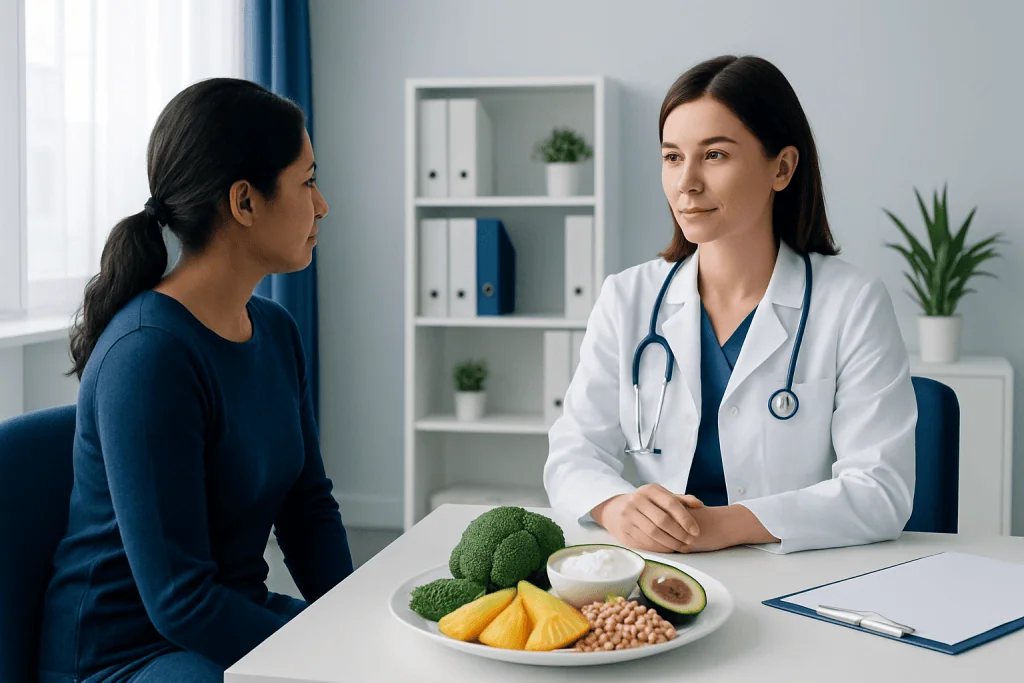
Many other foods can support digestive health when included regularly. Oats, barley, lentils, chia seeds, and vegetables such as carrots, spinach, and squash provide fiber that can help maintain regular bowel habits. Whole grains and legumes contribute bulk to stool, while some fruits and vegetables also provide water, which helps stool stay softer and easier to pass.
Fermented foods such as yogurt with live cultures, kefir, and some traditionally fermented vegetables may support the gut microbiome. These foods contain microorganisms that can complement the bacteria already living in the digestive tract. They are not essential for everyone, but they may be helpful for some people as part of an overall balanced diet. Tolerance varies, especially in people who are sensitive to dairy or highly fermented foods.
Prebiotic foods are another useful group. These include onions, garlic, leeks, asparagus, oats, bananas, and legumes. Prebiotics are types of fiber that feed beneficial bacteria in the gut. For people with frequent digestive symptoms, a doctor or dietitian may suggest tailored dietary approaches. This can be especially helpful if symptoms point to Crohn's disease or other chronic digestive conditions.
What Helps and What May Trigger Symptoms
Although foods that support digestion can be helpful, eating habits matter too. Regular meals, slower eating, thorough chewing, and enough fluid throughout the day can make digestion smoother. Some people feel better when meals are moderate in size rather than very large, especially if they are prone to reflux, fullness, or bloating.
Certain foods may trigger symptoms depending on the person. Highly processed foods, very fatty meals, excess alcohol, and large amounts of added sugar may contribute to indigestion or irregular bowel habits in some individuals. Carbonated drinks may increase bloating. Spicy foods can be fine for many people, but they may aggravate heartburn or stomach discomfort in others.
Some digestive complaints are linked to a food intolerance rather than to the food being generally unhealthy. Dairy, wheat, certain fruits, or legumes may be difficult for some people, while others tolerate them well. A food and symptom diary can sometimes reveal patterns. If symptoms persist, doctors may recommend further assessment, including tests such as endoscopy when needed to look for inflammation, ulcers, or other problems.
How to Add More Digestive-Friendly Foods Safely
The best way to increase foods that support digestion is usually to do it gradually. A sudden jump in fiber intake can lead to bloating, cramping, or increased gas. Starting with small portions and increasing over days or weeks often allows the digestive system to adjust more comfortably. Drinking enough water is especially important when fiber intake rises, because fiber works best when paired with fluid.
Simple strategies can make higher-fiber foods easier to tolerate. Rinsing canned beans, soaking dried beans before cooking, and choosing softer cooked vegetables may reduce digestive discomfort for some people. People who are sensitive to raw foods may tolerate cooked fruits and vegetables better. Similarly, a ripe banana may be gentler than an unripe one, and oatmeal may feel easier to digest than coarse bran cereal.
Balanced eating is also important. Combining fiber-rich foods with protein and healthy fats may help create steady, satisfying meals. A registered dietitian can help individualize choices, particularly for people managing chronic symptoms, food intolerances, or conditions such as ulcerative colitis.
When Digestive Symptoms Need Medical Attention
Common digestive symptoms such as mild bloating, occasional constipation, and temporary indigestion are often related to eating patterns, hydration, stress, or short-term illness. However, symptoms that are severe, frequent, or worsening should not be ignored. Digestive problems can sometimes signal a condition that needs medical care rather than simple dietary adjustment.
Warning signs include blood in the stool, unexplained weight loss, difficulty swallowing, ongoing vomiting, persistent abdominal pain, severe constipation, ongoing diarrhea, or a major change in bowel habits. Heartburn that occurs frequently or wakes a person from sleep also deserves evaluation. These symptoms do not always mean a serious disease is present, but they should be assessed by a qualified healthcare professional.
Doctors may use history, physical examination, blood tests, stool tests, imaging, or procedures such as colonoscopy to look for causes. Depending on the findings, treatment may involve dietary changes, medication, or further specialist care through gastroenterology services. Near the end of the care journey, some international patients may choose centers such as Acibadem International, where multidisciplinary specialists in JCI-accredited hospitals diagnose and treat digestive conditions.
Prevention and Everyday Self-Care for Better Digestion
Long-term digestive wellness usually comes from overall lifestyle habits rather than one food alone. Eating a variety of plant foods helps provide different types of fiber and nutrients that support bowel health and the microbiome. Staying hydrated, being physically active, and allowing enough time for meals can all support more regular digestion.
Stress can also affect the gut. The digestive system and nervous system are closely connected, which is why emotional stress can sometimes worsen bloating, cramping, or changes in bowel habits. Gentle exercise, sleep, and stress-management practices may be useful alongside dietary measures. For many people, this broader approach improves comfort more than focusing only on avoiding certain foods.
It may help to think in patterns rather than strict rules. Helpful habits often include:
- Eating fruits, vegetables, legumes, and whole grains regularly
- Drinking enough water during the day
- Increasing fiber gradually
- Limiting foods that repeatedly trigger symptoms
- Not lying down immediately after large meals
- Seeking medical advice if symptoms continue despite self-care
Frequently asked questions
Are beans good for digestion?
Beans can be very good for digestion because they provide fiber and prebiotic compounds that support bowel regularity and beneficial gut bacteria. However, they may also cause gas or bloating, especially if eaten in large amounts or introduced too quickly.
Are bananas easy to digest?
Bananas are often easy to digest and are commonly chosen when the stomach feels sensitive. Their soft texture and soluble fiber can help support comfortable digestion, although tolerance can still vary between individuals.
Do apples help with constipation?
Apples may help with constipation because they contain fiber, especially pectin, which can support regular bowel movements. Eating the peel adds more fiber, but some people with sensitive digestion may tolerate peeled or cooked apples better.
What foods are best for bloating?
The best foods for bloating depend on the cause, but many people do well with gentle, simple foods and regular meal habits. If bloating is frequent, it may help to review portions, fizzy drinks, high-fat meals, and personal trigger foods with a doctor or dietitian.
Should fiber be increased quickly to improve digestion?
Usually no. Increasing fiber too quickly can lead to more gas, bloating, or cramping, especially if fluid intake is low. A slow increase, along with adequate water, is often more comfortable and sustainable.
When should someone see a doctor for digestive symptoms?
A doctor should be seen if symptoms are persistent, worsening, or accompanied by warning signs such as blood in the stool, unexplained weight loss, difficulty swallowing, severe pain, or ongoing vomiting. These symptoms need proper medical evaluation even if diet may be playing a role.
References
- World Health Organization
- National Institute of Diabetes and Digestive and Kidney Diseases
- American Gastroenterological Association
- National Health Service
- Academy of Nutrition and Dietetics
This article is for general information only and is not a substitute for professional medical advice. Please consult a qualified doctor about your individual situation.
Persistent digestive symptoms? Get evaluated in Turkey
JCI-accredited · board-certified surgeons · reply within 24h
Add us as a Preferred Source to see more of our trusted health content across Google Search, AI Overviews and Discover.

More from the Health Library



Related Specialists

Assoc. Prof. Dr. Mehmet Sürmeli
Otorhinolaryngology
Dr. Mehmet İbrahim Cansunar
General Surgery
Dr. Zühre Esra Kıvanç
Inpatient Clinic Physicians Clinical Service
Prof. Dr. Ufuk Demirkılıç
Cardiovascular Surgery