Foot Ache Treatment Explained: Common Triggers and Red Flags

Foot ache treatment is guided by the source of pain, such as overuse, injury, arthritis, nerve irritation, or circulation problems. Simple measures like rest, ice, supportive footwear, and reducing strain can help mild foot aches.
Key Takeaways
- Foot ache treatment is guided by the source of pain, such as overuse, injury, arthritis, nerve irritation, or circulation problems.
- Simple measures like rest, ice, supportive footwear, and reducing strain can help mild foot aches.
- Red flags include severe swelling, inability to bear weight, fever, a wound, numbness, or sudden color change in the foot.
- A medical evaluation may include a physical exam, imaging, or blood tests depending on symptoms and risk factors.
- People with diabetes, poor circulation, or immune system problems should not ignore new foot pain or skin changes.
Foot ache treatment depends on what is causing the pain. Many cases improve with rest, supportive shoes, and activity changes, but persistent pain, swelling, numbness, or trouble walking should be assessed by a doctor.
Overview: what foot ache treatment usually involves
Foot ache treatment usually starts with identifying where the pain is felt, what brought it on, and whether there are warning signs that need prompt medical care. Mild aches related to overuse, minor strain, or unsupportive footwear often improve with rest, ice, comfortable shoes, and temporary changes in activity. If pain is severe, keeps returning, or comes with swelling, numbness, redness, or difficulty walking, a clinician may need to look for an injury, inflammation, nerve problem, or circulation issue.
The foot is complex, with many small bones, joints, ligaments, tendons, muscles, nerves, and blood vessels working together. Because of this, the same symptom can have different causes. Heel pain after standing all day may suggest strain of the plantar fascia, while burning in the toes can point more toward nerve irritation. Pain in the big toe joint may be related to arthritis or, in some cases, a painful inflammatory condition such as gout.
A practical way to think about foot ache treatment is to separate temporary self-care from causes that need diagnosis. Home measures can be reasonable for short-lived pain after unusual activity. Ongoing, unexplained, or rapidly worsening pain should be evaluated so treatment can target the real problem rather than just mask the symptom.
Common triggers of foot aches
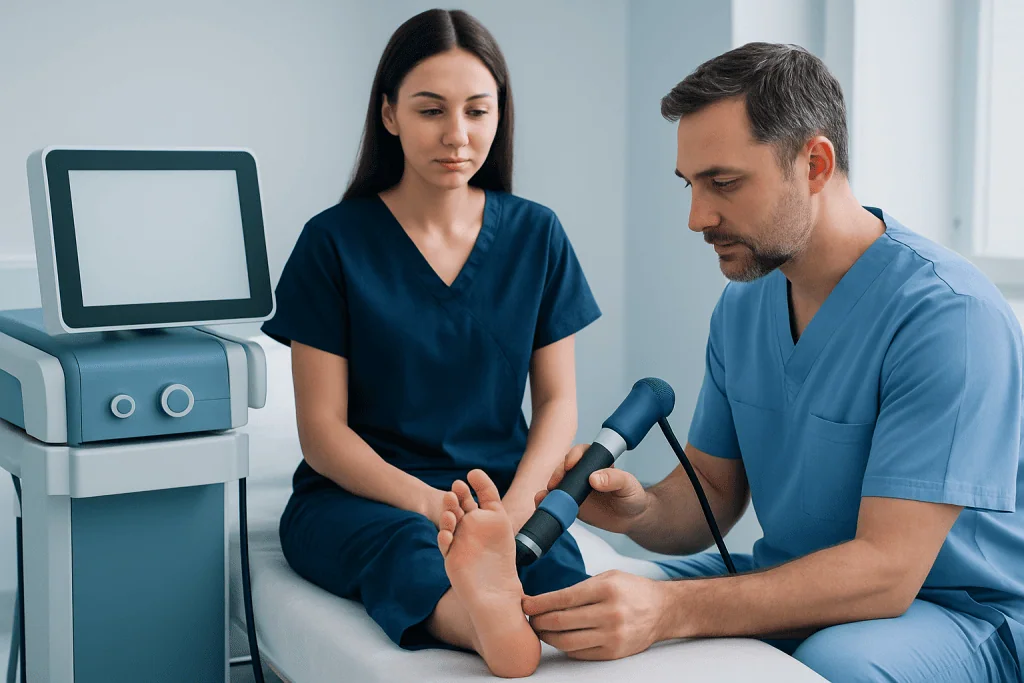
Foot aches are often linked to mechanical stress. Long periods of standing, a sudden increase in walking or running, hard training surfaces, and shoes that do not support the arch or fit well can all overload the foot. This can irritate the plantar fascia, tendons, or joints and may lead to soreness in the heel, arch, ball of the foot, or toes.
Injuries are another common trigger. A twist, fall, direct impact, or repeated strain can cause sprains, stress fractures, bruising, or tendon problems. Some injuries are obvious right away, while others start as a mild ache and gradually worsen over days or weeks. Pain that becomes sharper with weight-bearing deserves attention.
Medical conditions can also cause foot pain. These include osteoarthritis, inflammatory arthritis, nerve compression, peripheral neuropathy, poor circulation, and skin or nail problems. In some people, symptoms come from the lower back or ankle rather than the foot itself. Heel pain may sometimes relate to plantar fasciitis, while burning, tingling, or numbness may suggest a nerve-related issue.
- Overuse from walking, running, sports, or work demands
- Unsupportive, worn-out, tight, or high-heeled shoes
- Minor injuries, sprains, or stress fractures
- Flat feet, high arches, or changes in walking pattern
- Arthritis, diabetes-related nerve problems, or circulation disorders
Symptoms that help point to the cause
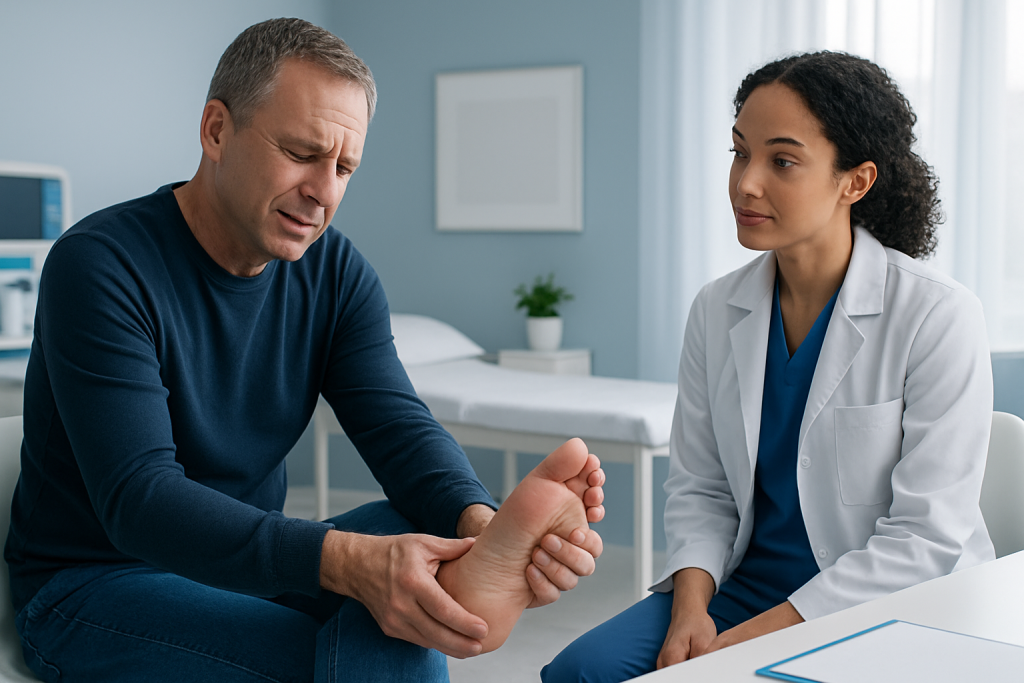
The pattern of symptoms often gives useful clues. Heel pain that is worst with the first steps in the morning can suggest plantar fascia irritation. Pain at the ball of the foot may be related to pressure overload or inflammation around the joints. Pain along the side of the foot after a twist may suggest a sprain or fracture. If the pain is burning, shooting, or associated with pins and needles, nerve involvement becomes more likely.
Swelling, warmth, redness, stiffness, or bruising can indicate inflammation or injury. A tender spot over a bone may raise concern for a fracture, especially after trauma or repetitive impact. Pain that improves with rest but returns every time activity resumes may reflect overuse or poor biomechanics rather than a one-time injury.
Some symptoms deserve extra caution. Numbness, weakness, an open wound, drainage, fever, or a cold or pale foot are not typical simple aches. These features can point to infection, nerve compromise, or reduced blood flow. In people with diabetes, even mild pain or a blister should be taken seriously because foot problems can progress without much warning.
How doctors diagnose persistent or severe foot pain
Diagnosis begins with a detailed history and physical examination. A doctor will usually ask where the pain is located, when it started, what makes it better or worse, and whether there was an injury, recent increase in activity, or a medical condition such as diabetes or arthritis. They may watch how the person walks and check for tenderness, swelling, joint motion, alignment, skin changes, and circulation.
Imaging is used when needed rather than for every case. X-rays can help identify fractures, arthritis, and some alignment problems. Ultrasound or MRI may be considered if a tendon, ligament, plantar fascia, or stress injury is suspected. If numbness or burning is present, nerve testing may sometimes be discussed.
Blood tests are not always necessary, but they may help when inflammatory arthritis, infection, or metabolic causes are suspected. If poor circulation is a concern, vascular assessment may be needed. The goal is to match treatment to the cause, which is especially important when symptoms have lasted more than a few weeks or are interfering with daily activities.
Foot ache treatment options: from self-care to specialist care
For mild foot aches without red flags, early treatment often focuses on reducing strain and settling inflammation. This may include resting from high-impact activity, using ice for short periods, elevating the foot if swollen, and choosing supportive shoes with enough room in the toe box. Some people benefit from cushioned insoles or arch support. Gentle stretching and a gradual return to activity can also help when overuse is the likely cause.
When pain is linked to a specific problem, treatment becomes more targeted. Tendon or plantar fascia irritation may respond to a structured stretching and strengthening program, physical therapy, or temporary orthotics. Sprains may need bracing, while fractures can require immobilization. If joint disease is suspected, clinicians may assess for rheumatoid arthritis or other inflammatory conditions that need medical management.
Persistent symptoms sometimes call for specialist input. An orthopedic, sports medicine, rehabilitation, or podiatric assessment may be helpful if pain limits walking or fails to improve. Depending on the cause, care may include physical therapy and rehabilitation, custom support devices, image-guided evaluation, or, less commonly, procedural treatment. If a structural problem or significant injury is found, an orthopedic team may discuss options through orthopedic surgery only when appropriate after conservative care has been considered.
Pain relief medicines may be used in some cases, but they do not replace diagnosis when symptoms are persistent. People with diabetes, kidney disease, stomach ulcers, blood-thinner use, or other medical conditions should ask a clinician before taking over-the-counter pain relievers regularly.
Prevention and self-care that can make a real difference
Many foot aches can be reduced by paying attention to load, footwear, and foot health. Shoes should fit well, support the activity being done, and be replaced when worn down. Increasing exercise gradually, especially walking and running, gives bones and soft tissues time to adapt. Stretching the calves and feet may help some people, particularly those with morning heel tightness.
Healthy habits matter as well. Maintaining a comfortable body weight can reduce strain on the feet. Good blood sugar control is important for people with diabetes because nerve and circulation problems can increase the risk of pain, wounds, and slow healing. Regular self-checks of the soles, toes, and nails can help spot blisters, cuts, or pressure areas early.
If a person has recurring pain, repeating the same self-care steps without changing the underlying trigger may not be enough. A professional assessment can identify gait issues, training errors, or medical conditions that keep the ache coming back. In rehabilitation settings, guided exercise and supportive strategies through sports rehabilitation may help people return to activity more safely and comfortably.
When to seek medical care
Medical care is advisable if foot pain is severe, follows a significant injury, or makes it hard to stand or walk. It is also important to seek assessment if symptoms last more than a few days without clear improvement, keep returning, or interfere with work, exercise, or sleep. Prompt evaluation helps prevent a minor issue from becoming more difficult to treat.
Urgent care is more appropriate if there is marked swelling, obvious deformity, a deep cut, spreading redness, fever, numbness, sudden weakness, or a foot that looks pale, blue, or unusually cold. People with diabetes, poor circulation, or reduced immune function should not delay care for new pain, skin breakdown, or signs of infection.
Near the end of the care pathway, some patients benefit from coordinated specialist evaluation. Acibadem International’s multidisciplinary specialists in JCI-accredited hospitals diagnose and treat foot pain causes for international patients, particularly when symptoms are persistent, complex, or linked to orthopedic, rehabilitation, or vascular concerns.
Frequently asked questions
What is the best foot ache treatment at home?
For mild foot aches, the best starting approach is usually rest, ice, reducing aggravating activity, and wearing supportive shoes. Elevation can help if there is minor swelling. If pain is severe, unexplained, or not improving, home care alone may not be enough.
How do I know if foot pain is serious?
Foot pain is more concerning if there is inability to bear weight, major swelling, deformity, fever, redness, numbness, or a wound. Pain that keeps returning or lasts more than a few weeks also deserves medical review. People with diabetes or circulation problems should be especially cautious.
Can shoes really cause foot aches?
Yes. Tight, unsupportive, worn-out, or activity-inappropriate shoes can increase stress on the heel, arch, forefoot, and toes. Better fit and support often help, but persistent pain should still be assessed in case there is another cause.
Should I walk on a sore foot or rest it completely?
That depends on the cause and severity. Mild overuse soreness may improve with lighter activity and temporary rest from impact exercise, while sharp pain or pain after injury may worsen if a person continues walking on it. If walking changes the way the person moves or causes limping, medical advice is sensible.
Can foot aches be related to diabetes?
Yes. Diabetes can contribute to nerve damage, reduced sensation, circulation problems, and slower healing, all of which can affect the feet. New pain, numbness, blisters, or skin changes in a person with diabetes should be checked promptly.
When is imaging needed for foot pain?
Imaging is often considered when there is trauma, persistent pain, focal bone tenderness, suspected fracture, or symptoms that do not improve as expected. X-rays are commonly used first, while ultrasound or MRI may help evaluate soft tissues or stress injuries. The decision depends on the examination findings and medical history.
References
- American Academy of Orthopaedic Surgeons
- American Podiatric Medical Association
- National Institute of Arthritis and Musculoskeletal and Skin Diseases
- National Health Service
- Centers for Disease Control and Prevention
This article is for general information only and is not a substitute for professional medical advice. Please consult a qualified doctor about your individual situation.
Explore treatments in Turkey — costs, top hospitals & a free quote
JCI-accredited · board-certified surgeons · reply within 24h
Add us as a Preferred Source to see more of our trusted health content across Google Search, AI Overviews and Discover.

More from the Health Library



Related Specialists

Prof. Dr. Volkan Noyan
Gynecology & Obstetrics
Dr. Ecem Sevim Akı
Otorhinolaryngology
Prof. Dr. Bülent Evren Erkul
Otorhinolaryngology
Embriyolog Özge Biçeroğlu
Vitro Fertilization and Reproductive Medicine Center