Free Therapy and Low-Cost Mental Health Care: What Options Exist

Affordable mental health support may be available through community clinics, public programs, nonprofits, and university training centers. Support groups, crisis lines, and digital self-help tools can complement therapy or provide help while someone is waiting for an appointment.
Key Takeaways
- Affordable mental health support may be available through community clinics, public programs, nonprofits, and university training centers.
- Support groups, crisis lines, and digital self-help tools can complement therapy or provide help while someone is waiting for an appointment.
- It is important to check a provider’s credentials, privacy policies, and approach before starting care.
- People with severe symptoms, thoughts of self-harm, or a mental health crisis should seek urgent professional help right away.
- Low-cost care does not mean low-quality care; many services are supervised, evidence-based, and provided by qualified professionals.
Free therapy and low-cost mental health care can be available through public services, nonprofit organizations, training clinics, digital programs, and support groups. Knowing where to look can help people find safe, appropriate support without delaying care because of cost.
Overview
Free therapy and low-cost mental health care refers to counseling, psychiatric support, crisis services, and emotional wellbeing resources that are offered at no cost or at reduced fees. These services can help people who are uninsured, underinsured, on a limited budget, or facing long wait times in private care. Options vary by country and region, but many communities offer some level of support through public health systems, schools, universities, charities, and nonprofit organizations.
Mental health care is not only for severe illness. People may seek support for anxiety, low mood, stress, grief, burnout, relationship concerns, trauma, sleep problems, or difficulty coping with life changes. Early support can make symptoms easier to manage and may help prevent them from becoming more disruptive.
Cost can be a major barrier, but it does not have to stop someone from reaching out. Affordable care may include individual therapy, group counseling, medication reviews, crisis intervention, peer support, or guided self-help. The right choice depends on the person’s symptoms, safety needs, preferences, and access to local services.
What Options Exist for Affordable Support?
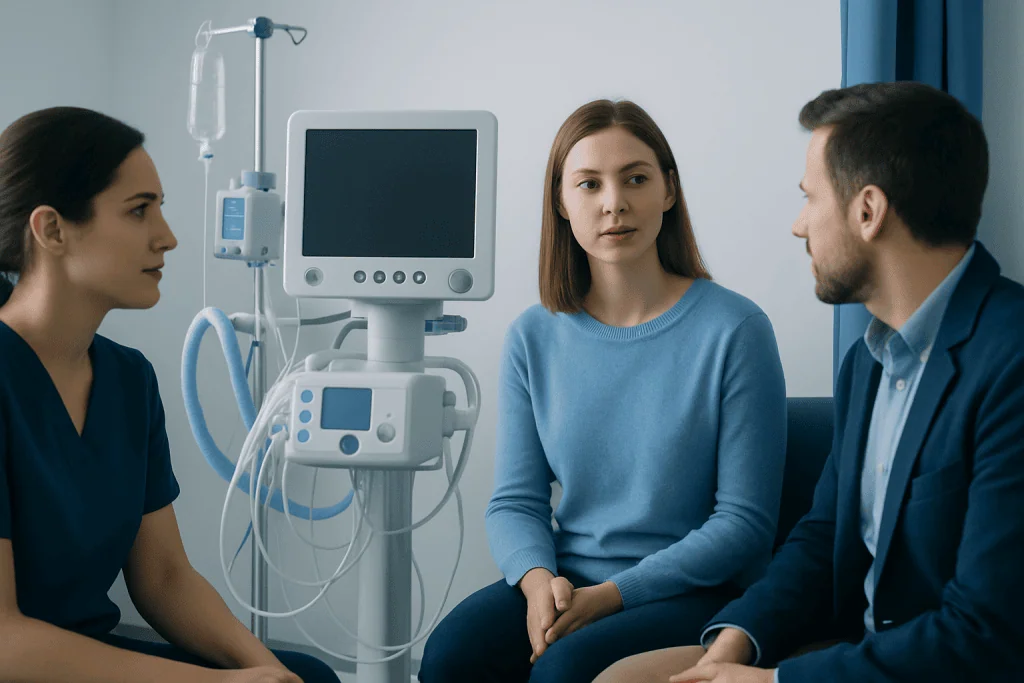
There is no single path to low-cost care. A person may need to combine more than one resource, such as a community clinic for counseling, a support group for connection, and a crisis line for urgent moments. Different services also meet different needs: some are designed for short-term problem-solving, while others support ongoing treatment.
Common options for free therapy and low-cost mental health care include:
- Public or government-funded mental health clinics
- Community health centers and nonprofit counseling services
- University or training clinics where supervised trainees provide therapy
- Sliding-scale private therapists who adjust fees based on income
- Employee assistance programs through workplaces
- School or campus counseling services
- Faith-based or culturally specific community organizations
- Peer support groups, group therapy, and recovery programs
- Crisis hotlines, text lines, and emergency mental health services
- Evidence-based online programs and mental health apps
In some cases, primary care doctors can also provide an important first step. They may screen for common conditions such as depression or anxiety, discuss treatment options, and refer the person to local resources. This can be especially helpful when a person is unsure whether symptoms are related to mental health, physical health, or both.
Who May Benefit and What Services Are Usually Covered?

Affordable mental health services may help adults, teenagers, university students, older adults, caregivers, and families. They can also be useful for people in transition, such as those moving to a new country, changing jobs, becoming parents, or recovering from illness. Some programs are general, while others are tailored to specific groups, including veterans, refugees, survivors of trauma, LGBTQ+ individuals, or people living with chronic disease.
Services may include assessment, short-term psychotherapy, group counseling, family sessions, medication consultation, and referral for specialist care. Some clinics focus on brief therapy for common concerns, while others support longer-term treatment for more complex needs. If medication is being considered, a psychiatrist or another licensed prescribing clinician may need to be involved.
Not every free or low-cost service offers the same level of care. For example, peer support groups can provide understanding and connection, but they do not replace evaluation by a qualified clinician when symptoms are severe, persistent, or causing safety concerns. In addition, digital tools may support coping skills, but they are best used alongside professional guidance when symptoms are intense.
People who may need more comprehensive care include those with psychosis, severe depression, substance use concerns, eating disorders, trauma-related symptoms, or significant functional decline. These situations often benefit from structured assessment and, when needed, coordinated care such as psychiatric evaluation and treatment or psychotherapy.
How to Find Free Therapy and Low-Cost Mental Health Care
Finding affordable care often starts with local information. A primary care clinic, community health center, school counselor, university health office, insurer, or social worker may know which services accept low-income patients or offer reduced fees. Public health departments and nonprofit organizations may also keep directories of mental health resources in the area.
When contacting a clinic or therapist, it can help to ask a few practical questions. These might include whether they offer sliding-scale fees, if sessions are individual or group-based, how long the waiting list is, whether telehealth is available, and what credentials the provider holds. It can also be useful to ask if they have experience with a specific issue, such as grief, panic symptoms, trauma, or child and adolescent mental health.
University training clinics are another valuable option. In these settings, graduate students or trainees provide therapy under close supervision by licensed professionals. This can make care more affordable while still maintaining clinical oversight and a structured treatment approach.
If local services are limited, some people benefit from online counseling platforms, digital cognitive behavioral therapy programs, or nonprofit tele-mental health services. Before using any online service, it is wise to review privacy policies, emergency procedures, and provider licensing. If symptoms include significant distress, sleep disruption, or reduced daily functioning, a formal psychological counseling service may be more appropriate than self-guided tools alone.
How to Judge Quality and Safety
Low-cost care should still be safe, respectful, and appropriate. A trustworthy service should be clear about who is providing care, what their qualifications are, how privacy is protected, and what happens if the person experiences a crisis. Therapists may be psychiatrists, psychologists, counselors, social workers, psychiatric nurses, or supervised trainees, depending on local regulations.
It is reasonable to ask whether the provider uses evidence-based approaches. These may include cognitive behavioral therapy, interpersonal therapy, supportive therapy, trauma-informed care, family therapy, or other recognized methods. A good provider should also explain the limits of the service, such as whether they can prescribe medication, offer emergency support, or provide long-term follow-up.
Some warning signs deserve caution. These include pressure to purchase unrelated products, lack of clarity about credentials, dismissive behavior, unrealistic promises, or poor confidentiality practices. A person should feel able to ask questions and to look for a different service if a program does not feel appropriate or safe.
For people with more complex symptoms, coordinated care may be needed. This can include mental health assessment, medical review, and tailored treatment planning. Near the end of this process, some may also seek specialist support at centers such as Acibadem International, where multidisciplinary specialists at JCI-accredited hospitals diagnose and treat mental health conditions for international patients.
Self-Care, Support Groups, and Digital Tools
Self-care cannot replace treatment when symptoms are severe, but it can support recovery and day-to-day resilience. Helpful habits may include regular sleep, movement, balanced meals, time outdoors, reducing alcohol or drug use, staying socially connected, and keeping a simple daily routine. Small, consistent steps are often more realistic than trying to change everything at once.
Support groups can also be meaningful, especially for grief, addiction recovery, caregiver stress, chronic illness, or shared life experiences. These groups may be led by peers or professionals. They can reduce isolation, offer practical coping ideas, and help people feel understood, though they are not a substitute for urgent clinical care when safety is a concern.
Evidence-based digital tools may help with relaxation, mood tracking, meditation, thought-challenging exercises, or guided self-help. Some programs are based on cognitive behavioral therapy principles and can be useful while a person is waiting for appointments. The most reliable tools explain who created the content, what evidence supports it, and how personal data is handled.
Journaling, breathing exercises, grounding techniques, and limiting constant exposure to distressing news can also help manage stress. If symptoms continue to worsen despite self-help efforts, professional assessment is important. Persistent sadness, panic, loss of interest, severe worry, or hopelessness should not be ignored.
When to Seek Professional or Urgent Help
Some mental health situations should not wait for a low-cost appointment. A person should seek urgent help if they have thoughts of self-harm or suicide, feel unable to stay safe, are hearing or seeing things others do not, are extremely confused, or are unable to care for themselves. In these situations, immediate support from emergency services, a crisis line, or a local emergency department is important.
Professional care is also recommended when symptoms last for more than a few weeks, interfere with work or school, strain relationships, disturb sleep, or lead to substance misuse. Even if symptoms seem mild, support can still be helpful if emotional distress is making everyday life harder. Early treatment often gives people more options and can reduce suffering.
Families and friends can play a supportive role by listening without judgment, helping the person look for services, and encouraging them to keep appointments. They should avoid taking sole responsibility for someone in crisis and instead involve trained professionals when safety is in doubt.
If a person is unsure where to start, a family doctor or local mental health helpline can guide next steps. For some, treatment may eventually include structured counseling, medication review, or combined care such as cognitive behavioral therapy. The key message is that help exists, and cost barriers do not mean someone has to cope alone.
Frequently asked questions
Can free therapy be effective?
Yes. Free or low-cost therapy can be effective when it is provided by qualified professionals or supervised trainees using evidence-based methods. Quality depends more on the appropriateness of the care and the provider’s training than on the price alone.
What is a sliding-scale therapist?
A sliding-scale therapist adjusts fees based on a person’s income or financial situation. This can make private therapy more affordable for people who do not have adequate insurance coverage or cannot pay standard rates.
Are online mental health services a good option?
They can be helpful, especially for mild to moderate symptoms, transportation barriers, or long local waiting lists. It is important to choose services with clear privacy protections, licensed providers, and a plan for emergencies.
Do support groups replace therapy?
Usually not. Support groups can provide connection, shared experience, and coping tips, but they do not replace individualized assessment and treatment when symptoms are severe, persistent, or affecting safety.
What should someone do if they cannot afford medication or psychiatric care?
They can ask a primary care doctor, community clinic, or public mental health service about reduced-cost evaluations and prescription assistance options available in their area. Some nonprofit and government programs may also help with access to treatment.
When is urgent mental health help needed?
Urgent help is needed if someone has suicidal thoughts, plans to harm themselves or others, severe confusion, psychotic symptoms, or cannot keep themselves safe. In these situations, contacting emergency services, a crisis line, or going to the nearest emergency department is the safest step.
References
- World Health Organization
- National Institute of Mental Health
- Substance Abuse and Mental Health Services Administration
- American Psychiatric Association
- National Health Service
This article is for general information only and is not a substitute for professional medical advice. Please consult a qualified doctor about your individual situation.
Explore treatments in Turkey — costs, top hospitals & a free quote
JCI-accredited · board-certified surgeons · reply within 24h
Add us as a Preferred Source to see more of our trusted health content across Google Search, AI Overviews and Discover.