Frequent Headaches in Children: Causes, Warning Signs, and Evaluation
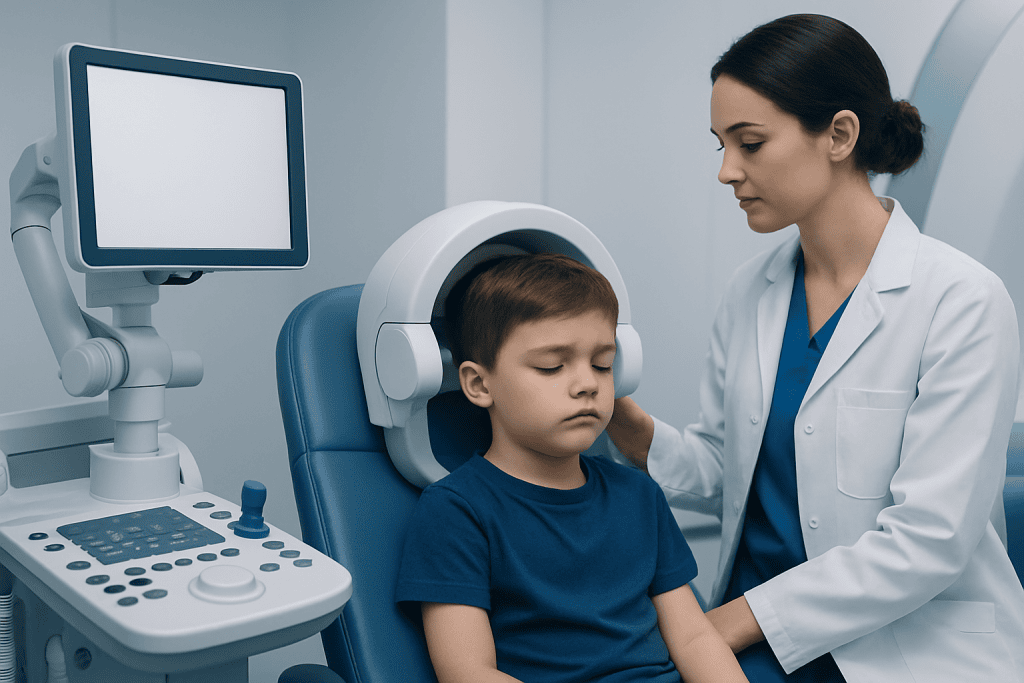
Most frequent headaches in children are due to primary headache disorders such as migraine or tension-type headache. A headache pattern, associated symptoms, and the child’s age help guide evaluation and treatment.
Key Takeaways
- Most frequent headaches in children are due to primary headache disorders such as migraine or tension-type headache.
- A headache pattern, associated symptoms, and the child’s age help guide evaluation and treatment.
- Red-flag symptoms such as severe sudden pain, neurologic changes, fever with neck stiffness, or headaches that wake a child from sleep need prompt medical attention.
- Hydration, regular sleep, balanced meals, stress management, and limiting pain medicines can help reduce headache frequency.
- Diagnosis is usually based on history and examination; brain imaging is not needed for every child.
Frequent headaches in children are common and are often linked to migraine, tension-type headaches, illness, dehydration, poor sleep, or stress. Most are not caused by a serious condition, but certain warning signs mean a child should be evaluated promptly.
Overview
Frequent headaches in children can be upsetting for both the child and family, especially when they begin to interfere with school, sleep, sports, or daily activities. Headaches are common in childhood and adolescence, and in many cases they are related to primary headache disorders such as migraine or tension-type headache rather than a dangerous underlying disease.
Children may describe headache pain differently from adults. Some say their head “hurts,” “pounds,” or feels “tight,” while younger children may simply become quiet, irritable, tired, or want to lie down in a dark room. A child’s age, ability to describe symptoms, and headache pattern all matter when deciding what type of headache may be present.
Doctors usually divide headaches into primary and secondary types. Primary headaches are conditions in themselves, such as migraine or tension-type headache. Secondary headaches happen because of another issue, such as a viral illness, sinus symptoms, a head injury, medication overuse, or less commonly a neurologic problem. Understanding this difference helps guide the next steps in care.
Symptoms and Common Headache Patterns
The way a headache feels and what happens along with it can offer important clues. Migraine in children often causes throbbing or pounding pain, may affect one or both sides of the head, and can be accompanied by nausea, vomiting, sensitivity to light, sensitivity to sound, or a desire to rest. Some children also have abdominal symptoms or dizziness. A few may experience an aura, such as visual changes, tingling, or speech difficulty before the headache begins.
Tension-type headaches are more likely to cause a dull, pressing, or tightening sensation. Children may describe a band-like pressure across the forehead or around the head. These headaches are often milder than migraine, may build gradually, and usually do not cause vomiting. They can be linked to stress, poor posture, long screen time, or muscle tension in the neck and shoulders.
Parents may notice patterns related to time of day, school days, sleep habits, meals, hydration, exercise, or emotional stress. Keeping a headache diary can be very helpful. It may include when the headache starts, how long it lasts, possible triggers, where the pain is located, any associated symptoms, and what seems to help.
- Common associated symptoms: nausea, light sensitivity, sound sensitivity, dizziness, fatigue, irritability
- Possible triggers: missed meals, dehydration, poor sleep, stress, illness, excessive screen exposure
- Patterns worth noting: morning headaches, headaches during exercise, headaches around menstruation in adolescents, or increasing frequency over time
Causes and Risk Factors
The most common causes of recurrent headaches in children are primary headache disorders. Migraine often runs in families and may begin in childhood. Tension-type headaches are also common and may be linked to emotional stress, anxiety, muscle tension, or long periods of concentration. In some children, the headache pattern can overlap, and features of both types may appear at different times.
Headaches may also occur as part of another condition. Fever, viral infections, sinus or ear symptoms, allergies, dental problems, vision strain, concussion, and some medications can all contribute. In adolescents, caffeine use, energy drinks, poor sleep schedules, and skipped meals are frequent contributors. Regular use of pain medicines can itself lead to medication-overuse headache, where headaches become more frequent over time.
Less often, headaches may point to a more serious cause such as increased pressure inside the skull, inflammation of the brain or its coverings, or another neurologic condition. These causes are uncommon, but doctors stay alert for warning signs. If headache is associated with repeated vomiting, weakness, seizures, confusion, changes in personality, or problems with balance or vision, a careful evaluation is especially important. Some children with frequent headaches may ultimately be assessed by specialists in migraine or related neurologic conditions when symptoms fit that pattern.
Warning Signs That Need Prompt Medical Attention
Although most headaches in children are not dangerous, certain symptoms should never be ignored. A severe headache that starts very suddenly, often described as the “worst headache,” needs urgent medical assessment. The same is true for a headache after a significant head injury, or a headache that occurs with fainting, seizure, confusion, severe sleepiness, or difficulty speaking.
Parents should also seek prompt care if a child has headache with fever and neck stiffness, persistent vomiting, weakness on one side of the body, trouble walking, vision loss, a new squint, or marked behavior change. Headaches that consistently wake a child from sleep, are worse first thing in the morning, or become steadily more frequent and severe should be evaluated. In very young children, a major change in activity, feeding, or consolability can also be important.
Children with chronic medical conditions, weakened immunity, recent cancer treatment, or a known shunt or neurologic disorder may need earlier evaluation if headaches change suddenly. It is also sensible to ask for medical advice if headache is causing repeated school absences, poor concentration, or reduced participation in normal activities even without emergency symptoms.
How Doctors Evaluate Frequent Headaches in Children
Evaluation begins with a detailed history. The doctor will ask when the headaches started, how often they happen, how long they last, where the pain is felt, what the pain feels like, and what symptoms come with it. Questions about sleep, hydration, meals, stress, recent illness, head injury, menstrual cycles in adolescents, and family history of migraine are often part of the discussion.
A physical and neurologic examination is an essential next step. The doctor may check blood pressure, temperature, growth, vision, eye movements, balance, strength, reflexes, coordination, and neck movement. In some cases, an eye exam is helpful, especially if there are visual symptoms or concern about increased pressure inside the skull. When sinus disease, dental issues, or eye strain may be contributing, those areas may also need assessment.
Brain imaging is not necessary for every child with headaches. It is usually reserved for children with red-flag symptoms, abnormal examination findings, a concerning pattern, or headaches that do not fit a typical primary headache disorder. Depending on the situation, doctors may use blood tests or other studies to look for infection, inflammation, or other medical causes. Some children benefit from referral to a pediatric neurologist for a more specialized assessment, and advanced evaluation may include MRI scanning when clinically indicated.
Treatment Options
Treatment depends on the cause, the headache type, and how much headaches affect daily life. For many children, the first steps involve identifying triggers and supporting healthy routines. Rest in a quiet, dark room, drinking fluids, and using simple pain relief recommended by a doctor may help during an episode. However, pain medicines should not be used too often, because frequent use can make headaches harder to control.
Children with migraine may benefit from a headache plan that includes rescue treatment for attacks and preventive strategies if headaches are frequent or disabling. Preventive treatment can include lifestyle measures, behavioral strategies, and in some cases prescription medicine chosen by a physician. If stress, anxiety, or mood symptoms contribute, support from a mental health professional may also help reduce headache burden.
When headaches are related to another condition, that cause is treated directly. For example, management may focus on infection, sleep disturbance, dehydration, or recovery after head injury. In selected children with ongoing or complex symptoms, doctors may recommend neurology evaluation or other specialist care. If headaches are linked to structural concerns or more complex neurologic findings, further assessment may be guided through services such as pediatric neurology care, depending on the child’s needs.
Prevention and Self-care at Home
Simple daily habits can make a meaningful difference. Children who are prone to headaches often do better with regular sleep, regular meals, good hydration, and consistent physical activity. Skipping breakfast, staying up late, or not drinking enough water can trigger headaches in some children, particularly in busy school weeks or during sports.
Screen habits also matter. Long stretches of device use, poor posture, and inadequate breaks may contribute to headache and neck tension. Families can encourage short movement breaks, good lighting, and reduced screen exposure close to bedtime. A calm bedtime routine and age-appropriate sleep duration can also help lower headache frequency.
A headache diary is one of the best home tools. It can help families and doctors spot patterns and see whether treatment is working. Relaxation techniques, breathing exercises, stretching, and stress-reduction skills may also help older children and teenagers. Near the end of the care pathway, families seeking coordinated assessment may value centers such as Acibadem International, where multidisciplinary specialists in JCI-accredited hospitals evaluate and treat children with recurrent headaches for international patients.
When to See a Doctor
A child should see a doctor if headaches are happening often, are becoming more severe, or are interfering with school attendance, concentration, sleep, appetite, or play. Medical review is also appropriate if parents are unsure whether the headaches are migraine, if over-the-counter pain relief is needed repeatedly, or if the child is too young to clearly describe symptoms.
Children should be seen promptly for any red-flag features such as sudden severe pain, headache after significant trauma, fever with neck stiffness, repeated vomiting, weakness, vision changes, seizure, or confusion. Even when headaches do not appear urgent, an evaluation can reassure families, identify avoidable triggers, and guide treatment that helps the child return to normal routines.
Early evaluation can also prevent unnecessary suffering. Frequent headaches in children are often manageable, especially when the pattern is recognized and support starts early. A qualified healthcare professional can decide whether simple lifestyle measures are enough or whether further testing or specialist referral is needed.
Frequently asked questions
Are frequent headaches in children usually serious?
Most frequent headaches in children are not caused by a serious illness. Common causes include migraine, tension-type headaches, dehydration, viral illness, poor sleep, and stress. Still, a doctor should assess headaches that are new, worsening, or associated with warning signs.
How can parents tell if a child may have migraine?
Migraine in children often causes moderate to severe headache with nausea, vomiting, sensitivity to light or sound, or a strong need to rest. Some children become pale, irritable, or quiet instead of clearly describing pain. A family history of migraine can also be a clue.
When does a child with headache need urgent medical care?
Urgent care is needed for a sudden severe headache, headache after a major head injury, or headache with weakness, seizure, confusion, persistent vomiting, fever with neck stiffness, or vision changes. These features can suggest a condition that needs prompt evaluation. If a parent is unsure, it is safest to seek medical advice quickly.
Will every child with frequent headaches need a brain scan?
No. Many children with a typical history and a normal physical and neurologic exam do not need imaging. Scans are usually considered when there are red flags, abnormal exam findings, or a headache pattern that does not fit a common primary headache disorder.
What can help reduce headache frequency at home?
Regular sleep, steady meal times, good hydration, physical activity, and limiting excessive screen time can all help. A headache diary is useful for identifying patterns and triggers. It is also important to avoid overusing pain medicines unless directed by a doctor.
Can stress and school pressure cause headaches in children?
Yes. Emotional stress, anxiety, muscle tension, irregular routines, and long periods of concentration can contribute to headache, especially tension-type headaches. Supporting healthy routines and discussing school-related stress can be an important part of treatment.
References
- American Academy of Pediatrics
- American Academy of Neurology
- National Institute of Neurological Disorders and Stroke
- National Health Service
- International Headache Society
This article is for general information only and is not a substitute for professional medical advice. Please consult a qualified doctor about your individual situation.
Explore treatments in Turkey — costs, top hospitals & a free quote
JCI-accredited · board-certified surgeons · reply within 24h
Add us as a Preferred Source to see more of our trusted health content across Google Search, AI Overviews and Discover.

More from the Health Library


Related Specialists

Dr. Lala Aslanova
Gynecology & Obstetrics
Asst. Prof. Dr. Zeynep Güral
Radiation Oncology
Assoc. Prof. Dr. Önder Doksöz
Pediatric Cardiology
Dr. Sezgi Güllü Erciyestepe
Gynecology & Obstetrics