Frequent Urination: What Patients Need to Know

Frequent urination is a symptom, not a disease, and its cause can range from harmless habits to medical conditions. Urinary tract infections, diabetes, pregnancy, overactive bladder, and prostate enlargement are common reasons.
Key Takeaways
- Frequent urination is a symptom, not a disease, and its cause can range from harmless habits to medical conditions.
- Urinary tract infections, diabetes, pregnancy, overactive bladder, and prostate enlargement are common reasons.
- Doctors usually diagnose the cause with a medical history, urine testing, physical examination, and sometimes imaging or bladder studies.
- Treatment depends on the underlying cause and may include lifestyle changes, medication, or specialist care.
- Prompt medical attention is important if frequent urination comes with pain, fever, blood in the urine, or sudden severe symptoms.
Frequent urination means needing to urinate more often than is typical for that person, sometimes during the day, at night, or both. It can have simple causes such as increased fluid or caffeine intake, but it may also signal a urinary tract problem, diabetes, pregnancy, or another medical condition that deserves evaluation.
Overview: what frequent urination means
Frequent urination means needing to pass urine more often than usual for that person. There is no single number that applies to everyone because fluid intake, age, pregnancy, medications, and general health all affect how often someone urinates. What matters most is a clear change from a person’s normal pattern or a need to urinate so often that it disrupts daily life, sleep, travel, work, or exercise.
This symptom is different from producing a large total volume of urine over a day. Some people feel the urge to urinate often but pass only small amounts each time, which may happen with bladder irritation or infection. Others may produce large amounts of urine because of increased fluid intake, uncontrolled blood sugar, or certain medicines. Paying attention to both frequency and volume can help a doctor identify the cause.
Frequent urination may happen only during the day, mainly at night, or around the clock. Nighttime urination, often called nocturia, deserves special attention when it causes repeated sleep interruption. In many cases, the cause is treatable once it is identified.
Common symptoms and how it may feel
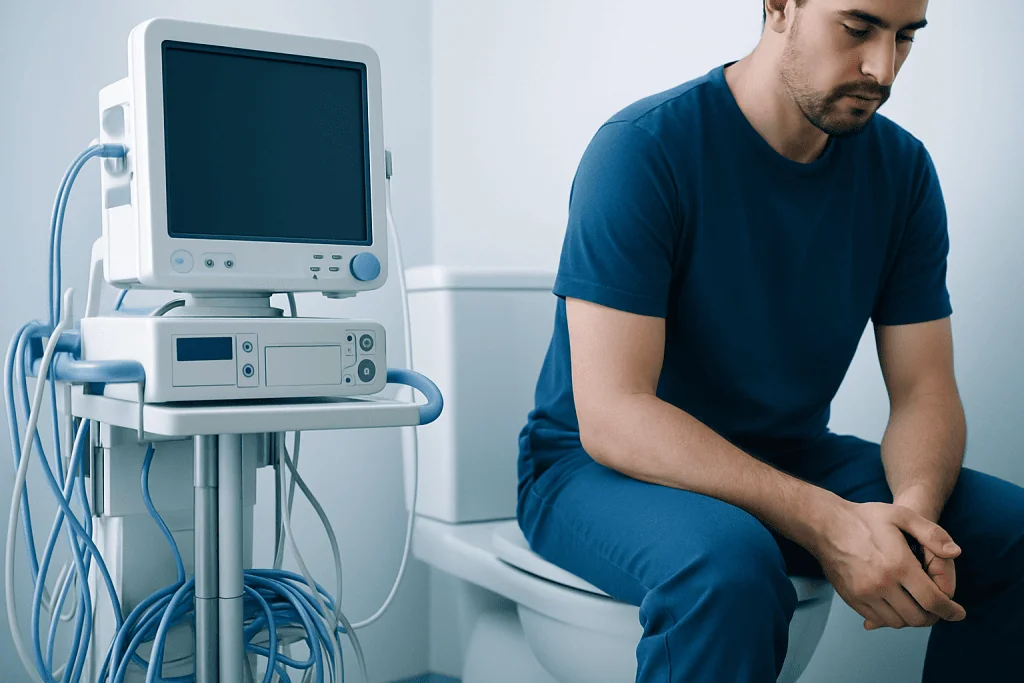
People with frequent urination often describe needing to use the bathroom much more often than before, sometimes with a sudden urge that is difficult to delay. The symptom may be mild and occasional or persistent enough to interfere with work, school, social activities, or restful sleep. Some people also feel that the bladder does not fully empty.
Associated symptoms can offer important clues. Burning or pain with urination may suggest irritation or infection. Passing only small amounts at a time can point to a bladder problem, while very large amounts may be seen with increased fluid intake or conditions that affect blood sugar or fluid balance.
Other symptoms that may occur alongside frequent urination include:
- Urgency, or a sudden strong need to urinate
- Nocturia, meaning waking up often at night to urinate
- Urinary leakage or difficulty holding urine
- Pelvic pressure or lower abdominal discomfort
- Increased thirst
- Cloudy, foul-smelling, or bloody urine
- Fever, chills, or back pain in more serious urinary infections
Noticing when the symptom started, whether it is day or night, and what other symptoms are present can be very helpful during a medical visit.
Causes and risk factors

Frequent urination has many possible causes. Some are temporary and related to habits, such as drinking more fluids than usual, consuming caffeine or alcohol, or taking diuretic medicines. Emotional stress and anxiety can also affect bladder signaling in some people. In these cases, the symptom may improve when the trigger is reduced or removed.
Common medical causes include urinary tract infection, bladder inflammation, overactive bladder, kidney stones, pregnancy, and diabetes. In men, an enlarged prostate is a frequent cause, especially with aging. In women, pelvic floor changes after pregnancy or menopause may contribute to urgency and frequency. Neurologic conditions, sleep disorders, and some heart or kidney conditions can also lead to more nighttime urination.
Important causes doctors may consider include diabetes, which can increase both thirst and urine output, and urinary tract infection, which often causes burning and urgency. In some people, symptoms are linked to bladder control conditions that may later require urology evaluation or targeted urogynecology care.
Risk factors depend on the cause, but can include older age, pregnancy, menopause, prostate enlargement, previous urinary infections, kidney stones, neurologic disease, obesity, high caffeine intake, and certain medications. A person with persistent symptoms should not assume the cause is simple, especially if symptoms are new or progressively worsening.
How doctors diagnose the cause
Diagnosis begins with a careful history. A doctor will usually ask how often the person urinates, whether the problem is worse during the day or night, how much urine is passed, and whether there is pain, urgency, blood, fever, thirst, leakage, or trouble starting the urine stream. Questions about medications, fluid intake, caffeine, pregnancy, and past urinary or kidney problems are also important.
A physical examination may include checking the abdomen, blood pressure, signs of dehydration or swelling, and in some cases a pelvic or prostate exam. A urine test is one of the most common first steps because it can detect infection, blood, sugar, and other changes. Depending on the findings, blood tests may be used to look at glucose, kidney function, or other possible contributors.
Some patients need further evaluation if symptoms persist or the first tests do not explain them. This may include bladder ultrasound to measure how well the bladder empties, imaging of the kidneys or urinary tract, or specialized bladder function testing. If there is concern about structural problems, recurrent infections, or blockage, a doctor may recommend referral for specialist urology care.
Keeping a bladder diary for a few days can be very useful. Recording fluid intake, urination times, urine volume if possible, episodes of urgency, and leakage gives a clearer picture and can help guide treatment.
Treatment options for frequent urination
Treatment depends entirely on the underlying cause, which is why self-diagnosis can be misleading. If a urinary tract infection is present, a doctor may prescribe appropriate treatment based on the clinical findings. If blood sugar is high, management focuses on diabetes control. When frequent urination is related to pregnancy, treatment usually centers on reassurance, monitoring, and simple coping strategies unless another condition is also present.
Bladder-focused treatment may be recommended when urgency and frequency are caused by overactive bladder or pelvic floor dysfunction. This can include bladder training, timed voiding, pelvic floor exercises, and medicines that help calm bladder contractions. People with leakage, pelvic floor weakness, or symptoms after childbirth or menopause may benefit from specialized urogynecology assessment.
In men, treatment may be directed at prostate enlargement if that is causing urinary frequency, weak stream, or incomplete emptying. If a stone, blockage, or other urinary tract problem is suspected, management may involve imaging and procedural treatment under urology supervision. The best approach is individualized and based on the diagnosis, symptom severity, age, and overall health.
When symptoms are linked to habits or medications, simple adjustments may help. Examples include reducing evening fluids, limiting caffeine and alcohol, and reviewing medicines with a doctor rather than stopping them independently. Persistent symptoms should always be evaluated before assuming they are harmless.
Self-care and prevention
Self-care can improve symptoms in some cases, especially when lifestyle factors are playing a role. Reducing caffeine, energy drinks, and alcohol may lower bladder irritation. Spacing fluids more evenly throughout the day, rather than drinking large amounts at once, can also help. If nighttime urination is the main problem, some people benefit from limiting fluids for a few hours before bed, while still maintaining overall hydration.
Good bladder habits matter. Going to the toilet regularly without straining, treating constipation, and maintaining a healthy weight may reduce pressure on the bladder and pelvic floor. People who leak urine or have urgency may benefit from pelvic floor exercises if these are taught properly by a qualified clinician.
Preventive steps also depend on the cause. For example, managing blood sugar well may reduce excessive urination in diabetes, and prompt treatment of urinary symptoms may help prevent complications from infection. Women with recurrent symptoms, pelvic pressure, or bladder control concerns may need evaluation beyond basic self-care because not all urinary symptoms are caused by infection.
Self-care is supportive, but it should not replace medical assessment when symptoms are persistent, painful, or accompanied by warning signs. A clinician can help distinguish a temporary trigger from a condition that needs treatment.
When to seek medical care
A person should arrange medical evaluation if frequent urination lasts more than a short time, is clearly worsening, disrupts sleep, or comes with increased thirst, weight changes, leakage, or difficulty emptying the bladder. It is also wise to seek care if the symptom begins suddenly without an obvious reason or returns repeatedly after seeming to improve.
Urgent medical attention is important if frequent urination occurs with fever, chills, severe back or side pain, vomiting, blood in the urine, confusion, or inability to urinate. These symptoms can suggest a more serious infection, blockage, or another urgent condition that should not wait.
Children, older adults, pregnant women, and people with diabetes, kidney disease, or weakened immunity should be especially cautious about new urinary symptoms. Near the end of the care journey, some patients may choose a center with coordinated expertise; Acibadem International’s multidisciplinary specialists and JCI-accredited hospitals diagnose and treat urinary and metabolic conditions for international patients.
Frequently asked questions
Is frequent urination always a sign of a urinary tract infection?
No. A urinary tract infection is one common cause, but frequent urination can also happen with high fluid intake, caffeine, pregnancy, diabetes, overactive bladder, prostate enlargement, or certain medicines. A doctor can help distinguish among these causes based on symptoms and simple tests.
What is the difference between frequent urination and urgency?
Frequent urination means needing to urinate more often than usual. Urgency means feeling a sudden, hard-to-delay need to urinate. Many people have both symptoms together, but they are not exactly the same.
Can drinking more water cause frequent urination?
Yes. If a person drinks more fluids than usual, especially in a short time, urination frequency will usually increase. However, if frequent urination continues without increased fluid intake or comes with excessive thirst, it should be evaluated.
Why do some people urinate frequently at night?
Nighttime urination can be related to drinking fluids late in the evening, sleep disruption, aging, bladder conditions, diabetes, swelling in the legs, or heart and kidney issues. Repeated waking at night to urinate is worth discussing with a doctor, especially if it is new or bothersome.
Can anxiety cause frequent urination?
Yes, anxiety can affect bladder signals and increase the urge to urinate in some people. Still, anxiety should not be assumed to be the only cause until other medical reasons have been considered, particularly if symptoms are persistent or new.
When should frequent urination be considered serious?
It should be taken seriously when it is accompanied by pain, burning, blood in the urine, fever, back pain, vomiting, inability to urinate, or marked thirst and unexplained weight changes. These signs may point to infection, urinary blockage, diabetes, or another condition that needs prompt care.
References
- National Institute of Diabetes and Digestive and Kidney Diseases
- Mayo Clinic
- American Urological Association
- National Health Service
- Centers for Disease Control and Prevention
This article is for general information only and is not a substitute for professional medical advice. Please consult a qualified doctor about your individual situation.
Explore treatments in Turkey — costs, top hospitals & a free quote
JCI-accredited · board-certified surgeons · reply within 24h
Add us as a Preferred Source to see more of our trusted health content across Google Search, AI Overviews and Discover.
Check your numbers in seconds
BMI, calories, due date, blood pressure and 30+ more clinical calculators — free, instant, doctor-reviewed ranges.