Freudian Slip — Explained by Medical Evidence, Not Myths

A freudian slip is commonly understood as an unintended word or action, also called parapraxis. Most slips are explained by normal brain processes involved in language, attention, memory, and self-monitoring.
Key Takeaways
- A freudian slip is commonly understood as an unintended word or action, also called parapraxis.
- Most slips are explained by normal brain processes involved in language, attention, memory, and self-monitoring.
- Stress, tiredness, distraction, multitasking, and emotional arousal can make slips more likely.
- An occasional slip is usually harmless and does not diagnose a mental health or neurological disorder.
- Medical evaluation may be helpful if speech changes are new, persistent, worsening, or happen with other neurological symptoms.
A freudian slip is usually an everyday mistake in speech, writing, or action rather than clear evidence of a hidden desire. Medical and psychological research more often links these slips to normal language processing, attention lapses, stress, fatigue, and context.
Overview: what a freudian slip really means
A freudian slip is an unintended mistake in speaking, writing, reading, or doing something. In everyday conversation, people often use the term to suggest that a hidden thought has accidentally come out. However, medical and psychological evidence supports a more practical explanation: most of these slips are normal errors produced by the brain’s complex systems for language, attention, memory, and self-control.
The term comes from Sigmund Freud, who proposed that some mistakes reveal unconscious wishes or conflicts. That idea remains culturally influential, but modern research does not support treating every slip as a window into a person’s secret motives. In many cases, a slip happens because similar sounds compete with one another, the speaker is distracted, or the brain briefly selects the wrong word before self-correcting.
In other words, a freudian slip is usually best understood as a common speech error, also called parapraxis, rather than a diagnostic sign. Most healthy people have them from time to time. The key question is not whether a single slip “means something hidden,” but whether there are repeated or broader changes in speech, memory, mood, or behavior that deserve professional attention.
How slips happen in the brain
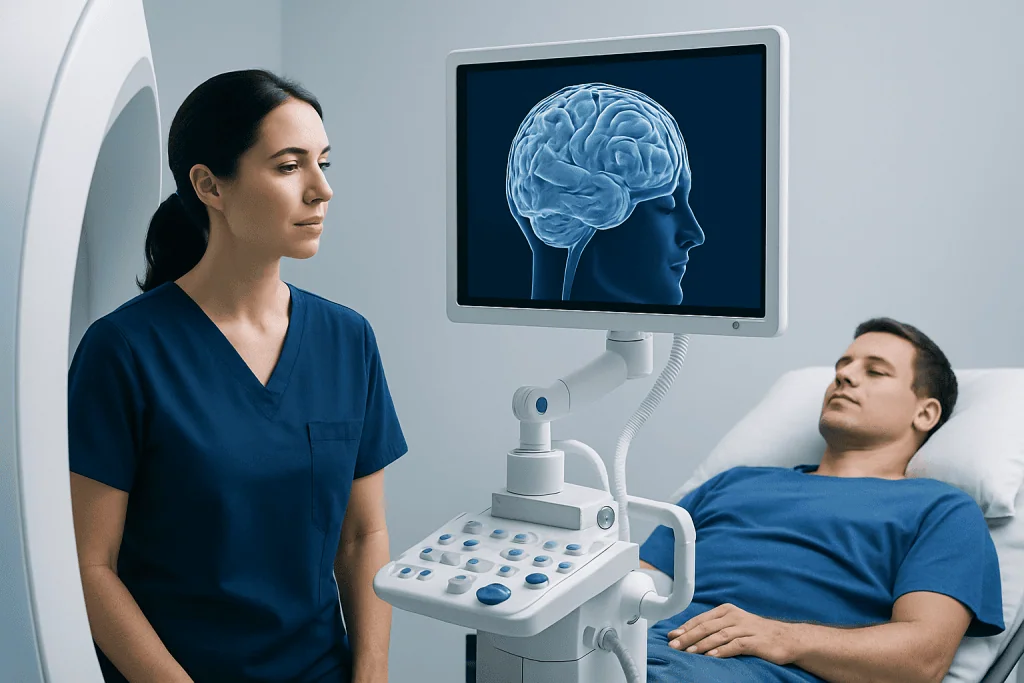
Producing speech may feel effortless, but it involves several fast, coordinated steps. The brain must choose an idea, find the right word, organize sounds in the correct order, and monitor the final output. Because this process happens quickly, occasional mix-ups are expected. A person may blend two similar words, substitute a related word, reverse sounds, or say a word that was activated by the surrounding situation.
Researchers in psycholinguistics describe these slips as normal byproducts of language production. Words that sound alike, share meaning, or are emotionally important can compete for selection. If attention is reduced, the brain’s “editing” system may miss the error before it is spoken. That is one reason slips are more common during stress, fatigue, time pressure, or multitasking.
Emotion can also play a role, but not necessarily in the way myths suggest. A person who is worried, embarrassed, angry, or preoccupied may be more likely to make mistakes because emotional arousal affects concentration and working memory. This does not automatically mean the slip reveals a hidden truth; it often means the brain is juggling too much at once.
Speech slips can also appear in writing, texting, or reading aloud. Similar principles apply: the brain predicts language, fills in patterns, and sometimes chooses the wrong option. Most errors are brief and self-corrected within seconds.
Common examples and everyday triggers

A freudian slip may be as simple as saying the wrong name, blending two words together, calling something by a similar-sounding term, or typing a word different from the one intended. These errors are especially common when a person is tired, rushing, emotionally distracted, or switching between tasks. They can happen to anyone, including people with no mental or neurological illness.
Common triggers include:
- Sleep deprivation or physical exhaustion
- Stress, anxiety, or emotional overload
- Distraction, multitasking, or information overload
- Speaking quickly or under pressure
- Alcohol or other substances that affect attention and coordination
- Strong priming from recent words, topics, or social context
Life stage can matter too. Children commonly make speech mistakes while language skills are developing. Older adults may notice occasional word-finding pauses or substitutions, especially when tired, though persistent change should still be assessed. Bilingual or multilingual speakers can also have slips related to competition between languages, which is usually a normal feature of language control rather than a problem.
The surrounding context strongly shapes the error. For example, a person discussing work may accidentally insert a work-related word into a family conversation. This reflects how recently activated ideas can influence speech. It is usually a function of attention and memory, not evidence of a concealed intention.
Freud’s theory versus modern medical evidence
Freud viewed slips as meaningful expressions of unconscious conflict or desire. His ideas helped shape psychology and remain important historically. Yet current evidence-based medicine and cognitive science take a more cautious view. While a slip may sometimes reflect what is currently on a person’s mind, it does not reliably prove a hidden wish, secret belief, or psychological conflict.
Modern studies of language errors show that many slips can be predicted by sound patterns, word frequency, mental load, and competing associations. This makes them understandable as normal cognitive events. In practice, clinicians do not diagnose mental health conditions based on isolated freudian slips.
That said, repeated language difficulties can still matter medically. If slips are part of a larger pattern of confusion, memory decline, personality change, or persistent communication problems, doctors may consider neurological, psychiatric, sleep-related, or medication-related causes. Depending on the symptoms, evaluation might overlap with assessment for conditions such as Alzheimer’s disease or Parkinson’s disease, though an occasional slip alone does not suggest either diagnosis.
The most balanced view is that slips can sometimes reflect current concerns or emotional state, but they are usually best explained by ordinary brain function. Interpreting them in context is more accurate than assigning hidden meaning to a single moment.
When a slip may suggest a health issue
Most freudian slips are harmless. Still, clinicians pay attention when speech errors are new, frequent, worsening, or accompanied by other changes. The concern is usually not the “meaning” of the slip, but whether the brain is having trouble with language, memory, movement, or attention more broadly.
Warning signs can include difficulty finding common words, trouble understanding language, slurred speech, confusion, noticeable memory problems, changes in judgment, new tremor, imbalance, or major changes in mood and behavior. In these situations, the issue may relate to stress or medication effects, but it can also reflect a neurological or mental health condition that should be assessed professionally.
Speech changes may arise in a range of conditions, including migraine, sleep deprivation, depression, anxiety disorders, medication side effects, head injury, stroke, neurodegenerative disorders, or other brain-related illnesses. If a doctor suspects a structural or neurological cause, tests such as a neurological exam, blood work, and imaging may be appropriate. In some cases, MRI helps evaluate persistent or unexplained brain-related symptoms.
For people whose slips occur with broader emotional distress, treatment may focus on the underlying issue rather than the slip itself. Supportive care, sleep improvement, stress reduction, or psychiatric evaluation can be helpful when anxiety, depression, trauma, or severe stress appear to be affecting concentration and communication.
How doctors evaluate persistent speech or language changes
Evaluation starts with a clear history. A doctor may ask when the problem began, how often it occurs, whether it is getting worse, and whether it affects speaking, writing, reading, or understanding. They will also ask about sleep, stress, medications, alcohol or substance use, recent illness, and any associated symptoms such as headaches, weakness, memory loss, or balance problems.
A physical and neurological examination can help identify clues. Depending on the situation, assessment may include memory screening, attention testing, language tasks, hearing evaluation, and review of mood symptoms. If there are signs of a neurological disorder, a referral to neurology care may be appropriate.
Doctors do not usually order tests for a single isolated freudian slip. Testing becomes more relevant when symptoms are recurrent, interfere with daily life, or occur with other concerns. Blood tests may look for metabolic problems, vitamin deficiencies, thyroid issues, or infection. Brain imaging or specialist assessment may be recommended when there is concern about stroke, head injury, seizures, or progressive cognitive decline.
The goal of evaluation is reassurance when symptoms are benign and timely diagnosis when they are not. Many people are relieved to learn that occasional slips are a normal part of human speech, while those with persistent symptoms can be guided toward the right treatment path.
What helps: self-care, prevention, and treatment
Because most freudian slips are linked to normal cognitive overload, simple habits can reduce how often they happen. Good sleep, regular meals, hydration, stress management, and minimizing multitasking all support clearer thinking. Slowing down speech, pausing before important conversations, and reducing background distractions can also help the brain monitor language more effectively.
If a person notices more slips during anxious periods, addressing the underlying stress may be more useful than analyzing the words themselves. Helpful strategies include relaxation techniques, mindfulness, exercise suited to the individual, structured routines, and limiting alcohol. When concentration problems are significant, professional support may be appropriate.
Treatment depends on the cause when symptoms are part of a broader health issue. A clinician may adjust medications, treat sleep problems, manage mood disorders, recommend speech-language therapy, or investigate neurological disease. For sudden or severe speech changes, urgent care is more important than self-observation.
Near the end of the care pathway, some people seek multidisciplinary support for complex speech, memory, or neurological concerns. Acibadem International’s specialists and JCI-accredited hospitals evaluate and treat international patients with related neurological and mental health conditions using coordinated care when needed.
When to seek medical care
An occasional freudian slip without any other symptoms is usually not a reason for concern. Medical advice is more important if slips become frequent, are noticeably worse than usual, or interfere with work, school, relationships, or daily communication.
A person should arrange a medical review if speech errors are accompanied by memory decline, confusion, personality change, trouble understanding language, repeated word-finding difficulty, tremor, weakness, headaches, or recent head injury. Emergency care is needed for sudden speech trouble, facial drooping, arm weakness, severe confusion, or other possible stroke symptoms.
People with significant anxiety about recurring slips may also benefit from a consultation, even if no neurological disease is present. Reassurance, assessment of contributing factors, and practical treatment for stress, sleep, or mood problems can make a meaningful difference.
Frequently asked questions
Is a freudian slip always a sign of a hidden desire?
No. Most freudian slips are better explained by normal language processing, distraction, stress, fatigue, or competing word associations. A single slip is not reliable proof of an unconscious wish or secret belief.
Why do freudian slips happen more when someone is tired or stressed?
Fatigue and stress reduce attention, working memory, and self-monitoring. This makes it easier for the brain to select the wrong word or miss an error before it is spoken.
Are freudian slips a mental health disorder?
No. Occasional slips are common in healthy people and are not a diagnosis. However, if speech changes happen with anxiety, depression, confusion, or major behavioral changes, a clinician may look for an underlying cause.
Can freudian slips be an early sign of dementia or another neurological condition?
An isolated slip usually is not a warning sign. Concern increases when there is a clear pattern of worsening word-finding problems, memory decline, confusion, or other neurological symptoms that affect daily life.
What is the difference between a freudian slip and a simple slip of the tongue?
In everyday use, the terms are often used interchangeably. Medically, both usually refer to a normal speech error, while the phrase freudian slip carries the older idea that the error reveals unconscious thoughts.
Should someone worry if they say the wrong name or wrong word once in a while?
Usually not. This is common, especially during busy or emotional periods. It is more important to notice whether the problem is becoming frequent, persistent, or associated with other symptoms.
References
- National Institute of Neurological Disorders and Stroke
- National Institute of Mental Health
- American Speech-Language-Hearing Association
- Mayo Clinic
- World Health Organization
This article is for general information only and is not a substitute for professional medical advice. Please consult a qualified doctor about your individual situation.
Explore treatments in Turkey — costs, top hospitals & a free quote
JCI-accredited · board-certified surgeons · reply within 24h
Add us as a Preferred Source to see more of our trusted health content across Google Search, AI Overviews and Discover.