Frown Lines — Explained by Medical Evidence, Not Myths

Frown lines usually develop from repeated muscle movement combined with gradual loss of collagen and skin elasticity. Sun exposure, smoking, stress, dehydration, and genetics can make frown lines appear earlier or look deeper.
Key Takeaways
- Frown lines usually develop from repeated muscle movement combined with gradual loss of collagen and skin elasticity.
- Sun exposure, smoking, stress, dehydration, and genetics can make frown lines appear earlier or look deeper.
- Daily sun protection and consistent skin care can help slow the formation of new lines.
- Medical treatment options may include topical therapies, injectable treatments, and selected cosmetic procedures.
- A doctor should assess sudden skin changes, irritation, unusual rashes, or concerns about treatment safety.
Frown lines are the vertical lines that form between the eyebrows and across the brow from repeated facial expressions, normal skin aging, and environmental exposure. They are common and not harmful, but many people want to understand why they develop and what evidence-based steps may help soften or prevent them.
Overview: what frown lines really are
Frown lines are wrinkles that appear most often between the eyebrows and across the lower forehead. They are sometimes called glabellar lines, and they usually become more noticeable when a person squints, concentrates, or frowns. Over time, lines that first appear only during expression can remain visible even when the face is at rest.
Medical evidence shows that frown lines are mainly linked to repeated contraction of facial muscles together with age-related changes in the skin. As collagen, elastin, and natural skin hydration gradually decrease, the skin becomes less able to spring back after movement. This is why expression lines may deepen with age.
Frown lines are not a disease, and in most cases they do not signal a medical problem. For many people, they are simply part of normal aging. Still, lifestyle habits, skin health, and environmental factors can strongly influence how early these lines appear and how pronounced they become.
How frown lines form over time
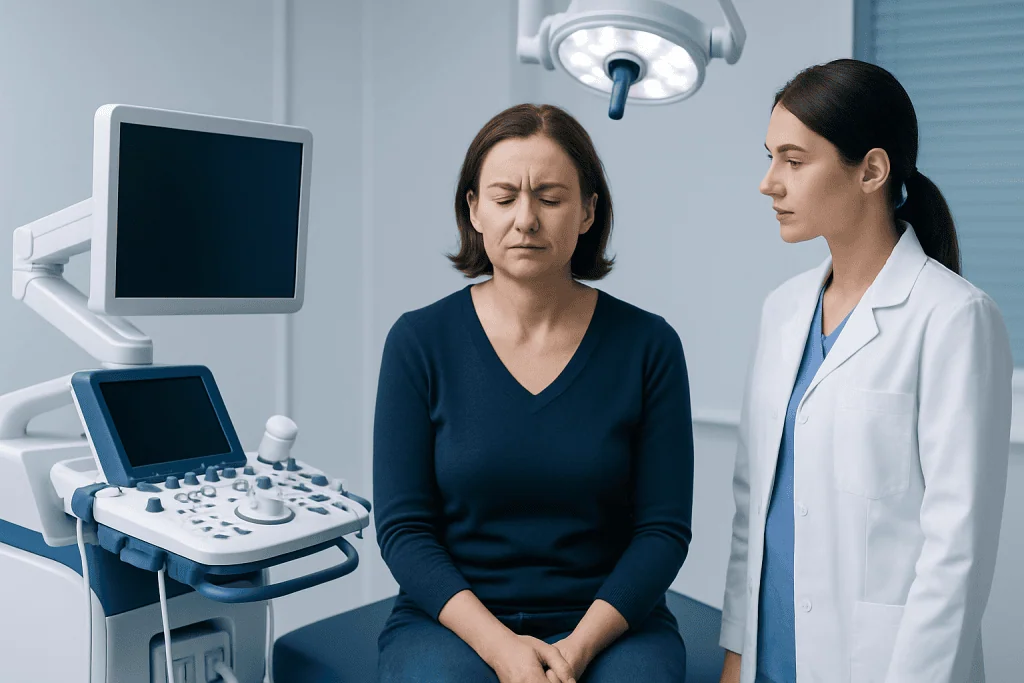
The muscles between the eyebrows and in the forehead move whenever a person shows emotion, focuses on a screen, reacts to bright light, or squints to see more clearly. Each movement folds the skin in the same place. When this happens repeatedly over many years, the skin can begin to crease more permanently.
The aging process adds to this effect. With time, the skin produces less collagen and elastin, two structural proteins that help it stay firm and flexible. Natural oil production may also decrease, making skin feel drier and appear more lined. In thinner or sun-damaged skin, these changes can be especially visible around the brow.
Frown lines can begin as dynamic lines, which are seen only during facial movement. Later, they may become static lines, which remain visible even when the face is relaxed. This shift helps explain why early prevention and skin protection are often more effective than trying to reverse deep-set lines later.
Common causes and risk factors

Repeated facial expression is the main direct cause of frown lines, but several factors affect how strongly those lines develop. Genetics matter: some people naturally have skin that is thinner, drier, or more prone to wrinkling. Age is another major factor because the skin’s support structure gradually changes over time.
Ultraviolet exposure is one of the most important external contributors. Sunlight can damage collagen and elastin, speeding up visible skin aging. This is why people who spend long periods outdoors without protection may notice forehead and brow lines earlier. Smoking can also accelerate skin aging by reducing blood flow and increasing oxidative stress in the skin.
Other factors may contribute as well, including stress-related facial tension, poor sleep, dehydration, and repeated squinting due to uncorrected vision problems. Skin that is chronically dry or irritated may show fine lines more easily. In some people, frown lines may be more noticeable alongside other signs of skin aging.
- Normal aging and loss of collagen
- Frequent frowning, squinting, or concentrating
- Sun exposure and tanning
- Smoking and air pollution
- Genetic tendency toward earlier wrinkling
- Dry skin and inconsistent skin care
Symptoms, appearance, and what is normal
Frown lines are usually seen as vertical lines between the eyebrows, though some people also notice horizontal creasing across the brow area. They may be faint at first and become deeper over time. Many are more visible in bright light, during stress, or when the face is animated.
These lines are generally painless and harmless. They do not usually cause itching, bleeding, or skin breakdown. If symptoms such as redness, burning, scaling, tenderness, or a new rash are present, the concern may be something other than simple frown lines, and medical review may be helpful.
Some people feel bothered by frown lines because they can create the appearance of fatigue, worry, or anger even when the person feels well. This emotional and cosmetic impact is valid, and discussing options with a qualified dermatologist, plastic surgeon, or aesthetic physician can help a person make an informed decision that matches their goals.
Diagnosis and professional assessment
Frown lines are usually diagnosed through a simple clinical examination. A doctor looks at the skin at rest and during facial expression to see where the lines form and how deep they are. They may ask about sun exposure, smoking, skin care products, medical history, and previous cosmetic treatments.
A professional assessment helps distinguish true expression lines from other concerns such as volume loss, skin laxity, dehydration, scarring, or inflammatory skin conditions. If a person also has dark spots, rough texture, or generalized facial wrinkling, the clinician may discuss broader signs of photoaging rather than frown lines alone.
Evaluation is especially useful before any procedure. A doctor can explain which treatments are likely to help dynamic lines, which may improve static lines, and which options may not be suitable during pregnancy, breastfeeding, certain neuromuscular conditions, or active skin infection. In some cases, a doctor may also recommend a broader dermatology assessment to review skin health and treatment safety.
Evidence-based treatment options
Treatment depends on whether the lines are mild, moderate, dynamic, or deeply set at rest. A conservative approach often starts with sun protection, moisturizers, and topical skin care that supports skin renewal. Doctors may suggest prescription or over-the-counter ingredients such as retinoids, peptides, antioxidants, or carefully chosen exfoliating agents, depending on skin type and sensitivity.
For dynamic frown lines caused mainly by muscle movement, injectable neuromodulators are commonly used in medical practice to relax the targeted muscles for a limited period. This can soften the appearance of lines and may also help prevent them from deepening further. For static lines, additional options may be considered, such as resurfacing procedures, selected fillers, or other physician-guided approaches, depending on the skin and facial structure.
Some people may benefit from a tailored plan that combines skin care with procedural treatment. Depending on individual needs, a specialist may discuss options available through medical aesthetics or selected plastic surgery services when skin laxity or broader facial aging is also a concern. The best choice is personalized and should balance expected benefit, recovery time, and safety.
No treatment stops natural aging completely, and results vary from person to person. Home remedies alone are unlikely to erase established deep lines, though they may improve skin comfort and appearance. A qualified clinician can help set realistic expectations and reduce the risk of over-treatment or unsuitable product use.
Prevention and self-care
Prevention focuses on protecting the skin and reducing avoidable strain. Daily use of broad-spectrum sunscreen is one of the most effective measures because ultraviolet exposure is a major cause of premature wrinkling. Wearing sunglasses can also help by reducing squinting in bright light.
A simple, consistent skin care routine may support healthier-looking skin. Gentle cleansing, regular moisturizing, and products that fit the person’s skin type can help reduce dryness and make fine lines look less noticeable. Avoiding harsh scrubs or overuse of irritating active ingredients is also important, because irritation can worsen the skin barrier.
General health habits matter too. Avoiding smoking, staying well hydrated, getting adequate sleep, and managing stress can support overall skin health. People who frequently squint may benefit from an eye examination, since corrected vision can reduce unnecessary brow tension.
- Use sunscreen every day, even on cloudy days
- Wear sunglasses outdoors to reduce squinting
- Moisturize regularly and use skin care consistently
- Avoid smoking and limit tanning exposure
- Seek advice before starting strong anti-aging products
When to seek medical care
Most frown lines do not need medical treatment unless a person wants cosmetic improvement. However, it is sensible to seek professional advice if lines appear with unusual skin symptoms such as redness, crusting, pain, rapid change in appearance, or persistent irritation. These features can suggest a different skin problem that should not be assumed to be normal aging.
Medical review is also helpful when a person is considering prescription products or cosmetic procedures, especially if they have sensitive skin, allergies, a history of scarring, neuromuscular disease, or recent facial surgery. A doctor can explain benefits, limitations, possible side effects, and aftercare needs.
For international patients seeking a specialist opinion, Acibadem International’s multidisciplinary specialists in JCI-accredited hospitals evaluate and treat skin and aesthetic concerns using individualized plans. A consultation can help determine whether simple skin care, minimally invasive options, or broader facial assessment is the most appropriate next step.
Frequently asked questions
Are frown lines permanent?
Frown lines can begin as temporary lines that appear only during facial movement. Over time, they may become more constant as the skin loses elasticity and collagen. Early skin care and sun protection may help slow this progression.
At what age do frown lines usually start?
There is no single age because genetics, sun exposure, skin type, and lifestyle all play a role. Some people notice faint expression lines in their 20s or 30s, while others develop them later. They usually become more noticeable as skin support naturally decreases with age.
Can skin care products remove frown lines completely?
Skin care products usually cannot remove deep frown lines completely. However, they may improve skin texture, hydration, and the appearance of fine lines, especially when used consistently. A doctor can advise whether topical care alone is enough or whether procedural treatment may be more effective.
Does stress cause frown lines?
Stress itself is not the only cause, but it can contribute by increasing facial tension and repeated frowning. Stress may also affect sleep and skin habits, which can influence how the skin looks over time. Managing stress can support overall skin health, even if it does not fully prevent wrinkles.
Can drinking more water get rid of frown lines?
Good hydration supports general health and may help skin look less dry, but it does not erase established wrinkles. Frown lines mainly result from muscle movement, sun damage, and changes in collagen and elastin. Hydration works best as one part of a broader skin-care and prevention plan.
Are injectable treatments safe for frown lines?
When performed by qualified medical professionals, injectable treatments are widely used and can be appropriate for selected patients. As with any medical procedure, they may have risks, side effects, and situations where they are not suitable. A proper consultation is important to review safety, expectations, and aftercare.
This article is for general information only and is not a substitute for professional medical advice. Please consult a qualified doctor about your individual situation.
Explore treatments in Turkey — costs, top hospitals & a free quote
JCI-accredited · board-certified surgeons · reply within 24h
Add us as a Preferred Source to see more of our trusted health content across Google Search, AI Overviews and Discover.

More from the Health Library
Ear Acupuncture: What Patients Need to Know

Workout Mobility: What Patients Need to Know

Rose Oil: A Complete Medical Overview

Hemiparesis: An Evidence-Based Guide for Patients

Leukocytosis treatments: A Complete Medical Guide for Patients